
Leopards of the Masai Mara
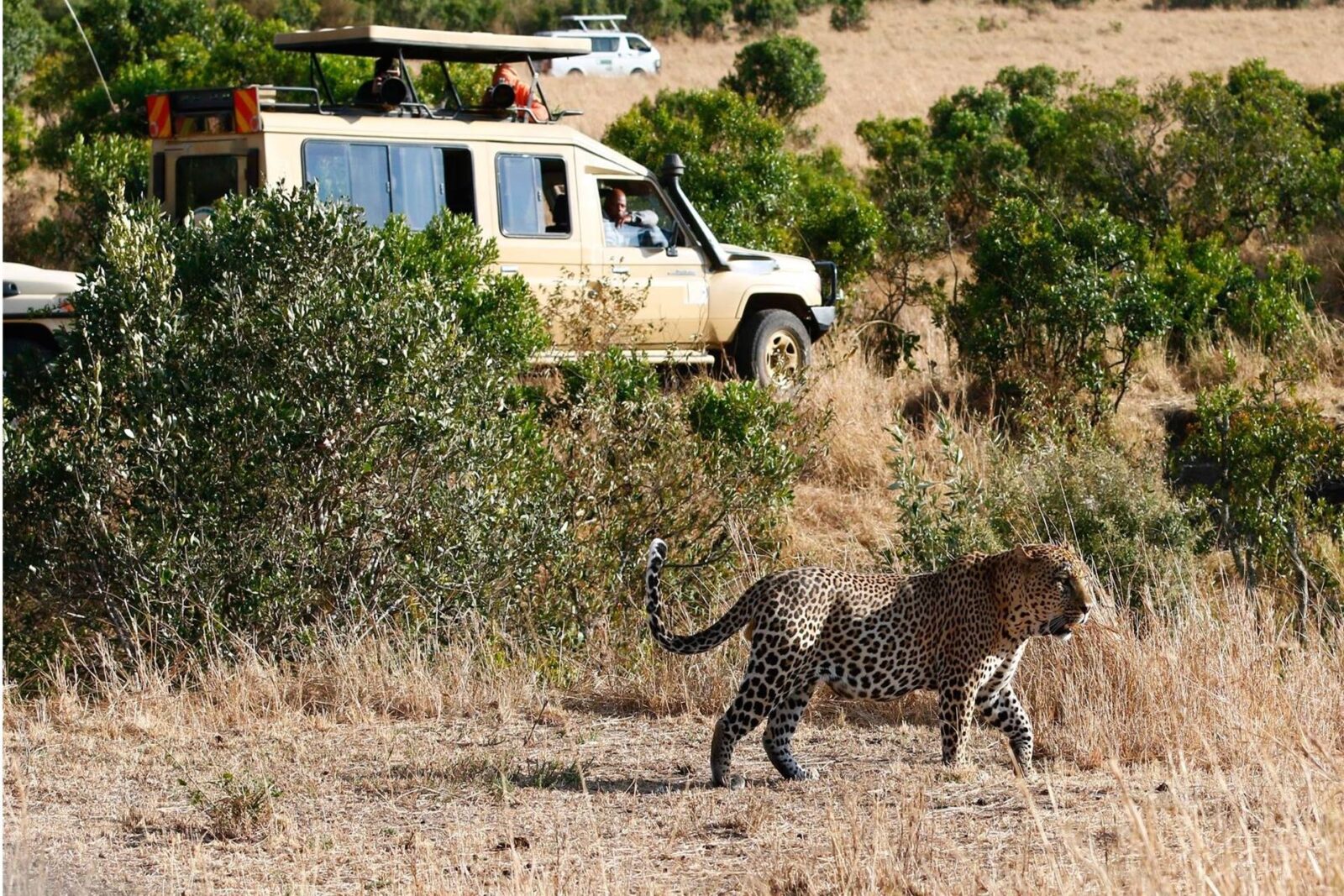
Leopard is the hardest of the Big Five to see reliably anywhere in Africa, but the Masai Mara comes closer to changing that than almost any other park on the continent – decades of research, dense riverine woodland along the Mara and Talek rivers, and an unusually high concentration of habituated individuals have made Mara leopard sightings genuinely more predictable than in most other destinations, even by the demanding standards most experienced safari-goers hold this notoriously elusive species to.
Why the Mara Has Such Strong Leopard Density
The riverine forest lining the Mara and Talek rivers provides exactly the kind of dense cover leopards favour, while the surrounding open plains support the healthy antelope populations that make up much of their diet. This combination of concealment and abundant prey within a relatively contained area is part of why the Mara supports one of the highest leopard densities recorded anywhere in East Africa, rivalling even South Africa’s most celebrated leopard destinations.
Famous Leopards of the Masai Mara
Several individual Mara leopards have become genuinely famous through decades of wildlife documentary filming, with guides and researchers tracking specific females and their cub lineages across multiple generations. This long-running familiarity means Mara guides often know not just where a leopard was last seen, but which specific animal it likely was, based on territory, markings, and known behaviour patterns built up over years of sightings, sometimes spanning entire careers spent working the same stretch of riverine forest.
Best Places to Spot Leopards in the Mara
The riverine woodland along the Mara River, particularly near Mara Bridge and the Talek River confluence, consistently produces some of the reserve’s strongest leopard sightings, along with the denser thicket areas bordering the Mara Triangle. Large fig and croton trees along these river corridors are frequently used as resting spots during the day, and experienced guides know specific favoured trees worth checking on any given drive, often circling back to the same handful of spots across a multi-day stay.
Best Time of Day for Leopard Sightings
Leopards are most active around dawn, dusk, and after dark, making early morning and late afternoon game drives the strongest windows for a sighting, particularly a leopard on the move rather than resting hidden in cover. Night game drives, available at select conservancy properties bordering the main reserve, offer some of the best overall odds, since leopards hunt primarily after dark.
Main Reserve vs Conservancies for Leopard Viewing
The private conservancies bordering the main Masai Mara National Reserve – Mara North, Naboisho, and others – generally offer calmer, less crowded leopard sightings, since vehicle numbers are capped and off-road driving is permitted in ways the main reserve doesn’t allow. This flexibility lets guides position vehicles more precisely around a resting or moving leopard without the crowding that can develop around a good sighting inside the main reserve during peak season.
How the Mara Compares to Other Leopard Destinations
Uganda’s Murchison Falls National Park and Queen Elizabeth’s Ishasha sector both hold healthy but considerably less predictable leopard populations, given lower overall density and a less extensively studied population than the Mara’s. Tanzania’s Serengeti, part of the same broader ecosystem as the Mara, offers similarly strong leopard viewing, particularly around its own riverine forest corridors.
Leopard Behaviour Worth Watching For
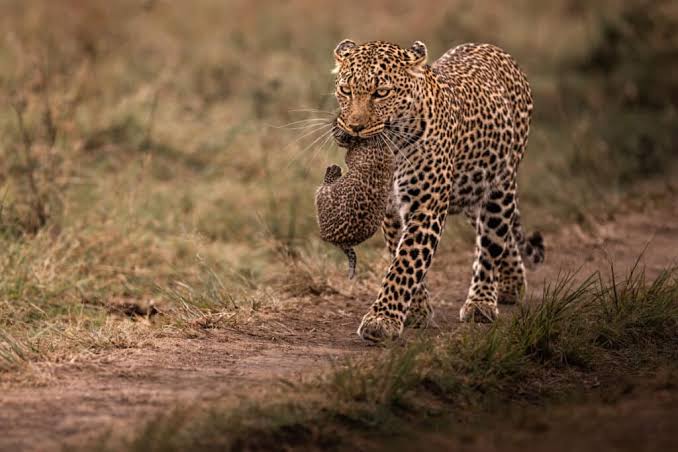
A leopard dragging a kill up into a tree, safely out of reach of lions and hyenas, is one of the more dramatic and distinctive behaviours experienced guides watch for as a sign of recent leopard activity in a given area. Mother leopards raising cubs, generally hidden from view for the first several weeks, occasionally become visible as cubs grow bold enough to accompany her on short hunting excursions, a genuinely special sighting when it happens.
Photographing Mara Leopards
A fast telephoto lens and quick reflexes matter more for leopard photography than almost any other Big Five species, given how brief and often partially obscured sightings tend to be. The Mara’s relatively open riverine edges, compared to denser forest parks elsewhere, do offer somewhat better sightlines than average, improving the odds of a clean, unobstructed shot when a leopard does appear rather than a partially blocked view through dense foliage.
Combining Leopard Tracking With the Rest of the Big Five
The Mara’s leopards share the same landscape as its famous lion prides and healthy elephant, buffalo, and rhino populations, making it one of the strongest single-park Big Five destinations anywhere in Africa – see our Masai Mara lion safari guide and Big Five overview for how leopard fits into a fuller Mara itinerary.
What to Pack for a Leopard-Focused Mara Safari
Beyond standard game drive gear – neutral clothing, sun protection, and a warm layer for cold early mornings – a genuinely long camera lens and a stable mount make the biggest practical difference for leopard photography specifically. If your wider East Africa itinerary includes gorilla trekking, our gorilla trekking packing list covers that portion of the trip separately.
Leopard Markings and Territory
Each Mara leopard’s rosette pattern is unique, and guides who work the reserve regularly build up genuine familiarity with individual animals over years of sightings, recognising specific leopards by markings, scarring, or a particular favoured tree rather than treating every encounter as anonymous. Individual territories can span a considerable area, and a specific leopard may only pass through a given stretch of riverine woodland once every several days as part of a loose patrol rotation.
Leopard vs Cheetah in the Mara
The Mara holds both leopard and cheetah, and first-time visitors sometimes confuse the two – cheetahs favour open grassland and hunt by daylight using speed, with a slender build and solid black tear-mark facial stripes, while leopards are stockier, more muscular, prefer cover and trees, and hunt primarily by stealth and ambush after dark. Guides are used to explaining the distinction, and seeing both species on the same trip is a genuine highlight for many first-time Mara visitors.
Seasonal Patterns in Leopard Sightings
Leopard sightings remain possible year-round in the Mara, since the species is resident rather than migratory, though the dry season’s thinner vegetation along the riverine corridors can make spotting marginally easier than during the lush growth of the wet season. The migration season, roughly July through October, also brings higher overall prey density to the wider ecosystem, indirectly supporting stronger predator activity across the board, leopards included.
How Rangers and Guides Track Leopard Movement
Radio communication between vehicles remains the single most effective tool for locating a leopard once it’s been spotted by any guide in the area, given how quickly word travels once a sighting is confirmed. Fresh tracks in the soft soil along riverine paths, alarm calls from vervet monkeys and baboons troops in the canopy above, and knowledge of recent kills all factor into how an experienced guide narrows down where to look on any given drive.
Leopard Conservation Status in the Mara Ecosystem
Leopards remain more widespread across Africa than lions or rhino, but habitat loss and human-wildlife conflict outside protected areas continue to pressure populations even within secure ecosystems like the greater Mara-Serengeti region. Community conservancies bordering the main reserve play a direct role in this protection, extending safe habitat beyond the park’s formal boundary while channeling tourism revenue into local Maasai communities living alongside the wildlife, creating a genuine economic incentive to coexist with predators rather than see them purely as a threat to livestock.
Frequently Asked Questions
Are leopard sightings guaranteed in the Masai Mara?
No sighting in the wild is ever fully guaranteed, but the Mara’s density and decades of tracking make it one of the more reliable leopard destinations in Africa, especially over a multi-day stay.
Is a private conservancy worth the extra cost for leopard viewing?
For serious leopard-focused travelers, often yes – the ability to position vehicles flexibly and drive at dawn, dusk, or after dark genuinely improves sighting quality and odds compared to the main reserve’s more restricted access hours.
Can I combine Mara leopard tracking with a Kenya elephant safari?
Yes – many itineraries combine the Mara with Amboseli’s elephant herds for a fuller Kenya Big Five circuit covering multiple distinct landscapes in one trip.
How does Mara leopard viewing compare to Rwanda’s Akagera?
The Mara offers considerably higher leopard density and a much longer track record of research than Akagera’s still-developing Big Five population, making it the stronger choice for travelers specifically prioritising leopard sightings over a broader conservation-comeback story.
Can I combine leopard tracking with gorilla trekking on the same trip?
Not directly within Kenya, since gorilla trekking requires travel to Uganda, Rwanda, or Congo – see our gorilla trekking FAQ for how to combine a Kenya leopard safari with a separate primate-focused leg elsewhere in the region.
Ready to Plan Your Masai Mara Safari?
Whether leopard, the Mara’s famous lion prides, or a full Big Five circuit is your priority, our team can build an itinerary matched to your interests and realistic expectations. Get in touch with our team below today and let’s start planning your Kenya safari together.

No comment