
Gorilla Trekking Prices in Uganda, Rwanda, and Congo: A Complete Cost Guide
Gorilla trekking permit prices vary considerably between Uganda, Rwanda, and the Democratic Republic of Congo – the single biggest factor in what your gorilla trekking trip will cost, and a common source of confusion for first-time travelers comparing the three countries. Here’s a clear breakdown of what you’ll actually pay in each, and what drives the difference.
Uganda Gorilla Trekking Permit Prices
A standard Uganda gorilla trekking permit, covering both Bwindi Impenetrable National Park and Mgahinga Gorilla National Park, costs USD 800 for foreign non-residents, USD 700 for foreign residents, and UGX 300,000 for East African citizens. The Uganda Wildlife Authority has also introduced discounted low-season rates during April, May, and November – USD 600 for foreign non-residents and USD 500 for foreign residents – a genuine way to reduce cost if your travel dates are flexible. See our full Uganda permit price guide for the complete current fee structure, including gorilla habituation experience pricing.
Rwanda Gorilla Trekking Permit Prices
Rwanda’s Volcanoes National Park charges USD 1,500 per person per day – the most expensive gorilla permit of the three countries by a significant margin. Rwanda has deliberately positioned itself as a premium, lower-volume gorilla trekking destination, investing permit revenue heavily into luxury lodge development and conservation, and the shorter, more comfortable drive from Kigali International Airport is part of what justifies the premium for many travelers with limited time.
Congo Gorilla Trekking Permit Prices
The Democratic Republic of Congo’s Virunga National Park offers the least expensive gorilla permits of the three countries, a fraction of Rwanda’s price. The trade-off is additional planning complexity and the need to monitor current security conditions in eastern Congo closely – a genuine consideration, not just a formality, and one reason Congo gorilla trekking is best booked through an operator experienced with the region’s specific logistics.
Why the Prices Differ So Much
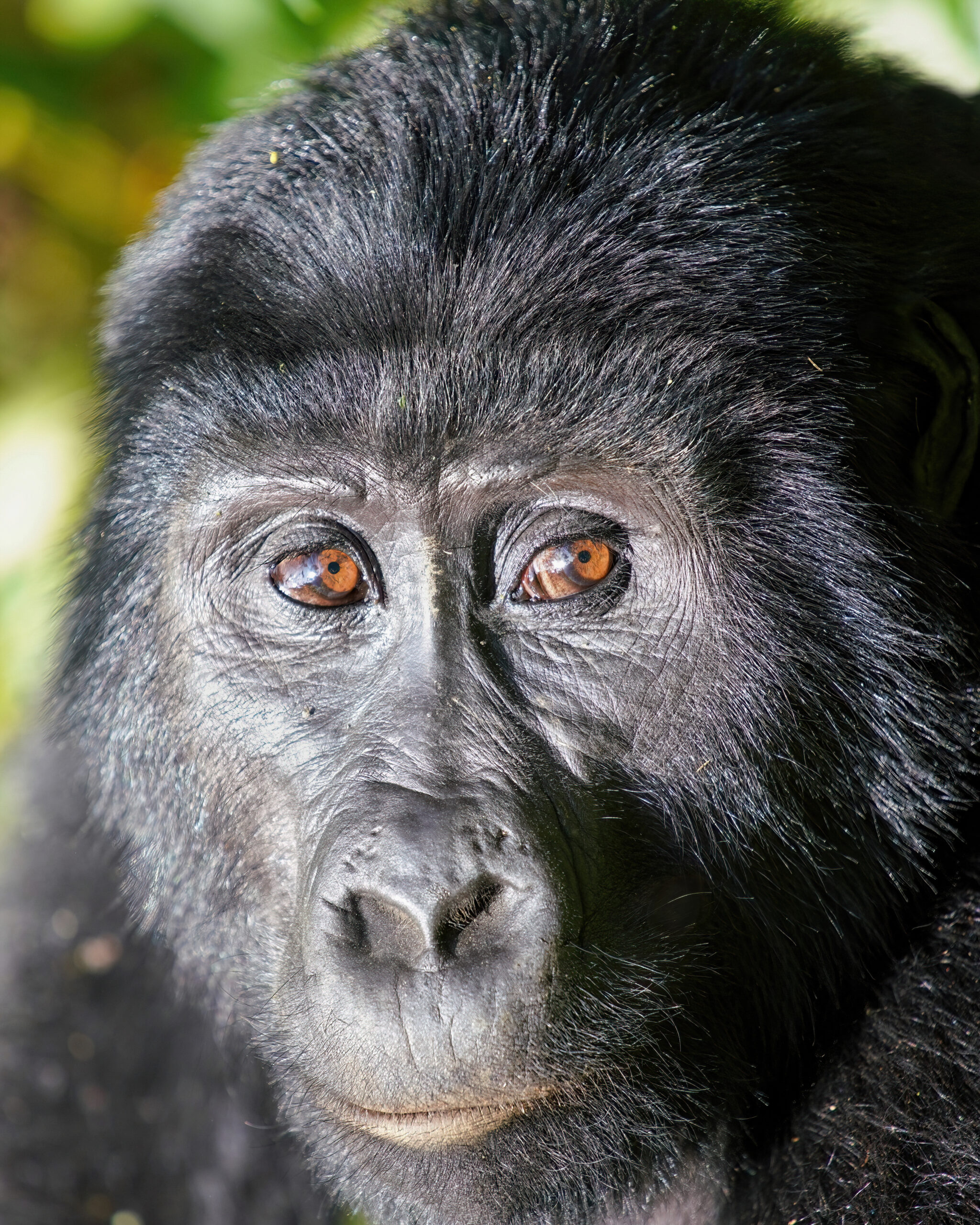
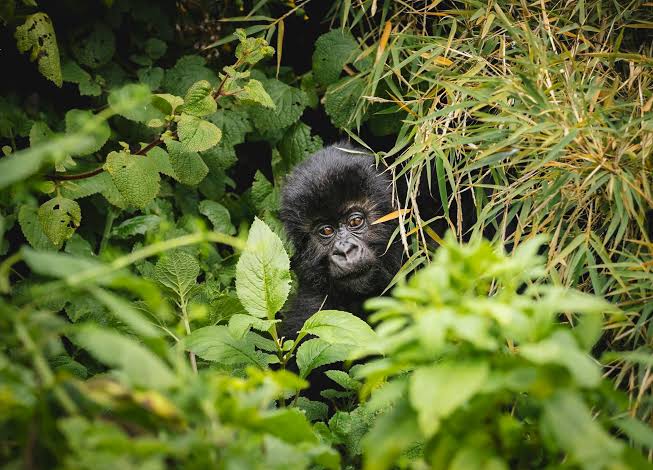
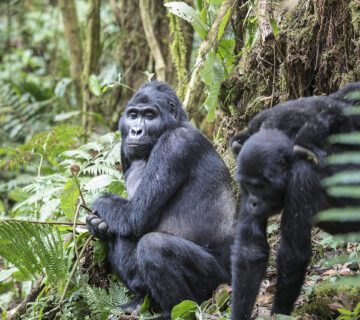
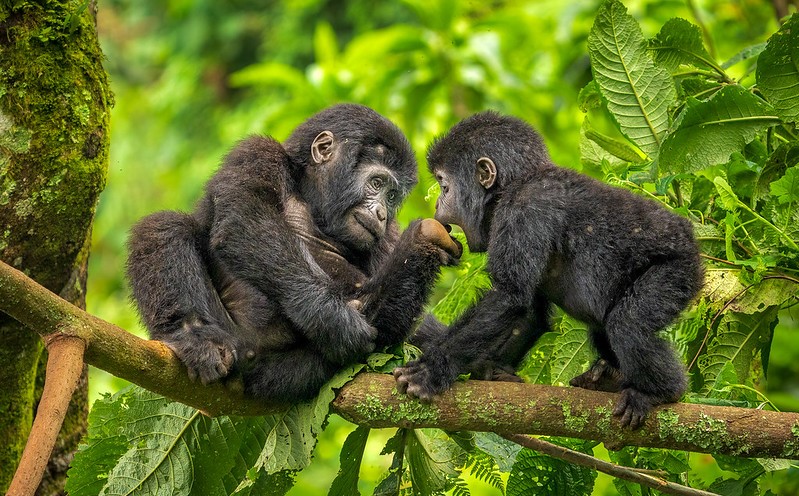
All three countries protect the same Virunga mountain gorilla population, spread across a shared, contiguous mountain range – the gorillas themselves don’t differ in quality of experience between countries. What differs is each government’s tourism strategy: Rwanda has chosen a high-price, high-exclusivity model with fewer daily permits and heavy investment in luxury infrastructure; Uganda sits in the middle, balancing accessibility with strong conservation funding across a larger habituated gorilla population; and Congo prices lower partly to offset the additional logistical and security considerations of visiting eastern DRC.
What’s Included in the Permit Price
Across all three countries, the permit fee covers park entrance for the day, a park ranger and dedicated tracking guide, armed escort where required, and a portion allocated to community development projects around the park boundary. It does not typically include porter fees, tips, transport to the park, or accommodation – all separate costs worth budgeting for alongside the permit itself.
Hidden Costs Beyond the Permit
Porters, who carry your daypack and help on steep sections, typically cost $15-20 for the day and are worth hiring regardless of fitness level, since the fee goes directly to community members living around the park. Tipping your trekking guide and driver-guide separately is customary and generally runs $10-20 per guide per day depending on group size and service. Accommodation near the trekking start points varies enormously by comfort level, and transport – particularly the long drive to Uganda’s Bwindi from Kampala – adds a meaningful cost most first-time planners underestimate.
Which Country Gives the Best Value?
Value depends on what you’re optimising for. Congo offers the lowest permit price for travelers comfortable with the additional planning that requires. Uganda offers the best balance of moderate pricing, a larger habituated gorilla population spread across more trekking sectors, and the ability to combine trekking with a genuine Big Five safari in the same country. Rwanda offers the shortest, most comfortable logistics and the most polished luxury lodge scene, at a significant price premium. None of the three is objectively “best” – the right choice depends on your budget, time, and priorities.
Booking Permits in Advance
Gorilla permits across all three countries are limited daily and frequently sell out months ahead during peak season (December to February and June to September), so booking early is one of the single most important pieces of practical advice we give any first-time gorilla trekking traveler. Permits for Uganda and Rwanda can only be secured through licensed tour operators rather than purchased directly by individual travelers, which is part of why working with an established operator matters beyond simple convenience.
Combining Countries to Manage Cost
Some travelers choose to trek in only one country to keep cost down, while others deliberately combine two – for example, a Uganda permit paired with a wider gorilla trekking itinerary that also covers Queen Elizabeth or Murchison Falls National Park for Big Five game drives, spreading cost across a longer, more varied trip rather than a single-purpose visit. Our packing list and visa requirements guide are both worth reviewing early in your planning process, alongside the permit budget itself.
Gorilla Habituation Experience Pricing
Beyond standard one-hour trekking, all three countries also offer a gorilla habituation experience – a longer, smaller-group visit with a gorilla family still being acclimatised to human presence, alongside the researchers doing that work. In Uganda, this costs USD 1,500 for foreign non-residents, considerably more than standard trekking but limited to a maximum of four visitors rather than eight, offering a genuinely different, more research-focused encounter for repeat visitors or serious primatology enthusiasts willing to pay the premium.
Why Permit Prices Keep Changing
Gorilla permit prices are reviewed periodically by each country’s wildlife authority, and travelers researching costs online sometimes encounter outdated figures from a previous pricing cycle. Uganda’s most recent structure, for instance, introduced new low-season discounts while keeping standard rates unchanged, and Rwanda has adjusted its own pricing more than once over the past decade as part of its deliberate high-value tourism strategy. Always confirm current pricing directly with your operator at the time of booking rather than relying solely on older published figures, including anything you read here, since park authorities can and do revise fees with limited notice.
How Permit Revenue Funds Conservation
A meaningful share of every gorilla permit fee, across all three countries, goes directly toward park ranger salaries, anti-poaching patrols, and community development projects in villages bordering gorilla habitat – part of why permit prices are considerably higher than a standard national park entrance fee. This funding model is widely credited as a major reason mountain gorillas are one of the only great ape populations in the world with a growing, rather than shrinking, population over the past two decades, which is worth keeping in mind when the price tag feels steep by comparison to other wildlife experiences.
Budgeting for a Full Gorilla Trekking Trip
Beyond the permit itself, a realistic total budget should include international and domestic flights, ground transport to the trekking region, accommodation for at least two to three nights near the park, park entrance fees if your itinerary includes additional activities, porter and guide tips, and travel insurance that explicitly covers trekking activities. First-time planners often budget the permit cost carefully but underestimate these surrounding costs, which can meaningfully shift the total trip price depending on your chosen comfort level and how many additional parks or activities you add around the trek itself.
Frequently Asked Questions
Is it cheaper to trek gorillas in the low season?
In Uganda, yes – the new low-season rates for April, May, and November offer a genuine discount over standard pricing, though these permits cannot be rescheduled once booked.
Do children pay the same gorilla permit price as adults?
The minimum age for gorilla trekking is 15 across all three countries, so this rarely applies in practice, but where permitted, pricing is generally the same regardless of age above the minimum.
Can I get a refund if I don’t see gorillas?
No – permit fees are non-refundable regardless of trekking outcome, though sightings are extremely reliable across all three countries given how closely habituated families are monitored by trackers.
What happens if I need to reschedule my permit?
Rescheduling policies vary by country and season – Uganda’s standard permits can typically be rescheduled with sufficient notice, though a late reschedule fee of around 25% of the permit price usually applies, while the new discounted low-season permits cannot be rescheduled at all once booked.
Is it worth paying Rwanda’s premium price over Uganda’s?
It depends on what you value most – Rwanda’s shorter drive from Kigali and more polished luxury lodge scene genuinely justify the premium for travelers with limited time, while budget-conscious travelers or those wanting to combine trekking with a Big Five safari in the same country often find Uganda the more practical choice.
Ready to Plan Your Gorilla Trekking Trip?
Whether Uganda, Rwanda, or Congo fits your budget and timeline best, our team can walk you through the real, current costs for each country and secure your permits early, well ahead of the peak season rush. Get in touch below and let’s start planning your gorilla trekking adventure together, including where it might make sense to add a Ziwa rhino tracking stop to round out your itinerary.
![Gorilla Trekking Uganda vs Rwanda vs Congo [Which Is Better]](https://www.allinafricasafaris.com/wp-content/uploads/2025/01/Gorilla-Trekking-Uganda-vs-Rwanda-vs-Congo-Which-Is-Better-360x320.jpg)

No comment