
Big Five Safari in Uganda: Everything You Need to Know
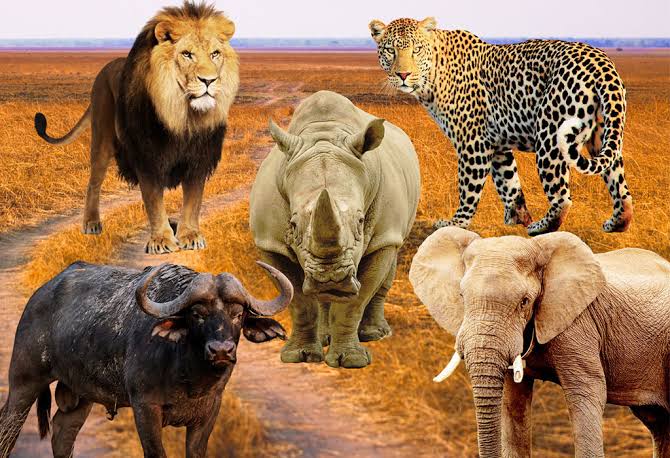
Uganda isn’t usually the first country travelers think of for a Big Five safari – that reputation belongs to Kenya and Tanzania – but its savanna parks hold healthy populations of four of the five, plus a reliable rhino encounter a short drive away, all combined with the chance to trek mountain gorillas in the same trip. Because Uganda’s tourism identity is built so heavily around gorilla trekking, its Big Five credentials are genuinely underrated, and first-time visitors are often surprised by how much wildlife density its savanna parks actually hold. Here’s exactly what a Big Five safari in Uganda looks like, park by park.
Which Big Five Animals Does Uganda Have?
Uganda’s national parks hold lion, elephant, buffalo, and leopard as genuine resident populations across several savanna parks. Rhino is the exception: poaching wiped out Uganda’s wild rhino population by the late 1980s, and today the only place to see one is Ziwa Rhino Sanctuary, a dedicated reintroduction project rather than a wild population within a national park. Most Uganda itineraries solve this simply, since Ziwa sits directly on the road between Kampala and Murchison Falls National Park.
Queen Elizabeth National Park
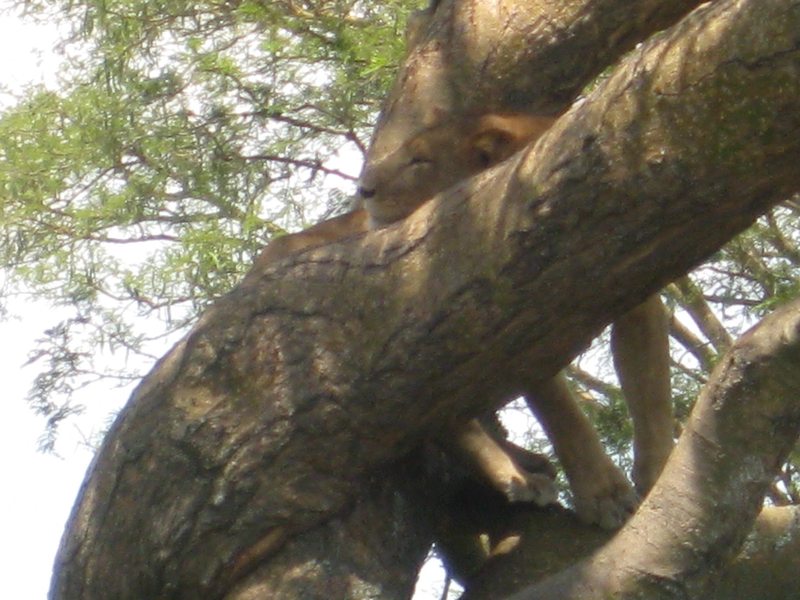
Queen Elizabeth National Park is Uganda’s most complete Big Four destination (lion, elephant, buffalo, leopard), and its Ishasha sector holds one of only two known tree-climbing lion populations in Africa, where prides regularly rest draped over the branches of large fig trees during the heat of the day. The Kazinga Channel, connecting Lake Edward and Lake George, adds one of the highest hippo concentrations in Africa plus reliable buffalo and elephant sightings on boat cruises, on top of the standard game drives. The park’s varied terrain, spanning crater lakes, open savannah, and dense forest patches, also makes it one of the best birding destinations in the country, with well over 600 recorded species alongside its Big Four wildlife.
Murchison Falls National Park
Uganda’s largest national park, Murchison Falls is named for the point where the entire Victoria Nile forces through a gorge less than eight metres wide. Its northern savannah supports large elephant and buffalo herds, healthy lion prides, and leopard, alongside one of East Africa’s densest hippo and Nile crocodile populations along the riverbanks. It’s also the park most commonly paired with a Ziwa rhino stop, since both sit on the same route north from Kampala.
Kidepo Valley National Park
Uganda’s most remote and wild park, Kidepo Valley sits in the far northeast near the South Sudan and Kenya borders and holds lion, elephant, and buffalo in genuinely wild, low-traffic terrain – leopard sightings are rarer here than in Queen Elizabeth, but the trade-off is some of the least crowded, most dramatic scenery of any Ugandan park, plus species found nowhere else in the country, like cheetah and ostrich. Getting there takes real commitment – either a long overland drive of a full day or more from Kampala, or a short scenic flight – which is exactly why it sees a fraction of the visitor numbers of Uganda’s more accessible parks, and why sightings here often feel more like genuine wilderness encounters than a typical game drive.
Combining Big Five With Gorilla Trekking
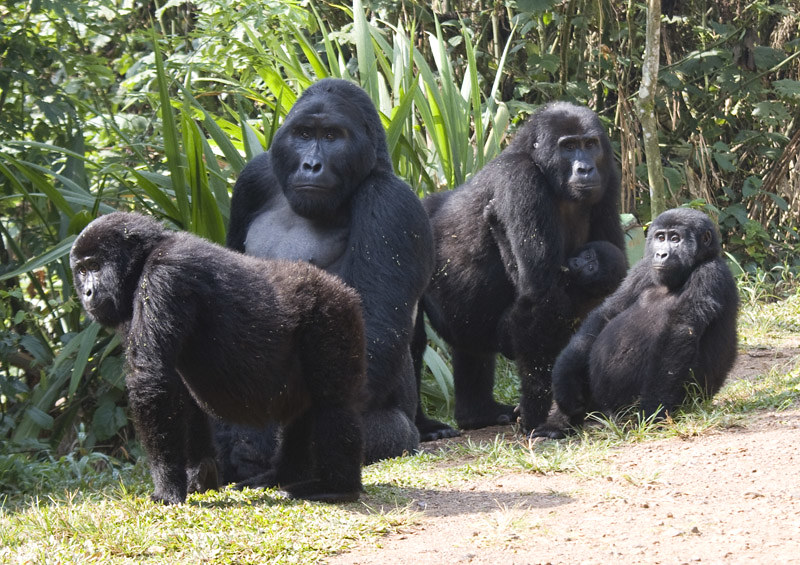
The single biggest reason travelers choose Uganda over a pure Big Five destination like Kenya is the ability to combine savanna game drives with mountain gorilla trekking in Bwindi Impenetrable National Park or Mgahinga Gorilla National Park on the same trip – something no Big Five country outside Uganda, Rwanda, or Congo can offer. It’s worth being clear that gorillas were never part of the original Big Five list, but pairing the two is consistently one of the most popular itinerary combinations we build, since the parks sit only a few hours apart by road. Our gorilla trekking FAQ covers permits, cost, and planning in detail if you’re adding this to your route.
How Many Days Do You Need for a Uganda Big Five Safari?
A focused Big Five and gorilla combination typically needs 8 to 12 days to properly cover Queen Elizabeth or Murchison Falls, a Ziwa rhino stop, and a Bwindi gorilla trek without rushing the long drives between parks. Shorter 5 to 6 day trips are possible if you focus on a single savanna park plus Ziwa and skip gorilla trekking, which is a reasonable option for travelers on a tighter schedule or budget, since gorilla permits are the single largest line item in most Uganda itineraries.
Best Time of Year
Uganda’s two dry seasons, roughly December to February and June to August, offer the easiest game viewing, since thinner vegetation and animals concentrating around remaining water sources both improve visibility. Unlike gorilla trekking, which becomes physically harder on muddy trails in the wet season, savanna game drives remain enjoyable year-round, and the wet season brings lower prices and noticeably fewer vehicles at each sighting. Bird watchers in particular often prefer the wet season, since migratory species arrive alongside the rains, adding hundreds of additional species to an already impressive year-round resident bird list across Uganda’s savanna parks.
What a Uganda Big Five Safari Costs
Park entrance fees, game drives, and accommodation in Uganda’s savanna parks are generally less expensive than equivalent parks in Kenya or Tanzania, which is part of why Uganda works well as a budget-conscious add-on to a gorilla trekking trip rather than a standalone Big Five destination. The main additional cost driver, if you include gorilla trekking, is the permit itself – currently USD 800 per person for foreign non-residents, on top of standard park and game drive fees.
Uganda vs Kenya for a Big Five Safari
Kenya generally offers better single-park Big Five odds, since parks like the Masai Mara and Amboseli hold all five species including wild rhino, whereas Uganda requires the Ziwa add-on. Where Uganda wins decisively is the ability to combine Big Five game drives with mountain gorilla trekking on the same trip – a genuinely unique pairing that Kenya can’t offer – along with generally lower park and accommodation costs. Many of the travelers we work with choose to combine both countries in one longer trip rather than picking one over the other; see how the two compare in more depth in our Uganda, Rwanda, and Congo gorilla trekking comparison.
Self-Drive vs Guided Big Five Safaris in Uganda
Self-driving is technically possible in Uganda’s savanna parks, but road conditions, wildlife tracking knowledge, and the sheer size of parks like Murchison Falls make a guided safari the far more practical choice for most visitors, particularly for leopard sightings, which depend heavily on a guide’s knowledge of recently active territories. A professional driver-guide also handles the logistics of moving between parks, permit collection at Ziwa or Bwindi, and border formalities if your trip extends into Rwanda or Kenya.
What to Pack for a Uganda Big Five Safari
Game drives require far less specialized gear than gorilla trekking – comfortable neutral-coloured clothing, sun protection, binoculars, and a camera with reasonable zoom cover most of what you need. If your itinerary also includes Bwindi or Mgahinga, our gorilla trekking packing list covers the additional forest-specific gear for that portion of the trip, and it’s worth checking Uganda’s visa requirements well ahead of travel, since most nationalities need either a standard tourist visa or the East Africa Tourist Visa before arrival.
Frequently Asked Questions
Can you see all five Big Five animals in Queen Elizabeth National Park?
You can see four – lion, elephant, buffalo, and leopard – reliably in Queen Elizabeth, but rhino requires a separate visit to Ziwa Rhino Sanctuary, since Uganda’s savanna parks no longer hold a wild rhino population of their own.
Is a Uganda Big Five safari more affordable than Kenya or Tanzania?
Generally yes. Park entrance fees, game drive costs, and mid-range accommodation in Uganda’s savanna parks tend to run lower than equivalent options in the Masai Mara or Serengeti, making Uganda an appealing choice for travelers building a longer, multi-activity itinerary on a fixed budget.
How do I combine a Big Five safari with gorilla trekking without a rushed itinerary?
Most well-paced itineraries dedicate three to four days to a savanna park like Queen Elizabeth or Murchison Falls, one to two days for travel and the Ziwa stop if included, and a minimum of three days around a Bwindi gorilla trek, which totals to roughly 8 to 12 days depending on how many parks you combine. Trying to compress this into a shorter trip usually means sacrificing either game drive time or rest days between long drives.
Do I need different guides for gorilla trekking and Big Five game drives?
No – most Uganda safaris use the same driver-guide for the entire trip, who handles game drives personally and simply hands you over to specialized park rangers for the gorilla trekking portion itself, since ranger-led trekking is mandatory inside the park regardless of who arranged your safari.
Ready to Plan Your Uganda Big Five Safari?
Whether you want a focused Queen Elizabeth or Murchison Falls game drive safari, a Ziwa rhino add-on, or a full combination with gorilla trekking in Bwindi, our team can build an itinerary matched to your time and budget. Get in touch below and let’s start planning.

No comment