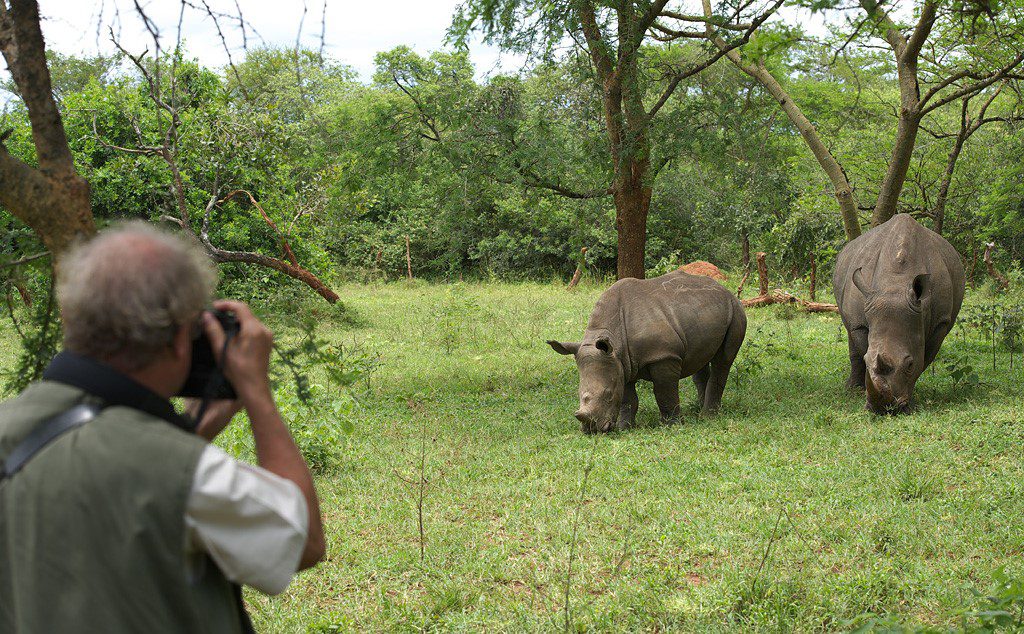
Embarking on an African safari is an exciting and transformative experience, promising unforgettable encounters with wildlife and stunning landscapes. Whether you’re tracking lions on the Serengeti or marveling at elephants in the Okavango Delta, staying physically prepared is essential for making the most of your adventure. Here’s a guide to getting fit on the go for your African safari:
1. Cardiovascular Stamina:
African safaris often involve long game drives and walks in the wilderness. Building cardiovascular stamina through activities like brisk walking, jogging, cycling, or swimming can greatly enhance your endurance. Aim for at least 30 minutes of cardio exercise on most days of the week leading up to your trip.
2. Strength and Core Training:
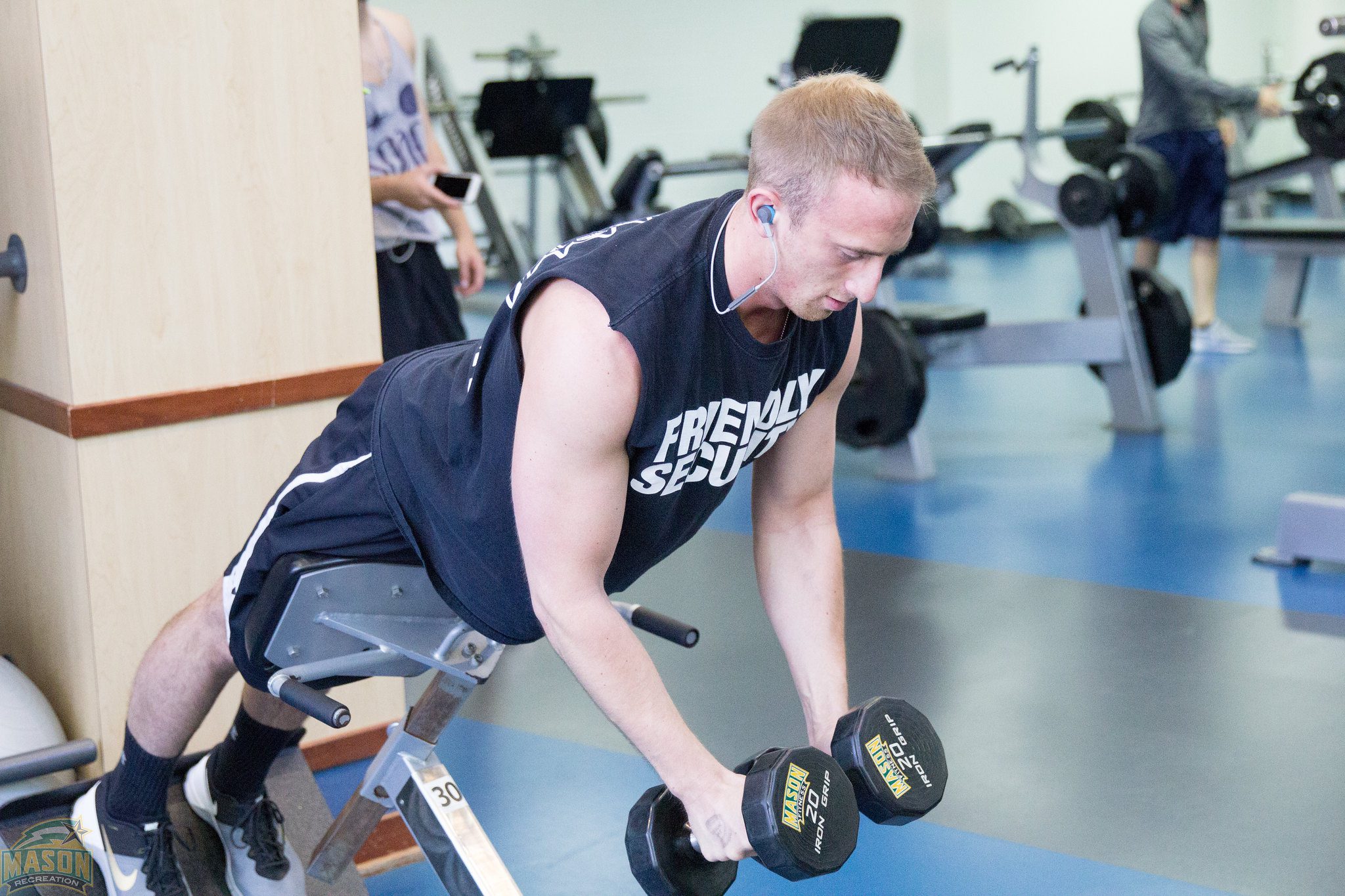
Safari activities can require physical effort, such as getting in and out of safari vehicles or hiking over uneven terrain. Incorporate strength training exercises like squats, lunges, push-ups, and planks to improve your overall strength and core stability.
3. Flexibility and Mobility:
Flexibility and mobility are crucial for navigating through natural landscapes and comfortably participating in various safari activities. Include stretching exercises and yoga poses in your routine to maintain flexibility and prevent muscle stiffness.
4. Balance and Coordination:
African safaris often involve walking on trails and uneven ground. Enhance your balance and coordination by practicing activities like tai chi, balance exercises, and agility drills. These will prepare you for the challenges of safari terrain.
5. High-Altitude Consideration:
If your safari takes you to higher altitudes, like the East African highlands, altitude sickness can be a concern. Gradually acclimatize to higher elevations by spending a few days at intermediate altitudes before reaching your final destination.
6. Packing Essentials:
Pack comfortable and breathable workout attire and appropriate footwear for any physical activities you plan to engage in during your safari. This includes sturdy hiking boots or walking shoes.
7. Hydration and Nutrition:
Staying hydrated is vital in African climates, especially during physical exertion. Carry a reusable water bottle and drink plenty of fluids. Also, maintain a balanced diet with nutrient-rich foods to support your energy levels.
8. Listen to Your Body:
Pay attention to your body’s signals during physical activities. If you feel fatigued or experience any discomfort, take breaks and don’t push yourself too hard.
9. Mind-Body Connection:
Engage in mindfulness practices like meditation or deep breathing to stay grounded and reduce any travel-related stress.
10. Have Fun:
Getting fit doesn’t have to be a chore. Turn your preparation into an enjoyable experience by exploring outdoor activities, local gyms, or even dancing to African rhythms.
Remember, an African safari is about connecting with nature and immersing yourself in the wild. By staying physically fit and mentally prepared, you’ll be better equipped to fully savor every moment of your adventure. So, lace up your shoes, stretch those muscles, and get ready for an unforgettable journey through the heart of Africa’s wilderness!
A Sample Eight-Week Preparation Timeline
Starting roughly eight weeks before departure gives your body enough time to build meaningful cardiovascular and strength gains without risking injury from a rushed, overly aggressive program. The first few weeks can focus on establishing a consistent walking or light jogging routine, with strength training and longer hikes added progressively as your fitness base improves, tapering activity intensity in the final week before travel to arrive rested rather than fatigued.
Preparing Specifically for Gorilla or Chimpanzee Trekking
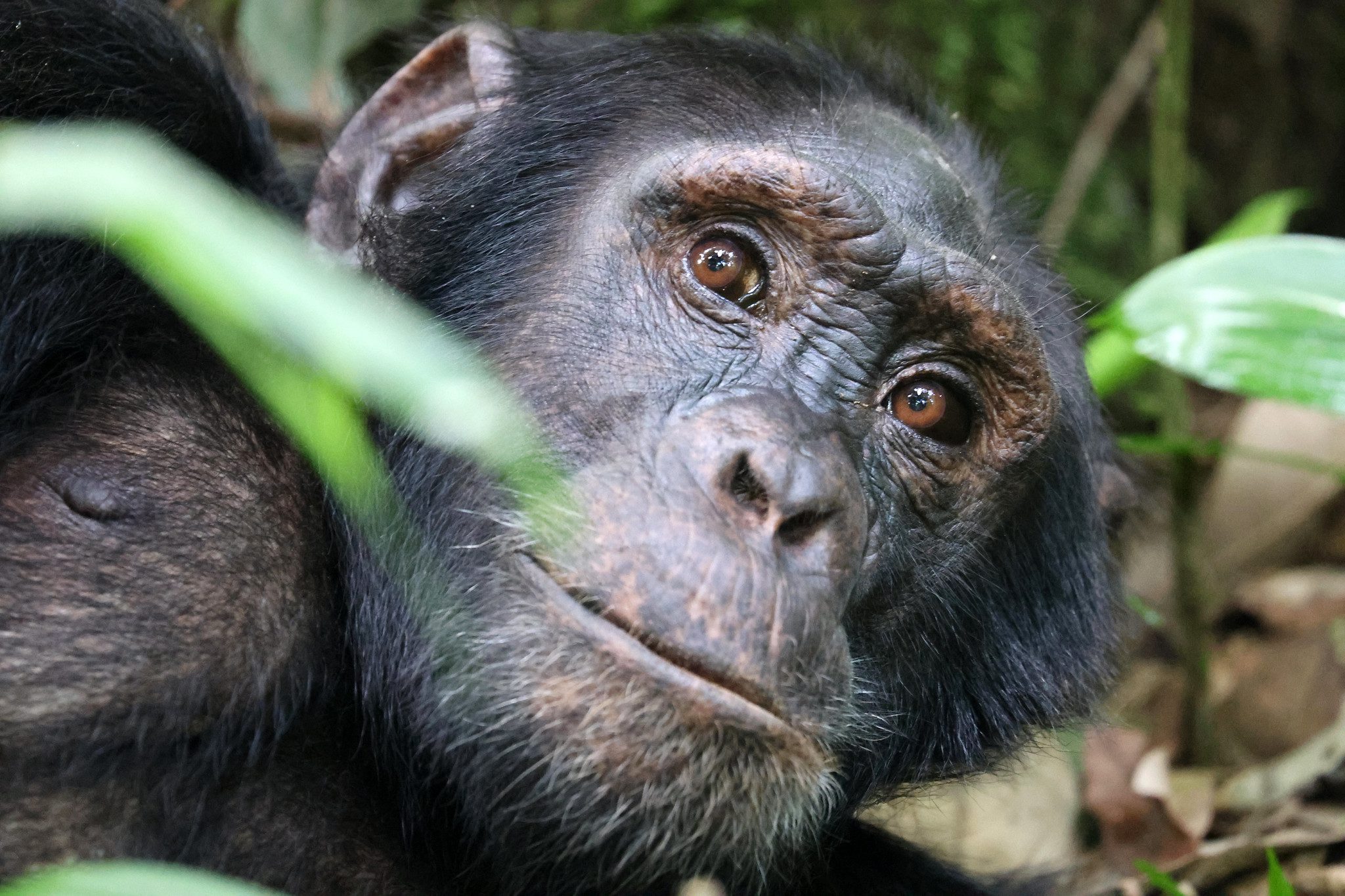
If your itinerary includes primate trekking in Uganda or Rwanda, incorporating stair climbing, hill walks, or a stair-stepper machine into your routine specifically targets the steep, sustained uphill effort these treks often demand. Practicing with a loaded daypack in the weeks before departure also helps your body adjust to carrying gear over genuinely uneven, sometimes muddy terrain.
Injury Prevention While Training
Building intensity gradually, allowing adequate rest days between harder sessions, and addressing any nagging pain before it becomes a genuine injury all matter considerably more in the weeks before an active trip than in ordinary training, since an injury sustained just before departure can compromise the entire safari. Consulting a physical therapist or trainer if you’re returning to exercise after a long break helps ensure your preparation program is appropriately paced for your starting fitness level.
Recovering Well During and After Your Safari
Building rest days into a multi-activity safari itinerary, alternating a physically demanding trekking day with a lower-intensity game drive or cultural visit, helps manage cumulative fatigue across a longer trip. Post-safari, easing back into your regular routine over a week or two, rather than immediately resuming a full training schedule, gives your body time to recover from the trip’s combined physical and travel demands.
Making Fitness Preparation Part of the Excitement
Framing your pre-trip training as part of the safari experience itself, rather than a separate chore, tends to keep motivation higher through the weeks of preparation. All in Africa Safaris can advise on the specific physical demands of your chosen itinerary, helping you tailor your preparation to the activities that matter most for your particular trip.
Matching Your Training to Your Specific Itinerary
A classic vehicle-based game drive safari demands considerably less physical preparation than an itinerary built around gorilla trekking, walking safaris, or a Kilimanjaro climb, meaning your training intensity should genuinely reflect the activities your specific trip actually includes. Reviewing your full itinerary well before you start training helps ensure you’re building the right kind of fitness rather than over- or under-preparing for what the trip actually demands.
Nutrition in the Weeks Before Departure
Beyond hydration during the trip itself, eating a balanced diet with adequate protein in the weeks leading up to departure supports the muscle recovery and adaptation that make your training program effective. Travelers with dietary restrictions should plan ahead for how these will be accommodated on safari, since some remote camps have more limited ingredient access than city-based restaurants.
Jet Lag and Travel Fatigue
Arriving a day or two before your safari activities begin, rather than heading straight from a long-haul flight into a physically demanding first day, gives your body time to adjust to the new time zone and reduces the risk of fatigue affecting your performance on an early trek or game drive. This buffer day is worth building into your itinerary regardless of how fit and well-prepared you otherwise are.
Fitness Considerations for Different Age Groups
Older travelers or those returning to exercise after a long break should start their preparation program earlier and progress more gradually than younger, more active travelers, giving the body genuinely adequate time to build strength and stamina without risking injury from an overly compressed timeline. Consulting a doctor before beginning any new exercise program is particularly worth doing for travelers with existing health conditions or those planning a physically demanding itinerary like gorilla trekking or a mountain climb.
Bringing It All Together for Departure Day
By the time your safari actually begins, weeks of consistent cardiovascular, strength, and flexibility training should translate into genuinely improved comfort and confidence during game drives, walking safaris, and any trekking activities on your itinerary. All in Africa Safaris can help ensure your fitness preparation lines up well with the specific physical demands of whichever African safari you’ve planned.
Simple Equipment That Makes a Real Difference
Resistance bands, a yoga mat, and a pair of properly broken-in hiking boots represent a genuinely minimal equipment investment that covers the bulk of the training and packing needs described throughout this guide, without requiring an expensive home gym setup. Breaking in new hiking boots specifically demands several weeks of gradual wear before departure, since attempting a multi-hour trek in stiff, unworn boots is one of the more common and entirely avoidable sources of safari discomfort.
A Fitter Traveler Is a Happier Traveler
Travelers who arrive genuinely prepared consistently report enjoying their safari activities more fully, less distracted by fatigue or discomfort and more able to stay present for the wildlife encounters and landscapes that drew them to Africa in the first place. Investing even a modest, consistent effort into the weeks before departure pays off directly in how much you get to actually enjoy once you’re there.
Start Preparing Today
Whatever your current fitness level, a structured eight-week preparation plan built around cardiovascular stamina, strength, and flexibility gives you a genuine head start on making the most of your African safari. All in Africa Safaris can help pair this physical preparation guide with the specific itinerary that will put your improved fitness to good use.
Your Body, Ready for Africa
Getting physically ready isn’t about becoming an elite athlete before departure, it’s about arriving with enough baseline stamina, strength, and flexibility to say yes to every activity your safari offers without hesitation. All in Africa Safaris can help match this preparation guide to the exact adventure awaiting you in Africa’s wilderness.
Turning Preparation Into an Unforgettable Trip
The weeks spent building stamina and strength before departure ultimately serve one goal, making sure nothing about your own physical readiness stands between you and the wildlife encounters and landscapes your African safari promises. All in Africa Safaris can help plan the specific itinerary that this preparation is building you toward.