
What to Pack for a Safari in the Cold Months of June to August
Planning a safari between June and August requires more thought about clothing than many travellers expect. These months fall within the cooler part of the year in several East African destinations, including Uganda, Rwanda, Kenya and Tanzania. Early mornings can be chilly, temperatures may drop after sunset, and open safari vehicles can feel particularly cold when travelling before sunrise. At the same time, afternoons can become warm, especially in lower-lying savannah areas where wildlife viewing takes place.
The key to packing for a safari during these months is to prepare for changing temperatures rather than treating the entire trip as a cold-weather holiday. You may begin a morning game drive wearing a fleece jacket and long trousers, remove a layer by mid-morning and spend the afternoon in lightweight clothing. If your itinerary includes gorilla trekking, chimpanzee tracking, mountain scenery or high-altitude lodges, you may need warmer layers and better protection against rain than someone visiting only the savannah parks.
June to August is also a popular travel period in parts of East Africa. In many destinations, these months coincide with relatively dry conditions, although local weather varies considerably. Forests can remain damp, mountain areas can be cold, and rain is still possible. Your packing list should reflect the places you intend to visit, the activities you plan to undertake and the type of accommodation included in your itinerary.
Understanding East Africa’s Weather Between June and August
Before choosing your clothing, consider the climate of each destination on your safari. East Africa does not experience one uniform winter season. Temperatures depend on altitude, distance from the equator, local geography, rainfall patterns and the time of day.
In Uganda, mornings can be cool in savannah parks such as Murchison Falls National Park and Queen Elizabeth National Park. Temperatures can feel especially low before sunrise when the safari vehicle is moving through open areas. In Bwindi Impenetrable National Park, where gorilla trekking takes place in a mountainous forest environment, conditions can be cooler, wetter and more humid. A warm layer, waterproof jacket and suitable trekking trousers are particularly useful there.
Rwanda also has noticeable differences between its warmer lowlands and cooler highland areas. Volcanoes National Park, where visitors trek to see mountain gorillas, can be cold and wet even when conditions elsewhere in the country are comfortable. Travellers visiting Nyungwe National Park for chimpanzee tracking or forest walks should prepare for damp vegetation and changing conditions on forest trails.
Kenya and Tanzania include extensive savannah landscapes where daytime temperatures may rise considerably. However, early morning game drives in the Maasai Mara, Serengeti and Ngorongoro Conservation Area can be cold. Higher elevations, including areas around the Ngorongoro Crater, can feel particularly chilly, especially when wind and mist are present.
Coastal destinations such as Zanzibar and Kenya’s Indian Ocean shoreline generally have warmer conditions than highland safari areas. If your itinerary combines wildlife viewing with a beach holiday, pack a mixture of warm layers and lightweight clothing rather than relying on one type of outfit.
The most practical strategy is to prepare for cool mornings, comfortable or warm afternoons, and potentially cold evenings. This approach allows you to adjust throughout the day without carrying a separate wardrobe for every destination.
Layered Clothing: The Foundation of Cold-Season Safari Packing
Layering is one of the most effective ways to stay comfortable on a safari between June and August. Instead of packing one very thick jacket, bring several lighter layers that can be worn together or removed as temperatures change.
A useful combination includes a lightweight base layer, a long-sleeved shirt, a fleece or warm mid-layer, and a wind-resistant or waterproof outer jacket. You may not need every layer during every activity, but having the option makes a significant difference during early game drives and outdoor excursions.
Base Layers for Cool Mornings
Base layers sit close to your skin and help manage moisture while providing additional warmth. Lightweight thermal tops can be useful for early morning game drives, especially in high-altitude destinations or on itineraries that involve open vehicles.
Merino wool and synthetic performance fabrics are practical choices because they can manage moisture more effectively than ordinary cotton. Merino wool is comfortable for many travellers and can resist odours, while synthetic fabrics often dry quickly and are easy to wash.
You do not necessarily need a full set of thermal underwear for a standard savannah safari. A thermal top may be sufficient if you are sensitive to cold or expect to spend several hours outdoors before sunrise. Travellers visiting mountain forests, staying at high-altitude lodges or undertaking extended outdoor activities may benefit from additional thermal clothing.
Avoid buying heavy winter base layers simply because your safari falls during the cooler months. Choose clothing suited to the actual temperatures and activities expected on your route.
Long-Sleeved Shirts and Lightweight Trousers
Long-sleeved shirts are useful throughout the year, including June, July and August. They provide light warmth during cool periods while protecting your arms from the sun, dust, vegetation and insects.
Breathable cotton blends or quick-drying outdoor fabrics work well for many safari activities. For forest trekking, synthetic or other quick-drying materials can be particularly practical because clothing may become damp from rain, perspiration or contact with wet vegetation.
Neutral colours such as khaki, olive, brown and muted grey are popular because they blend naturally into outdoor surroundings and show less dust than some very dark fabrics. You do not need to purchase an entirely new wardrobe of safari clothing. Comfortable trousers and shirts you already own may be suitable if they allow free movement and can handle outdoor conditions.
Long trousers are especially important for gorilla trekking and chimpanzee tracking, where visitors may pass through thick vegetation. They can help protect your legs from scratches, insects and contact with plants. For ordinary game drives, lightweight trousers are often more versatile than shorts, although shorts can be comfortable during warm afternoons at lodges or camps.
Fleece Jackets and Warm Mid-Layers
A fleece jacket is one of the most useful items to pack for a June-to-August safari. It adds warmth without the bulk of a heavy winter coat and can be removed easily when the temperature rises.
Choose a fleece that fits comfortably over your shirt and under your outer jacket. A full-zip design is convenient because you can adjust ventilation without removing the entire garment. A lightweight or medium-weight fleece is usually enough for many savannah itineraries, while colder mountain destinations may require a thicker option.
Fleece is especially useful during pre-dawn game drives, evening meals outdoors and transfers through highland areas. It can also serve as a comfortable layer inside accommodation where evenings are cool.
If you already own a warm sweater that packs easily, you may not need to buy a fleece. The important consideration is whether the garment provides sufficient warmth without taking up too much luggage space.
Windproof and Waterproof Outerwear
A good outer jacket protects you against wind, rain and the chill created by travelling in an open vehicle. Even when the weather is dry, moving air can make a cool morning feel significantly colder.
For many travellers, a lightweight windproof jacket with a hood is a practical option. If your itinerary includes gorilla trekking, chimpanzee tracking or time in mountainous areas, choose a waterproof or reliably water-resistant jacket with enough room for a warm layer underneath.
Water-resistant jackets can handle light moisture, but they may not keep you dry during prolonged or heavy rain. A waterproof jacket with properly designed seams and closures provides more dependable protection when conditions are wet.
Avoid relying on a bulky insulated winter coat unless your route includes unusually cold conditions or you know you are sensitive to low temperatures. Several lighter layers are generally easier to adjust and pack.
Trousers, Trekking Clothes and Outdoor Protection
Your choice of trousers should depend on the activities planned for the safari. Game drives, forest walks and mountain trekking place different demands on clothing.
For savannah game drives, lightweight outdoor trousers are usually sufficient. Choose a comfortable fit that allows you to sit for long periods and move easily when entering or leaving the vehicle. Fabrics that dry quickly are useful if you encounter rain or spill water while travelling.
For gorilla trekking in Uganda or Rwanda, wear sturdy long trousers that protect your legs from rough vegetation. Some trekkers prefer trousers that can be tucked into long socks or gaiters to reduce direct contact with plants and insects. This is a practical option in dense vegetation, although your guide’s recommendations and personal comfort should determine your choice.
Trekking trousers should allow unrestricted movement when stepping over roots, climbing slopes or walking on uneven ground. Avoid very tight jeans for demanding forest hikes because they can restrict movement and become uncomfortable when wet.
If you expect to trek for several hours, consider bringing a spare pair of trousers. This is particularly useful when the route includes muddy trails or wet vegetation. You can change into dry clothing after returning to your lodge, making the evening more comfortable.
A lightweight pair of shorts can be useful for relaxing at accommodation, particularly in warmer savannah and coastal areas. However, they should not replace long trousers for activities where leg protection is advisable.
Footwear for June, July and August Safaris
Footwear is one of the most important parts of your packing list. The right choice depends on whether your itinerary involves mainly vehicle-based wildlife viewing or demanding outdoor activities.
Comfortable Shoes for Game Drives
For a lodge-based safari focused on game drives, comfortable trainers or lightweight walking shoes may be sufficient for many activities. You will generally spend much of the day sitting in a vehicle, with short walks around accommodation or designated areas.
Choose shoes that are comfortable for extended wear, easy to put on and suitable for uneven ground. Closed shoes also provide more protection from dust and help keep your feet warm during cold morning drives.
You may want sandals or lightweight slip-on shoes for use around your lodge, but they should be an additional option rather than your only footwear.
Hiking Boots for Gorilla and Chimpanzee Trekking
If you are trekking in Bwindi Impenetrable National Park, Mgahinga Gorilla National Park, Volcanoes National Park or Nyungwe National Park, sturdy hiking boots are often a sensible choice.
Look for boots with good traction, secure ankle support if you prefer it, and a comfortable fit. The sole should grip uneven trails, muddy ground and sloping surfaces. Waterproof or water-resistant construction can be useful, although no boot should be assumed to remain completely dry in every forest condition.
Break in new boots before travelling. Wearing unfamiliar boots for a long trek can lead to blisters, pressure points and discomfort. Test them on walks of different lengths and wear the socks you intend to use on the safari.
Bring several pairs of comfortable socks. Merino wool or synthetic hiking socks can help manage moisture and reduce friction. Avoid wearing wet socks for extended periods, and carry a spare pair if your trekking plans involve rain or muddy conditions.
For forest trekking, some travellers also use gaiters to reduce the amount of mud, water and vegetation entering their boots. These are optional rather than essential for every traveller, but they can be useful on wet or overgrown trails.
Sandals and Evening Footwear
A pair of sandals or comfortable lightweight shoes can be useful for relaxing at your lodge after a long day. They are especially practical when your main footwear is muddy or damp.
If your itinerary includes a beach extension, pack sandals suitable for the coast. You do not need multiple pairs of heavy evening shoes for a typical safari. One comfortable pair for relaxing and one suitable pair for outdoor activities are often enough, with beach footwear added if required.
Warm Accessories for Early Morning Game Drives
Small accessories can make cold mornings more comfortable without taking up much luggage space. A warm hat, lightweight gloves and a neck gaiter or scarf are particularly useful when travelling in open safari vehicles.
A beanie or other lightweight hat helps retain warmth around your head, especially in highland destinations. Choose one that can be packed into a jacket pocket when it is no longer needed.
Light gloves can make a noticeable difference when the air is cold and your hands are exposed to wind. They are most useful during pre-dawn drives, high-altitude transfers and outdoor activities where you remain still for long periods.
A neck gaiter or lightweight scarf protects the neck from cold air and can also help reduce exposure to dust. It is easier to carry than a bulky scarf and can be removed when temperatures rise.
Sunglasses remain important during the cooler months. Clear skies and strong sunlight can create glare during game drives, especially in open savannah landscapes. Choose comfortable sunglasses that provide appropriate ultraviolet protection.
A sun hat is also useful for daytime activities. Although mornings may be cold, the sun can become strong by late morning. A brimmed hat helps protect your face and neck during game drives, walks and outdoor time at your accommodation.
Rain Protection for Forests and Mountain Areas
June to August can be relatively dry in some East African safari destinations, but rainfall varies by location and year. Mountain forests and highland areas can remain wet even when surrounding regions experience clearer weather.
If you are trekking in Bwindi, Mgahinga, Volcanoes or Nyungwe, pack a waterproof jacket regardless of the season. A compact rain poncho may provide additional coverage, but it should not interfere with your ability to walk safely or follow your guide.
Waterproof trousers are worth considering for travellers who expect prolonged rain or particularly wet trekking conditions. They are not essential for every safari, and some people find them too warm during active walking. Lightweight quick-drying trekking trousers combined with a waterproof jacket may be enough for many trips.
A rain cover for your daypack helps protect spare clothing, snacks, documents and camera accessories. Make sure it fits securely and can be used quickly when the weather changes.
Dry bags or waterproof pouches are useful for electronic equipment and other items that should not get wet. Keep your phone, camera and spare batteries in protective cases rather than placing them loose in a backpack.
Even if your itinerary is mainly based around savannah game drives, a compact waterproof layer is useful insurance against unexpected showers. It is usually better to carry a lightweight jacket than to discover that your only warm outer layer cannot handle rain.
What to Pack for Gorilla Trekking in the Cold Months
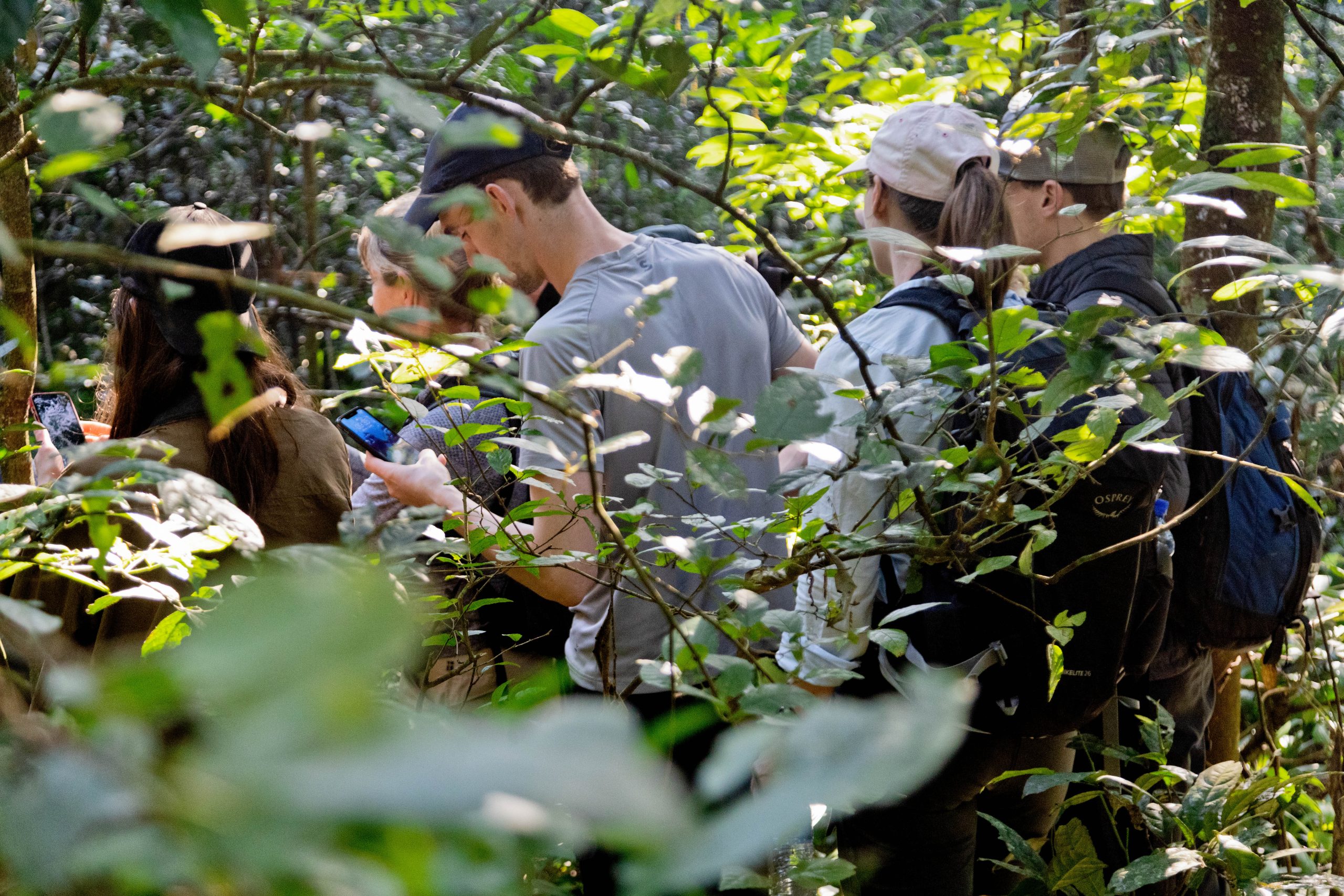
Gorilla trekking requires a more specialised clothing setup than a standard game-drive safari. The activity takes place in forested mountain environments, where temperatures, rainfall and trail conditions can change quickly.
Begin with a moisture-managing base layer and comfortable long-sleeved shirt. Add a fleece or other warm layer for the early morning, then carry a waterproof jacket that can be worn when rain begins. Long trekking trousers provide protection against vegetation, while sturdy boots help you move across uneven ground.
A pair of long socks can be useful, and some trekkers prefer to tuck their trousers into them or wear gaiters to reduce contact with vegetation. Choose an arrangement that feels comfortable and does not restrict circulation or movement.
Gloves can be particularly useful when moving through thick vegetation. Gardening-style gloves with a good grip may help protect your hands from rough plants, although they should fit properly and allow you to handle trekking equipment safely. Follow your guide’s instructions about moving through the forest rather than pushing through vegetation unnecessarily.
Carry a small daypack with water, essential personal items, a rain cover and any snacks permitted or needed for the trek. Keep the bag light enough to manage on uneven terrain. You may also want a spare shirt for changing after the trek if you become sweaty or wet.
Do not assume that a dry-season calendar guarantees dry trekking conditions. Forest floors may remain muddy, and rain can occur at any time. Prepare for the conditions you may encounter rather than relying entirely on the expected seasonal pattern.
Your guide or safari operator can advise you about local trail conditions and any recommended equipment. Follow the park’s instructions on trekking gear, porter arrangements and personal safety.
What to Pack for Savannah Game Drives
Savannah safaris generally require less specialised clothing than forest trekking, but early morning temperatures can still be uncomfortable.
Pack long trousers, a comfortable shirt, a fleece jacket and a windproof outer layer. Add a warm hat or gloves if you know you feel cold easily. A lightweight blanket or warm wrap may be helpful on some open-vehicle drives, but ask your operator whether these are provided before carrying your own.
Dress in layers before leaving for a morning game drive. It is easier to remove a fleece when the sun rises than to remain cold for the first part of the excursion. Keep your outer jacket accessible instead of packing it at the bottom of your bag.
Neutral colours are practical for outdoor viewing, although there is no need to replace every bright item you own. Avoid clothing that is uncomfortable in heat or difficult to clean after a dusty drive. Simple, breathable garments are generally more useful than specialised outfits with features you will rarely use.
A small daypack can hold sunglasses, sunscreen, drinking water, a camera, binoculars and an extra layer. Keep valuable equipment secure when entering and leaving the vehicle, and follow your guide’s instructions about where to store personal belongings.
Toiletries and Personal Care for Cool-Season Safaris
Cold mornings do not remove the need for sun protection. Ultraviolet exposure can be significant in East Africa, particularly at higher elevations and in open areas with little shade.
Pack sunscreen with an appropriate SPF, lip balm with sun protection, sunglasses and a sun hat. Apply sunscreen before spending extended periods outdoors and reapply according to the product instructions.
Moisturiser can be helpful if your skin becomes dry in cool air, wind or dusty conditions. Lip balm is especially useful during long game drives when you may be exposed to moving air for several hours.
Insect repellent remains useful even during months that are relatively dry in some destinations. Mosquitoes and other biting insects may still be present, depending on the location and time of day. Use a suitable repellent according to its label, and follow local medical advice about malaria prevention when travelling in affected areas.
Bring personal toiletries in securely closed containers to prevent leaks. A small toiletry bag makes it easier to keep these products separate from clothing and electronic equipment. If you use specific skin-care or hygiene products, carry enough for the trip rather than assuming that every lodge will stock your preferred brands.
Hand sanitiser and tissues can be useful during travel days, while any personal medication should remain accessible and stored according to its instructions. Keep essential medication in your hand luggage where possible, rather than placing everything in a bag that may be inaccessible during a transfer.
Camera Equipment and Electronics in Cold Conditions
Photography is a major part of many safaris, and June to August can provide excellent opportunities for wildlife viewing in several destinations. However, early starts, dust and occasional rain mean that camera equipment needs practical protection.
A padded camera bag protects your equipment from knocks during vehicle transfers. A rain cover can provide extra protection if you are caught in a shower, while a small dry bag may be useful for keeping selected accessories dry during boat trips.
Dust is often a more persistent concern than cold for electronics on savannah game drives. Keep lenses capped when not in use and avoid changing lenses in exposed areas when wind is blowing dust around the vehicle. Use a blower and appropriate lens-cleaning materials rather than wiping gritty surfaces with ordinary fabric.
Bring spare batteries and memory cards if you expect to take many photographs. Cold conditions can reduce battery performance, although the effect depends on the temperature and battery type. Keep spare batteries in a secure, dry place and avoid leaving electronics exposed to unnecessary moisture.
A power bank can be useful during long travel days, but check airline requirements for carrying batteries. Keep charging equipment organised in a small pouch and use the charging facilities available at your accommodation.
If you are carrying binoculars, use their protective case and keep the lenses covered when they are not in use. Clean them with appropriate optical equipment rather than ordinary tissues or clothing.
Choosing the Right Luggage for June to August
Your main luggage should suit the transport included in your safari. For road-based trips, a soft-sided duffel or travel bag can be practical because it is easier to fit into vehicle storage areas than a rigid suitcase.
For itineraries involving small aircraft, check the exact baggage rules before departure. Some operators impose restrictions on both luggage weight and bag dimensions, and certain aircraft require soft-sided luggage. Do not assume that every flight has the same allowance.
A packing cube system helps organise clothes without adding much bulk. Use a few cubes rather than packing each category into a separate container. A small dry bag can protect clothing or electronics when needed, while a dust cover can reduce the amount of dirt that collects on your main bag.
Keep your warmest layer and waterproof jacket accessible during travel. If you arrive late at a lodge or leave early the next morning, you may need them before you have time to unpack. The same principle applies to essential medication, travel documents and any item required during a transfer.
Avoid packing heavy winter coats, excessive footwear or multiple thick sweaters unless your route genuinely requires them. A well-planned layering system usually provides enough flexibility while leaving room for other essentials.
Laundry and Clothing Rotation During a Safari
Many safari lodges offer laundry services, although availability, prices and turnaround times vary. Some remote camps have restrictions on washing small personal items or may not be able to return clothing on the same day. Confirm the arrangements with your operator if laundry access will affect how much you pack.
For a trip lasting a week or longer, quick-drying clothing can reduce the need to carry a complete outfit for every day. You can rotate shirts and trousers, allowing washed garments to dry before they are needed again.
Pack enough underwear and socks to remain comfortable between laundry opportunities. Hiking socks may take longer to dry than lightweight shirts, particularly in cool or humid conditions, so carrying a few extra pairs is sensible if you plan to trek.
Keep clean clothes separate from worn garments. A lightweight laundry bag helps prevent used clothing from mixing with fresh items. If clothes become wet during a trek, allow them to dry as soon as possible rather than sealing them away for several days.
A small amount of planning can make a significant difference. Think about when you will have access to laundry, how many times you will change accommodation and whether your activities are likely to leave clothing muddy or damp.
A Practical June to August Safari Packing Checklist
For a typical East African safari, prioritise a few long-sleeved shirts, comfortable long trousers, underwear, hiking socks where needed, and lightweight clothing for warmer afternoons. Add a fleece or warm sweater, a windproof jacket and a waterproof outer layer suitable for your itinerary.
For footwear, bring comfortable closed shoes for game drives and lodge activities. If you are trekking, pack broken-in hiking boots with suitable traction. Sandals or lightweight shoes can be useful for relaxing at accommodation or for a beach extension.
Your accessories should include a warm hat for chilly mornings, a sun hat, sunglasses, sunscreen, insect repellent and a compact daypack. Travellers planning forest activities should consider gloves and gaiters if recommended for the expected conditions.
For equipment, bring your camera or phone, charging cables, suitable power adapters, binoculars if you have them, and any necessary batteries or memory cards. Store electronics in protective cases and consider a waterproof pouch or dry bag for activities where moisture is a concern.
Pack personal medication, travel documents and essential toiletries in accessible, secure locations. A small first-aid kit may be useful, particularly if you are travelling independently between remote destinations, but it should not replace appropriate medical advice or any required preventive medication.
Finally, check your itinerary before closing your bag. A safari focused on game drives in the Serengeti requires a different balance of clothing from a trip that combines gorilla trekking in Bwindi, chimpanzee tracking in Nyungwe and a few nights on the coast. Adjust your packing list to the coldest destination, the most physically demanding activity and the luggage restrictions that apply to your transport.
Common Packing Mistakes to Avoid
One of the biggest mistakes is packing only for daytime temperatures. Afternoon sunshine can be warm, but the first hour of a game drive may feel very different. Always keep a warm layer available for early starts and evening outings.
The opposite mistake is carrying too many heavy winter clothes. East Africa’s cooler months do not mean that every destination is cold throughout the day. Bulky coats can occupy valuable luggage space and become uncomfortable when temperatures rise. A fleece, base layer and suitable outer jacket often provide more flexibility.
Another mistake is relying on ordinary trainers for every activity. They may be comfortable for game drives but can offer limited grip on muddy forest trails. If gorilla trekking or demanding walks are included, choose footwear suited to those conditions and break it in before travelling.
Do not leave rain protection at home because June to August is described as a dry period. Seasonal patterns vary between countries and habitats, and mountain forests can remain wet. A lightweight waterproof jacket is a practical item for most itineraries.
Avoid buying specialist safari clothing unnecessarily. You can often use suitable clothes already in your wardrobe, provided they are comfortable, practical and appropriate for the planned activities. Invest in specialised items when they address a genuine need, such as sturdy trekking boots for forest hikes.
Finally, do not ignore baggage restrictions. A collection of jackets, extra shoes and protective accessories can quickly increase luggage weight. Check with your safari operator and any domestic airline before departure, especially if your itinerary includes light-aircraft transfers.
How to Prepare for Your Specific Safari
The most effective packing list starts with your route rather than the calendar alone. If you are visiting savannah parks in Uganda, Kenya or Tanzania, focus on comfortable game-drive clothing, warm layers for early mornings, sun protection and a wind-resistant jacket. Add dust protection if your itinerary involves long drives on dry roads.
If you are travelling to Bwindi, Mgahinga, Volcanoes or Nyungwe, give greater attention to waterproof clothing, trekking trousers, suitable boots and moisture-managing layers. These destinations can be cooler and wetter than the surrounding lowlands, and walking through forest terrain requires more preparation than sitting in a safari vehicle.
If your safari includes several parks and a beach extension, choose clothing that can serve more than one purpose. Lightweight shirts and trousers can work for travel days and game drives, while a fleece and waterproof jacket can be stored when you move to warmer coastal areas. Add swimwear and suitable sandals for the beach rather than packing a separate wardrobe for every stop.
June, July and August can be rewarding months for wildlife travel across East Africa, but comfort depends partly on how well you prepare for changes in temperature. A thoughtful combination of lightweight clothing, warm layers, practical footwear and weather protection allows you to enjoy early game drives, forest treks and outdoor activities without carrying unnecessary luggage.







No comment