What Happens If You Don’t See the Gorillas? Uganda’s Success Rate Explained
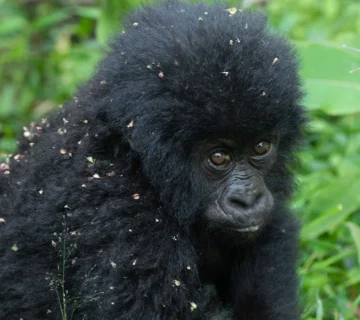
Gorilla trekking is one of the most extraordinary wildlife experiences available in Africa. Every year, travellers from around the world visit Uganda to enter the ancient forests of the southwest and spend time observing endangered mountain gorillas in their natural habitat. For many visitors, the opportunity to see a gorilla family at close range is the main reason for choosing Uganda as a safari destination.
However, before paying for a gorilla trekking permit, many travellers have an important concern: What happens if I trek into the forest and don’t see the gorillas?
The concern is understandable. Gorilla permits represent a significant part of the cost of a Uganda safari, and trekking through Bwindi Impenetrable National Park or Mgahinga Gorilla National Park can involve several hours of walking through challenging rainforest terrain. Travellers naturally want to know whether their investment is protected if the gorillas cannot be located.
The good news is that the chances of seeing gorillas in Uganda are exceptionally high. Gorilla trekking operators and tourism sources commonly report success rates of approximately 98% to 99%. This figure should not be understood as a formal 100% guarantee from the Uganda Wildlife Authority, because mountain gorillas are wild animals whose movements cannot be completely controlled. Nevertheless, the highly organised tracking system, experienced trackers and habituated gorilla families make Uganda one of the world’s most reliable destinations for encountering mountain gorillas in their natural environment.
Understanding Gorilla Trekking in Uganda
Uganda is home to a significant proportion of the world’s remaining mountain gorillas, with the main trekking experiences taking place in Bwindi Impenetrable National Park and Mgahinga Gorilla National Park in southwestern Uganda.
Gorilla trekking is carefully managed because mountain gorillas are endangered and their conservation requires responsible interaction with people. Visitors do not simply enter the forest and search randomly for gorillas. Before tourists begin their trek, experienced trackers are already monitoring the movements of habituated gorilla families.
The trekking group is accompanied by trained guides and trackers who understand the forest and have extensive experience following gorilla movements. They look for signs such as footprints, feeding areas, broken vegetation, nesting sites and other evidence that helps them determine where the animals have travelled.
This system is one of the major reasons why the chances of finding a gorilla family are so high.
It is important, however, to understand that tracking does not mean the gorillas remain in one fixed location. They move naturally through the forest as they feed, rest, interact with one another and search for suitable areas. The trackers therefore have to follow their movements and adjust the route accordingly.
Why Is the Gorilla Sightseeing Success Rate So High?
The frequently reported success rate of around 98% to 99% is largely connected to the way gorilla tourism is organised in Uganda.
Unlike a traditional game drive, where a guide may search for animals across thousands of hectares of savannah, gorilla trekking focuses on habituated gorilla families whose movements are monitored regularly. The trackers have an understanding of the individual families, their recent movements and the areas in which they are likely to be found.
This does not mean that the exact location of the gorillas is always known. A family can move during the night or travel considerable distances while feeding. The trackers must therefore use their knowledge of the forest and evidence left by the animals to determine where they have gone.
The process is highly specialised. Trackers spend significant amounts of time in the forest and become familiar with the behaviour and movement patterns of the gorilla groups. Their experience can make the difference between spending a short time searching and having to follow the animals for several hours.
The high success rate should therefore be viewed as the result of conservation, monitoring, experience and careful organisation rather than simple luck.
What Does a Typical Gorilla Trek Look Like?
A gorilla trekking day usually begins early in the morning at the relevant park headquarters. Visitors receive a briefing before entering the forest, where guides explain the rules and safety procedures that must be followed during the trek.
Travellers are then assigned to a gorilla family and begin walking into the forest with their guides and trackers.
The duration of the trek varies considerably. Some visitors may reach their gorilla family after a relatively short walk, while others may spend several hours hiking before the animals are located. The difference is mainly determined by the movements of the gorillas and the terrain between the starting point and the family’s current location.
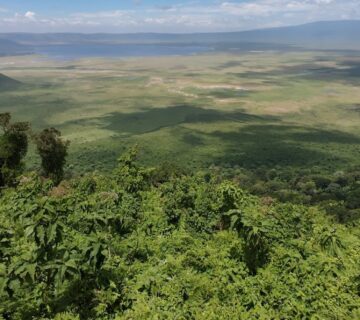
Bwindi is particularly well known for its rugged landscape. Visitors may encounter steep slopes, thick vegetation, narrow paths and muddy sections, especially during or after rainfall. These conditions mean that travellers should be physically prepared and should wear appropriate hiking footwear.
The trek is therefore not simply a short walk to an animal viewing location. It is an active journey through the natural habitat of the mountain gorilla.
Why Can the Trek Take Several Hours?
The biggest factor determining the length of a gorilla trek is the movement of the gorilla family.
Mountain gorillas do not follow a tourist schedule. They feed when they need to feed, rest when they need to rest and move through the forest according to their own behaviour and environmental conditions.
A family that was located in one area the previous evening may have moved to another part of the forest by morning. The trackers must then follow signs of the family’s movement.
The terrain also plays an important role. A gorilla family may be relatively close in terms of distance but separated from the trekking group by a steep valley, thick vegetation or difficult terrain. In such circumstances, reaching the animals can take considerably longer than expected.
This is why visitors are advised to prepare for a potentially long day rather than planning other activities immediately after the trek.
What Role Do Gorilla Trackers Play?
The trackers are an essential part of Uganda’s gorilla trekking experience.
They are highly experienced individuals who spend considerable time monitoring the gorilla families. Their work often begins before visitors arrive in the forest. They follow the groups, observe their movements and communicate information that helps the trekking teams locate them.
Trackers also understand the physical signs left behind by the gorillas. Feeding remains, broken branches, footprints and nesting areas can provide valuable information about the direction in which the family has travelled.
Their knowledge is particularly important because the forest can be extremely dense. Visitors may walk through an area without noticing any obvious signs of gorillas, while an experienced tracker can recognise evidence that the animals have recently passed through.
The trackers therefore do much more than simply lead tourists through the forest. Their knowledge and daily work contribute significantly to the high probability of successful gorilla encounters.
What Happens When the Gorillas Are Located?
When the trackers locate the gorilla family, visitors are carefully guided towards the animals. The approach is conducted according to established park rules designed to protect both the gorillas and the visitors.
The guide may ask everyone to remain quiet and follow instructions carefully. Visitors are expected to behave respectfully and avoid actions that could disturb or provoke the animals.
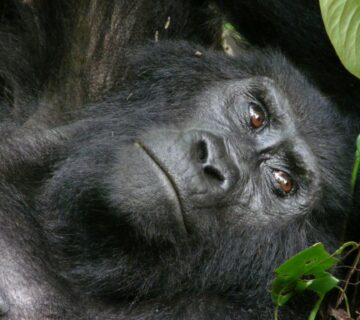
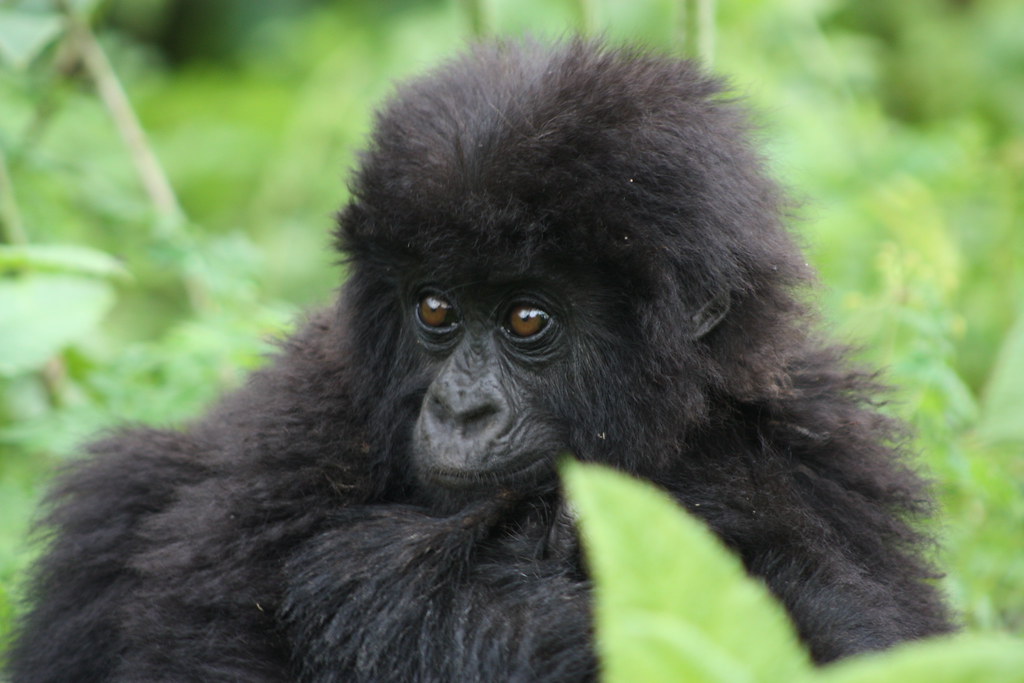
Once the family is located, travellers can observe the gorillas as they go about their natural activities. Depending on the circumstances, visitors may see a dominant silverback, adult females, young gorillas and infants within the same family.
The gorillas may be feeding, resting, grooming, moving through the vegetation or interacting with other members of the group. Their behaviour varies from day to day, which means that no two trekking experiences are exactly the same.
This unpredictability is one of the most valuable aspects of gorilla trekking. The animals are not performing for visitors. They are simply continuing their normal lives while humans are given a limited opportunity to observe them.
Does the Weather Affect Gorilla Trekking?
Weather is an important consideration when trekking in Uganda’s rainforest.
Bwindi and Mgahinga receive rainfall throughout the year, and conditions can change quickly. A trek may begin under relatively dry conditions and later become wet, while trails can become muddy and slippery after rainfall.
However, rain does not automatically prevent visitors from seeing the gorillas. Mountain gorillas live in these forests throughout the year and are naturally adapted to the environment.
The main effect of rain is often on the trekking conditions experienced by visitors. Wet trails can be more difficult to navigate, while thick vegetation may become heavier and more challenging to move through.
Travellers should therefore prepare by carrying suitable rain protection and wearing footwear with good grip. Proper preparation can make a significant difference to comfort during the trek.
Does Dense Forest Make It Difficult to See Gorillas?
Bwindi’s dense vegetation is one of the characteristics that makes the park so special, but it can also make wildlife viewing more challenging.
Mountain gorillas can sometimes be hidden behind vegetation or feeding in areas where visibility is limited. Visitors may hear movement before they see the animals, and the trackers may need to identify the safest route through the vegetation.
This is another situation where the experience of the guide and trackers becomes extremely valuable.
They understand the behaviour of the gorilla families and know how to approach them without causing unnecessary disturbance. Visitors are encouraged to remain patient because the first view of a gorilla may not always be immediate.
Sometimes the animals are only a short distance away, but the vegetation makes them difficult to see.
What If the Gorillas Move While You Are Trekking?
Gorillas can continue moving even after trackers have identified their general location.
This means that visitors may need to change direction during the trek. The trackers constantly assess the situation and follow the most recent evidence of movement.
This is completely normal.
Gorilla trekking is not based on finding a stationary animal. It is a tracking experience, and the route can change according to the movements of the family.
For visitors, this can make the experience even more exciting because the final location of the gorillas cannot always be predicted.
What Happens If You Don’t See the Gorillas?
A complete failure to locate the gorilla family is rare, but it is possible because these are wild animals living in a natural environment.
Uganda Wildlife Authority has procedures covering exceptional situations where visitors complete a full day’s tracking without successfully accessing the gorillas.
Under the 2024 guidelines for the management of gorilla and chimpanzee tracking, an unsuccessful full-day tracking experience may, subject to the appropriate authorisation and availability, be rescheduled for the following day.
If rescheduling cannot be accommodated, the guidelines provide for a possible 60% refund of the permit or ticket value, following official confirmation that the gorillas were not accessed. Certain charges, including applicable taxes and bank-related costs, may not be refundable.
Travellers should understand that this is not an automatic refund simply because someone found the trek difficult or did not enjoy the experience. The situation must meet the applicable conditions and be officially confirmed by the relevant authorities.
This policy provides additional reassurance for travellers who are concerned about the unlikely possibility of completing a full day’s trek without accessing the gorillas.
Is the Refund Automatic?
No. This is an important point for anyone planning a gorilla safari.
A traveller should not assume that they can request a refund simply because the trek lasted longer than expected or because the gorillas were difficult to locate.
If the gorilla family is successfully located after several hours of hiking, the trek has been successful regardless of how physically demanding it was.
The refund provisions apply to specific circumstances where a full day’s tracking has been completed without access to the gorillas and the failure has been officially confirmed according to the applicable procedures.
Travellers should always confirm the current permit terms and conditions with their safari operator and the Uganda Wildlife Authority before travelling, as policies and procedures can change.
Is Gorilla Trekking Guaranteed in Uganda?
No safari company should honestly promise a 100% guarantee of seeing gorillas.
The commonly reported success rate of approximately 98% to 99% demonstrates that the likelihood is extremely high, but there is still a small possibility that circumstances beyond anyone’s control could affect the outcome.
Mountain gorillas are wild animals. Their movements cannot be programmed, and even experienced trackers cannot control where a family chooses to travel.
The responsible way to describe the Uganda gorilla trekking experience is therefore to say that the chances of seeing gorillas are exceptionally high, but sightings cannot be guaranteed with absolute certainty.
This is true of wildlife tourism everywhere in the world.
How Does Gorilla Trekking Compare With Other Wildlife Safaris?
There is a major difference between gorilla trekking and searching for animals during a conventional game drive.
During a game drive in the Serengeti, Maasai Mara, Queen Elizabeth National Park or another large wildlife area, animals such as lions, leopards and cheetahs can move across enormous territories. A guide may spend hours searching for a particular animal without finding it.
Gorilla trekking is more targeted because visitors are tracking known habituated families whose movements are monitored by experienced trackers.
The system does not eliminate uncertainty, but it significantly increases the likelihood of a successful encounter.
This is why Uganda has become one of the world’s leading destinations for travellers specifically interested in mountain gorillas.
How Should You Prepare for a Gorilla Trek?
Physical preparation is one of the best things a traveller can do before arriving in Uganda.
Regular walking, hiking and other forms of moderate exercise can help prepare your body for the conditions you may encounter in the forest. The more comfortable you are with walking for several hours, the easier it will be to concentrate on enjoying the experience.
Your clothing and equipment are equally important. Good hiking shoes with reliable grip are recommended because the trails can become slippery. Lightweight and comfortable clothing is suitable for the warm and humid forest environment, while waterproof clothing is useful because rainfall can occur unexpectedly.
Travellers should also carry drinking water and follow the guidance provided by their safari operator and park authorities.
Most importantly, allow enough time in your itinerary. It is better to have a flexible schedule after gorilla trekking than to arrange an important flight or activity immediately after the trek.
What If You Are Not Very Fit?
You do not necessarily need to be an experienced mountaineer to go gorilla trekking, but you should be honest about your physical ability before booking.
The difficulty of the trek can vary considerably depending on the location of the gorilla family and the terrain.
Travellers with limited mobility or concerns about their fitness should discuss their situation with their safari operator well in advance. Depending on availability and the circumstances, arrangements may be made to provide a more suitable trekking experience.
Planning ahead is particularly important because it allows the operator and park authorities to consider the most appropriate arrangements rather than trying to solve the problem on the morning of the trek.
Why the Gorilla Trek Is Worth the Effort
One of the reasons gorilla trekking remains so popular is that the experience is much more than simply seeing an animal.
You are entering one of Africa’s most important rainforest ecosystems and witnessing an endangered species in its natural environment.
The journey gives visitors an opportunity to appreciate the forest itself, while the encounter with the gorillas provides a rare opportunity to observe their social behaviour, family relationships and daily activities.
The experience can also create a deeper understanding of conservation. Seeing mountain gorillas in their natural habitat makes it easier to appreciate why protecting forests such as Bwindi and Mgahinga is so important.
Tourism, when properly managed, contributes to the conservation system and provides economic benefits associated with protecting these natural areas.
The Importance of Responsible Gorilla Tourism
Gorilla tourism must be managed carefully because mountain gorillas are vulnerable to human-related pressures, including disease transmission and habitat disturbance.
For this reason, visitors must follow the rules established by the park authorities. These rules are designed to minimise disturbance and reduce risks to both gorillas and people.
Visitors should listen carefully to their guides, maintain the required distance, avoid unnecessary noise and never attempt to touch or feed the animals.
Photography should also be conducted responsibly. Flash photography may be restricted or discouraged because it can disturb the gorillas.
Responsible tourism helps ensure that future generations will also have the opportunity to experience these remarkable animals.
Why the High Success Rate Should Give Travellers Confidence
If you are worried about spending money on a gorilla permit and not seeing the animals, Uganda’s reported success rate should provide considerable reassurance.
The combination of habituated families, experienced trackers, detailed monitoring and controlled tourism makes the chances of a successful encounter exceptionally high.
However, travellers should always distinguish between a high probability and a guarantee.
A professional safari company should be transparent about this. The objective is not to promise something that nature cannot guarantee, but to provide the best possible conditions for a successful and responsible encounter.
The Experience Is About More Than the Final Sighting
One of the most important things to understand before going gorilla trekking is that the experience begins long before the gorillas come into view.
Walking through Bwindi gives visitors the opportunity to experience a rainforest ecosystem that is very different from the open savannah landscapes associated with many African safaris.
The changing terrain, vegetation, weather, sounds and wildlife all form part of the journey. The trackers also provide valuable insight into the forest and the animals they are following.
By the time the gorilla family is located, visitors have already experienced an important part of the adventure.
The final encounter simply brings the experience together.
Final Thoughts: Should You Be Worried About Not Seeing Gorillas?
For most travellers, the answer is no.
The possibility exists because gorillas are wild animals, but Uganda has developed an exceptionally effective system for locating habituated gorilla families. The commonly reported success rate of around 98% to 99% demonstrates that the overwhelming majority of visitors successfully encounter the gorillas they came to see.
At the same time, travellers should avoid believing that a gorilla sighting is guaranteed. Nature always contains an element of uncertainty, and responsible tourism should acknowledge that reality.
If an exceptional situation results in a full day’s tracking without accessing the gorillas, Uganda Wildlife Authority has procedures that may allow for rescheduling or a partial refund, subject to the relevant conditions and official confirmation.
The best way to approach a Uganda gorilla safari is therefore with preparation, patience and realistic expectations. Choose an experienced safari operator, prepare for several hours of walking, carry appropriate equipment and be ready for changing forest conditions.
Most importantly, remember that you are entering the natural habitat of an endangered species. The gorillas are not there for our entertainment; visitors are privileged to spend a short period observing them in their own environment.
That is what makes gorilla trekking in Uganda so special.
You are not simply going to see a gorilla. You are travelling into its world, experiencing its habitat and witnessing one of Africa’s most extraordinary conservation success stories.