What are the rules for rhino tracking in Uganda?
What regulations govern tracking rhinos in Uganda? Nearly every day in Uganda, rhinos are tracked in the Zziwa Rhino Sanctuary. As with any tracking activity, there are certain norms and regulations that must be followed, including but not limited to:
with the authority to follow rhinos. You must be at least 15 years old, physically active, and in possession of a rhino tracking permit in order to do this. The Zziwa Rhino Sanctuary or the Uganda Wildlife Authority are the places to get permits.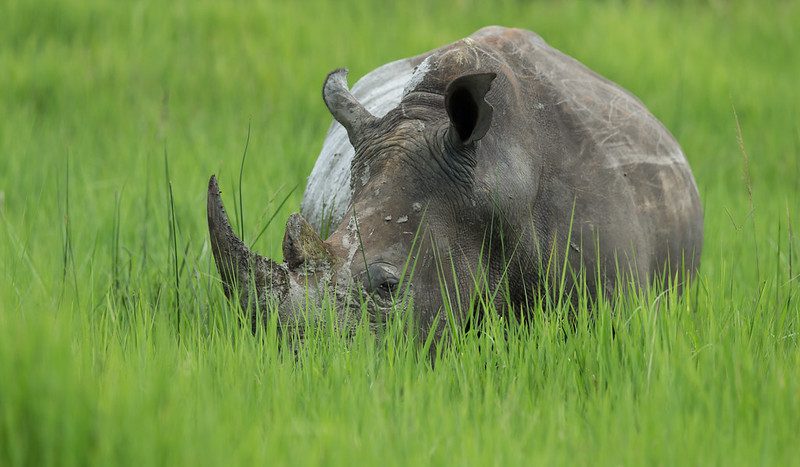
For further information, speak with your trip operator.
Before you venture into the bush, make sure you have a knowledgeable and experienced guide with you because all rhino tracking excursions are accompanied by a guide. Usually, the management will give you instructions; follow them.
Respect the habitat of rhinos by not littering or causing any damage to it.
To avoid disturbing the rhinos’ tranquility and causing them to become defensive and wish to attack you or hide for protection, move in silence and composure.
Pay close attention. Since rhinos tend to cover themselves with mud, you can miss them if you’re not paying close attention. Thus, be extremely perceptive and vigilant. You can even keep an eye out for scats, wallows, or rhino tracks. This shouldn’t be difficult because they are different because the Zziwa rhino sanctuary only has rhinos.
Keep a distance of 100 feet from the rhinos at all times. Avoid getting too close to the rhinos, even if you are tempted.
No kind of rhino tracking is permitted for children.
You can get out of the car for brief periods of time, but if you feel unsafe, get back in as soon as possible, or even better, stay in your car the entire time.
Dress in muted hues and avoid wearing too many perfumes for this encounter. in order to avoid drawing rhinos to you.
Avoid using flash cameras or cameras.
Ziwa Rhino Sanctuary: Rhino Tracking
Even if the rhinos approach your car, do not knock them down or beat them. Remain composed and bide your time till they leave. You should never forget that rhino safety and conservation come first.
Rhino tracking should be carried out under the supervision and direction of a rhino tracking guide for both your safety and the conservation of the rhinos.
It is not advisable to try rhino tracking alone. Since rhinos are among the “big five” mammals, their capacity to attack and kill is extremely high. The Zziwa Rhino Sanctuary is the year-round location for tracking rhinos in Uganda. You should budget for the half-day duration of this experience. Because the rhino tracking experience and a safari in Murchison Falls National Park are closely related, it makes sense to combine the two to get the most out of your safari.
Booking Your Rhino Tracking Permit
Rhino tracking permits can generally be arranged with shorter notice than gorilla or chimpanzee permits elsewhere in Uganda, though booking ahead through a local operator still ensures a guide and vehicle are ready for your preferred time slot. All in Africa Safaris can secure your permit alongside the rest of your Murchison Falls itinerary as a single coordinated booking.
Why These Rules Exist
Every guideline covered above, distance, silence, avoiding flash photography, exists specifically to protect both visitor safety and the wellbeing of a population that was rebuilt from near-total local extinction, meaning even small violations carry real consequences for a genuinely fragile conservation success story. Guides enforce these rules strictly not out of excessive caution but because Ziwa’s rhinos represent one of Uganda’s most hard-won wildlife recoveries.
What to Wear and Bring
Closed walking shoes with good grip, muted earth-toned clothing, and unscented sunscreen and insect repellent round out a sensible rhino tracking packing list, given the walking-based nature of the activity and the rules against strong scents. A pair of binoculars is worth bringing despite the required distance, since it allows closer observation of rhino behavior without needing to physically approach.
Best Time for Rhino Tracking
Ziwa Rhino Sanctuary offers rhino tracking year-round with consistently strong sighting rates, since the sanctuary’s protected boundary keeps the rhino population from ranging as widely or unpredictably as free-roaming wildlife elsewhere. The dry season does provide firmer, more comfortable walking conditions, though the activity remains genuinely viable regardless of when you visit.
Combining Rhino Tracking With Murchison Falls
Given Ziwa’s position directly along the main route between Kampala and Murchison Falls National Park, most itineraries build a rhino tracking stop into the day’s driving rather than treating it as a separate dedicated trip. All in Africa Safaris can sequence this stop efficiently into your wider Murchison Falls journey, minimizing extra travel time.
What Happens if a Rhino Approaches
Guides are trained specifically to manage situations where a rhino moves toward the group, typically by calmly repositioning visitors to maintain safe distance rather than provoking a reaction through sudden movement or noise. Trusting your guide’s judgment in these moments, rather than acting independently out of excitement or fear, is precisely why the strict guide-supervision rule exists in the first place.
The Age and Fitness Requirements Explained
The 15-year minimum age and reasonable fitness requirement reflect both the physical demands of tracking on foot across the sanctuary’s grassland and the genuine need for all participants to follow safety instructions quickly and reliably during an encounter. Travelers with younger children can still visit Ziwa Rhino Sanctuary’s grounds and facilities, though the tracking activity itself remains restricted to older, more capable participants.
Why Following These Rules Matters So Much
Ziwa’s rhino population represents one of Uganda’s clearest conservation recovery stories, rebuilt from a handful of founding animals after rhinos were declared locally extinct in the wild decades ago, making every visitor’s careful adherence to these rules a genuine contribution to the species’ continued protection. All in Africa Safaris can brief you fully on these guidelines before your visit, ensuring a safe and respectful tracking experience.
How Tracking Actually Works
Rangers monitor the sanctuary’s rhinos closely each day, tracking general movement patterns so that visiting groups can be guided efficiently toward a likely sighting rather than searching blindly across the sanctuary’s grassland. This daily monitoring is part of why Ziwa maintains such consistently strong sighting rates, well above what a comparable free-roaming wildlife tracking activity would typically achieve.
What Makes a Walking Encounter Different
Because rhino tracking happens entirely on foot rather than from a vehicle, the experience carries a genuinely different, more immersive quality than a standard game drive, visitors hear the sounds of the grassland directly and move at a pace dictated by the rhinos’ own location rather than a road network. This on-foot format is precisely why the safety rules covered throughout this guide matter so much more here than during a typical vehicle-based safari activity.
Additional Wildlife You Might Encounter
Beyond the rhinos themselves, Ziwa’s grassland and swamp habitat supports Uganda kobs, oribis, bushbucks, and waterbucks, along with a genuinely strong bird population that includes the prehistoric-looking Shoebill stork in the sanctuary’s surrounding wetlands. Many visitors combine their rhino tracking morning with a guided canoe excursion through these wetlands specifically to add a Shoebill sighting to the same short stopover.
Photography Etiquette During Rhino Tracking
The prohibition on flash photography exists specifically to avoid startling the rhinos at close range, meaning photographers should plan around natural light and adjust camera settings accordingly rather than relying on flash to compensate for low-light conditions. Early morning tracking sessions typically offer the softest, most flattering light for photography, one more reason the 08:00 to 10:00 am slot remains popular among visitors specifically prioritizing photography.
Why Muted Clothing and Scent-Free Preparation Matter
Rhinos rely heavily on smell rather than sight to detect potential threats, meaning strong perfumes or brightly colored clothing can draw unwanted attention or provoke defensive behavior in ways a vehicle-based safari encounter simply doesn’t risk. Following these seemingly minor dress guidelines is, in practice, one of the more important safety measures covered in this entire guide.
A Tracking Experience Worth the Preparation
Every rule outlined here exists to make rhino tracking both genuinely safe and genuinely sustainable for a population that took decades of dedicated conservation work to rebuild. All in Africa Safaris can prepare you fully for a rhino tracking morning that respects both your safety and Ziwa’s ongoing conservation mission.
Bringing These Rules Together on the Day
Your guide will walk through most of these rules again as part of the pre-tracking briefing, but arriving already familiar with the guidelines covered in this article lets you focus more fully on the encounter itself rather than absorbing new information in the moment. All in Africa Safaris can answer any remaining questions about these rules before your visit, ensuring you feel genuinely prepared for the experience ahead.
A Uniquely Ugandan Wildlife Encounter
Ziwa Rhino Sanctuary remains the only place in Uganda where this specific on-foot rhino encounter is possible, giving the experience a genuine sense of rarity within the country’s broader wildlife tourism offerings. Understanding and respecting the rules covered throughout this guide is what makes that rarity sustainable for future visitors as well.