Uganda Shoebill Guide: Everything You Need to Know in 2026
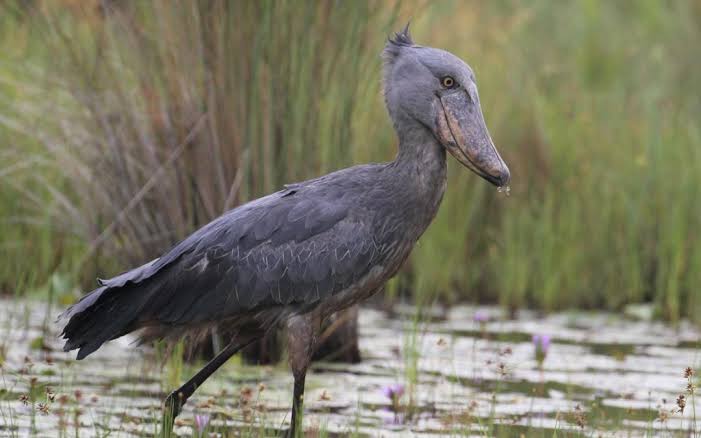
Seeing a shoebill in the wild is a special experience. This big bird is over a meter tall. Has a huge bill that looks like a shoe. It also has a stare that does not waver. For a lot of people who love animals and nature, seeing a shoebill is a dream come true. This Uganda Shoebill Guide is here to help you get ready for this experience. It will also tell you why Uganda is the place to see shoebills.
Uganda is a place to see animals because it has a lot of different kinds of plants and animals. It also has places where we can easily go to see them. While a lot of people like to see mountain gorillas, the wetlands in Uganda are home to one of the most interesting birds in the world. Seeing a shoebill is not a fun experience. It also shows us that when we take care of the wetlands, help the people, and have tourism that does not hurt the environment it can be very good for everyone.
Why Uganda Is the Best Place to See a Shoebill
There are a countries in Africa where you can see shoebills but Uganda is the best place to see them in the wild. This is because Uganda has a lot of wetlands with plants a lot of fish and places where birds can live without being bothered.
The wetlands in Uganda are very big. Go across lakes, rivers and marshes. This gives the shoebills a lot of places to hunt without being disturbed. In some places you might have to look for shoebills for days.. In Uganda guides can often find them in just a few hours. This makes Uganda the place where people from over the world want to go to see shoebills.
It is also very important that Uganda is working hard to protect the environment. The country is fixing the wetlands teaching people about nature and helping tourism that does not hurt the environment. When you visit you help these efforts by paying to get into the parks hiring guides and using canoe operators and businesses that are owned by the community.
The Best Places for Shoebill Sightings
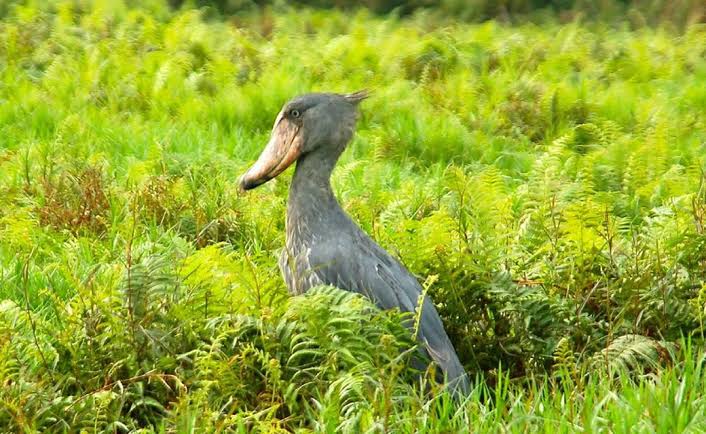
Mabamba Swamp is the famous place in Uganda to see shoebills. It is near Lake Victoria and people can see shoebills there all year round. You can take a wooden canoe through the swamp and see the birds in the tall plants.
It is very quiet and peaceful which means you can see a lot more than the shoebills. There are also kingfishers, herons and many other kinds of birds that live in the wetlands.
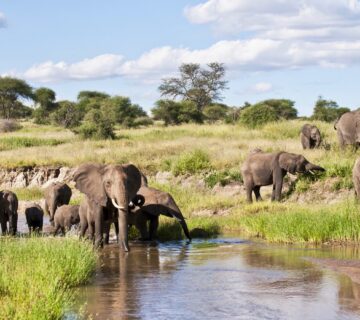
Murchison Falls National Park is another place to see shoebills. They like to live in the waters of the Nile Delta, where they can find a lot of food. If you take a boat ride through this area you can see the shoebills and also crocodiles, hippos, elephants and many other animals.
There are some places where you might be able to see shoebills, like the wetlands near Lake Albert, Semliki Wildlife Reserve and some marshes, in eastern Uganda.. You will probably need to spend more time and be patient if you want to see them in these places.
Understanding the Shoebill
One reason people become fascinated by shoebill is their appearance. Their enormous bills can reach 24 centimeters long and are perfectly adapted for catching slippery prey. Despite their intimidating look shoebill are patient hunters rather than aggressive predators.
They spend periods standing completely still carefully watching the water before launching a sudden powerful strike. Their primary diet includes lungfish, catfish, frogs, snakes and young crocodiles or water birds. This hunting strategy demands patience making every successful catch impressive to witness.
Shoebill are generally birds. Adults spend much of their lives alone except during breeding season. Their quiet nature and preference for wetlands make every sighting feel especially rewarding.
Best Time to Visit in 2026
The news for anyone planning a trip is that shoebill can be seen throughout the year. However weather conditions influence. Photography.
The drier months from December to February and June to August often provide the comfortable conditions for wetland excursions. Canoe routes remain easy to navigate skies are frequently soft morning light creates excellent photography opportunities.
Rainy seasons transform the wetlands into green landscapes that are equally beautiful. Although showers may interrupt activities occasionally birdlife becomes especially active. The scenery feels vibrant and full of life.
Morning excursions generally produce the success rates because shoebill are most active while temperatures remain cool.
H2: Planning Your Shoebill Excursion
Preparing well makes the experience more enjoyable. Comfortable outdoor clothing in colors helps you blend naturally into the environment. Bright clothing may disturb wildlife in quiet wetland areas.
Lightweight waterproof shoes, sunscreen, insect repellent, sunglasses and a wide brimmed hat all improve comfort during the excursion. Bringing drinking water is equally important on warm mornings.
Photography enthusiasts should carry telephoto lenses whenever possible. Although some shoebill allow close approaches maintaining respectful distances protects both the bird and the habitat.
Binoculars remain valuable for photographers because they allow you to appreciate subtle behaviors before reaching ideal camera range.
The Importance of Local Guides
Experienced guides make a difference during shoebill excursions. Their knowledge goes beyond identifying birds. Years spent navigating wetlands allow them to recognize feeding signs understand seasonal movements and interpret subtle behaviors that visitors would easily miss.
Many guides work closely with fishing communities, who often report recent shoebill activity. This cooperation improves sighting success while supporting families whose livelihoods increasingly depend on tourism rather than destructive wetland practices.
Guides also explain details, about wetland ecology, local traditions and conservation challenges turning a simple birdwatching trip into a richer educational experience.
Responsible Wildlife Tourism
As more people visit responsible tourism becomes more important. The future of Ugandas shoebills depends on protecting the ecosystems they live in.
Visitors should always stay quiet when they see the birds and avoid making movements that might scare the wildlife. Keeping a distance helps the birds carry out their normal activities without getting stressed.
Litter should never be left behind even if it can break down naturally. Wetlands are places where pollution can quickly harm fish and where birds nest.
Choosing guides who are licensed boats that are owned by the community and companies that focus on conservation makes sure that tourism helps the people who take care of these amazing places.
One visitor might seem small. Thousands of responsible travelers each year make a real difference for conservation.
Beyond the Shoebill
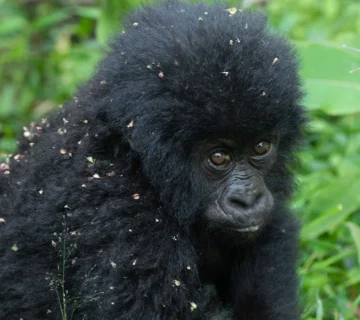
Even though the shoebill is the attraction Uganda has many other wildlife experiences. Many visitors mix their shoebill trips with gorilla treks, chimpanzee walks, traditional savannah safaris or boat rides on the Nile.
Bird lovers can easily see hundreds of species during a trip. Uganda has than half of all the bird species in Africa making it one of the best places for birdwatching on the continent.
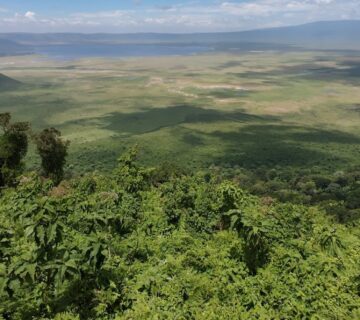
The countrys landscapes are very different. Old forests, mountains, big lakes, wide open grasslands and calm wetlands are all close to each other. This variety lets visitors see different places on one trip.
One of the surprises is how friendly the people of Uganda are. Local communities welcome visitors with kindness making every wildlife trip more special.
Conservation Gives Hope for the Future
Shoebills still have problems like losing their homes wetlands being drained, pollution being taken illegally and changes in the weather. These problems show that amazing wildlife needs places to live.
Luckily conservation work in Uganda is getting stronger. Government groups, conservation groups, scientists, local people and businesses that care about the environment are working together to protect wetlands.
Education programs teach people to see wildlife as something valuable for a long time not just for a short time. Eco tourism offers jobs that depend on keeping nature healthy of taking from it.
This teamwork gives hope that in the future people will continue to enjoy the excitement of seeing shoebills standing quietly in Ugandas papyrus marshes.
Whether you are a bird watcher, a professional wildlife photographer or someone looking for a special adventure Uganda Shoebill Guide: Everything You Need to Know in 2026 gives the starting point for a trip you will never forget. Every canoe ride through wetlands offers a chance to see one of natures most amazing birds and help protect the things that really matter.
The experience is more than checking off a bird. Watching a shoebill stay completely before moving quickly to catch something shows that waiting can be better, than always moving. It is a lesson that’s part of the way Ugandas wetlands work.
If you are looking for an African wildlife experience that includes rare birds, beautiful places, real conservation and friendly people Uganda Shoebill Guide: Everything You Need to Know in 2026 is the right place to start planning. With planning and responsible travel your trip can be a special moment and also help protect one of Africas most amazing natural wonders.