
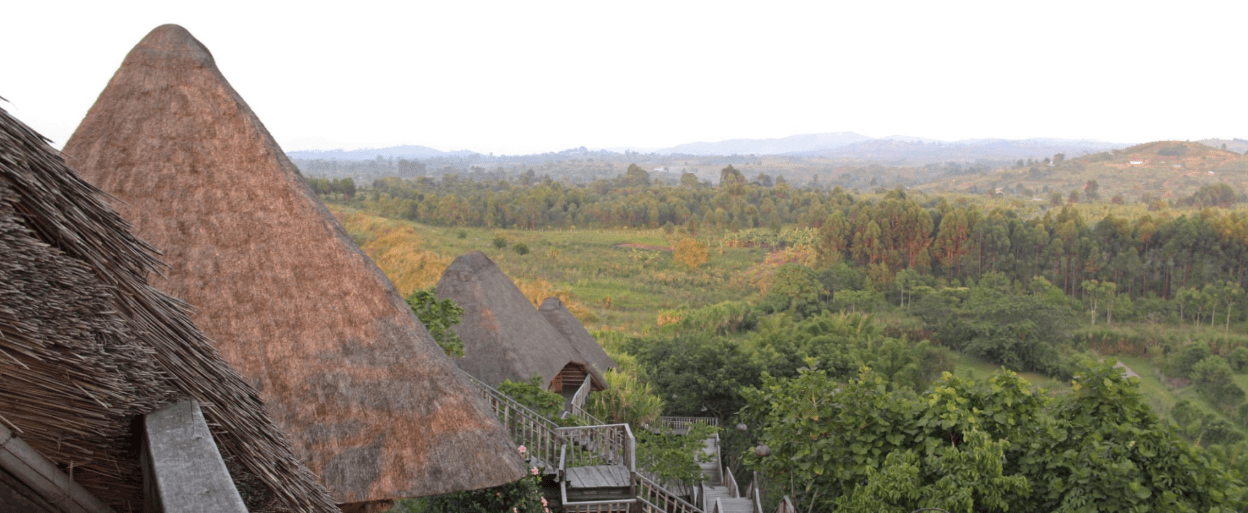
Uganda Eco-Tourism – Sustainable Travel: A Journey Towards Conservation and Empowerment
Hot Eco-Tourism – Sustainable Travel is not just a trend; it is a movement reshaping the way we explore the world while preserving its natural beauty. Uganda, often referred to as the “Pearl of Africa,” stands at the forefront of this movement, offering travelers an opportunity to experience breathtaking landscapes, diverse wildlife, and vibrant cultures—all while supporting conservation and community development.
Why Uganda is a Leader in Sustainable Travel
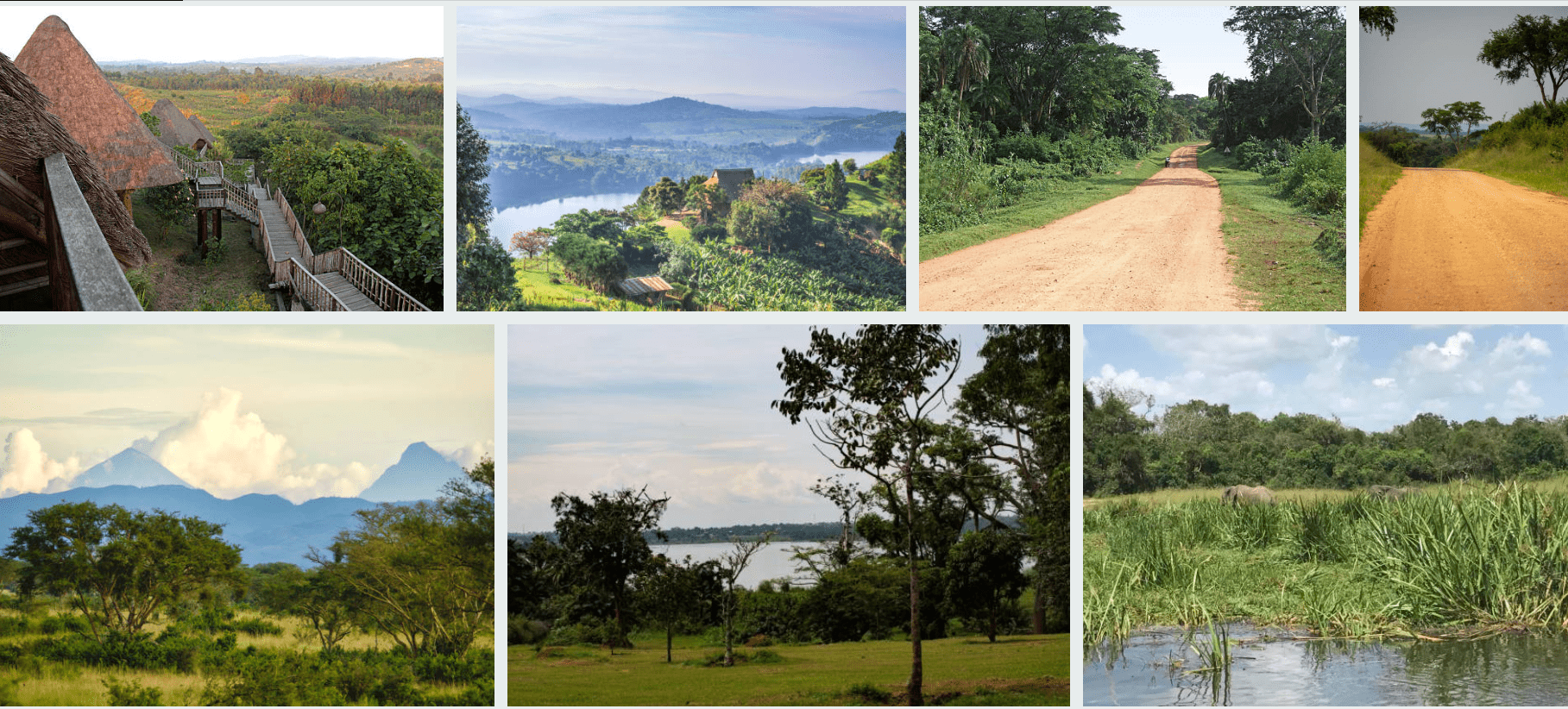
Uganda’s commitment to Hot Eco-Tourism – Sustainable Travel is evident in its vast network of national parks, community-based tourism initiatives, and eco-friendly lodges. Unlike mass tourism, which often exploits natural resources, Uganda’s approach ensures that tourism benefits both the environment and local communities.
1. Pristine National Parks and Wildlife Reserves
Uganda is home to some of Africa’s most spectacular national parks, including:
Bwindi Impenetrable National Park – A UNESCO World Heritage Site and sanctuary for endangered mountain gorillas.
Queen Elizabeth National Park – Famous for tree-climbing lions and diverse ecosystems.
Murchison Falls National Park – Where the Nile River explodes through a narrow gorge, creating a thunderous waterfall.
Kibale National Park – A primate paradise with over 13 species, including chimpanzees.
These parks are managed with strict conservation policies, ensuring that wildlife thrives while visitors enjoy ethical and low-impact tourism.
2. Community-Based Tourism Initiatives
One of the pillars of Hot Eco-Tourism – Sustainable Travel in Uganda is community involvement. Local communities are not just bystanders; they are active participants in conservation and tourism. Projects like:
The Batwa Cultural Experience – Indigenous Batwa people share their forest heritage and traditions.
Rwenzori Trekking Services – Locally owned guiding services in the Rwenzori Mountains.
Bigodi Wetland Sanctuary – A community-run eco-tourism site supporting education and healthcare.
These initiatives ensure that tourism revenue directly benefits the people who live near these natural wonders.
3. Eco-Friendly Accommodations
Uganda boasts a growing number of eco-lodges and sustainable accommodations, such as:
Chobe Safari Lodge – Uses solar energy and supports local conservation projects.
Clouds Mountain Gorilla Lodge – Built with sustainable materials and employs local staff.
Eco-Embrace Lodges – Focuses on zero-waste policies and organic farming.
By staying in these lodges, travelers minimize their carbon footprint while contributing to Uganda’s green economy.
The Impact of Sustainable Travel in Uganda
1. Wildlife Conservation Success Stories
Uganda’s commitment to Hot Eco-Tourism – Sustainable Travel has led to remarkable conservation achievements:
Mountain Gorilla Population Growth – Once critically endangered, gorilla numbers have increased due to strict protection and responsible tourism.
Lion and Elephant Recovery – Anti-poaching efforts in parks like Queen Elizabeth have stabilized populations.
Bird-Watching Haven – With over 1,000 bird species, Uganda is a top birding destination, promoting eco-friendly bird tourism.
2. Empowering Local Communities
Tourism revenue supports:
Education – Schools built with tourism funds provide better opportunities for children.
Healthcare – Clinics in remote areas are funded by eco-tourism proceeds.
Women’s Empowerment – Many lodges and tour companies prioritize hiring and training women.
3. Combating Climate Change
Uganda’s forests and wetlands act as carbon sinks. By promoting Hot Eco-Tourism – Sustainable Travel, the country helps combat deforestation and promotes reforestation projects.
How You Can Be a Responsible Traveler in Uganda
To support Hot Eco-Tourism – Sustainable Travel, consider these practices:
✔ Choose Ethical Tour Operators – Book with companies that prioritize conservation and fair wages.
✔ Respect Wildlife – Maintain a safe distance from animals and avoid feeding them.
✔ Support Local Businesses – Buy crafts from community markets and eat at locally owned restaurants.
✔ Minimize Plastic Use – Carry a reusable water bottle and avoid single-use plastics.
✔ Leave No Trace – Follow the principle of taking only photos and leaving only footprints.
The Future of Uganda’s Eco-Tourism
Uganda’s model of Hot Eco-Tourism – Sustainable Travel proves that travel can be a force for good. By choosing sustainable options, visitors help protect endangered species, uplift communities, and preserve Uganda’s natural wonders for future generations.
As you plan your next adventure, remember that every responsible choice you make contributes to a brighter, greener future. Uganda awaits—not just as a destination, but as a partner in global conservation.
Travel Sustainably. Explore Consciously. Protect Uganda’s Legacy.
Why Choosing a Conservation-Focused Operator Genuinely Multiplies Your Trip’s Impact
Booking with operators who reinvest in local communities and habitat protection genuinely turns an ordinary safari into a direct contribution to Uganda’s conservation efforts. All in Africa Safaris can build a sustainable, community-focused itinerary around your travel priorities.
What Makes Gorilla Trekking Genuinely the Clearest Example of Tourism-Funded Conservation
Permit revenue directly funding ranger patrols and habitat protection genuinely demonstrates how tourism dollars translate into measurable conservation outcomes.
Why Community-Run Sites Like Bigodi Genuinely Deserve a Place on Your Itinerary
Visiting locally managed wetland and cultural sites genuinely ensures tourism revenue reaches the communities living alongside Uganda’s protected areas, not just large operators.
How Solar-Powered Lodges Genuinely Reduce a Safari’s Environmental Footprint
Renewable energy at properties like Chobe Safari Lodge genuinely cuts reliance on diesel generators common at less sustainability-focused accommodations. All in Africa Safaris can prioritize eco-certified lodges throughout your Uganda itinerary.
Why Uganda’s 1,000-Plus Bird Species Genuinely Support a Growing Birding Tourism Sector
This exceptional diversity genuinely creates sustainable income streams for local guides and communities specifically built around eco-friendly birding tourism.
What Makes the Batwa Cultural Experience Genuinely More Than a Standard Cultural Stop
Sharing forest heritage directly from displaced indigenous communities genuinely gives travelers historical context alongside a meaningful income source for the Batwa people.
Why Reducing Plastic Use Genuinely Matters More in Remote Park Areas
Limited waste management infrastructure near many parks genuinely makes visitor choices around single-use plastics a real, practical conservation factor. All in Africa Safaris can advise on practical sustainable travel practices for your Uganda trip.
How Anti-Poaching Success Stories Genuinely Reflect Sustainable Tourism’s Broader Value
Stabilized lion and elephant populations in parks like Queen Elizabeth genuinely show how consistent tourism revenue funds long-term wildlife protection.
Why Women’s Empowerment Programs Genuinely Strengthen Local Tourism Economies
Lodges and operators prioritizing women in hiring and training genuinely build more resilient, community-rooted tourism economies around Uganda’s parks.
What Makes Rwenzori Trekking Services Genuinely a Model for Local Ownership
Locally owned guiding operations genuinely keep a larger share of trekking revenue within the communities surrounding the Rwenzori Mountains. All in Africa Safaris can connect you with locally owned guiding services across your itinerary.
Why Forest and Wetland Conservation Genuinely Extends Beyond Wildlife Protection
Uganda’s carbon-absorbing forests and wetlands genuinely play a climate role that reaches well beyond the immediate benefit to resident wildlife populations.
How Choosing Locally Owned Restaurants Genuinely Extends Your Trip’s Community Impact
Spending on local businesses genuinely keeps a larger share of your travel budget circulating within Ugandan communities rather than leaving the local economy entirely.
Why Chimpanzee Trekking in Kibale Genuinely Follows the Same Sustainable Model
Permit fees supporting habitat protection and community programs genuinely mirror gorilla trekking’s conservation-funding structure, extending the same model to primate tourism more broadly. All in Africa Safaris can build a primate-focused sustainable itinerary spanning Bwindi and Kibale.
What Makes Queen Elizabeth’s Tree-Climbing Lions Genuinely a Conservation Success Story
Sustained anti-poaching investment funded partly by tourism revenue genuinely explains why this unique lion behavior remains observable for visitors today.
Why Murchison Falls’ Boat Cruises Genuinely Demonstrate Low-Impact Wildlife Viewing
Water-based game viewing genuinely reduces the physical footprint on fragile riverbank habitats compared to extensive vehicle-based game drives alone.
How Reforestation Projects Genuinely Reverse Decades of Forest Loss
Community-led tree-planting initiatives genuinely help restore habitat corridors connecting fragmented forest reserves across Uganda’s protected areas. All in Africa Safaris can share which lodges and operators actively support reforestation efforts.
Why Choosing Fair-Wage Operators Genuinely Affects Long-Term Community Wellbeing
Operators paying guides and staff fairly genuinely build more stable, motivated tourism workforces than those competing purely on lowest price.
What Makes Uganda’s UNESCO Sites Genuinely Central to Its Conservation Identity
Bwindi’s World Heritage status genuinely brings international recognition and additional conservation funding that a standard national park designation alone wouldn’t attract.
Why Responsible Wildlife Viewing Distances Genuinely Protect Both Visitors and Animals
Maintaining proper distance from gorillas, chimpanzees, and other wildlife genuinely reduces disease transmission risk and stress on habituated animal populations. All in Africa Safaris can brief you on responsible wildlife viewing practices before every activity.
How Eco-Certified Lodges Genuinely Signal Real Sustainability Commitments
Third-party certification genuinely helps travelers distinguish lodges with substantive environmental practices from those using sustainability as marketing language alone.
Why Small Group Sizes Genuinely Support Both Conservation and Guest Experience
Limiting visitor numbers per gorilla or chimpanzee group genuinely protects habituated animals from stress while giving each traveler a more personal, unhurried encounter. All in Africa Safaris can plan small-group itineraries that prioritize both conservation and comfort.
Why Traveling Sustainably in Uganda Genuinely Sets a Regional Example
Other East African destinations genuinely look to Uganda’s community-tourism model when developing their own conservation-linked travel programs.
Planning Your Sustainable Uganda Safari
From gorilla permit-funded conservation to community-run cultural sites, Uganda genuinely offers one of Africa’s clearest models for tourism that gives back to the land and people. All in Africa Safaris can turn this overview into a fully confirmed, sustainability-focused itinerary tailored to your travel dates and values.
