
Solo Birding in East Africa: Is It Safe and Worth It?
There is something special about going into the wild by yourself. When you travel alone to see birds, you notice every sound; every move in the bushes is important, and every quiet moment gives you time to think about the place you’re in. East Africa is a place for this kind of trip, with Uganda, Kenya, Tanzania, and Rwanda having forests, wetlands, savannahs, lakes, mountains, and high places with lots of birds. Many people who love nature wonder if it is safe and worth it to go birding in East Africa. The answer is yes if you plan carefully, know what is going on locally, and know when to get help from someone who knows what they are doing.
Why Solo Birding Appeals to Nature Lovers
Birding gives you control over your time. You can get up before the sun rises because some birds are most active at that time, spend time by a wetland that has a lot of birds, or stay quiet in a forest when other people have already left. You do not have to change your schedule to fit in with a group. You can focus on the birds and places that interest you the most.
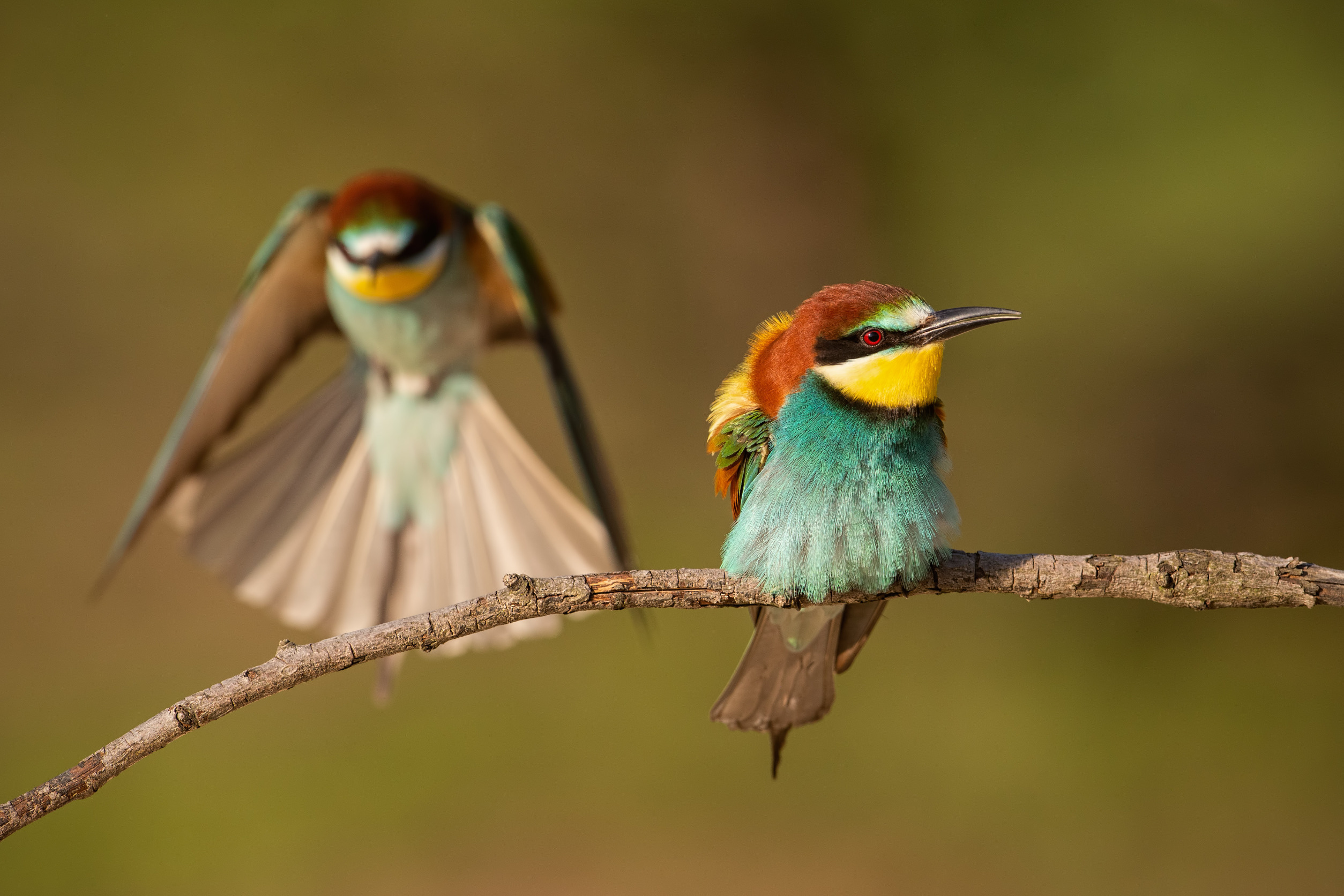
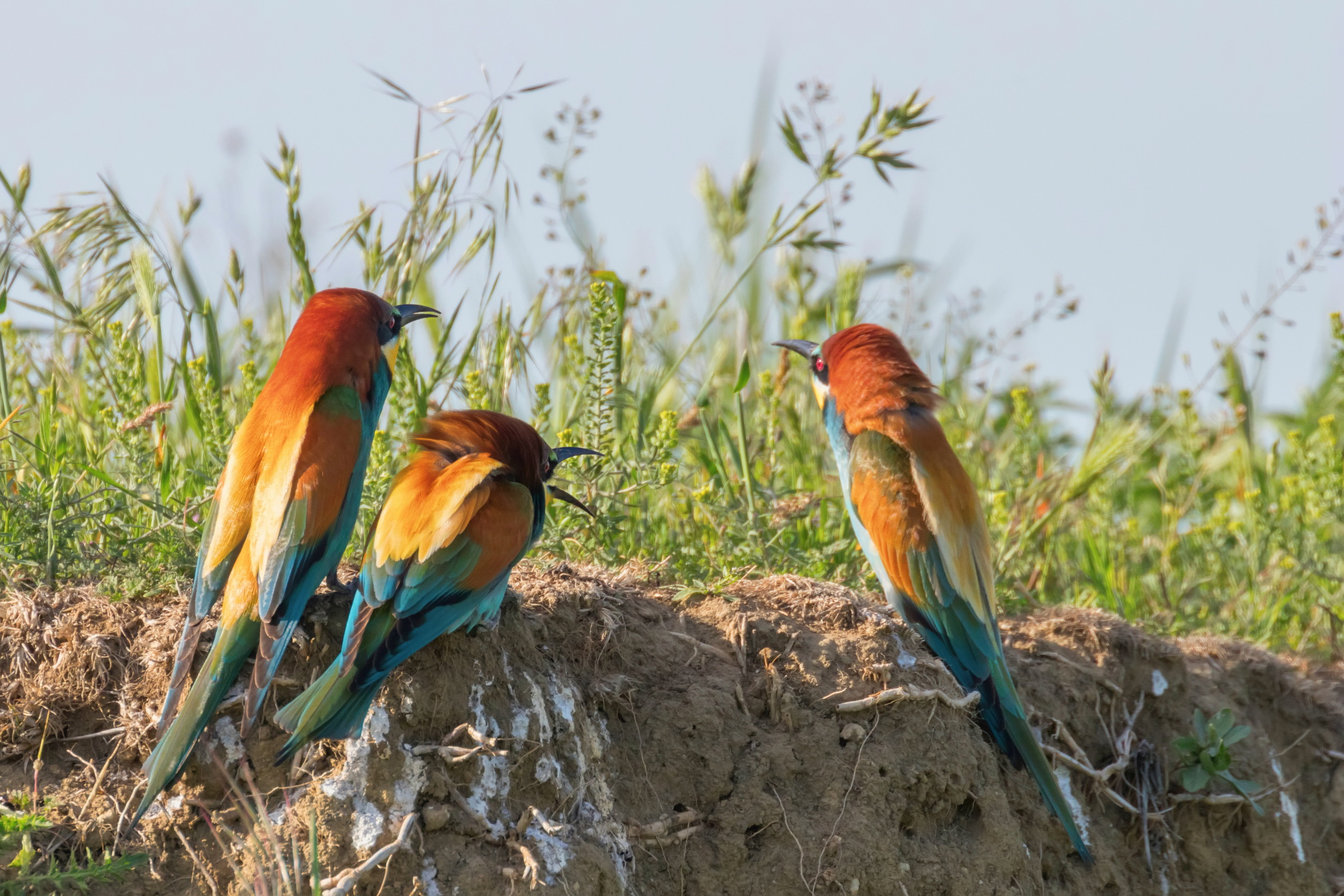
This freedom makes birding feel more like it is for you. You might spend one morning looking for birds in a forest and another afternoon watching birds of prey over grass. If you see a Great Blue Turaco, African Fish Eagle, or Red-throated Bee-eater, it can be a moment that you will remember long after your trip is over. Traveling alone also helps you be patient because you are more likely to follow your ideas rather than doing what someone else wants.
East Africa is a place for solo birding because many places have good tourism infrastructure. Uganda has places to go birding around national parks, wetlands, forests and lakes. Kenya has different kinds of habitats from the coast to the Rift Valley and the north. Rwanda has routes with good birding in forests and high places while Tanzania has places with many birds and some of Africas most famous wildlife areas.
Is Solo Birding Safe in East Africa?
Safety does not depend on whether you’re alone or not it depends on how you travel. If you plan carefully solo birding can be safe. You have to be careful and prepared when you are in wild places. You should never think that a beautiful trail quiet road or empty viewpoint is automatically safe to explore by yourself.
Choose Your Birding Areas
Start with places that have good infrastructure for visitors clear rules for getting in and experienced guides who can help you when you need it. National parks and established birding sites are usually easier to manage than areas where it might be hard to get around communicate or get help in an emergency.
Before you go to a place ask about the condition of the roads the rules for getting in the weather, what the wildlife is doing and where it is safe to walk. Things can change quickly during the rainy season. A road that was easy to drive on a weeks ago might be hard to drive on after a lot of rain.
You also have to be careful around wildlife. Never walk through an area where there might be animals like elephants, buffalo or hippos, without knowing the rules. In some places you have to walk with a ranger or a trained guide. Always follow the rules of the park even if you really want to get to a birding spot.
Be Smart About Transportation
Transportation is another consideration for independent travelers. Long distances between birding sites can involve roads, changing weather and limited public transport. Hiring a driver for certain sections of your trip can provide greater security and save valuable birding time.
If you rent a vehicle understand the road conditions before setting out. Avoid driving rural roads after dark especially when wildlife, pedestrians, livestock or poor visibility may create hazards. Keep your phone charged. Carry offline maps because mobile coverage can vary considerably between regions.
How to Prepare for a Solo Birding Trip
Preparation can make the difference between a journey and a rewarding one. Before departure research your target species, seasonal conditions, park regulations, accommodation options, transport routes and local birding contacts.
Create an itinerary rather than trying to cover too much ground. Moving every day may sound productive. Constant travel reduces the time available for actual observation. Spending two or three nights in one area often gives you opportunities to understand the habitat and find species that you might miss during a rushed visit.
A good field guide, binoculars, a charged phone, power bank, notebook, water bottle, sun protection, insect protection and suitable walking clothing should be part of your kit. You should also carry copies of travel documents and keep someone informed about your daily movements.
Local knowledge is extremely valuable. Even if you prefer to travel consider hiring a birding guide for specific locations. A knowledgeable guide can recognize calls identify difficult species locate birds hidden in dense vegetation and understand where particular species are usually found. You can then continue independently in areas where you feel comfortable.
Making the Most of Uganda, Kenya, Rwanda and Tanzania
Each country offers a character of birding so your choice should reflect your interests. Uganda is especially attractive for travelers seeking variety in a compact journey. Forests such as Bwindi and Kibale provide opportunities for species while wetlands and open country add completely different birding experiences.
Kenya is an option if you want to combine birding with varied landscapes and abundant wildlife. The Rift Valleys lakes can produce waterbird sightings while coastal habitats, forests and dry northern regions offer their own distinctive species.
Rwanda can suit solo travelers who prefer travel distances and organized tourism infrastructure. Its mountain forests and wetlands support a range of birds and the countrys compact size can make route planning easier.
Tanzania offers landscapes and excellent opportunities for combining birding with broader wildlife experiences. However some areas are remote making drivers, guides or organized arrangements particularly useful.
When a Guide Is the Better Choice
Solo birding does not mean you must handle every part of the trip. In fact combining independence with expertise can produce the best experience. You might arrange your international travel and accommodation then book a local guide for a forest walk, wetland excursion or national park visit.
A guide becomes especially valuable when you are targeting species or visiting habitats where safety procedures are strict. If your goal is to build a life list local expertise can also save hours of searching.
Know Your Personal Limits
Your confidence and experience should influence how independently you travel. An experienced birder who regularly hikes alone may be comfortable with trails while someone visiting Africa for the first time may benefit from more support.
Listen to advice even when it changes your original plans. If a ranger recommends avoiding a trail because of wildlife activity or poor conditions choose another location. You will have more birding opportunities and there is little value, in taking unnecessary risks.
Is the Experience Worth It?
For people who love birds going birding by yourself in East Africa is something that gets easier to do after you have tried it. You get to feel really good about starting your day hearing the birds sing in the trees and finding out what kind of birds live in that area.
You might remember where you saw a new kind of bird what it sounded like when birds were flying through the trees or when a big bird showed up in the sky. These things can mean more to you because you got to see them on your own.
Traveling by yourself also helps you pay attention to things closely. When you are not talking to someone all the time you might notice things like birds moving sounds that are far away how the light is changing what birds are eating and how they interact with each other. Birding is not just about seeing how birds you can find it is about understanding what is going on around you.
Practical Tips for a Journey
Before you leave in the morning check what the weather will be like and make sure you have a way to get where you are going. Tell someone where you are going. When you will be back. Do not show off your camera equipment in busy areas and keep your stuff safe.
Use hotels and transportation services follow the rules and respect the local people. Try to learn a words in the local language. Saying hello or thank you can make it easier to talk to people.
The important thing is to be flexible. The weather might change the roads might be bad. You might not be able to get to the place you wanted to go birding. Do not get frustrated just go with it. East Africa has a lot of places and birds to see so you will always find something to do.
Start Your Journey With Confidence
For someone who’s prepared birding by yourself in East Africa can be safe and very rewarding. The key is to be independent but plan ahead and get help from local people when you need it.
You do not have to be alone the time you are traveling to enjoy birding by yourself. Choose where you go carefully learn the rules about wildlife use transportation services and hire a guide if you need one. Give yourself time in each place stay awake and let the area you are in determine how fast or slow you go.
The best birding trips often start with being curious. East Africa gives you a lot of reasons to be curious whether you are looking for birds in the forest waterbirds in the wetlands or big birds flying over the plains. If you prepare and respect the environment traveling by yourself can be a way to have a personal birding adventure.
Birding by yourself in East Africa: Is It Safe and Worth It? It really depends on what you think is an adventure. If you like being free observing quietly having a schedule and really connecting with nature then it can be a great way to see the area. Plan ahead know when to ask for help and give yourself permission to slow down. Your next big bird sighting might be waiting for you on a trail, in the morning.
