
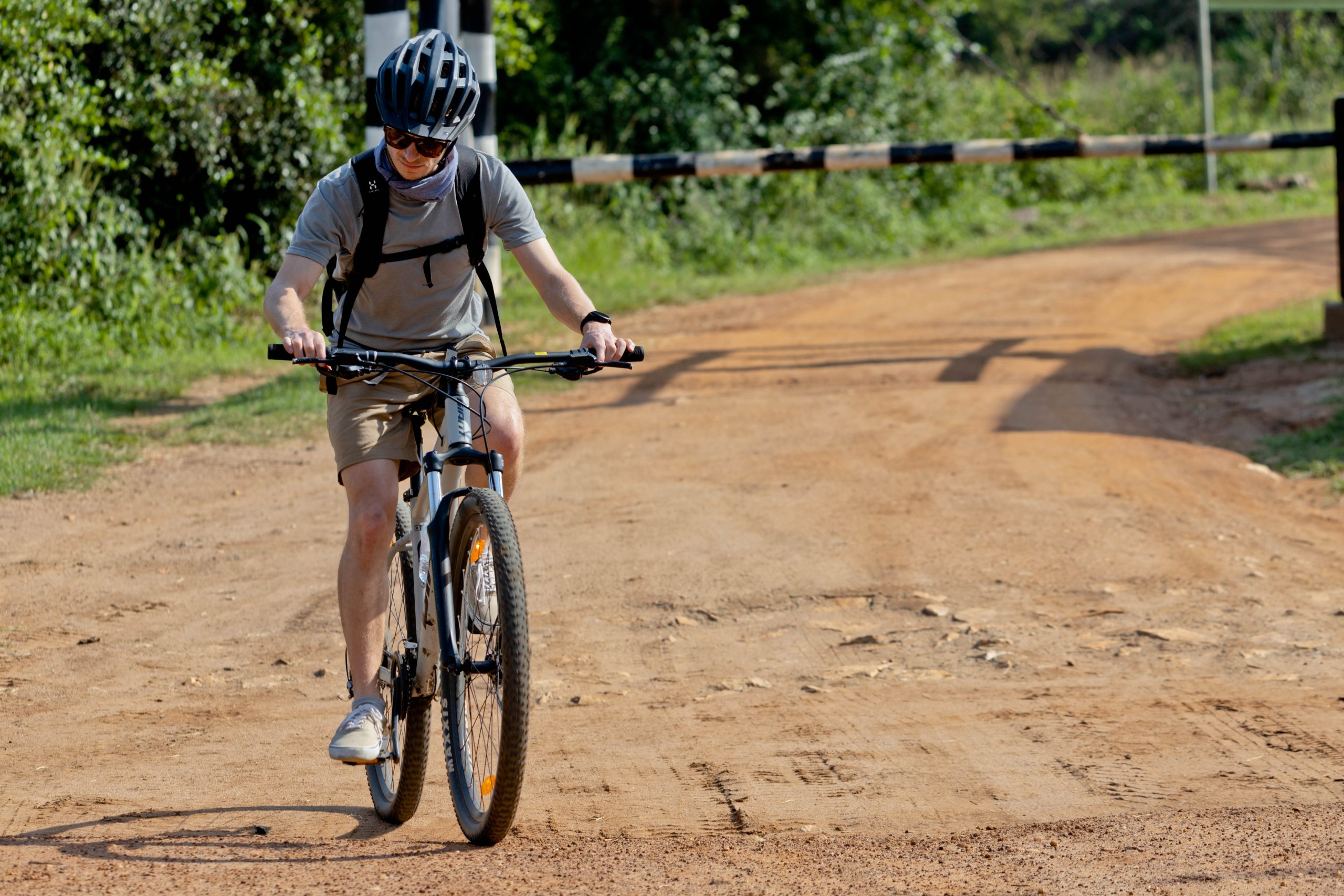
Safari for First-Time Visitors: What to Know Before You Go
A first safari is an opportunity to experience wildlife in its natural environment, explore beautiful landscapes and discover a different side of Africa. From watching elephants cross the savannah to seeing lions resting beneath trees, a safari can create memories that last a lifetime. However, if you have never been on one before, you may have questions about where to go, what to pack, how much to budget and what to expect during the journey.
East Africa is an excellent region for first-time safari visitors because it offers a wide range of wildlife experiences, landscapes and accommodation options. Uganda is known for its mountain gorillas, chimpanzees and savannah wildlife. Kenya and Tanzania are famous for their expansive plains and large herds of animals, while Rwanda offers gorilla trekking, forest experiences and opportunities to explore the countryside.
Planning your first safari does not need to be complicated. The key is to understand how safaris work, choose a destination that suits your interests, select reliable travel arrangements and prepare for the conditions you will encounter. With the right information, you can enjoy your journey with greater confidence and make the most of every day in the wilderness.
What Is a Safari?
A safari is a guided or independently organised journey that allows visitors to explore wildlife areas, national parks, conservation areas and other natural environments. Although the word is often associated with game drives, safaris can include several activities depending on the destination.
A traditional wildlife safari usually involves travelling through a national park or reserve in a specially equipped vehicle. A trained guide helps you identify animals, understand their behaviour and learn about the ecosystem. Depending on the park, you may encounter elephants, giraffes, zebras, buffaloes, antelopes, hippos, crocodiles and different species of predators.
Some safaris also include boat trips, guided nature walks, birdwatching and cultural visits. In Uganda and Rwanda, travellers can add mountain gorilla trekking or chimpanzee tracking to their itineraries. These activities require specific arrangements and follow rules designed to protect wildlife and visitors.
A safari is different from visiting a conventional zoo because animals are observed in their natural habitats. Wildlife sightings are never guaranteed, and animals move freely through their environment. This unpredictability is part of the experience, making patience and flexibility important qualities for every visitor.
Choose the Right Safari Destination
Your destination determines the wildlife you are likely to encounter, the activities available, the type of landscape you will explore and the overall cost of your trip. Before choosing a country, consider what you most want to experience.
Uganda for Wildlife and Primate Experiences
Uganda offers a combination of savannah wildlife, tropical forests, lakes, rivers and primate experiences. It is particularly suitable for travellers who want to combine traditional game drives with chimpanzee tracking or mountain gorilla trekking.
Queen Elizabeth National Park is known for its varied habitats, elephants, buffaloes, antelopes and boat trips along the Kazinga Channel. Murchison Falls National Park offers savannah wildlife, river scenery and views of the powerful Murchison Falls. Kibale National Park is famous for chimpanzee tracking, while Bwindi Impenetrable National Park is one of the main destinations for mountain gorilla trekking.
A first-time visitor can choose a short wildlife safari or combine several destinations into a longer itinerary. However, travel distances should be considered carefully because road journeys between parks can take several hours.
Kenya for Classic Savannah Safaris
Kenya is a popular choice for visitors who want to see large mammals in open grasslands. The Maasai Mara National Reserve is known for lions, cheetahs, elephants and the seasonal movements associated with the Great Migration. Amboseli National Park is famous for its elephant populations and views towards Mount Kilimanjaro.
Other destinations, including Tsavo and Lake Nakuru, offer different landscapes and wildlife experiences. Depending on your interests, you can choose a short safari focused on one reserve or a longer journey through several parks.
Kenya is also suitable for visitors who want to combine a wildlife safari with time in Nairobi or a beach holiday along the coast.
Tanzania for Extensive Wildlife Viewing
Tanzania offers some of East Africa’s best-known wildlife destinations, including Serengeti National Park, the Ngorongoro Conservation Area and Tarangire National Park.
The Serengeti is known for its extensive grasslands, predators and large herds of grazing animals. The Ngorongoro Conservation Area offers dramatic volcanic scenery and excellent opportunities for wildlife viewing, while Tarangire is particularly associated with elephants and distinctive baobab landscapes.
A Tanzanian safari can be ideal for visitors who want to spend several days exploring wildlife areas. However, distances between parks can be considerable, so it is important to balance the number of destinations with the time available.
Rwanda for Gorilla Trekking and Forest Adventures
Rwanda is particularly appealing to travellers interested in mountain gorillas, forest landscapes and carefully planned nature experiences. Volcanoes National Park is the main destination for mountain gorilla trekking, while Nyungwe National Park offers chimpanzee tracking and other forest activities. Akagera National Park provides a savannah safari experience.
Visitors can combine a wildlife trip with time in Kigali or a visit to Lake Kivu. Because Rwanda is relatively compact, some itineraries involve shorter road transfers than journeys covering several distant parks in other countries. Actual travel times still depend on the route and road conditions.
How Many Days Should Your First Safari Last?
The ideal safari length depends on your destination, budget and the activities you want to include. A short trip can provide a rewarding introduction to wildlife viewing, while a longer itinerary allows you to explore different habitats and spend more time in the parks.
A two- or three-day safari may be suitable if you have limited time and want to visit one main wildlife destination. This type of trip can work well for visitors who are already in East Africa or who want to add a safari to a business trip or city break.
A four- to six-day itinerary provides more flexibility. You may be able to visit two destinations, enjoy several game drives and include a boat trip or cultural activity without rushing through every stop.
A week or longer allows you to explore a wider range of landscapes. For example, a Uganda itinerary might combine savannah wildlife with chimpanzee tracking or gorilla trekking. A Kenya or Tanzania trip could include several national parks, provided the driving distances and accommodation arrangements are realistic.
For a first visit, it is generally better to spend enough time in a smaller number of destinations than to attempt too many parks in a short period. Excessive driving can leave you tired and reduce the time available for wildlife observation.
Understand What Happens During a Game Drive
Game drives are one of the main activities on a traditional safari. They usually take place in the early morning or late afternoon, when conditions may be suitable for observing animals and the light can be particularly attractive for photography.
Your guide drives through authorised park routes while looking for wildlife. Some animals may be easy to spot, while others require patience and careful observation. Guides often communicate with other authorised guides to share information about sightings, following park regulations.
You may spend time watching a herd of elephants, observing antelopes feeding or waiting quietly while a predator moves through the grass. Sometimes the most memorable experiences are brief, while other sightings allow you to observe animal behaviour for an extended period.
It is important to understand that guides cannot control where animals go. A safari operator should never promise guaranteed sightings of specific species. Even in well-known wildlife destinations, the outcome of a game drive depends on animal movements, weather, habitat conditions and chance.
Bring binoculars if possible, especially if you enjoy birdwatching or want to observe animals at a distance. Listen to your guide, avoid making unnecessary noise and allow everyone in the vehicle an opportunity to enjoy the sightings.
What Is the Best Time to Go on Safari?
The best time for a safari depends on the country, park, weather conditions and wildlife experiences you want to prioritise. East Africa has seasonal variations, but wildlife viewing is possible throughout much of the year.
During drier periods, vegetation may become less dense and animals may gather around available water sources. These conditions can make some species easier to spot in certain parks. However, dry-season travel can also attract more visitors, increase accommodation prices and make popular destinations busier.
Rainy periods can bring greener landscapes, seasonal flowers and excellent opportunities for birdwatching. Some animals give birth during periods when food is plentiful, depending on the species and location. On the other hand, heavy rain can affect road conditions, and certain activities may become more difficult.
The Great Migration in Kenya and Tanzania follows changing rainfall and grazing conditions rather than a fixed timetable. The location of the herds varies throughout the year, so travellers should research seasonal patterns before selecting dates.
For gorilla trekking in Uganda and Rwanda, visits are possible throughout the year, subject to permit availability and park conditions. Forest trails can be slippery after rain, so appropriate footwear and a reasonable level of fitness are important.
Instead of searching for one perfect month, choose a period that suits your priorities, budget and available time. A reliable tour operator can help you understand the seasonal conditions at your preferred destination.
What Should You Pack for Your First Safari?
Packing for a safari is easier when you focus on comfort, practicality and protection from the weather. You do not need to purchase an entirely new wardrobe, and expensive safari clothing is not essential for most visitors.
Choose lightweight, comfortable clothing that allows you to move easily. Neutral colours such as khaki, beige, olive, brown and grey are practical for wildlife activities, although there is no need to replace every item of clothing you own. Long trousers and long-sleeved shirts can help protect your skin from the sun and insects.
Early-morning game drives can be surprisingly cool, particularly in open vehicles or at higher elevations. Bring a fleece, light jacket or warm layer that you can remove as temperatures rise. A rain jacket is useful when travelling during wetter periods.
Comfortable closed shoes are suitable for many safari activities. If your itinerary includes gorilla trekking, chimpanzee tracking or guided forest walks, choose sturdy footwear with good grip and check the specific recommendations for the activity.
Other useful items include a hat, sunglasses, sunscreen, insect repellent, personal medication, a reusable water bottle and a small day bag. Binoculars can improve wildlife viewing, while a camera or smartphone helps you record your experiences.
Carry spare batteries or a power bank if you expect to spend long periods away from charging facilities. Soft luggage may be preferable when travelling in small safari vehicles or light aircraft, where baggage dimensions and weight restrictions can apply.
Pack according to your actual itinerary rather than bringing equipment for activities you have not booked. Your tour operator can provide destination-specific advice before departure.
What Should You Wear on Safari?
Safari clothing should be comfortable and suitable for changing temperatures. You will spend time sitting in a vehicle, entering and leaving accommodation and possibly participating in outdoor activities.
Neutral colours are practical because they show less dust than some lighter fabrics and fit naturally into the outdoor setting. Avoid clothing that is uncomfortable in hot weather or restricts movement. Bright clothing is not automatically prohibited on a game drive, but subdued colours are generally a practical choice.
A warm layer is particularly useful for early departures. Temperatures can rise considerably later in the day, so wearing several light layers is often more comfortable than relying on one heavy garment.
For gorilla trekking, clothing should provide protection against branches, insects and vegetation. Long trousers, long sleeves, sturdy hiking boots and appropriate rain protection are useful. Follow the specific guidance provided by park authorities and your trekking operator.
Camouflage-style clothing should be avoided because it may be restricted or inappropriate in some countries. When in doubt, choose ordinary outdoor clothing rather than military-style patterns.
There is no need to buy expensive designer safari outfits. Practical clothing that suits the weather and activities is usually sufficient.
How Much Does a Safari Cost?
Safari prices vary widely depending on the country, length of stay, accommodation category, group size, transport arrangements and activities included. A budget camping trip can cost considerably less than a private luxury safari with high-end lodges and domestic flights.
The main expenses usually include accommodation, park entry fees, transport, a driver-guide, meals and game drives. Special activities, such as mountain gorilla trekking, chimpanzee tracking or hot-air balloon safaris, may involve additional fees or permits.
Travelling in a group can reduce the cost per person because some transport and guiding expenses are shared. Solo travellers may pay more for a private vehicle or a room designed for two guests, although some operators offer scheduled group departures or reduced single supplements during selected periods.
When comparing quotations, check exactly what is included. One price may cover park fees, meals and transfers, while another may exclude some of these expenses. Ask about accommodation names, vehicle arrangements, optional activities, tips and cancellation conditions.
You should also set aside money for personal expenses, drinks that are not included, souvenirs and any additional activities you decide to book. A clear budget makes it easier to choose a safari that matches your expectations without unnecessary financial pressure.
The cheapest offer is not always the best value. Reliable transport, suitable accommodation, experienced guiding and transparent booking terms are important parts of a successful trip.
Should You Choose a Private or Group Safari?
First-time visitors often wonder whether to book a private safari or join a group. Both options have advantages, and the right choice depends on your budget, interests and preferred travel style.
A private safari gives you more control over the itinerary. You can discuss your interests with the operator, spend longer at selected wildlife sightings when conditions permit and choose accommodation that suits your preferences. This option is particularly useful for families, couples and travellers with specific interests in photography or birdwatching.
A group safari brings several travellers together on a shared itinerary. It can be more affordable and provides opportunities to meet people, share experiences and enjoy the trip with others. However, the schedule is usually less flexible because activities must accommodate the group.
Some travellers choose a combination of both options. For example, you might arrange private transfers between destinations while joining shared game drives at a lodge. This approach can balance convenience, cost and social interaction.
Before booking, ask how many people will share the vehicle, whether the departure is confirmed and what happens if the group size changes. Understanding these details helps prevent disappointment when you arrive.
What to Expect From Safari Accommodation
Safari accommodation ranges from basic campsites and budget lodges to comfortable tented camps and luxury properties. The word “tent” does not necessarily mean rough camping. Some tented camps have proper beds, private bathrooms and dining areas, while other facilities are much simpler.
Budget accommodation is suitable for travellers who prioritise affordability and spend most of their time on activities. Mid-range lodges often provide private rooms, restaurants and comfortable common areas. Luxury camps may offer spacious tents, personalised service, premium dining and additional facilities.
The best choice depends on your budget and the experience you want. Consider the location of the property as well as its price. Accommodation near a park entrance or within an authorised wildlife area may provide convenient access to game drives, although fees and access conditions vary.
Ask whether meals, drinking water, laundry and Wi-Fi are included. Mobile network coverage can be limited in remote locations, and charging facilities may differ between properties.
It is also useful to understand the daily schedule. Some lodges arrange early-morning game drives, while others provide different activity options. If you have special dietary needs, accessibility requirements or other preferences, communicate them before booking.
Follow Wildlife Safety Rules
Wild animals are not domesticated, even when they appear calm or are accustomed to vehicles. Their behaviour can change quickly, and visitors must respect the rules established by park authorities and professional guides.
During game drives, remain inside the vehicle unless your guide confirms that you are in an authorised place to leave it. Do not attempt to approach, touch, feed or call animals. Avoid shouting or making sudden movements that could disturb wildlife.
If an elephant, buffalo or another large animal approaches the vehicle, follow your guide’s instructions. Never ask the driver to move closer simply to obtain a better photograph.
At lodges and camps located in wildlife areas, listen carefully to staff instructions about walking after dark and moving between rooms or communal buildings. Some animals may pass near accommodation, and certain locations require an escort after sunset.
During boat trips, walking activities and primate experiences, follow the safety briefing and remain within the designated areas. Do not swim in lakes or rivers where dangerous wildlife or waterborne diseases may be present unless local authorities have specifically confirmed that a particular area is safe for the activity.
Responsible wildlife viewing protects both visitors and animals. A good guide will explain the relevant rules and help you enjoy the experience without creating unnecessary risks.
Health Preparations Before Departure
Health preparation should begin before your travel date. Arrange a consultation with a qualified travel-health professional who can advise you on vaccinations, malaria prevention and other health considerations based on your destination and planned activities.
Requirements differ between countries and may depend on where you are travelling from or transiting through. Check official entry information for vaccination certificates and other health documentation well before departure.
Carry any regular medication in its original packaging where practical, together with relevant prescriptions. Bring enough for the journey and check whether your medication is permitted in each destination. Access to pharmacies and medical services can be limited in remote safari areas.
Drink safe water, practise good hand hygiene and follow food-safety advice. Insect repellent and suitable clothing can help reduce exposure to biting insects. Your travel-health professional can advise whether malaria-prevention medication is appropriate for your itinerary.
Comprehensive travel insurance is important, especially when visiting remote national parks. Check whether the policy covers emergency treatment, medical evacuation and the activities you plan to undertake. Some activities may have specific exclusions.
Do not leave health preparations until the last minute. Some vaccinations require time to become effective, and certain destinations may have specific documentation requirements.
Visas, Passports and Travel Documents
Before travelling, confirm the entry requirements for every country on your itinerary. Your passport should meet the required validity conditions, and you should understand whether you need a visa, electronic travel authorisation or other entry permission.
Requirements can differ according to nationality, purpose of travel and the countries you have visited or transited through. Do not assume that entry permission for one East African country automatically allows you to enter another.
If you plan to visit Uganda, Kenya and Rwanda, investigate whether an East African Tourist Visa is suitable for your trip. Its eligibility conditions and permitted travel arrangements should be checked through official immigration sources before application. Tanzania has separate entry requirements, so travellers should verify the relevant rules if it is part of their itinerary.
Keep copies of your travel documents securely stored and make sure you know how to contact your airline, accommodation provider and tour operator. Save booking confirmations and emergency contact details where you can access them without relying entirely on an internet connection.
Entry rules can change, so check official sources close to your departure date. Your tour operator may assist with practical information, but the final responsibility for meeting immigration requirements rests with the traveller.
Photography Tips for First-Time Safari Visitors
You do not need professional photography equipment to enjoy taking pictures on safari. A smartphone can capture excellent memories, while a camera with a zoom lens may help you photograph animals at a distance.
Bring binoculars if you want to observe wildlife more closely without relying on your camera screen. Animals may be far away, partially hidden by vegetation or moving quickly, so patience is often more useful than expensive equipment.
Avoid using flash close to wildlife, and follow your guide’s advice about photography. Never ask a driver to disturb an animal or break park rules for a better angle.
When photographing people during cultural visits, ask for permission first. Respect anyone who declines, and follow the guidance of your hosts about photography in their community.
Protect your equipment from dust and rain by using a suitable bag or cover. Carry spare batteries or a power bank, and check whether charging facilities will be available at your accommodation.
Most importantly, remember to enjoy the experience without viewing every moment through a camera. Some wildlife encounters are best appreciated directly, especially when animals are moving through their habitat or displaying interesting behaviour.
Common Mistakes First-Time Safari Visitors Should Avoid
One common mistake is trying to visit too many destinations in a short period. Long drives can be tiring, and a packed itinerary may leave little time for wildlife viewing. Choose a realistic route that allows you to enjoy each destination.
Another mistake is assuming that wildlife sightings are guaranteed. Even experienced guides cannot predict every animal encounter. Approach each game drive with curiosity and appreciate the smaller discoveries, including birds, insects, plants and animal tracks.
Packing too much is another problem. Safari vehicles and light aircraft may have limited luggage space, so practical clothing and essential equipment are often more useful than numerous outfits.
Some travellers also focus exclusively on the accommodation price without checking what is included. Park fees, transfers, meals, permits and optional activities can significantly affect the total cost. Compare quotations carefully before making a payment.
Finally, do not ignore the importance of rest. Early starts are common on safari, and several days of travel can become exhausting if the schedule is too demanding. Allow enough time for meals, relaxation and recovery between activities.
How to Choose a Reliable Safari Operator
A reliable safari operator can make your first trip much easier by coordinating transport, accommodation, park access and guiding services. However, you should still assess the company carefully before booking.
Look for a verifiable business presence, clear contact details, transparent payment terms and a detailed itinerary. Ask which accommodation properties will be used, whether park fees are included and what type of vehicle will be provided.
Read independent reviews and pay attention to how the company responds to questions. A professional operator should explain the itinerary clearly, identify possible additional costs and avoid making unrealistic promises about wildlife sightings.
Request written confirmation of the services included in your package. Review the deposit requirements, balance payment deadline, cancellation policy and procedure for handling changes to your travel dates.
You should also ask who will be responsible for your trip on the ground. Confirm whether the company provides its own guides or works with local partners, and find out whom to contact if a problem occurs during the safari.
Good communication before departure is a useful indication of how carefully the operator manages bookings. Take the time to compare options rather than selecting a company based solely on the lowest quotation.
Making Your First Safari a Memorable Experience
Your first safari is an opportunity to discover wildlife, explore new landscapes and learn about the natural world in a way that photographs and documentaries cannot fully reproduce. Whether you choose Uganda’s forests and savannah parks, Kenya’s open plains, Tanzania’s extensive wildlife areas or Rwanda’s gorilla trekking experiences, careful planning will help you make the most of your journey.
Choose a destination that matches your interests, allow enough time to explore it properly and prepare for the conditions you are likely to encounter. Pack practical clothing, arrange suitable travel insurance, check your entry documents and select accommodation that fits your budget and expectations.
During the trip, listen to your guide, follow park rules and remain patient when searching for wildlife. Not every game drive will produce a dramatic sighting, but each outing offers opportunities to learn about animal behaviour, landscapes and the relationships that sustain an ecosystem.
Most importantly, leave room for flexibility. The most memorable moments may happen when you least expect them, whether you are watching elephants at a water source, hearing birds call across the savannah or observing a family of primates moving through the forest. With realistic expectations and thoughtful preparation, your first safari can become the beginning of a lasting interest in wildlife and travel.



No comment