How Urban Trees Reduce Crime and Improve Mental Health
Cities are built around human activity. Roads, buildings, businesses, and public spaces allow communities to grow and connect, but rapid urban development can sometimes remove natural areas that people need for healthy living. As African cities expand, many neighborhoods are becoming more crowded, hotter, and more exposed to stress caused by noise, pollution, and limited recreational spaces.
Urban trees provide a simple and effective way to improve city environments. Beyond cooling streets and improving air quality, trees influence how people interact with their surroundings. Research from different parts of the world has shown that well-maintained green spaces can contribute to safer neighborhoods, stronger community connections, and better mental health.
Trees alone cannot eliminate crime or solve mental health challenges, but they can support conditions that make communities healthier, more connected, and more comfortable places to live.
How Trees Influence Urban Environments
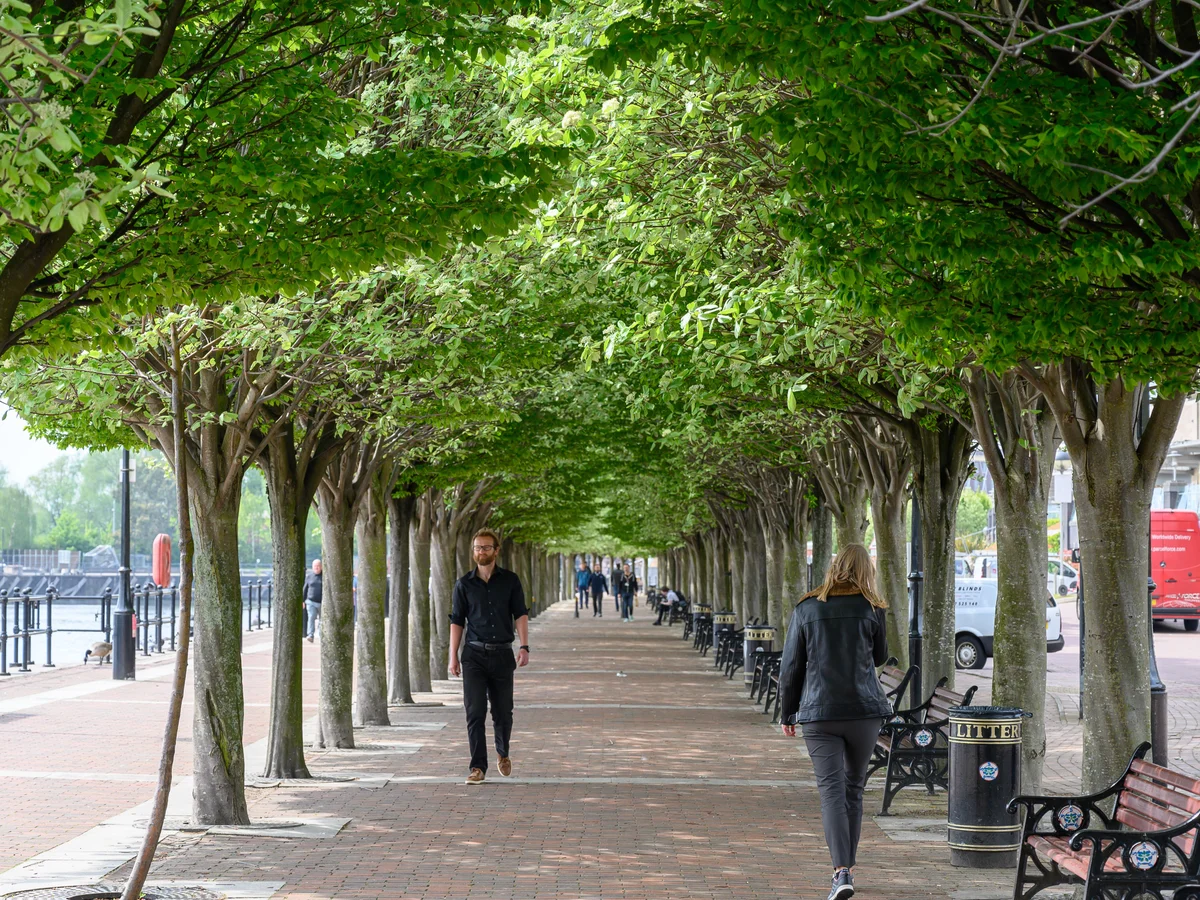
Urban trees change the way people experience a city. A street lined with trees feels different from one dominated by concrete, traffic, and empty spaces. Vegetation creates more welcoming public areas where people are more likely to walk, meet neighbors, and spend time outdoors.
Well-designed green spaces encourage positive community activity. When parks, streets, and public areas are regularly used by residents, there are often more opportunities for social interaction and informal community monitoring.
A neighborhood where people know each other and spend time outside can become more connected and socially organized.
Trees Encourage Community Interaction
One of the ways trees can contribute to safer neighborhoods is by bringing people together.
Parks, gardens, and tree-lined streets create spaces where children play, families gather, and neighbors interact. These regular interactions help build trust among residents.
Strong social connections are important in reducing isolation and creating communities where people look after shared spaces. When residents feel connected to their neighborhood, they are often more willing to report problems, maintain public areas, and support local safety efforts.
A tree-filled community space can become a place where relationships develop naturally.
Green Spaces Increase Positive Activity
Public areas that are attractive and comfortable tend to attract more legitimate use.
A shaded park with trees may encourage people to walk, exercise, relax, or spend time with family. Increased activity means more residents are present throughout the day, creating a stronger sense of community presence.
Unused and neglected spaces can sometimes become associated with safety concerns because fewer people use them. Transforming these areas into well-maintained green spaces can change how residents view and interact with their surroundings.
Urban planning that includes trees can therefore support safer and more active neighborhoods.
Trees and Crime Prevention
The relationship between trees and crime is complex. Trees do not directly prevent crime, but the way green spaces are designed and managed can influence safety.
Poorly maintained vegetation that blocks visibility around homes, pathways, or streets can sometimes create safety concerns. However, well-planned trees with proper maintenance can improve public spaces without reducing visibility.
Research in several cities has found that access to maintained green areas is often associated with lower levels of certain types of crime, partly because these spaces encourage community activity and social connection.
The key factors are good design, regular maintenance, lighting, and community involvement.
Trees Reduce Stress and Anxiety
Modern city life can create constant pressure. Traffic noise, overcrowding, pollution, and fast-paced routines can contribute to stress and mental fatigue.
Trees provide natural environments where people can slow down and recover from daily pressures. Spending time around greenery has been linked with reduced stress levels and improved emotional well-being.
Even short periods in green spaces can help people feel calmer and more refreshed.
For city residents who may not have access to large natural areas, street trees, small parks, and community gardens can provide important mental health benefits.
Nature Supports Better Mental Health
Mental health challenges are increasing worldwide, including in many African urban areas. Factors such as economic pressure, unemployment, social isolation, and crowded living conditions can affect emotional well-being.
Trees and green spaces create environments that support relaxation and social connection. They provide places where people can walk, exercise, reflect, and interact with others.
Children, older adults, and people experiencing high levels of stress may especially benefit from regular access to natural environments.
Urban greening is increasingly recognized as part of creating healthier cities.
Trees Improve Air Quality and Brain Health
Air pollution affects both physical and mental health. Exposure to polluted air has been linked to respiratory problems and may also affect cognitive function and emotional well-being.
Trees help filter certain pollutants, trap dust particles, and improve local air conditions. Cleaner air creates healthier environments for people living and working in cities.
Better environmental conditions support overall health and can reduce some of the daily stress associated with living in polluted urban areas.
Trees Reduce Noise Pollution
Noise from vehicles, construction, and crowded urban activities can increase stress and reduce quality of life.
Trees help absorb and reduce noise by acting as natural sound barriers. Areas with vegetation often feel quieter and more peaceful than areas without greenery.
Lower noise levels can improve concentration, relaxation, and sleep quality.
This is especially valuable in densely populated cities where constant noise exposure has become a common problem.
Green Spaces Support Physical Activity
Trees encourage people to spend more time outdoors.
Walking under shaded streets, exercising in parks, and participating in outdoor activities become easier when public spaces are comfortable and attractive.
Physical activity is strongly connected to mental health. Regular exercise can improve mood, reduce stress, and support healthier lifestyles.
Cities with more trees often create more opportunities for residents to stay active without requiring expensive facilities.
Trees Create Better Spaces for Children
Children benefit greatly from access to green environments.
Tree-filled playgrounds and school areas provide cooler spaces for outdoor activities and opportunities for exploration. Natural environments encourage creativity, physical movement, and social interaction.
Children who spend time outdoors often develop stronger connections with their communities and surroundings.
Providing safe green spaces for children can also reduce the amount of time spent in unhealthy or isolated environments.
Urban Trees and Social Equality
Access to green spaces is not equal in many cities. Wealthier neighborhoods often have more trees, parks, and landscaped areas, while lower-income communities may have fewer natural spaces.
Expanding tree planting programs in underserved areas can improve environmental conditions where residents may experience higher levels of pollution, heat, and overcrowding.
Urban trees should be viewed as public resources that benefit all communities.
Fair access to green spaces is an important part of building healthier and more inclusive cities.
The Importance of Maintaining Urban Trees
Planting trees is only the first step. Long-term benefits depend on proper care and planning.
Cities need to choose suitable tree species, provide regular maintenance, and ensure that green spaces remain safe and accessible.
Poorly managed trees can create problems such as damaged infrastructure or reduced visibility. Good urban forestry programs balance environmental benefits with practical city needs.
Community involvement is often essential for protecting and maintaining urban trees.
Examples Across African Cities
Several African cities are increasing efforts to expand urban green spaces.
Cities such as Nairobi, Kigali, and Johannesburg have invested in tree planting, parks, and environmental restoration projects to improve urban living conditions.
In Kampala and other rapidly growing African cities, protecting existing trees and creating more green areas can help address challenges linked to rising temperatures, pollution, and limited public spaces.
Urban tree programs provide long-term benefits that extend beyond environmental improvement.
Creating Safer and Healthier Cities Through Trees
Urban trees are an important part of building better cities. They create spaces where people can connect, relax, exercise, and enjoy healthier surroundings.
Although trees cannot replace effective law enforcement, social programs, or mental healthcare services, they contribute to the conditions that support safer and more resilient communities.
As African cities continue to grow, investing in trees and green spaces will become increasingly important. A city with healthy trees offers residents cleaner air, cooler streets, stronger social connections, and environments that support better mental health.