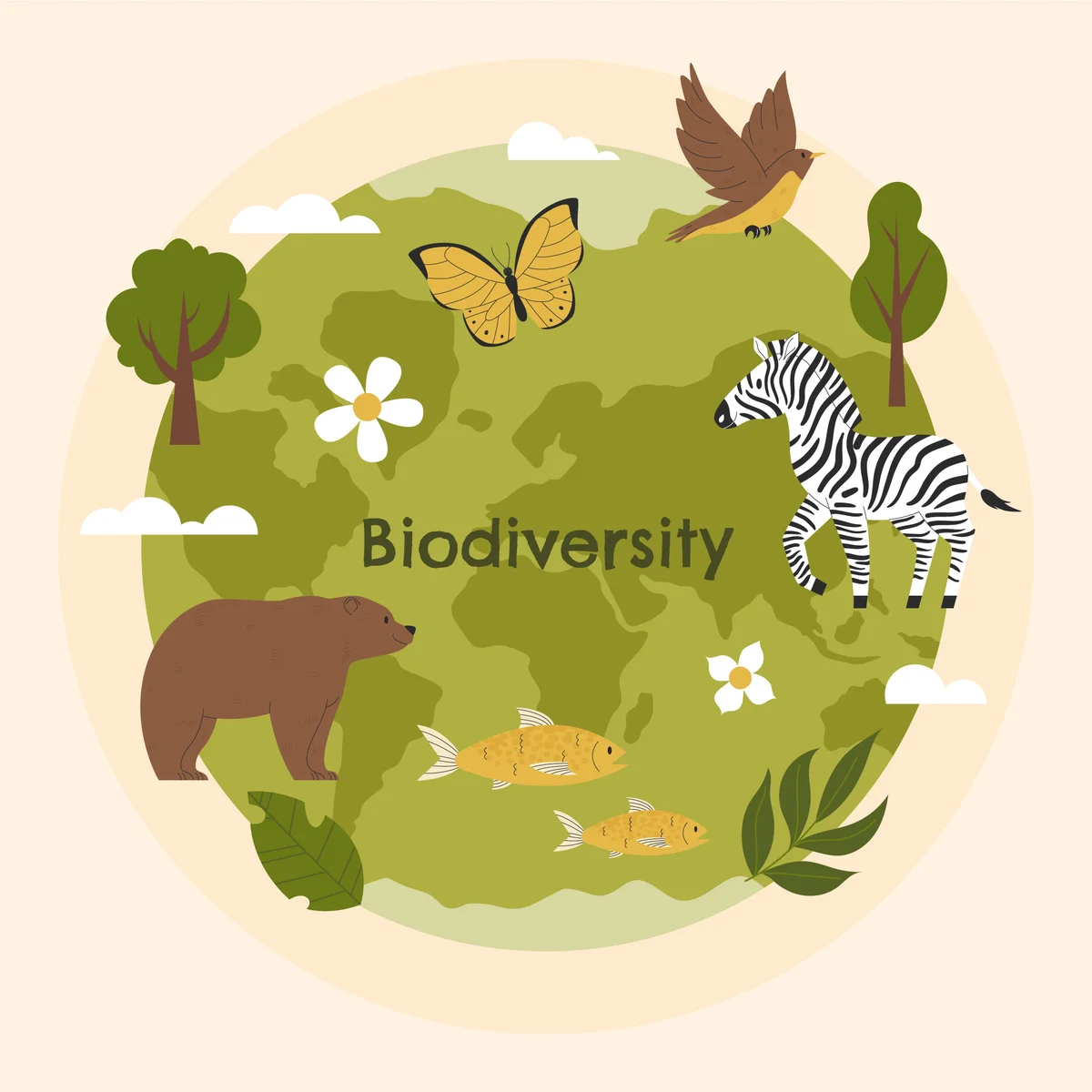
Why Biodiversity Collapses When Forests Disappear
Forests are among the most important ecosystems on Earth. They provide shelter, food, and breeding grounds for millions of species while regulating climate, protecting water sources, and supporting human livelihoods. In Africa, forests support everything from mountain gorillas and forest elephants to countless species of birds, insects, amphibians, and medicinal plants.
When forests disappear, the damage extends far beyond the loss of trees. Entire ecosystems begin to break down. Animals lose their habitats, plant species struggle to survive, and ecological processes that have developed over thousands of years are disrupted. Biodiversity does not decline gradually in isolation. The disappearance of forests often triggers a chain reaction that affects every living organism connected to that environment.
Understanding why biodiversity collapses when forests are destroyed is essential for appreciating the importance of conservation efforts across Africa and the rest of the world.
What Is Biodiversity?
Biodiversity refers to the variety of life found within a particular ecosystem or across the planet. It includes animals, plants, fungi, microorganisms, and the complex relationships that exist between them.
A healthy forest is home to thousands of interconnected species. Some pollinate flowers, others disperse seeds, while predators help regulate animal populations. Every organism performs a role that contributes to the stability of the ecosystem.
Biodiversity is not simply about the number of species present. It is also about maintaining the balance that allows ecosystems to function effectively.
Forests Are Natural Habitats
Forests provide the conditions that many species need to survive. They offer food sources, shelter from predators, suitable breeding sites, and protection from harsh environmental conditions.
Different species often depend on specific parts of a forest. Birds may nest in tall canopy trees, while certain amphibians require moist leaf litter on the forest floor. Some mammals depend entirely on particular fruiting trees that produce food during specific seasons.
When forests are cleared, these habitats disappear almost immediately. Animals are forced to relocate if suitable habitats exist nearby. Many species, however, are unable to adapt or move quickly enough to survive.
Habitat loss remains the leading cause of biodiversity decline worldwide.
Food Chains Begin to Break Down
Every forest ecosystem contains complex food chains that connect different organisms.
Plants capture energy from sunlight and support herbivores. Herbivores provide food for predators, while decomposers recycle nutrients back into the soil. When one part of the system is removed, other species are inevitably affected.
For example, if fruit-bearing trees disappear, animals that feed on those fruits may decline in number. Predators that rely on those animals for food may also suffer population declines. Over time, the entire food web becomes unstable.
The loss of even a few key species can produce significant ecological consequences throughout an ecosystem.
Species Lose Their Homes
Many forest species are highly specialized and cannot survive outside their natural habitats.
Mountain gorillas in East Africa provide an excellent example. These primates rely on dense montane forests for food, shelter, and social interactions. Large-scale deforestation would leave them with very limited opportunities for survival.
Numerous bird species depend on specific forest types that cannot simply be replaced elsewhere. Certain insects may exist only within particular forest ecosystems and nowhere else on Earth.
Once these habitats are destroyed, extinction becomes a real possibility.
Fragmentation Creates Additional Problems
Forest loss does not always occur all at once. In many cases, forests become fragmented into smaller isolated patches.
Fragmentation creates numerous challenges for wildlife. Animals may struggle to move between forest patches in search of food or mates. Smaller populations become more vulnerable to disease, genetic problems, and environmental changes.
Species that once occupied large continuous habitats may find themselves confined to areas that are no longer capable of supporting viable populations.
Road construction, agricultural expansion, and urban development frequently contribute to habitat fragmentation across many parts of Africa.
Pollination Systems Collapse
Many flowering plants depend on animals for pollination. Birds, bats, butterflies, bees, and other insects transfer pollen between flowers, allowing plants to reproduce successfully.
When forests disappear, pollinator populations often decline rapidly. Without pollinators, numerous plant species are unable to produce seeds or fruits effectively.
This problem extends beyond forests themselves. Agricultural systems that rely on pollinators may also experience reduced productivity when surrounding natural habitats are lost.
Protecting forest biodiversity therefore provides important benefits for both natural ecosystems and human food production.
Seed Dispersal Is Disrupted
Many animals play essential roles in seed dispersal.
Primates, elephants, birds, and bats consume fruits and transport seeds throughout forest ecosystems. These natural processes allow forests to regenerate and maintain plant diversity over time.
When animal populations decline because of habitat loss, seed dispersal becomes less effective. Certain tree species may struggle to reproduce naturally, further slowing forest recovery.
The relationship between plants and animals within forests is often highly interconnected. Losing one component can significantly affect the others.
Climate Conditions Change
Forests help regulate local and regional climate conditions.
They influence temperature, humidity, and rainfall patterns. Removing forests frequently results in hotter and drier environments that are unsuitable for many species.
Amphibians are particularly sensitive to changes in moisture levels and temperature. Even relatively small environmental changes can reduce their ability to survive and reproduce.
Climate-related impacts of deforestation often extend beyond the immediate area where trees have been removed.
Increased Human Wildlife Conflict
As forests shrink, wildlife is increasingly forced into closer contact with human communities.
Animals searching for food may enter agricultural areas, leading to crop damage and conflict with farmers. Predators may prey on livestock when natural prey populations decline.
Human wildlife conflict frequently results in injuries or deaths for both people and animals. Conservation efforts become significantly more difficult when wildlife habitats continue to disappear.
Protecting forests remains one of the most effective ways to reduce these conflicts.
Medicinal and Scientific Losses
Many forest plants possess medicinal properties that have yet to be fully studied by scientists.
Numerous modern medicines have originated from compounds found in natural ecosystems. Every species lost through deforestation represents a potential loss of scientific and medical knowledge.
Biodiversity provides benefits that extend far beyond conservation and tourism. It contributes directly to human health, agriculture, and economic development.
Destroying forests may eliminate valuable biological resources before their potential has even been discovered.
Economic Consequences of Biodiversity Loss
Healthy ecosystems support a wide range of economic activities.
Tourism generates substantial income for many African countries through wildlife safaris and ecotourism initiatives. Forest ecosystems also provide resources such as clean water, pollination services, and sustainable forest products.
Biodiversity loss can therefore have significant economic consequences for local communities and national economies.
Investments in forest conservation often provide long-term economic benefits that greatly exceed the short-term gains associated with unsustainable land use practices.
Forest Restoration Takes Time
Planting trees is an important conservation strategy, but restoring biodiversity is far more complex than simply replacing lost vegetation.
A mature forest ecosystem develops over decades or even centuries. The intricate relationships between plants, animals, fungi, and microorganisms require time to recover.
Some species may return relatively quickly if suitable habitats are restored. Others may never recover if populations have become too small or locally extinct.
Protecting existing forests remains considerably more effective and less costly than attempting to recreate them after they have been destroyed.
Conserving Forests Protects Entire Ecosystems
When conservation organizations protect forests, they are not merely preserving trees. They are safeguarding entire ecosystems that support countless forms of life.
Forest conservation contributes to climate stability, water security, food production, and biodiversity preservation. It also protects cultural heritage and supports sustainable livelihoods for many communities across Africa.
Every hectare of forest preserved helps maintain the ecological relationships that sustain biodiversity.
The collapse of biodiversity following forest loss is not inevitable if proactive conservation measures are implemented. Sustainable land management, protected areas, community-based conservation programs, and reforestation initiatives all play important roles in safeguarding Africa’s natural heritage.
Forests are far more than collections of trees. They are living systems upon which millions of species, including human beings, ultimately depend. Protecting them is one of the most important investments we can make for the future of our planet.