

Rwanda’s Plastic Bag Ban: What Travellers Must Leave at Home
Land at Kigali International Airport with a plastic shopping bag tucked into your carry-on, and it won’t make it past security. Rwanda’s plastic bag ban, one of the world’s earliest and most strictly enforced, dates back to 2008 and has since expanded into a genuinely comprehensive prohibition on single-use plastics more broadly, a detail every traveller packing for Rwanda needs to actually know before arrival, not discover at the border.
Key Highlights
- Rwanda banned plastic bags nationally in 2008, one of the earliest such bans implemented anywhere in the world
- A 2019 law significantly expanded the prohibition to cover most single-use plastic items, not just carry bags
- Plastic bags and prohibited items are confiscated at the airport and land border crossings, with arrival announcements specifically warning passengers
- Fines for unauthorised plastic bag possession range from roughly 5,000 to 100,000 Rwandan francs, and manufacturing or distributing prohibited plastics can carry prison sentences
- Items covered by the broader 2019 ban include plastic wrappers, containers, bottles, straws, cutlery and carrier bags
- Enforcement is genuinely active, involving customs, environmental authorities, police and local government conducting regular checks
Why Rwanda Banned Plastic Bags Before Almost Anywhere Else
Rwanda’s 2008 plastic bag ban, enacted under Law No. 57/2008, positioned the country as one of the earliest nations anywhere to prohibit plastic bag manufacturing, importation, use and sale nationally, well ahead of similar policies that many other countries only adopted years or even a decade later. That early action reflects a broader environmental policy direction that has since become one of the more frequently cited examples of Rwanda’s distinctive approach to national governance and public order.
The 2019 Expansion: Beyond Just Bags
A significant 2019 law substantially broadened the original ban, extending prohibition beyond plastic carry bags to cover a wide range of single-use plastic items: wrappers, plastic containers and bottles, drinking straws, disposable cutlery and plates, and general product packaging plastics. This expansion means travellers need to think considerably more broadly than just avoiding shopping bags — single-use plastic packaging around toiletries, snacks or other travel items can technically fall under the same restrictions.
A Transition Period, Now Long Past
The 2019 law included a brief compliance transition, roughly three months for existing single-use plastic stock and up to two years for manufacturers to adjust production, but that transition period has long since concluded, meaning the fuller single-use plastics ban has been in full, active effect for years now rather than being a recent or partially-implemented change.
What Actually Happens at the Border
Arrival announcements on flights landing in Rwanda specifically instruct passengers not to bring polyethylene bags off the plane, and airport security routinely searches luggage, confiscating any plastic bags found while leaving the rest of your belongings untouched. Land border crossings enforce the same rule, with signage at major entry points warning travellers in advance rather than leaving the policy as an unpleasant surprise.
Penalties Are Genuinely Enforced, Not Symbolic
Fines for unauthorised plastic bag possession range from roughly 5,000 to 100,000 Rwandan francs, worth a few to around 110 US dollars depending on the specific violation, and the bags themselves are confiscated regardless of the fine amount. More seriously, individuals or businesses caught manufacturing or distributing prohibited plastics can face prison sentences of six to twelve months alongside considerably steeper fines, a level of enforcement that reflects genuine institutional commitment rather than a rule quietly ignored in practice.
What Travellers Should Actually Do
The simplest approach is packing without plastic shopping bags entirely and checking travel-sized toiletries and other packed items for excessive single-use plastic packaging before departure, switching to reusable bags, fabric pouches or paper alternatives wherever practical. If you do arrive with a plastic bag by accident, expect it to be confiscated at entry rather than treated as a minor oversight — the rule applies uniformly to tourists and residents alike, with no informal exception typically made for visitors unaware of the policy.
What Shops in Rwanda Actually Use Instead
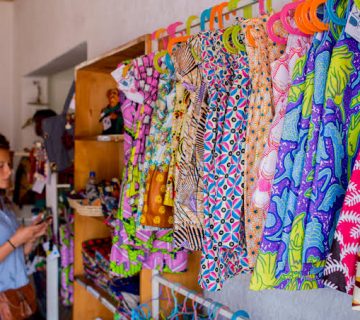
Rwandan retailers have adapted to the ban with paper bags, reusable cloth totes, and other biodegradable alternatives now standard practice across shops and markets, meaning travellers won’t find themselves without any bagging option, just a genuinely different one from what’s typical elsewhere. Bringing your own reusable bag from home for shopping during your trip is a simple, practical way to align with local practice from the moment you arrive.
A Frequently Studied Global Case
Rwanda’s plastic bag ban has been studied and cited internationally as a working case study for how a national plastics policy can actually achieve sustained enforcement rather than existing purely on paper, drawing attention from environmental researchers, policy analysts and other governments considering similar measures of their own. That international attention isn’t accidental — multi-agency enforcement involving customs, environmental authorities, judicial police and local government, sustained consistently across close to two decades, represents a genuinely unusual level of follow-through for this kind of environmental legislation.
Umuganda’s Role in Sustaining the Policy
The plastic ban’s success connects directly to Rwanda’s broader culture of civic participation, including the monthly Umuganda community work day, which regularly involves neighbourhood clean-up activities that reinforce the same environmental values the plastics legislation codifies into law. This overlap between formal legal enforcement and grassroots civic practice is part of why the ban has achieved genuine, lasting compliance rather than the more common pattern of strong initial enforcement fading over time. Our piece on Umuganda Day in Rwanda covers this civic tradition in full.
How Rwanda’s Approach Differs From Other African Plastic Bans
Numerous African countries have since introduced their own plastic bag restrictions, but implementation and enforcement consistency vary considerably across the continent, with several nations’ bans existing more as stated policy than genuinely enforced daily practice. Rwanda’s ban stands out specifically for the consistency of its enforcement over close to two decades, a track record that distinguishes it from bans elsewhere that have sometimes weakened or gone largely unenforced within just a few years of introduction.
What Other Countries Have Learned From Rwanda’s Example
Policymakers and environmental officials from other nations have specifically studied Rwanda’s enforcement model, including its multi-agency approach and sustained public messaging, as they design their own plastic reduction policies, making Rwanda a genuine reference point in international environmental policy discussions rather than simply one example among many. This international attention adds a further layer of context for travellers curious about why this particular rule gets enforced so much more consistently here than similar-sounding policies elsewhere on their broader Africa itinerary.
Packing Checklist Before You Fly
Beyond the obvious step of leaving plastic shopping bags at home entirely, a genuinely thorough pre-trip check covers a few less obvious items: disposable plastic cutlery or straws sometimes packed for convenience, single-use plastic ziplock-style bags used for organising luggage, and excessive plastic wrapping around toiletries or snacks that could be swapped for reusable containers before departure. None of this requires a complete overhaul of how you pack, just a deliberate pass through your bag with Rwanda’s specific rules in mind rather than a generic packing list built for anywhere else.
Reusable Alternatives Worth Bringing
A simple reusable tote or two, packed flat and taking up minimal space, covers any shopping needs during your trip without relying on local retailers to provide an alternative, and a reusable water bottle and food container handle the kind of everyday convenience that single-use plastics would otherwise cover. These are genuinely useful items for any trip regardless of destination, but packing them specifically with Rwanda’s rules in mind ensures you’re not caught without a practical alternative once local plastic options simply aren’t available.
Why This Matters Beyond Simple Compliance
Understanding the plastic ban’s history and enforcement adds real context to something visitors to Rwanda consistently notice and remark on: the country’s visible, genuine environmental cleanliness compared to many regional neighbours, a direct, tangible result of a policy commitment sustained for close to two decades now rather than a recent or superficial initiative.
Frequently Asked Questions
Will my sealed toiletries in plastic packaging be confiscated?
Generally, personal-use items in their original retail packaging aren’t the primary enforcement target; loose plastic carrier bags and larger single-use plastic items are what customs actively screens for, though minimising unnecessary plastic packaging in your luggage is still a sensible precaution.
Can I bring a reusable plastic water bottle?
Yes, durable, reusable items like water bottles are not covered by the single-use plastics ban; the restriction targets single-use, disposable plastic items specifically, not reusable travel gear.
What if my checked luggage contains plastic bags I forgot about?
Confiscation, rather than a more serious penalty, is the typical outcome for a small quantity of plastic bags found in a traveller’s luggage, though it’s simplest to avoid the situation entirely by checking your packing beforehand.
Does the ban affect gorilla trekking gear or safari equipment?
No, functional gear like rain covers, dry bags and standard trekking equipment isn’t affected; the ban targets single-use, disposable plastic items rather than durable equipment brought for practical use during your trip.
Recommended Safaris
Understanding Rwanda’s environmental policies adds useful context to any visit. Ready to plan your own Rwanda trip, packed appropriately from the start? Reach our team through our Book Now page and we’ll help you prepare, plastic-free packing included, so nothing gets confiscated at the border before your trip has even properly started.






No comment