Poaching, Wetlands, and the Fight for the Shoebill’s Future
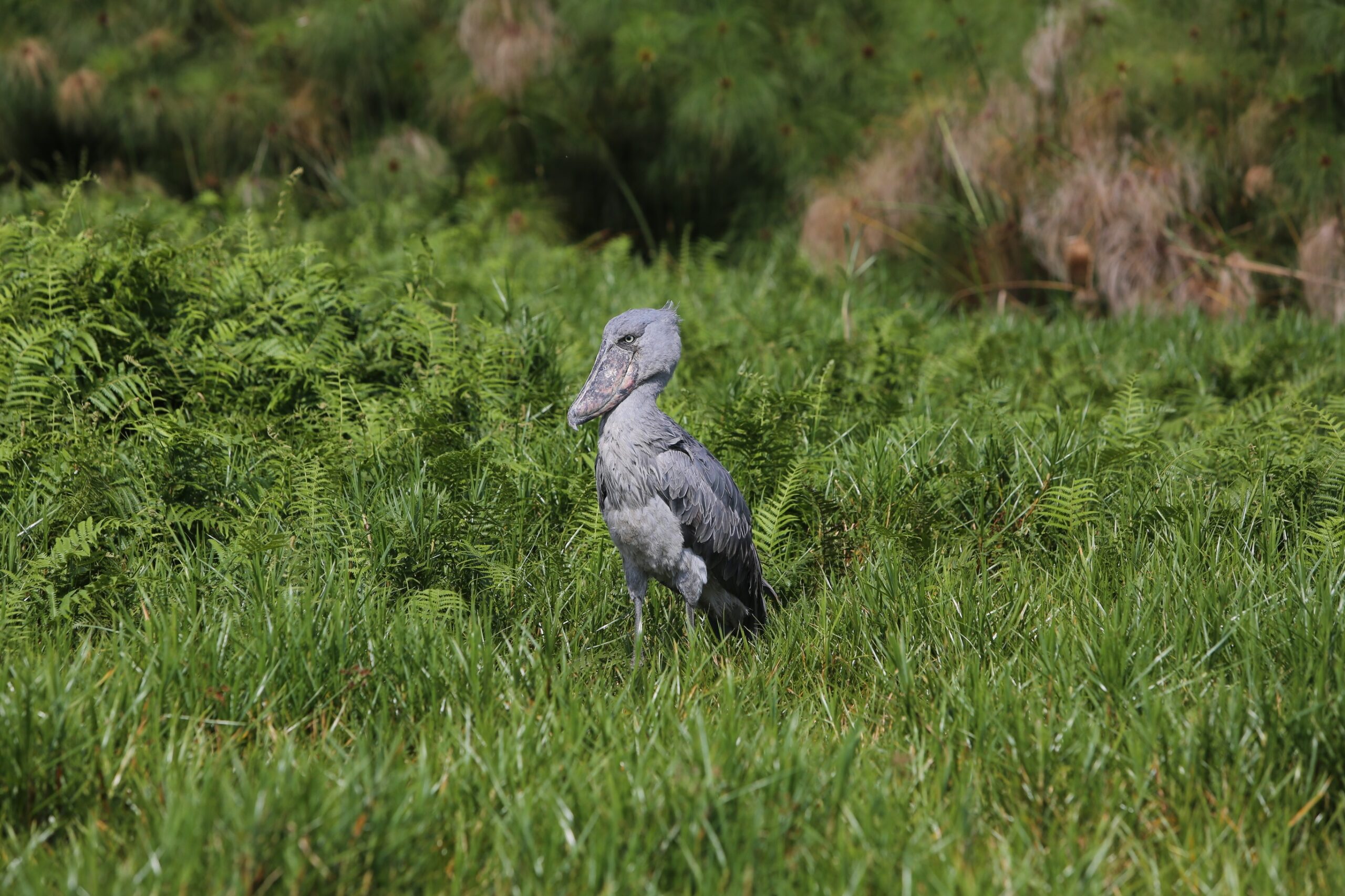
The Shoebill is an amazing bird. It is one of the most interesting birds in Africa. The Shoebill is very tall. It looks like a bird from a long time ago. It hunts calmly. This is why the Shoebill is so fascinating to people who like birds, take pictures of birds, and work to protect birds. There is a sad truth behind how cool the Shoebill looks. In some parts of East Africa and Central Africa, the Shoebill is in trouble. Some dangers are making the number of Shoebills get smaller and smaller.
The story of the Shoebill is not about the Shoebill. It is about the health of the wetlands in Africa and how people make a living near these wetlands. The choices we make today that will affect tomorrow. If we protect the swamps, if tourists are careful, and if local people work to protect the environment, then we can hope that the Shoebill will continue to thrive.
The Shoebill needs wetlands to survive.
Wetlands are not just areas of water with plants around them. They are living ecosystems with kinds of animals like fish, frogs, snakes and birds. relies completely on these wetlands because they have everything it need to be needs to live.
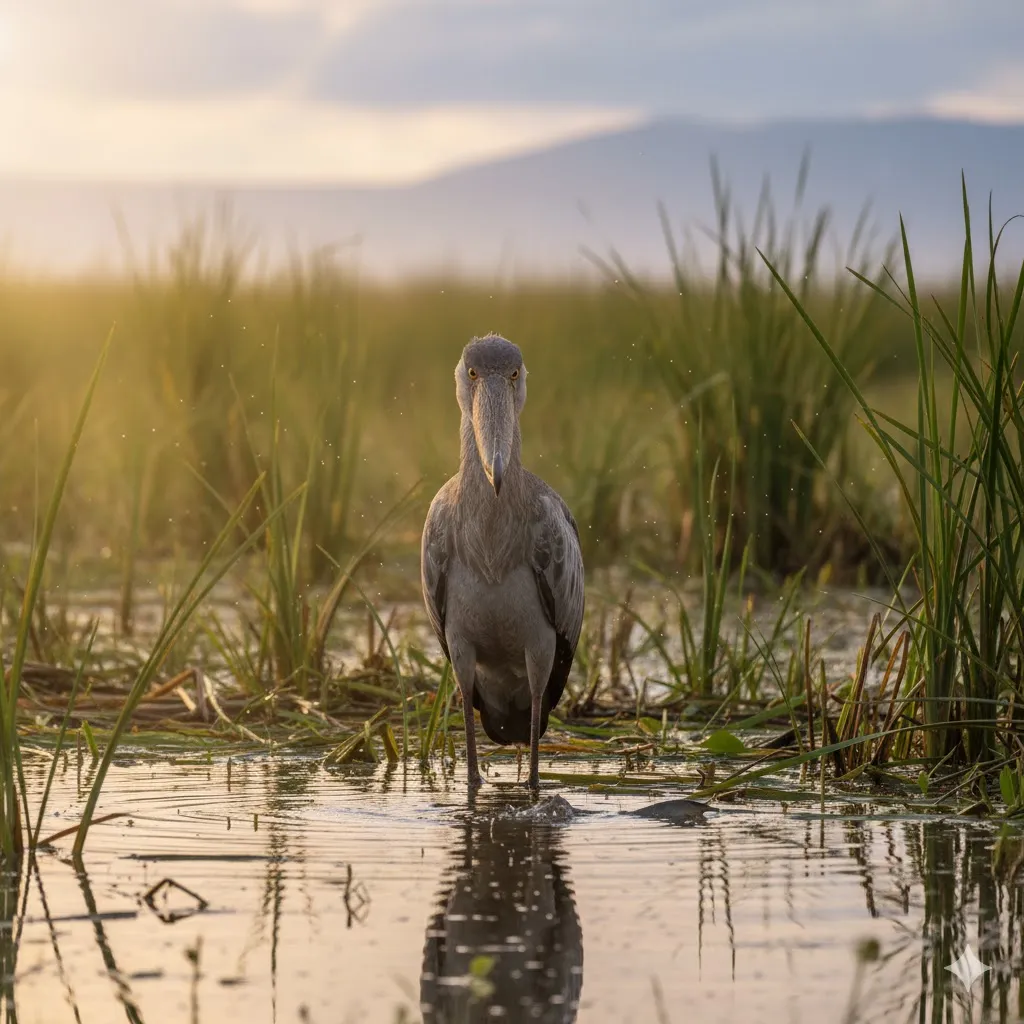
likes to live in shallow freshwater areas with a lot of plants and open water where it can find fish. will stand still for a long time before it catches its prey very quickly. eats lungfish, catfish, frogs, snakes and young crocodiles.
These special places where the Shoebill hunts cannot be easily replaced. If a wetland dries up or is turned into a farm the Shoebill cannot just move to a forest or a grassland. The Shoebills survival depends directly on the health of the wetlands.
Some countries like Uganda, Zambia, South Sudan, Rwanda, Tanzania and the Democratic Republic of the Congo still have places where the Shoebill lives.. Many of these places are in danger because of things that people are doing.
The Shoebill is also in danger because of poaching.
Sometimes people catch adult Shoebills and their babies to sell them on the market. This happens because the Shoebill is very rare and some people are willing to pay a lot of money for it.
There are people around the world who want to buy birds like the Shoebill. This makes it tempting for hunters to go into protected wetlands take babies from their nests or catch adult Shoebills.
This is not just bad for the Shoebills that are caught. It affects the population of Shoebills. The Shoebill does not have babies. A pair of Shoebills will usually only raise one baby after laying two or three eggs. If one of the parents is caught it can affect the number of Shoebills in that area for years.
When poachers go into the areas where the Shoebill nests they scare the adult birds away. This means that the babies are left alone and the adults may not come back, to them. This makes it even harder for the Shoebill population to grow in areas that’re already fragile.
Wetland Destruction Is Dangerous
Wetlands are disappearing slowly. This is because of settlement, agriculture and infrastructure development. These things are happening year after year. They are reducing natural marshes.
People who live near wetlands depend on them for many things. They use them for farming, fishing and grazing livestock. They also harvest papyrus. Collect firewood from wetlands. These activities are important for the people who live there. They can damage the wetlands if they are not done carefully. Wetlands are very important. They need to be taken care of.
Drainage canals are lowering the water levels in wetlands. When people burn vegetation it destroys the areas where birds nest. Pollution from fertilizers and chemicals is also affecting the fish populations in wetlands. Roads are dividing the habitats of wildlife. This is making it hard for them to move around. Wetlands are very delicate. They need to be protected.
Climate change is also affecting wetlands. It is causing droughts that reduce the amount of water. It is also causing rainfall that alters the breeding conditions for many wetland species. Climate change is a problem for wetlands and it needs to be addressed. Wetlands are very important. They need to be protected from climate change.
The impact of all these things is very big. Even when poaching is not a problem disappearing wetlands are leaving shoebills with safe places to live. Shoebills are depending on wetlands for their survival. Wetlands are very important for shoebills. They need to be protected.
Why Wetlands Matter Beyond Wildlife
Protecting wetlands is not just good for shoebills. It is also good for other things. Wetlands help to filter water and reduce pollution. They also help to control flooding by storing rainfall. During seasons they release water that supports agriculture and communities. Wetlands are very important. They need to be protected.
Wetlands also store a lot of carbon in their soils and vegetation. This makes them very valuable in the efforts to reduce climate change. Climate change is a problem and wetlands can help to solve it. Wetlands are very important. They need to be protected.
Many families depend on wetlands for their income. They use them for fishing, sustainable harvesting and ecotourism. Protecting wetlands is therefore very important for both biodiversity and local economies. Wetlands are very important. They need to be protected.
Community Conservation Is Changing the Story
In Africa local communities are playing a role in shoebill conservation. Many people now understand that living shoebills can generate long-term benefits through tourism. They also understand that illegal wildlife trade only provides term financial gain. Shoebills are very important. They need to be protected.
In Ugandas Mabamba Swamp local guides are taking care of the shoebills. They are monitoring their movements educating visitors and reporting activities to wildlife authorities. Shoebills are very important. They need to be protected.
Some people who used to hunt shoebills have now become conservation ambassadors. They have discovered that they can make a living through ecotourism. They are guiding visitors, operating boats providing accommodation and selling crafts. This is creating an income that depends on protecting wildlife rather than exploiting it. Shoebills are very important. They need to be protected.
Schools are also teaching children about wetland conservation. Young people are becoming advocates for responsible resource use. This is very important for the protection of shoebills. Shoebills are depending on wetlands for their survival.
Tourism Creates Powerful Incentives
Tourism is playing a role in shoebill conservation. Birdwatchers are traveling from over the world to see shoebills in their natural habitat. This is supporting guides, hotels, restaurants, transportation services, conservation organizations and nearby communities. Shoebills are very important.
Every responsible visitor is contributing to the economy. This is creating a reason for protecting wetlands instead of converting them into short-term commercial developments. Shoebills are very important. They need to be protected.
Tourism is also raising awareness about shoebill conservation. Visitors are returning home with photographs and personal experiences that inspire others to support conservation initiatives. Shoebills are very important.
Governments and Conservation Organizations Working Together
Saving the shoebill requires cooperation among different groups. Governments are establishing protected areas strengthening wildlife laws and training rangers to combat activities. Shoebills are very important.
Conservation organizations are conducting research to understand breeding success, migration patterns, habitat quality and population trends. Satellite tracking is being used to monitor movements across wetlands. This is helping to identify habitats that require stronger protection. Shoebills are very important.
International partnerships are providing funding for habitat restoration, community education and anti-poaching patrols. This is creating a stronger conservation network, than any single organization could achieve alone. Shoebills are very important.
Technology Is Helping Protect Wildlife
Modern technology is improving conservation in important ways. Drones are being used to monitor wetlands without disturbing nesting birds. Satellite imagery is revealing habitat loss before it becomes severe enough to threaten populations. Shoebills are very important.
GPS mapping is helping researchers identify areas where illegal activities occur frequently. Camera traps are recording wildlife movements while minimizing disturbance. Mobile phones are allowing local residents to report activities quickly giving wildlife authorities faster opportunities to respond. Shoebills are very important.
Technology cannot replace conservation workers but it is making their efforts more efficient and better informed. Shoebills are very important. Wetlands are very important.
Every Individual Can Make a Difference
Many people think wildlife conservation is the job of governments or scientists. In truth individuals help in ways.
Responsible travelers can pick tour operators that follow rules for wildlife viewing.
Photographers should not bother nesting birds to take exciting pictures.
Travelers can help businesses that focus on conservation instead of illegal wildlife activities.
People over can study wetland ecosystems share correct information give money to trusted conservation projects or push for sustainable tourism.
There are reasons to be hopeful.
Protected wetlands are getting bigger in some areas. Community conservation programs have shown results. More people are learning about conservation each year through movies, social media, schools and responsible travel.
Scientists keep learning more about shoebill birds, which helps make conservation plans
Problems are still big especially as climate change and more people put pressure on wetlands.. The teamwork between governments, conservation groups, local people and visitors gives hope that future generations will still see a wild shoebill standing quietly in the reeds.
Poaching, Wetlands and the Fight for the Shoebills Future reminds us that conservation is about balance. People need ecosystems just like wildlife does. Wetlands keep water safe help fish stop flooding and create jobs while keeping nature safe.
The future of the shoebill depends on what people do.
Protecting wetlands stopping wildlife trade helping communities protect nature and encouraging responsible travel all help the shoebill survive.
When governments follow conservation laws when communities take care of their places and when visitors care more about living wildlife than taking advantage of it real progress can happen.
Poaching, Wetlands and the Fight for the Shoebills Future is not about saving a special bird. Every time a conservation project works it shows that people can fix problems when they work together with patience and effort.
The road ahead needs money, more learning and more teamwork. If those promises stay strong, Poaching, Wetlands and the Fight for the Shoebills Future can be a story of getting stronger of losing. The wetlands will keep helping life communities will keep getting better from travel and the amazing shoebill will stay one of Africas best success stories. With everyone working and staying committed Poaching, Wetlands and the Fight, for the Shoebills Future can push for lasting protection for many years to come.