3 Mistakes People Make When They Try to Find Shoebills for the First Time
Uganda is a place to see shoebills in their natural home. You can find them in the water of Mabamba Swamp or in the wetlands around the Nile. Every time you go to look for them, it is different. Some people take pictures and have amazing memories, but others are disappointed even after looking for hours. It is not about being lucky.
Many people who are looking for shoebills for the time think it will be easy. They think they can just get to the swamp take a boat ride and see the bird right away.. It does not work that way. To really see shoebills you need to be patient prepare yourself and respect the world. If you know what mistakes people make when they are looking for shoebills you can have a real and fun experience.
Why Looking for Shoebills is Different
Shoebills are not like animals that you can see on safaris. They live in areas of papyrus and are very quiet. They need to be quiet to catch their food like fish and frogs. When they stand still it is not because they are lazy. It is because they are waiting for the moment to catch their prey.
Because shoebills are like this looking for them is slower than wildlife experiences. Every move you make every sound you make matters. When you understand this you start to see that the journey to find the shoebill is just as important as seeing the bird itself.
Nature Decides What Happens
One thing that experienced guides will tell you is that you cannot schedule when you will see wildlife. Shoebills might stay in one place for a few days. Then move to another place. The water level, the weather and the food available all affect where they go.
Of thinking you can control when you see the shoebill it is better to just enjoy the adventure. When you turn a corner in the wetland you might see birds like kingfishers, herons and eagles. Ugandas wetlands are some of the interesting places in Africa.
Mistake One: Thinking You Will See the Shoebill Right Away
The mistake people make is thinking that they will see the shoebill as soon as they get to the swamp.
Travel videos often make it look like it is easy to find shoebills. They show you the parts but they do not show you the hours of waiting. This can make people think it will be easy. They get frustrated when they do not see the shoebill right away.
People who are good at finding shoebills know that they need to be patient. Guides talk to fishermen and other boat operators to find out where the shoebills have been seen. With this help it still takes time and effort to find the shoebills.
When you are patient you might see interesting things, like an eagle diving for food or a kingfisher flying by. These moments are just as important, as seeing the shoebill. The idea of 3 Mistakes People Make When They Try to Find Shoebills for the First Time is that slowing down and being patient can make your experience better.
a’s wetlands support hundreds of bird species, along with reptiles, butterflies, and unique aquatic plants. Every section of the swamp tells.
Give Yourself Time
You should never feel like you are in a hurry when you go on a shoebill excursion. Most guides who have a lot of experience say that you should set aside a hours for the trip and it is best to start early in the morning.
This is because it is cooler in the morning and there are birds around. If you start before the sun comes up you can enjoy the feeling of the mist rising up from the water. You can hear the birds waking up the sound of paddles moving through the water and see the beautiful morning light.
This is something that you cannot experience later in the day. If you plan your day with some time you will feel less stressed. Of worrying about the time you can focus on watching the birds and the nature around you.
Mistake Two: Focusing on the Shoebill
It is okay that many people come to see the shoebill because it is a very special bird in Africa. Many birdwatchers dream of seeing a shoebill.. If you only focus on the shoebill you might miss everything else around you.
The wetlands in Uganda are home to hundreds of bird species and also reptiles, butterflies and special plants that grow in the water. Every part of the swamp has its story to tell. Your guide might show you footprints in the mud birds building nests, plants that grow in the water or animals eating.
This can make a simple boat ride feel like a learning experience. The people who are happiest when they leave are not the ones who only saw one bird. They are the ones who appreciated the ecosystem.
If you watch weaver birds building nests or see pied kingfishers diving into the water or spot a secretary bird walking in the grass you will remember that every species is important for the health of the wetlands.
When people know about the mistakes that first-time shoebill trackers make they start to see the trip as a chance to experience the living habitat not just to take a picture of one bird.
Every Wetland Has a Story
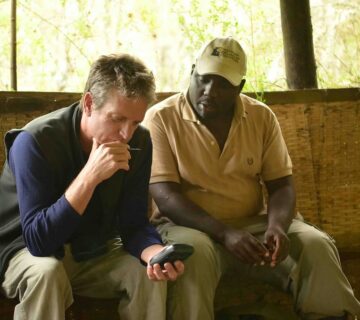
Local guides know a lot about the birds that come and go with the seasons the ways of fishing the efforts to protect the environment and how the people who live nearby interact with the swamp. Listening to these stories makes the trip more interesting than just taking pictures of animals.
If someone explains why certain plants grow in some areas or how fishermen coexist with protected animals it can be one of the memorable parts of the trip.
By the end of the trip many people realize that the shoebill was one part of a much bigger story, about Ugandas amazing wetlands and the people who are working to protect them.
Mistake Three: Ignoring Your Guides Instructions
The third mistake people make is not listening to what their guide says. This might seem like a thing but it can make a big difference. When people see a shoebill for the time they get really excited. They stand up fast in the boat talk loudly or move around without warning. These things make noise and vibrations that can scare the shoebills.
Shoebills are very alert even though they look calm. They are always watching what is going on around them while they wait for food. They usually let boats come close if they are quiet. If someone makes a sudden move or talks loudly they will walk away or fly. Since shoebills are not common it is sad when people miss seeing them because of something they did.
This is why the guides tell you what to do before you go to where the shoebillsre. They know where the shoebills have been seen and how to get close to them without scaring them. Listening to the guides is one of the ways to make your trip better.
The main thing to learn from these mistakes is that your guide is very important. They have experience. Know the area, which makes a big difference in whether you have a good time or not.
Respect the Birds Space
When you are watching animals you need to respect them. You do not just want to see the shoebill you want to leave it so it can act naturally.
If you stay away from the shoebill it can keep doing what it was doing without being bothered. This is good for you and for the animals because they are more likely to stay in the area if they’re not scared.
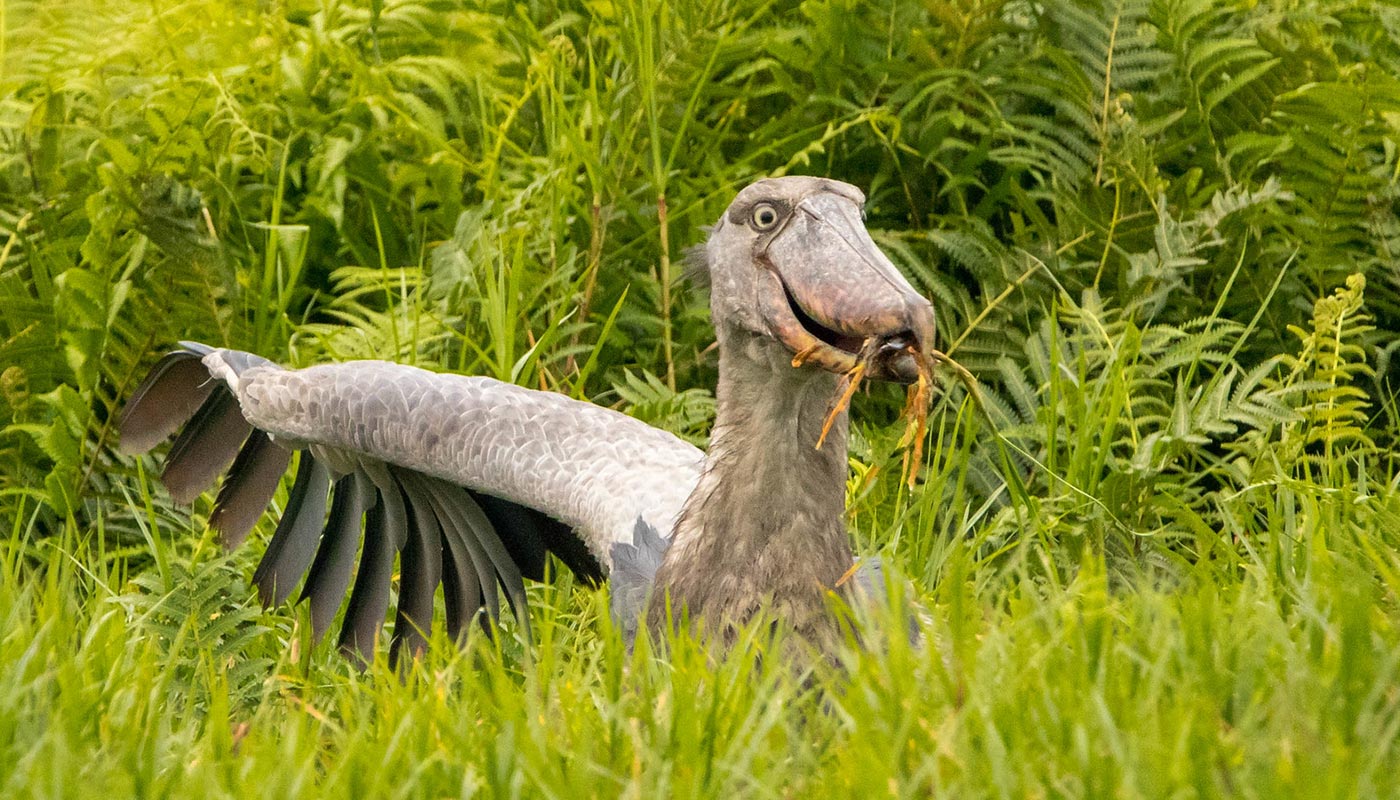
The best pictures are often taken when you are quiet and wait. If you scare the shoebill it will fly away. If you are quiet it might spread its big wings shake its feathers or walk through the marsh, which makes for better pictures.
Preparing for a Successful Shoebill Excursion
You need to get ready for your trip before you even get in the canoe. Wear clothes that’re comfortable and the same color as the things around you and wear a hat and sunscreen to protect you from the sun. Bring bags that can get wet to carry your camera, phone and binoculars especially when it is raining.
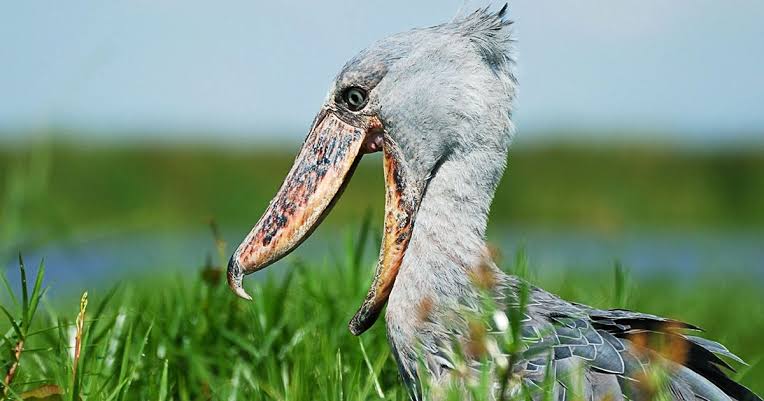
Binoculars are very useful. Even if you can see the shoebill from away binoculars help you see details that you cannot see with your eyes. You might see the shoebills blue-gray feathers, its big shoe-shaped bill or how focused it is when it is watching the water.
A camera with a zoom lens is helpful. It is also important to just watch the shoebill. Some people get so busy taking pictures that they forget to enjoy what is happening.
Bring water to drink and make sure you have time, for the trip. Animals do not have a schedule so you need to be flexible so you can enjoy every part of the trip.
Timing Can Make a Difference
Although shoebills can be seen throughout the year in Uganda early mornings generally provide the comfortable conditions for both birds and visitors. Cooler temperatures encourage wildlife activity while the soft morning light creates conditions for photography.
Weather also influences each excursion. Gentle cloud cover can produce lighting while light rain often brings fresh activity across the wetland. Experienced guides adjust their routes according to changing conditions making every trip unique.
Every Excursion Supports Conservation
Many visitors do not realize that their tracking experience contributes to protecting Ugandas wetlands. Responsible tourism creates employment for boat operators, bird guides, community members and conservation organizations working to preserve critical habitat.
When local communities benefit from protecting wildlife they have incentive to conserve wetlands instead of converting them for other land uses. This partnership has become a part of safeguarding the future of the shoebill.
Visitors also play a role by respecting park regulations avoiding litter and supporting operators committed to tourism. Small actions from travelers help ensure that future generations can enjoy the same remarkable experience.
The excitement of searching for one of Africas extraordinary birds never fades. Every journey into Ugandas wetlands offers sounds, new landscapes and unexpected discoveries. While no guide can guarantee a sighting, thoughtful preparation and realistic expectations greatly improve the experience.
Remember that patience reveals wildlife than rushing. Appreciating the wetland creates richer memories than chasing a single photograph. Listening carefully to guides allows nature to unfold without unnecessary disturbance. These simple lessons transform first-time visitors into wildlife enthusiasts.
By understanding 3 Mistakes First-Time Shoebill Trackers Make you arrive prepared to enjoy every moment on the water. Whether your encounter lasts a few minutes or much longer seeing a wild shoebill standing silently among Ugandas papyrus reeds is an experience that stays with you long after the canoe returns, to shore. It is a reminder that some of the worlds wildlife moments come to those who slow down observe carefully and allow nature to reveal itself in its own time.