The Slow Art of Shoebill Watching
There are not many things that are as rewarding as The Slow Art of Shoebill Watching. When you are in Uganda’s wetlands, you will not have a good time if you rush. You have to slow down and pay attention to everything. Then you can see things that you would not have seen otherwise. People who like birds and are patient often go home with memories that they will have for a long time.
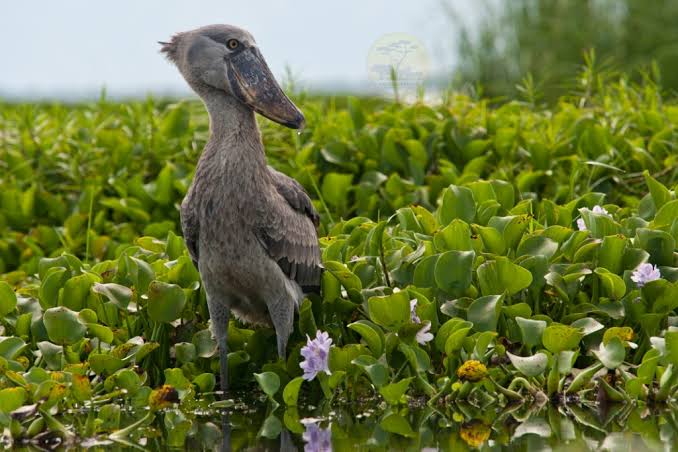
The shoebill is an interesting bird. It is over a meter tall. Has a bill that looks like a shoe. It is a dream for people who like birds to see this bird. Uganda is a place to see the shoebill in the wild. There are places where people take care of the land and the water so that the birds can live there.
When you go on a trip to see animals, you usually get in a car. Drive around.. When you go to see the shoebill, you have to go slow. You have to like every part of the trip. When you are in a boat and you paddle through the water, that is part of the fun. When you hear a bird call from afar, that is part of the fun too.
Why Patience Defines The Slow Art of Shoebill Watching
Some people come to Uganda. They want to see animals right away. They are used to going on trips where they see animals all the time. Seeing the shoebill is different.
The shoebill stands still for a time. It waits for fish to come to it. From away it looks like a part of the plants. This is a way for the shoebill to catch fish.
When you are in a boat, you have to be quiet. The people who guide the boats whisper to each other. This helps you see animals without scaring them.
As you sit there, you start to notice things that you would not have seen otherwise. You see bright birds flying across the water. You see other birds walking on the plants. Every bird you see makes the trip more fun.
Learning to like these things makes the whole trip better. You do not just want to see the shoebill. You want to see everything.
Reading the Wetlands Like an Experienced Guide
The people who guide the boats are not just lucky. They know the wetlands well. They can see things that tell them where the shoebill is.
If they see footprints in the mud, that means the shoebill was there. If they see plants that’re messed up, that means the shoebill walked there. If they see fish jumping, that means the shoebill is hunting.
The guides also know what happens during times of the year. The water level. That affects where the fish are. The shoebill likes to eat where the fish are. The guides know this. That helps them find the shoebill.
When you are on the trip, you should ask the guide questions. If you know why they are doing something, you will like the trip more.
It is easier to be patient when you know what is going on. The Slow Art of Shoebill Watching is about being patient and seeing things that you would not have seen otherwise. The shoebill is a bird to see, and Uganda is a great place to see it.
The Wetlands Reward Every Patient Observer
Uganda’s wetlands are like families that are always doing something. Even when you do not see the shoebill, the things around it are still telling a story.
In the morning, you see mist on the water. The sun comes up. Shines through the papyrus plants. Fish swim around. Make the water move. You hear frogs calling from somewhere and birds singing in the distance.
As the sun gets higher, you see birds. Herons walk around in the water. Egrets look for food in the grass. African fish eagles fly overhead. Call out to each other.
Many people visit the wetlands. They like it so much. They come to see one bird. They see a whole world that needs to be taken care of.
The wetlands are quiet and peaceful. You can look around. See things that you would not see if you were in a hurry. You do not have to rush from one place to another. You can just enjoy what is around you.
If you like taking pictures, you will like the wetlands. You can take your time. Try different things. You can wait for the light and the right moment to take a picture.
Wildlife Encounters Beyond the Shoebill
The shoebill is a deal, but the wetlands have many other amazing things.
Monitor lizards walk around on the shore. Look for food.
African clawless otters come out of the water. Then go back in.
Butterflies fly around the flowers. Make the place look pretty.
People who like birds can see different kinds. They can see malachite kingfishers, African pygmy geese and many others. The wetlands are always busy with birds flying around.
When you see all these things, you remember that nature is not about one thing. Everything works together to make the wetlands a good home for the shoebill.
People who understand this leave the wetlands with an appreciation for nature. They do not just want to see the shoebill; they want to learn about the place.
Preparing Yourself for the Experience
To have a time in the wetlands, you need to get ready. Wear clothes that will help you blend in. Bring a pair of binoculars so you can see things that’re far away.
You need to be patient and not expect to see things far away. The animals do not have a schedule so you might have to wait a time.. That is okay because the waiting is part of the fun.
It is also important to be ready, in your mind. If you come to the wetlands with an attitude, you will have a better time. You will enjoy the birds and the sunrises and the peaceful moments even if you do not see the shoebill at all.
That way, the waiting becomes a part of the trip. You can enjoy every moment even if it is not what you expected.
Conservation Begins With Every Visitor
When we visit Uganda’s wetlands, we can really help protect them. Every person who goes on a guided tour to see the shoebill bird is supporting the people and helping them understand why these wetlands are so important. The shoebill is one of the birds in Africa, and it lives in these wetlands.
The people who live near the wetlands are starting to see how important it is to take care of them. They used to think of the wetlands as land, but now they see that they can make money from tourism. This helps the guides, the people who run the canoes, the hotels, and the people who make crafts. It also helps the groups that work to protect the wetlands.
When we visit the wetlands, we can help protect them from things that might hurt them, like pollution and people draining the water. We all have to work to protect the wetlands, including the government, the local people, the scientists, the tour operators and the visitors.
If we want to see the shoebill bird, we have to be careful not to scare it. We need to stay quiet and keep a distance. We should also stay on the paths. Not touch the plants. This helps the bird and the other animals that live in the wetlands.
The shoebill bird needs wetlands to survive. It needs the wetlands to catch fish to build its nest and to have babies. So when we visit the wetlands, we are helping the shoebill bird.
Conservation Starts With Every Person Who Comes
Travel has become one of the best ways to protect Uganda’s wetlands. Every person who decides to go on a guided shoebill tour helps support people while also learning more about the places that are home to one of Africa’s rarest birds.
People who live near wetlands are starting to see the long-term benefits of keeping these delicate places safe. Instead of thinking of wetlands as land that is not useful, many now see them as a way to make money through ecotourism. Local guides, people who run canoes, those who offer places to stay, makers of crafts, and groups that work on conservation all gain when people come to see these amazing places.
This new understanding helps protect wetlands from things that harm them, like draining too much water, pollution, and breaking down of the land. Conservation is something that everyone takes part in, including government groups, local people, scientists, tour companies and the people who visit.
Visitors help by following birdwatching rules. Keeping a distance allows the shoebill to eat normally without getting upset. Being quiet helps keep the bird from getting disturbed, and staying on the paths helps protect the plants that support many kinds of life.
The importance of these actions becomes clear when people understand how much the shoebill depends on healthy wetlands. Every fish it catches, every place it builds a nest, and every time it successfully has babies all depend on the wetlands working the way they were meant to.
The Moment Every Bird Lover Awaits
At some point, the guide lifts a hand quietly.
Everyone stops talking.
The canoe slows down so much that it almost stops moving on the water.
In front of them, hidden among papyrus plants, stands a clear shape. The big bill shines in the morning light while the strong legs stay still in the shallow water.
For a seconds no one reaches for a camera.
Instead, everyone just watches.
The silence feels right because the bird itself seems calm. It waits with a lot of focus, showing the patience that makes it such a good hunter.
Then without any warning, it moves.
Its head goes fast as the big bill goes into the water. A little later, the bird brings up its food. Swallows it easily.
The whole moment takes a few seconds.
Those few seconds make all the waiting worth it.
Many birders who have seen this say it is one of the wildlife moments they have ever had. It is not just because the bird is rare. Because every moment spent looking makes the experience more special.
Unlike wildlife moments that happen fast, this one feels like it was earned