Ten Tips for Your First Shoebill Photography Trip
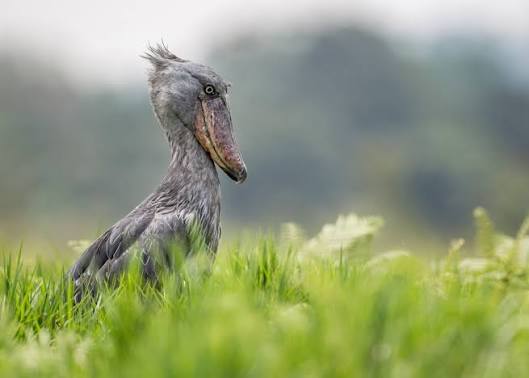
Few wildlife experiences compare to seeing a shoebill standing quietly in a Ugandan wetland. The bird’s towering height, prehistoric appearance, and calm behavior make it one of Africa’s most sought-after photography subjects. For photographers, both beginners and professionals, capturing a clear image of a shoebill becomes the main reason for visiting Uganda’s famous wetlands.
Your first encounter can be exciting. Success depends on preparation more than expensive equipment. Weather, timing, patience, and respect for nature all play a role in creating photographs. Understanding how the bird behaves before you arrive helps you avoid mistakes and increases your chances of returning home with outstanding images.
Whether you are carrying a DSLR, a mirrorless camera, or even a bridge camera with a powerful zoom, thoughtful planning can make a significant difference. These practical suggestions will help you enjoy the experience while protecting one of Uganda’s remarkable birds.
Prepare Before Leaving for the Wetlands
Research is one of the valuable tools any wildlife photographer can use. Learn about the wetlands where shoebills are regularly seen, including Mabamba Swamp, Murchison Falls National Park, and selected marshes around Lake Albert and the Nile system. Each location offers scenery, lighting conditions, and viewing opportunities.
Understanding the seasons for bird photography also helps. Although shoebills can be seen throughout the year, the dry months often provide navigation through wetlands and clearer skies for photography.
Before traveling, check your camera equipment carefully. Charge every battery, clean your lenses, format memory cards, and pack backups whenever possible. Wildlife opportunities rarely wait while equipment problems are solved.
A waterproof backpack is equally important because wetlands can become unexpectedly wet from rain splashing water or morning dew.
Start Your Journey
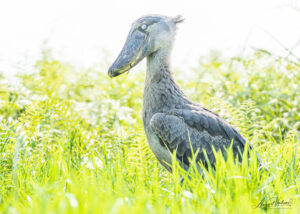
Early mornings provide opportunities to photograph shoebills. Soft golden sunlight creates colors, gentle shadows, and balanced exposure. The bird also tends to be more active during the hours before midday temperatures rise.
Local guides often begin boat trips after sunrise because this is when wetlands remain calm, and bird activity increases. Water surfaces become smoother, reducing reflections that can interfere with photography.
Starting early also means boats are fewer, creating quieter conditions that reduce the chances of disturbing wildlife.
Let Patience Become Your Greatest Photography Tool
Many first-time visitors expect sightings. In reality, successful shoebill photography usually rewards those to wait.
A shoebill may remain still for twenty or thirty minutes before suddenly hunting fish. Those quiet moments often create photographs because the bird’s intense stare becomes the center of attention.
Avoid rushing from one location to another. Allow your guide time to observe movement, listen for bird calls, and quietly approach suitable viewing areas.
Patience often produces images rather than constantly changing positions.
Choosing the Right Camera Settings for Wildlife Photography
When you are taking pictures of animals in the wild, like in wetlands, you have to be ready for anything because the light can change fast.
You should use a kind of focus that keeps moving when you are taking pictures of birds that are flying around. When the birds are hunting or flying, take a lot of pictures really fast so you can get the best shot.
Make sure your camera is set to take pictures, especially when you are on a boat and the birds are moving around. If you can, take pictures at 1/1000 of a second so the birds do not look blurry.
If it is cloudy in the morning and it gets dark, you can make your camera more sensitive to light so you can still take pictures. This is better than taking pictures that’re blurry.
Try to take pictures in a format called RAW. This format saves information about the picture so you can make it look better on your computer without making it look bad.
Respecting the Birds’ Space is Very Important
When you are taking pictures of animals in the wild, you have to think about the animals’ feelings, not just about getting a good picture.
Do not ask your guide to get too close to the birds just so you can fill up your camera frame. Some birds, like Shoebills, are calm. If you bother them too much, they will get scared, and you will not be able to see them again.
Be quiet when you are approaching the birds. If you talk loudly, move suddenly, or stand up in the boat, you will scare the birds away.
Listen to what your guide says and do what they tell you. This will keep you and the birds safe. Make it easier to take good pictures.
Understanding Shoebill Behavior is Key to Good Pictures
If you know what the bird is going to do, you can take pictures because you will be ready.
Shoebills stand still for a time, watching for fish and frogs in the water. They are very patient. Wait for the right moment to catch their food.
When they see something to eat, they move fast. This only lasts for a second, so you have to be ready to take a picture.
Watch how the bird moves its body. If it moves its head, looks at something, or changes its position, it might be getting ready to catch something.
Ten Tips for Your First Shoebill Photography Trip to Take Better Pictures
Taking a picture that’s sharp and clear is great, but making the picture look nice is what makes it really special.
Try not to crop the picture much around the bird. Leave some space around it so you can see the plants, water, and mist around it.
Take pictures from angles if you can, but do not scare the bird. Taking pictures at the same level as the bird makes the picture look more emotional than taking it from above.
Look at what’s behind the bird. If the background is clean and simple, the bird will stand out more than if there are branches or bright objects behind it.
When the water is calm, you can take pictures that are symmetrical, especially in the morning.
Using Natural Light to Take Better Pictures on Your First Shoebill Photography Trip
The light in your picture sets the mood of the thing.
The warm light in the morning makes the picture look nice and cozy without making the colors too bright. The soft light on the side shows the texture of the bird’s feathers. Makes its bill look really cool.
Do not use flash much because it can scare the birds and make the picture look fake.
Even if it is cloudy, you can still take pictures. The light is soft and even. It makes the birds’ feathers look really nice.
Learning to work with the light makes you a better photographer and gives you more ideas for taking pictures throughout the day.
Dress for Comfort and Safety
The clothes you wear affect how comfortable you are and how you interact with wildlife.
You should choose clothes that’re lightweight and breathable, like olive, brown, or khaki colors. These colors are good because they do not stand out much. If you wear clothes, you might scare away the animals and not be able to get close to them.
It is a good idea to wear a hat with a wide brim to protect your face and neck from the sun.
You should also wear shoes that are waterproof. This is important when you are getting on and off boats or walking on paths.
Do not forget to bring water, sunscreen, and insect repellent with you. The weather in the wetlands can change quickly. It is a good idea to bring a lightweight rain jacket too.
If you are comfortable, you can focus on taking pictures.
Work Closely With Local Birding Guides
The local bird guides in Uganda are very helpful. They know a lot about the birds. Can show you where to find them.
These guides have spent a lot of time studying the birds and know how to recognize them. They can tell you about the weather, what the birds eat, and where they go at times of the year. This makes it more likely that you will see the birds you want to photograph.
You should listen to what the guides say about how to take pictures. They can tell you where to stand, how to use the light, and how to move the boat.
The guides also know how to protect the birds and their homes. They can show you how to get close to the birds without scaring them
If you work with guides, you are helping the community and supporting conservation efforts.
Capture More Than the Bird
When you are taking pictures of birds, do not just focus on the bird. Try to capture the scene, including the landscape and other things around you.
Take pictures of the plants and trees in the wetlands. Capture images of people fishing or paddling canoes.
Include things like reflections, sunrises and distant birds in your pictures. This will help tell a story about your trip and the things you saw.
If you include details like flowers, water, and insects in your pictures, they will be more interesting.
Keep Learning After Every Trip
Every time you go on a photography trip, you can learn something
When you get home, look at your pictures. Think about what you did well and what you could do better. Notice which camera settings worked best and which pictures you like the most.
Do not be discouraged if you missed some shots. Think about what you could have done and try to do better next time.
The more you practice, the better you will get. Many photographers have to go on trips before they get the pictures they want.
Making Every Encounter Meaningful
Taking pictures of birds is not about getting good photos. It is also about learning about the birds and their homes.
If you are respectful and careful, you can help protect the birds and their habitats. You can support conservation efforts and local communities by being a visitor.
The time you spend watching and learning about birds can be very meaningful. It is not about taking pictures but about experiencing nature and appreciating its beauty.
If you approach your trip with a mind and a willingness to learn, you will have a great time. Some days you will take good pictures and other days you will learn valuable lessons about patience and observation.
By following these tips, you can make your trip to see the shoebill a success. It is not about taking pictures but about having a meaningful experience and learning about the birds and their habitats. Every day is a chance to learn, grow, and take great pictures.