
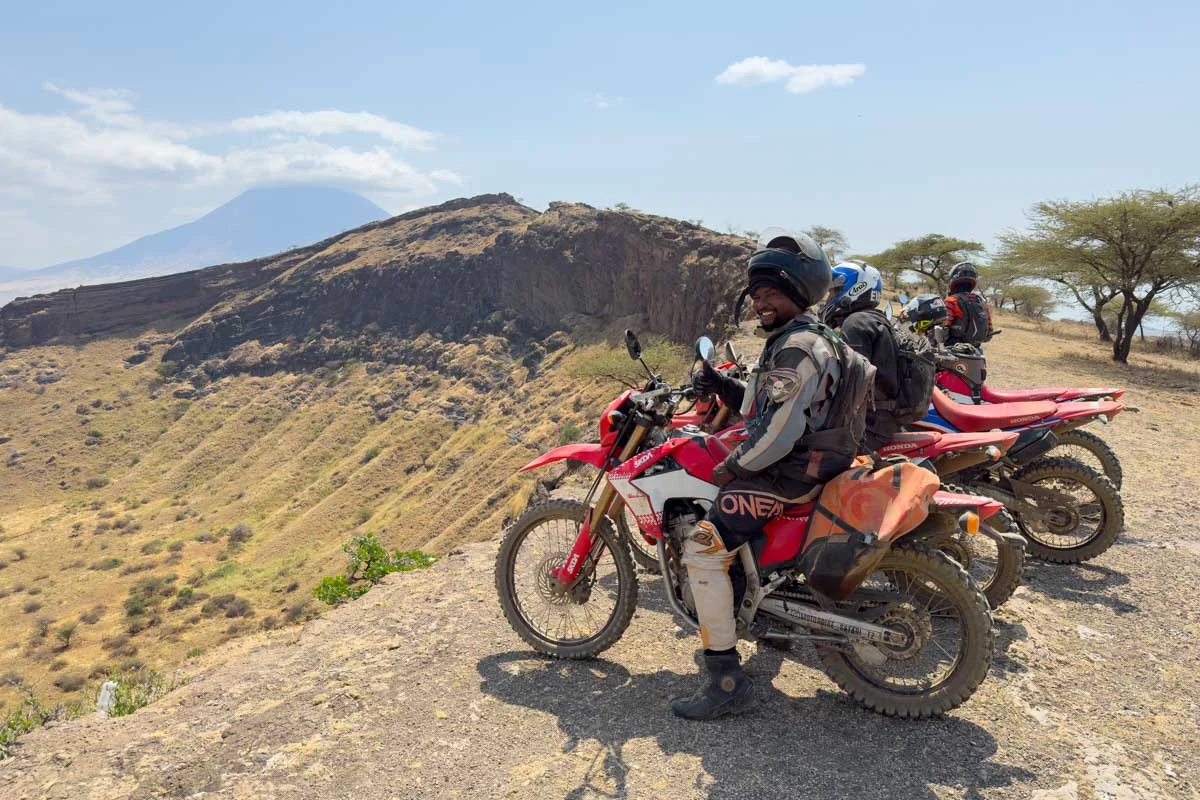
Motorbike Touring in East Africa: Routes, Rentals and Safety
Motorbike touring in East Africa offers a distinctive way to explore the region’s landscapes, cultures and wildlife destinations. Travelling on two wheels brings you closer to the countryside, from Rwanda’s green highlands to Uganda’s lakeside roads, Kenya’s Great Rift Valley and Tanzania’s northern landscapes. Riders can stop in small towns, visit local markets and enjoy scenic journeys at their own pace.
The region offers routes for different riding abilities, from straightforward paved roads to challenging mountain roads and gravel tracks. However, motorcycle touring requires careful preparation. Main highways can carry heavy trucks and buses, rural roads may have potholes and livestock, and weather conditions can change quickly in mountainous areas. Choosing a suitable motorcycle, checking local regulations and wearing protective equipment are essential for a successful journey.
Whether you are planning a short ride around Kigali, a countryside trip in Uganda or a multi-country expedition, the best approach is to balance adventure with safety. A realistic itinerary should allow enough time for rest, fuel stops, changing road conditions and unexpected delays.
Why Choose a Motorbike Tour in East Africa?
Motorcycle touring gives travellers flexibility when exploring destinations that are difficult to experience fully from a bus or private car. Riders can stop at viewpoints, visit roadside communities and explore smaller towns without following a rigid sightseeing schedule. On quieter roads, the experience can feel particularly personal because you are closer to the scenery and daily life around you.
East Africa offers considerable geographical variety. Depending on the route, a journey may include tropical countryside, tea plantations, volcanic highlands, lakeside communities, open savannah and winding mountain roads. Travelling across several countries provides opportunities to experience different cultures and landscapes within one holiday.
Motorbike touring can also complement other tourism activities. A traveller might spend several days riding through the countryside before joining a guided safari, visiting a lake or arranging a primate trekking experience. However, motorcycles cannot replace authorised safari vehicles where park rules require them, and some protected areas restrict motorcycle access. Always confirm the regulations of a specific destination before including it in your route.
Motorbike Touring Routes in Rwanda
Rwanda is a useful destination for riders interested in green hills, scenic roads and lakeside towns. Kigali provides a practical starting point, with routes leading towards Lake Kivu, the northern highlands and other parts of the country.
The journey from Kigali towards Rubavu, on the northern shore of Lake Kivu, offers a combination of countryside scenery, rolling hills and mountain roads. Riders can stop in towns along the way, enjoy views of the surrounding landscape and spend time near the lake. The route requires attention because bends, elevation changes and rain can affect riding conditions.
Karongi, on the eastern shore of Lake Kivu, is another option for travellers looking for a lakeside destination. Depending on the chosen route, the journey may include winding roads and steep sections. Allow sufficient time to ride comfortably rather than attempting to cover the distance as quickly as possible.
The Congo Nile Trail region is known for its rural scenery and views across Lake Kivu. However, the trail includes sections designed for hikers and cyclists, and not every section is suitable for motorcycles. Riders should identify roads open to motor vehicles and avoid assuming that a walking or cycling route can be followed by bike.
Rwanda’s highland terrain can produce changing weather conditions. Rain may make unpaved surfaces slippery, while mist can reduce visibility. Riders should check local conditions before departure and avoid difficult secondary roads if they lack suitable experience or equipment.
Motorbike Touring in Uganda
Uganda offers routes through agricultural countryside, lakeside areas, mountain regions and small towns. Kampala is a common starting point, although traffic in the capital can be demanding for riders unfamiliar with local conditions.
The journey from Kampala to Jinja is a practical option for a shorter trip. Jinja is known for its connection to the River Nile, outdoor activities and surrounding countryside. The main road carries substantial traffic, including buses, trucks, motorcycles and private vehicles. Riders should anticipate congestion near urban areas, busy junctions and trading centres.
Once in the Jinja region, travellers can explore the town, arrange activities around the Nile and visit nearby communities. Additional countryside routes can be included according to the rider’s experience and the condition of the roads. Check the surface before taking smaller routes, particularly after rain.
For a longer journey, western and southwestern Uganda offer striking scenery. Routes towards Kabale and Lake Bunyonyi pass through agricultural areas and increasingly hilly terrain. The roads around Lake Bunyonyi provide access to lakeside accommodation and viewpoints, but some sections are steep or winding. Fog and rain can make riding more difficult, particularly in the morning and evening.
Travellers considering routes towards Bwindi Impenetrable National Park should plan carefully. Access roads may be narrow, rough or winding, and the final approach depends on the location of the accommodation and trekking sector. Confirm motorcycle access and parking arrangements in advance. Gorilla trekking itself requires separate arrangements and compliance with the park’s rules.
Motorbike Touring in Kenya
Kenya offers a wide range of riding experiences, from the busy roads around Nairobi to highland countryside and routes overlooking the Great Rift Valley. Riders can combine urban visits with scenic stops and longer journeys towards established tourism destinations.
The route from Nairobi towards the Great Rift Valley is an option for travellers interested in expansive views and highland scenery. Traffic around Nairobi can be challenging, with frequent lane changes, buses, minibuses and motorcycles moving through congested areas. Riders should allow additional time to leave the city and avoid beginning a long journey while tired.
Beyond the urban area, road conditions vary by route. Major highways may have good surfaces but also carry fast-moving traffic and heavy vehicles. Smaller roads can be more scenic, but may include potholes, loose gravel and narrow shoulders. Check conditions before choosing a detour.
Travellers can extend a tour towards destinations such as Lake Nakuru or other parts of the Kenyan highlands. However, national parks and reserves have specific vehicle regulations. Do not assume that private motorcycles are permitted on every park road or suitable for game drives. Confirm access requirements before including a protected area in the itinerary.
Motorbike Touring in Tanzania
Northern Tanzania offers opportunities to combine motorcycle touring with rural scenery, highland towns and cultural experiences. Arusha is a practical base for exploring the surrounding region and planning longer journeys.
Routes around Arusha pass through agricultural areas, settlements and open countryside. Traffic may be busy near towns, while rural roads can have livestock, pedestrians and slow-moving vehicles. Riders should reduce speed around markets and built-up areas, where people may cross unexpectedly.
Longer journeys towards Tanzania’s northern safari destinations require additional preparation. Distances can be substantial, and road conditions vary. Some routes leading towards national parks may be unsuitable for motorcycles or subject to access restrictions. Confirm the rules and current road conditions before departure.
Riders should also consider fuel availability, accommodation and repair options. Remote stretches may have fewer services than major towns, and a mechanical problem can cause substantial delays. Plan fuel stops in advance and carry the essentials needed for a safe journey.
Planning a Multi-Country Motorcycle Tour
A multi-country tour linking Uganda, Rwanda, Kenya and Tanzania can be an ambitious adventure, but it requires more preparation than a journey within one country. Border procedures, vehicle documents, insurance and rental conditions must be considered before departure.
Start by selecting a realistic route and deciding how many days you can devote to riding. Avoid planning long distances every day. Traffic, roadworks, weather and border queues can make journeys much longer than expected.
Check that your driving licence authorises you to ride the motorcycle category you intend to use. An international driving permit may also be required, depending on your circumstances and the country you visit. Confirm the current requirements with the relevant authorities before travelling.
If you rent a motorcycle, obtain written permission for every planned border crossing. Ask whether the rental company provides the necessary vehicle documents and whether insurance remains valid in each country. Additional charges or restrictions may apply.
A guided tour can simplify route planning and logistics, especially for riders unfamiliar with East Africa. Independent touring offers more freedom but requires greater responsibility for navigation, maintenance and border arrangements. Choose the approach that matches your riding experience and confidence.
Renting a Motorbike in East Africa
Renting a motorcycle can be more practical than transporting your own bike from overseas. Rental availability varies by destination, so arrange the motorcycle before travelling, especially if you need a particular model or intend to cross borders.
Choose a motorcycle that matches your experience and the terrain. A smaller dual-sport bike may be easier to manage on mixed paved and unpaved roads than a heavy touring model. Larger motorcycles may offer greater comfort on highways but can be difficult to manoeuvre on steep or muddy sections.
Before paying, ask what the rental price includes. Helmets, luggage, insurance, fuel, roadside assistance and delivery may be included or charged separately. Clarify the deposit, damage policy and procedure for handling mechanical failures.
Inspect the motorcycle before accepting it. Check the tyres, brakes, lights, mirrors, chain and visible signs of damage. Test the controls and confirm that the motorcycle starts and runs properly. Photograph existing damage and make sure it is recorded in the rental agreement.
Ask about the fuel type, routine maintenance and availability of replacement parts. For long-distance journeys, find out how the company responds if the motorcycle breaks down far from its main office. Keep the rental provider’s contact details accessible throughout the trip.
Choosing the Right Motorcycle
The best motorcycle depends on the route, riding experience, luggage and passenger requirements. No single model is ideal for every East African journey.
A small or medium-capacity motorcycle can be practical for shorter trips and mixed road conditions. It is often easier to manoeuvre at low speeds and may be simpler to manage when parking or turning around on narrow roads. Seat height, weight, suspension and braking performance are just as important as engine size.
Dual-sport and adventure motorcycles can suit routes that combine paved roads with manageable gravel sections. Their suspension and riding position may improve comfort on uneven surfaces. However, riders should not attempt demanding off-road terrain without the appropriate skills and equipment.
Large touring motorcycles may be comfortable for experienced riders covering long paved stretches. Their weight can become a disadvantage on loose gravel, steep inclines and muddy roads. Choose a motorcycle you can control confidently, including when stopping on uneven ground.
If you plan to carry a passenger, consider the additional weight and how it affects handling. Secure luggage firmly and distribute it evenly. Heavy bags positioned too high or too far behind the rear wheel can affect stability.
Motorcycle Licence and Border Documents
Before riding in East Africa, confirm that your driving licence authorises you to operate the motorcycle you intend to rent. A car licence does not necessarily permit motorcycle riding. International visitors should check whether an international driving permit is required alongside their valid home-country licence.
Carry your passport or accepted travel documents, driving licence, motorcycle registration papers and insurance documentation. Depending on the country and ownership arrangement, additional customs or temporary import documents may be required.
A carnet de passages may be relevant for certain privately owned vehicles, but it should not be assumed to be mandatory for every route. Confirm the precise requirements for each country before departure.
For rental motorcycles, obtain written confirmation that cross-border travel is authorised. Ask whether the rental provider supplies the required documents and whether additional insurance or fees apply. Do not assume that permission for you to enter a country automatically clears the motorcycle for use there.
Keep copies of important documents separately from the originals and store digital copies securely. At each border, follow the official immigration and customs procedures.
Motorcycle Insurance and Breakdown Support
Insurance is an essential part of motorcycle touring. Check that your policy covers motorcycle riding, the specific vehicle category and every country on your itinerary. Some travel insurance policies exclude motorcycle accidents unless the rider holds the correct licence or wears the required protective equipment.
Third-party insurance does not necessarily cover damage to the rented motorcycle, theft, medical expenses or recovery costs. Read the policy carefully and ask the insurer or rental provider to explain exclusions before departure.
If you are bringing your own motorcycle, confirm whether your existing insurance provides cover outside your home country. You may need additional cover for some destinations. Obtain written confirmation rather than relying on a verbal assurance.
Breakdown support is particularly important on remote routes. Ask whether assistance includes repairs, recovery, a replacement motorcycle or transport to the nearest workshop. Carry basic tools suited to your bike and a tyre repair kit if you know how to use it.
For remote journeys, tell someone your planned route and expected arrival time. Carry sufficient water, keep your phone charged and consider a reliable communication device if you will travel through areas with limited mobile coverage.
Essential Safety Gear for Motorcycle Touring
Protective equipment should be treated as essential. A properly fitted, approved helmet is the most important item. It should fit securely, have a functioning retention strap and be in good condition. Do not use a helmet that has sustained significant impact damage.
Wear a motorcycle jacket and trousers designed to provide abrasion resistance and impact protection. Gloves help protect the hands and improve grip, while sturdy riding boots provide support and protection for the feet and ankles.
Eye protection is also important. Dust, insects, wind and small stones can interfere with vision, especially on gravel roads. A suitable helmet visor or riding goggles can help protect your eyes.
Weather conditions vary with altitude and season. Lightweight clothing may be comfortable in warmer areas, but highland routes can be cool and wet. Waterproof outer layers and removable thermal layers allow you to adapt without sacrificing protection.
Carry a basic first-aid kit and know how to use its contents. A charged phone, emergency contacts and a power bank are also useful. For remote routes, plan how you would contact assistance if your motorcycle became unusable.
Road Safety Tips for East African Riders
Road conditions require constant attention. Maintain a safe following distance, anticipate the actions of other road users and avoid sudden manoeuvres. Large vehicles have blind spots, and their drivers may not see a motorcycle approaching alongside them.
Be careful around buses, trucks and minibuses that stop frequently. Motorcycles can be less visible than cars, particularly in busy traffic. Use your lights appropriately, position yourself where other drivers can see you and avoid remaining in blind spots.
Potholes and loose gravel can destabilise a motorcycle. Look well ahead, reduce speed before reaching damaged sections and avoid sudden braking or steering on loose surfaces. Do not overtake when dust, bends or traffic prevent you from seeing the road ahead clearly.
Pedestrians and livestock are common hazards on some rural roads. People may cross unexpectedly, and animals can move unpredictably. Slow down around villages, schools, markets and areas where livestock are grazing.
Rain reduces tyre grip and can increase stopping distances. When the road becomes wet, reduce speed, increase following distance and avoid sudden acceleration or braking. Standing water may conceal potholes, so avoid riding through deep water when you cannot assess the surface beneath it.
Avoid riding after dark whenever possible, particularly on unfamiliar rural roads. Poor lighting, unlit vehicles, animals and unexpected obstacles can make night riding more dangerous. Plan your departure time so you can reach your accommodation before nightfall.
Never ride after consuming alcohol or while affected by medication that causes drowsiness or reduces alertness. Fatigue can also impair judgement and reaction time. Take regular breaks and stop when you are tired.
The Best Time for Motorbike Touring in East Africa
Dry periods are generally preferable for motorcycle touring, especially when routes include gravel roads, rural tracks or mountainous terrain. June to September and December to February are often useful planning periods in parts of the region, but local weather patterns vary and rain can occur at any time.
Dry roads usually provide better traction on unpaved sections, although dust can reduce visibility. Leave enough space between motorcycles and avoid overtaking when the road ahead cannot be seen clearly.
Rainy periods can still be suitable for journeys focused on paved roads, provided that the itinerary remains flexible. Mud, erosion and standing water can make some secondary routes difficult or unsafe. Check local forecasts and recent road conditions before entering remote areas.
Temperature also changes with elevation. Lowland destinations can be hot, while highland areas may be cool in the morning and evening. Pack protective clothing suitable for a range of conditions.
The best travel period depends on the specific roads and countries you plan to visit. Check conditions close to departure and be prepared to change your route if heavy rain or road damage makes a planned section unsuitable.
Guided Motorbike Tours or Independent Riding?
A guided motorcycle tour can be useful for visitors unfamiliar with East African roads. A guide may help with navigation, accommodation, route planning and local conditions. Depending on the package, the tour may include a support vehicle, mechanical assistance and help with border documents.
Before booking, clarify the group size, daily riding distance, motorcycle model, accommodation standard and support arrangements. Ask what happens if a participant cannot continue riding or if weather makes the planned route unsafe.
Independent touring provides more freedom to stop, explore and change plans. It is best suited to riders who are confident navigating unfamiliar roads, checking their motorcycle and responding to unexpected problems. Independent travellers should research fuel availability, repair options, border procedures and emergency contacts before departure.
Neither option guarantees a trouble-free trip. Consider how much responsibility you want to manage yourself and how prepared you are to handle mechanical or logistical difficulties.
Combining Motorcycle Touring With Safaris
Motorbike touring can complement a wider East African holiday. Travellers may spend several days riding through countryside and highlands before joining a guided game drive, visiting a lake or arranging a wildlife experience.
However, motorcycles are not suitable for every tourism activity. National parks may restrict motorcycle access or require visitors to use authorised vehicles for game drives. Do not approach wildlife or attempt to follow animals on a motorcycle.
If gorilla trekking is part of your itinerary in Uganda or Rwanda, arrange transfers and trekking activities separately. The roads leading to trekking areas may require careful riding, and the motorcycle may need to remain at approved accommodation or parking facilities while you trek.
Allow sufficient rest between riding days and scheduled activities. A long motorcycle journey followed by an early-morning trek or full-day safari can leave you tired. A rest day can make the holiday more comfortable and give you time to enjoy the destination.
Budgeting for a Motorcycle Tour
The cost of motorbike touring depends on the motorcycle, rental period, accommodation, fuel, insurance and route. Guided tours may cost more than independent travel but can include services such as a guide, support vehicle, mechanical assistance and accommodation.
Ask for a complete rental quotation rather than comparing only the daily rate. Check whether the price includes protective equipment, luggage, insurance, roadside support and permission to cross borders. Clarify the deposit, damage policy and return conditions.
Fuel costs depend on distance, the motorcycle’s fuel consumption and local prices. Plan fuel stops carefully in remote areas, where stations may be widely spaced or may not always have the fuel you need. Avoid waiting until the tank is nearly empty before looking for the next station.
Accommodation costs vary between cities, tourist towns and rural destinations. Booking in advance can be useful during busy periods, particularly if you need secure motorcycle parking. Ask accommodation providers about safe overnight parking before confirming your reservation.
Keep a contingency fund for unexpected repairs, extra nights, transport changes and border delays. A realistic budget should allow for problems rather than assuming every part of the journey will go exactly as planned.
Planning a Safe and Enjoyable Motorcycle Journey
Motorbike touring in East Africa offers a rewarding way to experience the region’s scenery, communities and varied road networks. Rwanda provides highland and lakeside journeys, Uganda offers countryside and mountain routes, Kenya combines major highways with scenic landscapes, and Tanzania provides extensive rural and northern touring opportunities.
The key is to match the route to your experience, choose a suitable motorcycle and prepare for unfamiliar road conditions. Confirm your licence, insurance and border documents before departure, inspect rental motorcycles carefully and wear proper protective equipment throughout the journey.
Plan realistic daily distances, avoid unnecessary night riding and remain flexible when weather or road conditions change. With sensible preparation, a motorcycle tour can become a memorable part of an East African holiday.


No comment