
Pian Upe Wildlife Reserve in Karamoja
Pian Upe Wildlife Reserve in Karamoja: What to Expect on a First Visit
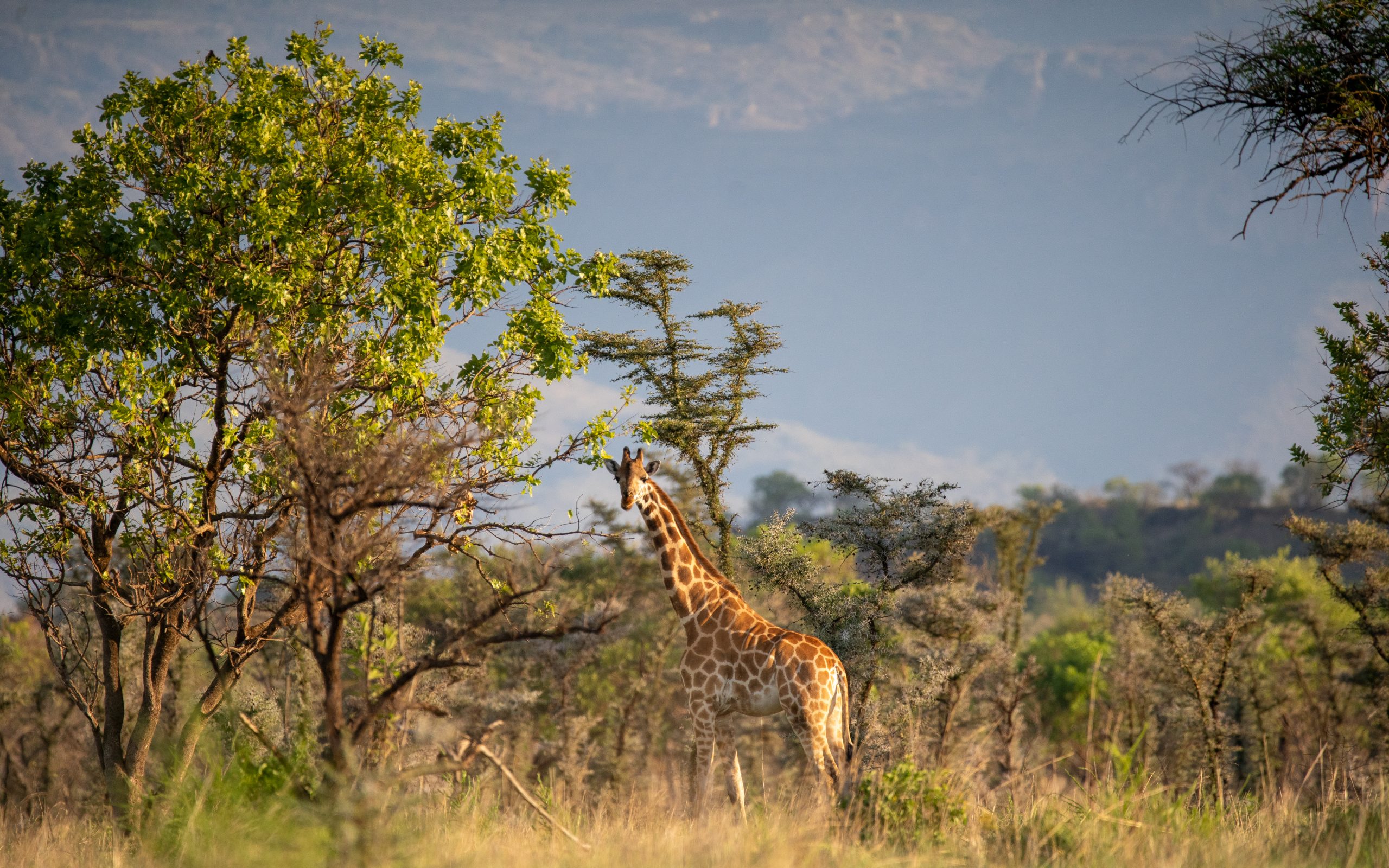
Pian Upe Wildlife Reserve in Karamoja is one of Uganda’s most exciting destinations for travellers seeking uncrowded wilderness, unusual wildlife and authentic safari experiences. Located in northeastern Uganda, this expansive conservation area features open savannah grasslands, rocky hills, acacia woodland and magnificent views towards Mount Kadam.
Unlike popular destinations such as Queen Elizabeth and Murchison Falls national parks, Pian Upe receives relatively few visitors. Its remote location creates a peaceful environment where travellers can explore wildlife habitats without encountering large numbers of safari vehicles.
The reserve is particularly known for roan antelopes, elands, ostriches and a small population of cheetahs. Visitors can enjoy game drives, guided nature walks, birdwatching and cultural experiences with neighbouring Karamoja communities.
For first-time visitors, understanding the road conditions, accommodation choices and wildlife-viewing opportunities is essential for planning an enjoyable journey.
Where Is Pian Upe Wildlife Reserve Located?
Pian Upe Wildlife Reserve lies in northeastern Uganda, within the wider Karamoja landscape.
It extends across approximately 2,314 square kilometres, making it one of Uganda’s largest protected wildlife areas.
The reserve is accessible from the Mbale–Moroto road, with its headquarters at Moruajore.
Mount Kadam rises dramatically above the eastern landscape, creating beautiful scenery for photography.
Quick Facts About Pian Upe
| Feature | Description |
|---|---|
| Country | Uganda |
| Region | Karamoja |
| Protected area | Wildlife reserve |
| Approximate size | 2,314 km² |
| Nearest major town | Mbale |
| Main access road | Mbale–Moroto |
| Famous wildlife | Roan antelope, eland, ostrich and cheetah |
| Main activities | Game drives, nature walks and birdwatching |
| Recommended stay | 2–3 days |
| Best travel conditions | Relatively dry months |
1. What Makes Pian Upe Different?
Pian Upe offers a different atmosphere from Uganda’s established national parks.
Its enormous open plains create a feeling of isolation, while distant mountains provide dramatic scenery.
Wildlife is often scattered across extensive habitats rather than concentrated around busy tourism routes.
Visitors should therefore expect slower game drives and longer periods spent searching for animals.
The experience is especially attractive to travellers who appreciate wilderness landscapes, birdwatching and conservation.
However, Pian Upe is not the best destination for anyone expecting frequent close-up sightings of the Big Five.
Its appeal comes from unusual species, open spaces and the opportunity to explore a less-developed safari destination.
2. Wildlife You May See in Pian Upe
Pian Upe supports several important savannah wildlife species.
Its grasslands provide suitable habitats for grazing mammals, while rocky areas and woodland support additional animals.
Roan Antelopes
The reserve is particularly important because it protects Uganda’s only remaining known population of roan antelope.
These large antelopes have distinctive facial markings, long ears and backward-curving horns.
They are uncommon, making sightings especially rewarding.
Elands
Common elands are among Africa’s largest antelope species.
They have powerful bodies, spiral horns and pale brown coats.
Pian Upe supports substantial eland populations, although individual sightings depend on location and season.
Cheetahs
Cheetahs occur in Pian Upe, but their population is small.
Visitors should consider a cheetah sighting an exceptional experience rather than a guaranteed safari attraction.
Other Mammals
Wildlife includes Jackson’s hartebeests, oribis, zebras, giraffes and various smaller mammals.
Leopards are also present but difficult to observe.
3. Birdwatching in Pian Upe
Birdwatching is one of the reserve’s major attractions.
The area supports dry-country birds, savannah species and birds associated with seasonal wetlands.
Its mixture of open grassland and woodland creates excellent opportunities for experienced birdwatchers.
Birds to Look For
Common Ostrich: One of the reserve’s most recognisable birds, often associated with open plains.
Secretarybird: A distinctive long-legged bird that searches grasslands for small animals.
Karamoja Apalis: A regionally important bird associated with suitable dry thornbush habitats.
Fox’s Weaver: An important Ugandan bird species associated with suitable seasonal wetland landscapes, particularly around Lake Opeta.
Raptors: Eagles, vultures and other birds of prey may be observed searching for food.
Birdwatchers should carry binoculars and allow time for careful observation.
4. Game Drives Across the Open Plains
Game drives are among the most enjoyable activities at Pian Upe.
Visitors explore designated tracks through grasslands and woodland while searching for wildlife.
Unlike some national parks, animal sightings can require considerable patience.
An experienced guide can help identify suitable areas and interpret tracks, feeding signs and animal behaviour.
Best Time for Game Drives
Early morning is generally favourable because temperatures are cooler and some animals remain active.
Late afternoon can also provide rewarding sightings.
Midday temperatures may become uncomfortable, particularly during dry periods.
A four-wheel-drive vehicle is strongly recommended because some tracks are rough and may become difficult after rainfall.
5. Guided Nature Walks
Pian Upe provides opportunities for guided walking experiences arranged through the relevant wildlife authorities.
Walking allows visitors to appreciate the landscape at a slower pace.
A ranger may explain animal tracks, vegetation and smaller wildlife that are easy to overlook during vehicle-based safaris.
What to Expect
Walking activities depend on weather, wildlife movements and current access arrangements.
Visitors should never explore wildlife habitats on foot without an authorised guide or ranger.
The reserve contains potentially dangerous animals, and some areas are remote.
Suitable footwear, drinking water and sun protection are important.
6. Cultural Experiences Around Karamoja
The communities surrounding Pian Upe have longstanding cultural traditions connected to pastoralism and rural life.
The name Pian Upe reflects local ethnic and cultural associations.
Visitors may arrange respectful cultural encounters through recognised community guides.
What You May Learn
Experiences can introduce travellers to livestock keeping, traditional homesteads, food preparation and local crafts.
Cultural programmes should involve willing community participants who benefit fairly from tourism.
Visitors should request permission before photographing people or entering private property.
Respectful interaction is essential for meaningful community tourism.
7. The Landscape and Mount Kadam
Mount Kadam is one of the most striking geographical features near Pian Upe.
Its rugged slopes rise above surrounding savannah plains.
The mountain provides an impressive background for landscape photography.
Rocky outcrops, seasonal streams and open grassland create varied scenery throughout the reserve.
Hiking Opportunities
Specialised hikes around Mount Kadam may be possible with appropriate guides and arrangements.
However, mountain excursions are different from ordinary reserve game drives.
They require advance planning, suitable equipment and consideration of local access conditions.
Travellers should confirm routes and permissions before attempting longer hikes.
8. Best Time to Visit Pian Upe
Pian Upe can be visited during different seasons, but relatively dry conditions generally make travelling easier.
December to March and June to September are often favourable periods.
During these months, some wildlife may become easier to locate around remaining water sources.
Grass is also frequently shorter, improving visibility.
Visiting During Rainy Months
Rainfall transforms parts of the reserve into green landscapes.
Birdwatching may become particularly rewarding.
However, muddy tracks and seasonal flooding can restrict access.
Travellers should obtain recent road information before departure.
9. How to Reach Pian Upe Wildlife Reserve
Most visitors travel to Pian Upe by road.
From Kampala, the usual route passes through Jinja and Mbale before continuing north towards the reserve.
The journey commonly takes approximately seven to nine hours, depending on traffic, weather and road conditions.
From Mbale, the reserve’s southern access area is roughly 90 kilometres away.
Why a Four-Wheel-Drive Vehicle Matters
Some roads and internal tracks are rough.
During wet weather, muddy sections may be difficult for ordinary vehicles.
A reliable four-wheel-drive safari vehicle provides greater flexibility.
Travellers should carry sufficient fuel, drinking water and essential supplies before entering remote areas.
10. Accommodation in Pian Upe
Accommodation inside the reserve is relatively limited.
The Uganda Wildlife Authority operates simple visitor facilities near the Moruajore headquarters, including bandas and camping arrangements.
These facilities provide a practical base for game drives.
However, visitors should not expect the extensive luxury accommodation found in more developed national parks.
Accommodation Options
| Accommodation | What to expect |
|---|---|
| UWA bandas | Basic rooms near reserve headquarters |
| Camping | Outdoor accommodation with limited facilities |
| Accommodation around Mbale | More urban hotel choices, but farther from the reserve |
| Sipi Falls lodges | Scenic accommodation suitable for regional itineraries |
Advance reservations are recommended because available facilities are limited.
11. Entrance Fees and Safari Costs
Pian Upe is managed by the Uganda Wildlife Authority.
Visitors generally pay conservation entrance fees, while additional charges may apply for vehicles, guiding and selected activities.
Fees differ according to visitor category.
The published conservation tariff covering July 2024 to June 2026 has expired, so travellers planning a visit in late 2026 should confirm the current tariff before budgeting.
Accommodation, transport and meals are usually additional expenses.
Booking through a reliable safari operator can help simplify arrangements.
12. What to Pack for Pian Upe
The reserve’s remote conditions make preparation important.
Travellers should carry appropriate clothing, basic medical supplies and sufficient drinking water.
Recommended items include:
Lightweight safari clothing.
Comfortable walking shoes.
A wide-brimmed hat.
Sunscreen.
Binoculars.
Camera and spare batteries.
Drinking water.
Insect repellent.
Personal medication.
A small first-aid kit.
Visitors camping inside the reserve should confirm whether bedding, meals and camping equipment are provided.
13. Suggested Three-Day Pian Upe Itinerary
Day One: Travel to Karamoja
Leave Kampala early and travel through Jinja and Mbale.
Continue towards Pian Upe, enjoying views of eastern Uganda’s countryside.
Arrive at the reserve, complete the required arrangements and settle into your accommodation.
Day Two: Game Drives and Nature Experiences
Begin with an early morning game drive.
Search for elands, hartebeests, zebras and other savannah wildlife.
After lunch, enjoy another guided activity, depending on availability.
Spend the evening appreciating the quiet atmosphere.
Day Three: Return Journey
Enjoy a short morning wildlife experience if time permits.
Depart towards Mbale and continue to Kampala or another destination.
14. Combining Pian Upe With Sipi Falls
Sipi Falls is one of the most attractive destinations near Mount Elgon.
It is frequently included in itineraries travelling towards Pian Upe.
Visitors can enjoy waterfall walks, coffee experiences and views of the surrounding highlands.
A combined itinerary offers both mountain scenery and savannah wildlife.
Travellers should allow sufficient time because road conditions and activity durations vary.
15. Combining Pian Upe With Kidepo Valley
Pian Upe can also form part of a longer northeastern Uganda safari.
Travellers may continue through Karamoja towards Kidepo Valley National Park.
Kidepo is famous for its extensive savannah landscapes, buffalo herds, lions and distinctive dry-country scenery.
Combining the two protected areas provides opportunities to explore different habitats.
However, the journey involves substantial driving, so overnight stops should be planned carefully.
16. What First-Time Visitors Should Know
Pian Upe rewards travellers who enjoy remote destinations.
Wildlife sightings can be unpredictable, and facilities are relatively basic.
Mobile network coverage may be unreliable in some locations.
Visitors should travel with experienced guides and follow reserve regulations.
Important Safety Advice
Remain inside your vehicle during game drives unless your guide confirms otherwise.
Never approach wild animals on foot without an authorised ranger.
Avoid driving on unapproved tracks.
Do not feed wildlife.
Carry away all rubbish.
Respect local communities and conservation rules.
Why Pian Upe Is Worth Visiting
Pian Upe Wildlife Reserve offers one of Uganda’s most distinctive wilderness experiences.
Its open plains, unusual antelope species, birdlife and dramatic mountain scenery make it attractive to adventurous travellers.
Unlike more established safari destinations, Pian Upe offers relatively quiet game drives and opportunities to appreciate wildlife without large crowds.
However, first-time visitors should prepare for basic accommodation, long driving distances and unpredictable wildlife sightings.
For travellers exploring eastern Uganda or Karamoja, Pian Upe provides an opportunity to discover a less-visited conservation landscape while supporting responsible wildlife tourism.



No comment