
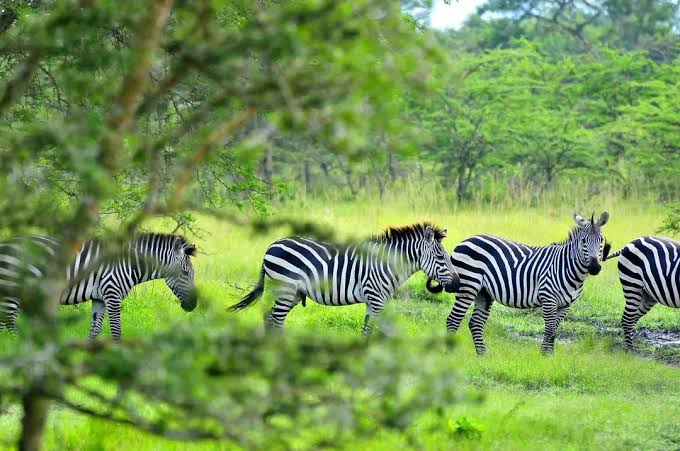
Katonga Wildlife Reserve
Katonga Wildlife Reserve: A Swamp-Species Stop on the Western Road
Uganda is a peaceful destination for travellers interested in wetland wildlife, guided nature walks and unusual antelope species. Located within the Kyenjojo and Kamwenge districts, the reserve protects approximately 207 square kilometres of grasslands, papyrus swamps, woodland and riverine habitats.
Unlike Uganda’s famous national parks, Katonga offers a quieter wildlife experience. Its main attraction is the sitatunga, a shy antelope specially adapted to living in swampy environments. The reserve also supports waterbucks, reedbucks, primates and numerous bird species.
For travellers heading towards Fort Portal, Kibale National Park or other western Uganda destinations, Katonga provides an interesting wildlife detour. However, the reserve is not directly beside the main highway, and visitors should allow additional travelling time.
Where Is Katonga Wildlife Reserve Located?
Katonga Wildlife Reserve lies in western Uganda along the Katonga River wetland system.
The reserve is administered by the Uganda Wildlife Authority under the Kibale Conservation Area.
Travellers normally approach through Kyegegwa town along the Kampala–Fort Portal highway.
From Kyegegwa, a signposted road continues approximately 42 kilometres southwards towards the reserve.
Quick Facts About Katonga
| Feature | Description |
|---|---|
| Country | Uganda |
| Region | Western Uganda |
| Districts | Kyenjojo and Kamwenge |
| Area | Approximately 207 km² |
| Established | 1964 as a game reserve |
| Main wildlife | Sitatunga, waterbuck and reedbuck |
| Main habitats | Wetlands, savannah and woodland |
| Activities | Guided walking and birdwatching |
| Recommended visit | Half-day to full day |
| Management | Uganda Wildlife Authority |
1. Why Katonga Is Different
Katonga is not a conventional Big Five safari destination.
Much of its wildlife inhabits wetlands and dense vegetation rather than extensive open plains.
Visitors usually explore the reserve through guided walking activities rather than relying entirely on vehicle-based game drives.
Its diverse habitats allow travellers to observe animals adapted to different ecological conditions.
This makes Katonga especially attractive to birdwatchers, nature enthusiasts and visitors seeking quieter conservation areas.
2. Sitatunga: Katonga’s Special Antelope
The sitatunga is one of the reserve’s most important wildlife species.
This semi-aquatic antelope inhabits dense swamps and wetlands across parts of tropical Africa.
Its elongated, widely spread hooves help it move across soft, muddy vegetation.
Male sitatungas are generally larger and darker than females.
Their secretive behaviour makes sightings challenging.
Where to Look for Sitatunga
Sitatungas may feed near swamp edges where vegetation provides both food and cover.
They are often most difficult to observe when concealed within tall papyrus.
Early morning walks may offer opportunities to detect movement near suitable wetland margins.
However, sightings are never guaranteed.
Visitors should move quietly and follow experienced guides.
3. Other Antelopes in Katonga
Although sitatunga receives the greatest attention, Katonga supports additional antelope species.
Waterbucks inhabit suitable grassland and wetland-edge environments.
Reedbucks may be encountered around grasslands and marshy areas.
Bushbucks prefer vegetation offering greater cover.
Uganda kobs and smaller antelopes have also been recorded within the reserve.
Antelope Identification Guide
| Species | Main identifying feature |
|---|---|
| Sitatunga | Long, spread hooves adapted to swamps |
| Waterbuck | Large body and distinctive rump markings |
| Reedbuck | Medium-sized antelope associated with grasslands |
| Bushbuck | Shy antelope frequently using dense cover |
| Uganda kob | Reddish-brown coat and curved horns in males |
Animal movements depend on vegetation, season and local conditions.
4. Primates and Other Mammals
Katonga contains woodland and forest patches supporting primates.
Olive baboons may be encountered around suitable habitats.
Black-and-white colobus monkeys have also been recorded.
These animals depend on trees for feeding, movement and shelter.
The reserve additionally supports smaller mammals, including duikers and otters.
Elephants, buffaloes and leopards appear in official wildlife records, but visitors should not expect reliable sightings of these species.
Katonga is best appreciated for wetland biodiversity rather than large predator encounters.
5. Birdwatching in Katonga Wildlife Reserve
Birdwatching is another reason to visit Katonga.
The Uganda Wildlife Authority lists more than 150 bird species associated with its wetlands, savannah and forest habitats.
Papyrus vegetation supports specialised wetland birds, while woodland attracts different species.
Birds Visitors May Encounter
Herons and egrets search wet areas for aquatic prey.
Kingfishers may perch beside suitable waterways.
Weavers use grassland and wetland vegetation for nesting.
Eagles and other birds of prey may appear overhead.
The exact species encountered depend on seasonal conditions and the habitats explored.
Birdwatchers should carry binoculars and allow enough time for careful observation.
6. Guided Nature Walks
Walking is one of the principal ways to experience Katonga.
Guided trails pass through combinations of grassland, woodland and wetland margins.
The slower pace allows visitors to notice animal tracks, insects, vegetation and smaller wildlife.
Why a Guide Is Necessary
Wetlands contain unstable ground and potentially dangerous wildlife.
Some paths become difficult during heavy rainfall.
Authorised guides understand local conditions and know which areas are suitable for visitors.
Walking arrangements should be confirmed with reserve management before arrival.
Travellers should never enter remote wetland habitats without appropriate supervision.
7. Exploring the Katonga Wetlands by Canoe
Katonga has historically offered canoe-based exploration of its wetland channels.
A canoe can provide a different perspective on papyrus vegetation, waterbirds and aquatic habitats.
However, availability may change because of water conditions, wildlife activity and safety restrictions.
Visitors should confirm whether canoe excursions are currently authorised by the Uganda Wildlife Authority.
Canoe Safety
If an excursion is officially available, passengers should wear life jackets and follow their guide’s instructions.
Avoid approaching hippos or other potentially dangerous wildlife.
Never attempt independent canoeing through unfamiliar channels.
Safety should always take priority over wildlife photography.
8. Why Wetlands Are Important
Katonga’s wetlands perform important ecological functions.
They provide habitat for animals adapted to waterlogged environments.
Wetland vegetation can help retain water, trap sediments and support nutrient cycling.
These habitats also contribute to local livelihoods through natural resources and environmental services.
Protecting the Swamp Ecosystem
Wetlands can be damaged by uncontrolled drainage, vegetation clearance and pollution.
Excessive disturbance may affect nesting birds and secretive mammals.
Conservation management helps protect these habitats while allowing carefully regulated tourism.
Katonga demonstrates why swamps deserve protection alongside forests and savannah national parks.
9. Best Time to Visit Katonga
The reserve can be visited throughout the year.
However, relatively dry weather generally makes walking and road travel more comfortable.
December to February and June to August are often convenient periods.
During wetter months, vegetation becomes greener and bird activity can be rewarding.
However, walking paths may become muddy, and access roads can deteriorate.
Morning activities are usually preferable because temperatures are cooler and some animals are more active.
10. How to Reach Katonga From Kampala
Travellers can reach Katonga through the Kampala–Mubende–Kyegegwa road.
At Kyegegwa, follow the designated southern access route towards the reserve.
The journey requires additional time beyond an ordinary highway stop.
Road Travel Advice
A reliable vehicle with good ground clearance is recommended.
During wet weather, four-wheel drive may be particularly useful.
Travellers should carry drinking water and sufficient fuel.
Confirm road conditions and access instructions before departure.
Katonga is best planned as a deliberate excursion rather than an unplanned short roadside stop.
11. Accommodation Around Katonga
Accommodation within the reserve is limited compared with established national parks.
Basic camping arrangements have traditionally been associated with the reserve’s visitor facilities.
However, travellers should confirm current availability with reserve management.
Those seeking greater comfort may consider accommodation in Kyegegwa, Fort Portal or another suitable location along their wider itinerary.
Travelling distances should be checked carefully before selecting an overnight base.
12. Entrance Fees and Reservations
Katonga is managed by the Uganda Wildlife Authority.
Entry and guided activities may require separate payments under the applicable conservation tariff.
Rates vary according to visitor category and activity.
Travellers should confirm the current fees rather than relying on outdated online price lists.
Advance arrangements are especially important because the reserve has limited tourism infrastructure.
A safari operator can assist with access, guiding and transport arrangements.
13. Combining Katonga With Kibale National Park
Katonga can complement a safari to Kibale National Park.
Kibale is famous for chimpanzee tracking and tropical forest biodiversity.
Katonga offers contrasting wetland and savannah habitats.
Suggested Two-Day Itinerary
Day One: Katonga Wildlife Reserve
Travel from Kampala towards Kyegegwa.
Continue to Katonga for an arranged guided nature walk.
Observe wetland vegetation, antelopes and birds before continuing towards suitable accommodation.
Day Two: Kibale Region
Travel towards Kibale National Park for a pre-booked chimpanzee tracking experience or other forest activities.
This combination introduces travellers to two different Ugandan ecosystems.
14. Photography Tips for Katonga
Katonga offers rewarding opportunities for wetland and landscape photography.
Sitatungas are often difficult to photograph because they remain partly concealed by vegetation.
A telephoto lens helps capture wildlife without approaching too closely.
Early morning light can create attractive conditions over papyrus swamps.
Visitors should avoid making loud noises or entering sensitive habitats to obtain photographs.
Patience is particularly important when observing shy animals.
15. Responsible Wildlife Viewing
Katonga’s quiet environment is one of its main attractions.
Visitors should help preserve this atmosphere.
Remain on approved walking routes.
Avoid feeding or disturbing animals.
Do not remove plants from the wetland.
Carry rubbish away and follow ranger instructions.
Supporting authorised local guides also contributes to conservation-related employment.
Why Katonga Wildlife Reserve Is Worth Visiting
Katonga Wildlife Reserve offers a distinctive alternative to Uganda’s more frequently visited national parks.
Its wetlands provide habitat for sitatungas, waterbucks, reedbucks, birds and other animals adapted to marshy environments.
Guided walking activities allow travellers to explore these habitats at a slower pace.
Although sightings may be less predictable than in larger savannah parks, the reserve rewards visitors who appreciate unusual wildlife and peaceful natural surroundings.
For travellers exploring western Uganda, Katonga provides a meaningful conservation experience when sufficient time is allowed for the detour.
Its greatest attraction is not the number of large animals seen, but the opportunity to discover an important wetland ecosystem that many safari visitors overlook.

No comment