Migration on a Budget: Seeing Crossings Without a Luxury Lodge
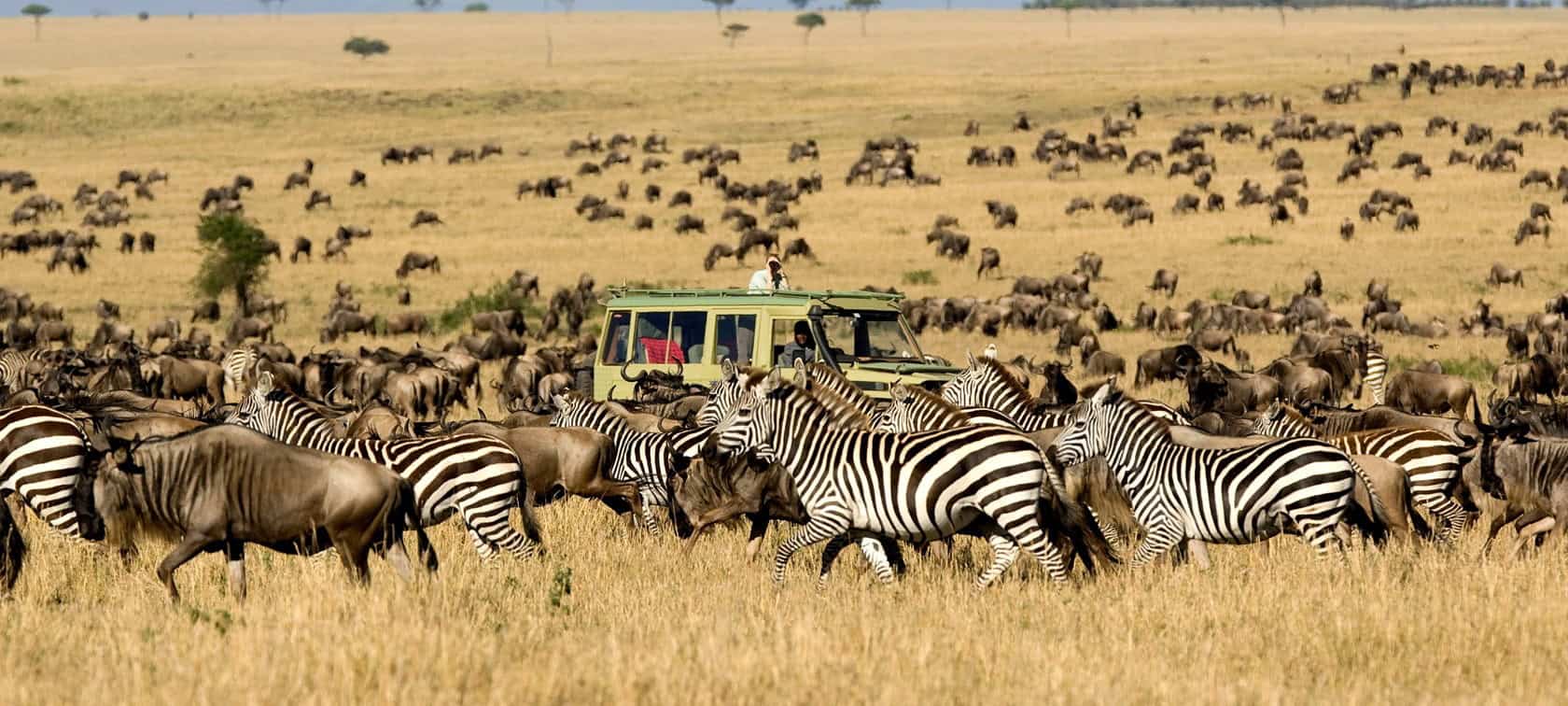
Seeing the Great Migration on a budget is possible without spending thousands of dollars on luxury safari lodges. Every year, enormous herds of wildebeest and zebras move across Tanzania’s Serengeti National Park and Kenya’s Maasai Mara ecosystem, creating extraordinary wildlife experiences. The famous Mara River crossings attract travellers from around the world, but witnessing these natural events does not require private aircraft, expensive accommodation or exclusive safari packages.
Budget-conscious travellers can explore the migration through shared safari vehicles, affordable tented camps, public campsites and carefully planned road safaris. Choosing suitable travel dates and accommodation locations can reduce expenses while maintaining opportunities to observe migrating wildebeest, predators and river crossings.
However, affordable safaris still involve unavoidable expenses. National park entrance fees, transport, guiding services and conservation charges can represent a substantial part of the total cost. Understanding these costs helps travellers avoid misleading offers and choose safari arrangements that provide genuine value.
For visitors planning a Kenya or Tanzania safari, this guide explains how to experience the Great Migration economically, where to stay, which months to consider and how to maximise wildlife viewing without booking a luxury lodge.
Can You See the Great Migration on a Budget?
Yes. The Great Migration is a natural wildlife event taking place across protected areas and neighbouring conservation landscapes.
Visitors do not need to stay in expensive lodges to observe migrating wildebeest.
What matters most is being in a suitable region when the herds are present and having access to authorised wildlife viewing areas.
A traveller staying at a simple tented camp may witness the same river crossing as someone staying at a luxury property.
Both visitors observe wild animals moving through the same ecosystem.
The main differences usually involve accommodation comfort, additional services, transport arrangements and sometimes the time required to reach viewing locations.
Quick Facts About Budget Migration Safaris
| Feature | Budget safari option |
|---|---|
| Main destinations | Maasai Mara and Serengeti |
| Main attraction | Wildebeest migration and river crossings |
| Best-known crossing season | July to October |
| Affordable accommodation | Budget tented camps and authorised campsites |
| Transport | Shared safari vehicles or organised road safaris |
| Recommended stay | 3–4 nights near migration areas |
| Major expenses | Park fees, transport, accommodation and guiding |
| Main advantage | Wildlife experiences without luxury accommodation |
| Important consideration | Crossings cannot be guaranteed |
1. Choose the Right Destination for Your Budget
Kenya and Tanzania both provide excellent opportunities to observe the Great Migration.
However, travel distances, park fees, accommodation choices and transport arrangements differ.
Budget Migration Safaris in Kenya
Kenya’s Maasai Mara National Reserve is a popular destination for travellers hoping to observe Mara River crossings.
Budget accommodation is available around some of the reserve’s main access areas, including Talek, Sekenani and neighbouring communities.
These locations contain tented camps, guest accommodation and safari facilities serving travellers with different budgets.
Some properties outside the reserve cost less than luxury accommodation inside protected areas.
However, staying outside may increase driving time and require daily entry arrangements.
Before booking, confirm how far the accommodation is from the specific reserve gate and the river viewing areas.
Budget Migration Safaris in Tanzania
Tanzania’s Serengeti National Park provides opportunities to observe migration activity throughout different seasons.
Travellers can select camping safaris or moderately priced tented accommodation instead of luxury lodges.
Public campsites and some seasonal camps provide more affordable options.
However, the Serengeti is extensive, and transport can represent a significant expense.
A budget safari staying in central Serengeti may not provide convenient access to the northern Mara River crossing areas.
For travellers specifically interested in crossings, accommodation location should take priority over the lowest advertised nightly rate.
2. Stay in Budget Tented Camps Instead of Luxury Lodges
Accommodation is one of the areas where travellers can reduce safari expenses.
Luxury lodges may include large suites, swimming pools, extensive dining services and other premium facilities.
Budget tented camps generally focus on essential comfort and access to wildlife viewing areas.
A well-managed budget camp may provide a proper bed, private or shared bathroom facilities, meals and guided game drives.
What to Expect From Budget Camps
Facilities vary between properties, but may include:
Furnished canvas tents.
Comfortable beds and mosquito protection.
Shared or private bathrooms.
Simple dining facilities.
Packed lunches for game drives.
Communal relaxation areas.
Solar-powered lighting or limited electricity.
Guided transport arrangements.
Travellers should confirm whether the quoted rate includes meals, game drives, park fees and transfers.
A low accommodation price can become expensive when essential safari services are charged separately.
3. Consider Public Campsites in Serengeti
Camping is another option for reducing accommodation costs.
Serengeti National Park contains designated public campsites that can be used through authorised arrangements.
These facilities generally offer a simpler experience than permanent lodges.
Depending on the campsite, amenities may include toilets, basic washing facilities and designated camping areas.
Travellers should not expect hotel-style comfort.
Why Camping Can Be Affordable
Camping safaris reduce the need for permanent accommodation facilities.
Groups may share camping equipment, food preparation and transport.
This can lower the accommodation portion of the safari cost.
However, camping inside national parks still requires the applicable entrance and camping fees.
Some campsites also involve additional logistical expenses.
For this reason, travellers should compare the complete safari price rather than assuming every camping arrangement is cheaper.
Is Camping Safe?
Camping must take place at authorised locations.
Wild animals may move through or near camping areas.
Visitors should follow the instructions of guides and campsite staff, avoid walking alone after dark and never store food carelessly.
Camping beside the Mara River or inside protected areas without permission is not an acceptable budget alternative.
4. Join a Shared Group Safari
One of the most effective ways to reduce safari costs is to join a small-group departure.
Private safari vehicles can be expensive because fuel, guiding and vehicle costs are paid by one booking.
A shared safari distributes these costs among several travellers.
How Shared Safaris Work
A group safari usually follows a planned itinerary with fixed departure dates.
Travellers share transport and may stay in the same camps or lodges.
The safari operator arranges accommodation, guiding and other essential services.
Groups can vary in size, so travellers should confirm the maximum number of passengers.
For wildlife photography, it is particularly important that every guest has adequate viewing space.
Why Shared Safaris Can Offer Better Value
Sharing a vehicle lowers the transport expense per person.
It can also reduce some operational and guiding costs.
However, group travel provides less flexibility than a private safari.
Participants must usually follow the agreed itinerary and timing.
For budget travellers who are comfortable sharing transport, this is often a worthwhile compromise.
5. Travel by Road Instead of Flying
Domestic safari flights provide convenient access to remote wildlife areas but can increase the total travel cost.
Road safaris are often more economical, particularly for groups.
Reaching the Maasai Mara by Road
Many budget Maasai Mara safaris begin in Nairobi.
Travellers usually drive towards Narok before continuing to their accommodation.
Road conditions and travel duration depend on the route and camp location.
The journey can take several hours, so itineraries should allow adequate travel time.
Reaching Serengeti by Road
Budget Serengeti safaris commonly begin in Arusha.
The journey may pass through the Ngorongoro Highlands before reaching Serengeti National Park.
Travellers should remember that northern Serengeti is much farther from Arusha than central Serengeti.
A short, inexpensive safari may provide excellent wildlife viewing in the central park without reaching the Mara River.
This distinction is important when comparing itineraries advertised as Great Migration safaris.
6. Understand Park Entrance Fees Before Booking
National park and reserve fees are essential expenses that cannot be avoided by choosing cheaper accommodation.
For example, published 2026 Maasai Mara fee schedules list a peak-season adult entrance charge of USD 200 per day for non-residents, although rates depend on visitor classification and may change.
The Mara Triangle also operates a regulated conservation fee system, with visitor eligibility and payment requirements determined by the managing authority.
In Tanzania, Serengeti charges vary by nationality or residency category, age, season and applicable additional fees.
Why Park Fees Matter
A three-day safari may include several days of entrance charges.
Camping fees, vehicle fees or other charges can apply separately.
Travellers should request a written breakdown before paying a deposit.
The cheapest-looking safari may exclude fees that another operator includes.
Important: Always confirm current official rates and ticket validity rules before booking. The amount paid can differ considerably between international visitors, eligible East African residents and citizens.
7. Choose Accommodation Close to the Crossing Areas
A cheap camp is not always the best-value camp.
If accommodation is located far from the Mara River, travellers may spend several hours driving before reaching active migration areas.
Long transfers consume fuel, vehicle time and valuable wildlife viewing hours.
Choosing a Camp in Kenya
Accommodation around Talek, Sekenani and other Maasai Mara access areas can be more affordable than premium lodges.
However, the distance to relevant crossing locations varies considerably.
Travellers should ask their operator how long a typical transfer takes from the camp to authorised river viewing areas.
Choosing a Camp in Tanzania
Kogatende and the Lamai area provide access to northern Serengeti migration habitats.
Some seasonal tented camps operate in the region during the main crossing period.
Accommodation can be more expensive during peak season because demand is high and the area is remote.
A moderately priced camp in northern Serengeti may still be better value for crossing-focused travellers than cheaper accommodation in central Serengeti.
8. Travel During the Right Migration Months
Timing is particularly important when planning a budget safari.
Travelling in the wrong region can lead to additional transport expenses as visitors attempt to find the herds.
The Great Migration follows broad seasonal patterns, although actual movements depend on rainfall and grazing conditions.
Typical Migration Calendar
| Period | Main region | Wildlife experience |
|---|---|---|
| January–March | Southern Serengeti and Ndutu | Wildebeest calving and predators |
| April–May | Central and western Serengeti | Moving herds |
| June | Western Corridor | Possible Grumeti River crossings |
| July | Northern Serengeti | Early Mara River crossings may occur |
| August–September | Northern Serengeti and Maasai Mara | Often favourable for major crossings |
| October | Northern Serengeti and Maasai Mara | Possible continued crossings |
| November–December | Central and southern Serengeti | Returning herds |
For travellers specifically interested in Mara River crossings, August and September are often strong planning months.
However, these are also popular periods, and accommodation demand can increase prices.
9. Consider the Beginning or End of Crossing Season
Travelling during the busiest migration weeks can increase accommodation costs.
Some travellers may find better rates during the early or later parts of the season.
Late July or October can sometimes offer suitable migration opportunities, depending on rainfall and herd movements.
However, choosing less popular dates involves a trade-off.
There may be fewer large herds near the expected river sections.
The best approach is to balance accommodation savings against the probability of encountering migration activity.
Booking the cheapest month is not necessarily worthwhile if your main objective is witnessing a crossing.
10. How Much Should You Budget for a Migration Safari?
The total cost depends on accommodation, number of travellers, nationality, park fees, transport and the duration of the itinerary.
Because prices vary considerably, a reliable estimate requires a quotation based on your dates and travel arrangements.
However, understanding the cost structure makes comparisons easier.
Main Safari Expenses
Transport: Vehicle hire, fuel, driver-guide services and transfers.
Accommodation: Camping, budget tented camps or modest lodges.
Park fees: Entrance charges and any applicable conservation or camping fees.
Meals: Breakfast, lunch, dinner and drinking water.
Additional expenses: Tips, personal purchases, travel insurance and optional activities.
The most useful comparison is the total price per traveller for the entire safari, not the accommodation rate alone.
Ask whether the itinerary includes every fee required for the advertised activities.
11. Can You See a Mara River Crossing in One Day?
It is possible to witness a crossing during a single game drive.
However, this depends on where the wildebeest are located and whether they enter the water while you are present.
Some herds gather beside the river for hours without crossing.
Others move away and choose alternative crossing locations.
A one-day visit offers fewer opportunities than a longer stay.
For budget travellers, spending three nights near suitable migration habitats may provide better value than paying for one expensive, rushed excursion.
This allows several game drives and opportunities to search for active herds.
12. Avoid Paying Extra for Guaranteed Crossings
No responsible safari operator can guarantee a wildebeest crossing.
The animals are wild and their movements are influenced by environmental conditions.
A large herd may gather along the river before retreating.
Some crossings occur when safari vehicles are elsewhere.
Travellers should therefore be cautious of operators promising an exact crossing time or guaranteed dramatic encounters.
An experienced guide can improve your chances of finding the herds but cannot control their behaviour.
13. Pack Carefully to Avoid Extra Expenses
Packing suitable equipment can reduce unnecessary purchases during your safari.
Useful items include binoculars, comfortable clothing, sunscreen, a reusable water bottle and a camera.
A lightweight rain jacket can be valuable because weather conditions may change.
Travellers using budget camps should also confirm whether towels, bedding and charging facilities are provided.
There is no need to purchase expensive safari clothing.
Neutral-coloured, comfortable clothes are generally sufficient for ordinary game drives.
14. Save Money Without Compromising Safety
Budget travel should never involve ignoring protected-area rules or choosing unsafe operators.
Travellers should verify that the safari vehicle is suitable for the route and properly maintained.
A qualified, experienced guide is especially important around river crossings.
Accommodation should follow appropriate wildlife safety procedures.
Visitors must remain in authorised viewing areas and should never attempt to walk independently towards a crossing point.
Avoid operators who suggest driving off permitted tracks, approaching crocodiles or blocking migrating animals to obtain photographs.
A lower price is not good value if it compromises visitor safety or wildlife welfare.
15. A Four-Day Budget Maasai Mara Safari
A four-day road safari can provide an affordable introduction to the migration when shared transport and budget accommodation are used.
Day 1: Nairobi to Maasai Mara
Depart Nairobi and travel towards the Maasai Mara.
Arrive at a budget tented camp and enjoy an afternoon game drive if the itinerary and arrival time permit.
Look for wildebeest, zebras, giraffes, elephants and other wildlife.
Day 2: Full-Day Migration Safari
Begin the day early and travel towards suitable wildlife viewing areas.
Search for large wildebeest herds and recent migration activity.
If animals are gathering near the Mara River, your guide may select an authorised observation point.
Enjoy a packed lunch according to reserve regulations.
Day 3: River Crossing and Predator Viewing
Explore additional migration habitats based on recent sightings.
Look for lions, spotted hyenas, crocodiles and migrating herbivores.
Spend time observing herd movements when conditions are favourable.
Return to camp for the final evening.
Day 4: Return to Nairobi
After breakfast, begin the journey back to Nairobi.
Depending on the package, a short morning game drive may be possible before departure.
This itinerary offers several wildlife viewing opportunities without requiring luxury accommodation.
16. How to Choose a Reliable Budget Safari Operator
A trustworthy safari operator should provide clear information about the services included.
Before booking, request a detailed itinerary explaining accommodation, transport, park fees and game-drive arrangements.
Ask about the vehicle type, maximum passenger numbers and guide qualifications.
Questions Worth Asking
Are all park entrance fees included?
How many travellers will share the safari vehicle?
Does every passenger have suitable wildlife viewing access?
How far is the camp from the migration areas?
Are meals and drinking water included?
Are there additional camping or conservation fees?
What happens if the herds are not near the expected location?
What are the cancellation and refund conditions?
Clear answers help travellers identify genuine savings and avoid unexpected expenses.
17. Wildlife Experiences Beyond River Crossings
A budget migration safari should not focus entirely on witnessing wildebeest enter the river.
The Serengeti and Maasai Mara support outstanding wildlife throughout the year.
Visitors may observe lions resting near grazing herds, elephants moving across the grasslands and giraffes feeding beside acacia trees.
Spotted hyenas, cheetahs and numerous bird species also provide rewarding sightings.
During the calving season, travellers can observe newborn wildebeest and predator behaviour on the southern Serengeti plains.
These encounters can make a safari memorable even when no river crossing occurs.
Why a Budget Migration Safari Is Worth Planning
The Great Migration is one of Africa’s most extraordinary natural events, but it does not belong exclusively to luxury safari travellers.
Budget tented camps, authorised campsites, shared transport and carefully selected travel dates can make the experience more accessible.
The most important consideration is choosing an itinerary that provides genuine access to suitable wildlife habitats.
An affordable camp located near the migration may offer better viewing opportunities than an expensive lodge situated far from active herds.
For travellers hoping to witness Mara River crossings, patience and realistic expectations are essential.
Wildebeest movements cannot be guaranteed, and no amount of money can control when the animals enter the river.
By selecting a reliable guide, understanding park fees and allowing several days for wildlife viewing, visitors can experience the Serengeti–Mara migration without paying for unnecessary luxury services.
The real value of a migration safari comes from observing wild animals in their natural environment, not from the price of the accommodation.


No comment