Kenya Gorilla Trekking Best Hiking Gear
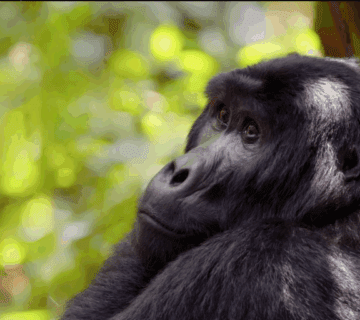
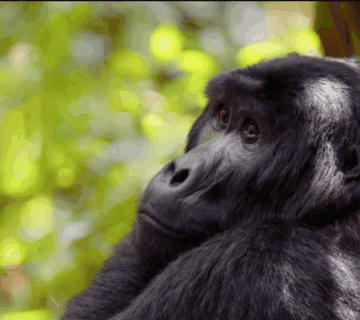
Kenya has no wild gorilla population of its own, mountain gorillas live only in a small stretch of the Albertine Rift shared by Uganda, Rwanda and the Democratic Republic of Congo, so any Kenya-based trip that includes gorilla trekking is really a combined itinerary: a Kenya safari plus a short add-on to one of those neighboring countries. Because Nairobi is such a well-connected regional hub, this combination is easier to arrange than many travelers expect.
What to Pack for the Trekking Leg
Whichever park you fly into from Kenya, Bwindi in Uganda or Volcanoes in Rwanda, the gear needs are the same: sturdy, well broken-in waterproof hiking boots with ankle support, since trails are often steep, muddy and uneven regardless of season. Long trousers and a long-sleeved shirt protect against stinging nettles and safari ants in the forest understory, and gardening gloves make a real difference when you need to grip vegetation on a steep section.
Layering for Changeable Forest Weather
A rain jacket is essential no matter when you travel, since both Bwindi and the Volcanoes region sit within genuine rainforest and montane climates where a shower can arrive with little warning. Mornings can be cool enough for a fleece or light jacket, while the hike itself often warms you up quickly, so packing in breathable layers you can add or remove works better than one heavy coat.
Small Essentials That Make a Difference
A daypack for water and snacks, a trekking pole if you have knee or balance concerns, and a camera without flash (flash photography is prohibited near the gorillas) round out the essential kit. Porters are available at every trailhead for a modest fee and are well worth hiring, since they carry your pack, help on slippery sections, and their fee directly supports communities living along the park boundary.
Booking the Kenya-to-Gorilla Add-On
Once your gear is sorted, the logistics are straightforward: a short flight from Nairobi to Entebbe or Kigali, a road or air transfer to the park, and a pre-booked permit through the Uganda Wildlife Authority or Rwanda Development Board. We handle this full add-on booking as part of a combined Kenya and gorilla trekking itinerary.
Uganda vs. Rwanda: Does Your Gear List Change?
The gear list stays essentially the same whether your add-on trek takes you to Bwindi or the Volcanoes, though Rwanda’s trekking terrain is generally considered slightly gentler on average, with gorilla families often ranging at somewhat lower elevations on the volcanoes’ lower slopes. Bwindi’s four sectors, Buhoma, Ruhija, Rushaga and Nkuringo, vary more in difficulty from one another, so a guide familiar with your fitness level can help match you to an appropriately challenging trek regardless of which gear you’ve packed.
Renting vs. Buying Gear
For travelers who don’t hike regularly at home, renting hiking boots and trekking poles locally, arranged through your lodge or tour operator, is often more practical than buying gear you’ll rarely use again. Items like gardening gloves and rain jackets, however, are cheap enough and useful enough on future trips that buying your own is usually the better choice.
A Simple Packing Checklist
Waterproof hiking boots, long trousers and sleeves, a rain jacket, gardening gloves, a daypack, water, energy snacks, and a flash-free camera cover the essentials for the trekking day itself, while the rest of your gear can stay geared toward Kenya’s warmer, drier safari conditions.
Gorilla Trekking Etiquette Once You Arrive
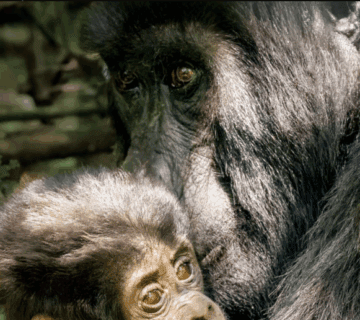
Whatever gear you’ve packed, once you reach the gorilla family, park rules require staying at least seven meters back, speaking quietly, and avoiding sudden movements that could startle the group. Sick travelers are asked not to trek at all, since mountain gorillas share close to 98 percent of human DNA and are highly vulnerable to human respiratory illnesses, a rule worth planning around if anyone in your group falls ill in the days before the trek. Each encounter is capped at one hour once the family is located, regardless of how long the approach hike took.
What Porters Actually Do
Beyond carrying your daypack, porters often know the terrain intimately and can offer a steadying hand, point out interesting plants or animal signs along the way, and generally make the hike feel less daunting for first-time trekkers. Hiring one, whatever your fitness level, is one of the more meaningful ways to support the local economy around the park, since porter fees go directly to community members living along the boundary.
Breaking In New Boots Before You Travel
If you’re buying new hiking boots specifically for this trip, wear them on at least a handful of long walks in the weeks beforehand rather than taking them out of the box for the first time on trekking day. Stiff, unbroken-in boots are one of the most common causes of blisters and discomfort on an otherwise well-prepared trek, and it’s an easily avoidable mistake with a little advance planning.
A final packing tip: bring more socks than you think you’ll need. Wet feet from a muddy trail are far more manageable, and far less likely to blister, when you can change into a dry pair immediately after the trek.
Layering Strategy for the Whole Trip
Because a combined Kenya and gorilla trekking itinerary moves between two quite different climates, packing in modular layers rather than fixed outfits gives you the most flexibility with the least luggage. A moisture-wicking base layer, a mid layer for warmth, and a waterproof outer shell can be mixed and matched for Kenya’s warm days and cool evenings as easily as for the forest’s cooler, wetter conditions, meaning you don’t need to pack entirely separate wardrobes for each leg of the trip.