Kenya Gorilla Trekking Best Months to Visit
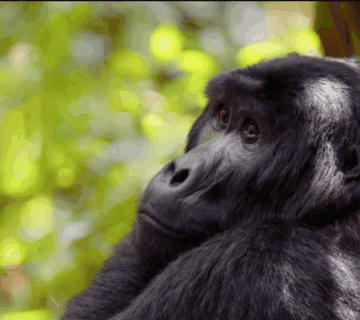
Kenya has no wild gorilla population of its own, mountain gorillas live only in a small stretch of the Albertine Rift shared by Uganda, Rwanda and the Democratic Republic of Congo, so any Kenya-based trip that includes gorilla trekking is really a combined itinerary: a Kenya safari plus a short add-on to one of those neighboring countries. Because Nairobi is such a well-connected regional hub, this combination is easier to arrange than many travelers expect.
Matching Kenya’s Safari Season with Gorilla Trekking
Kenya’s classic safari season and the best gorilla trekking months in Uganda and Rwanda overlap conveniently, both regions see their driest, most trail-friendly conditions from June to September and again from December to February. Planning a combined trip around these windows means firmer trekking trails in the forest and drier game-viewing conditions on the Kenyan savannah, without having to compromise the timing of one leg for the other.
Why the Dry Season Matters for Trekking
Outside the dry months, forest trails become considerably muddier and more physically demanding, and while trekking still happens year-round, it’s simply a harder hike in the rainy season. Gorillas also tend to range at somewhat lower, more accessible elevations during drier weather, which can mean a shorter approach hike before reaching a habituated family.
Booking Permits Around Your Dates
Because gorilla permits are limited and dry-season months are the most popular, booking three to six months ahead is strongly recommended if your travel dates fall in June through September or December through February. Rainy-season travel, by contrast, often has more permit availability on shorter notice, along with quieter trails and discounted lodge rates, a reasonable trade-off for travelers less concerned about mud.
Planning the Full Itinerary
A typical combined trip allocates the bulk of the days to a Kenya safari circuit, Maasai Mara, Amboseli or Lake Nakuru, followed by a focused three- or four-day add-on to Uganda or Rwanda purely for the gorilla trek, keeping the logistics simple and the travel time between the two efficient.
What If Your Travel Dates Are Fixed?
If your travel dates fall outside the two dry seasons, don’t assume the trip isn’t worth doing, gorilla trekking runs year-round, and rainy-season trekkers often enjoy quieter trails, more permit availability, and lower lodge rates in exchange for muddier conditions. Many travelers with fixed dates simply pack more rain gear and treat the mud as part of the adventure rather than rescheduling an entire trip around the calendar.
Regional Rainfall Patterns to Know
Uganda and Rwanda both see two rainy seasons, a longer one from March to May and a shorter one around October to November, though rainfall in these montane rainforest regions is possible in any month given the local climate. Checking specific historical rainfall data for your exact travel month, rather than relying only on general dry/wet season labels, gives a more accurate picture of what to expect.
Coordinating Kenya and Gorilla Trekking Calendars
Kenya’s own wildlife calendar, including the Great Migration’s river crossings from roughly July to October, can also factor into timing a combined trip, since travelers often want to catch a specific Kenya wildlife event alongside their gorilla trek. Working with an operator who understands both calendars helps avoid a schedule that compromises either half of the experience.
How Weather Affects the Gorillas Themselves
Gorilla families tend to shelter more and move less during heavy rain, which can occasionally make them easier to locate since they stay closer to a single resting spot rather than ranging widely across the forest. Conversely, in the driest months they may travel further in search of food, which can mean a longer trek to reach them, so “easier weather for hikers” doesn’t always translate to “easier weather for finding gorillas quickly.”
Booking Flexibility Around Seasonal Demand
Permit prices are set by the relevant wildlife authority and don’t fluctuate with season, but lodge rates near the parks often do, with peak dry-season accommodation costing meaningfully more than the same rooms in shoulder or rainy season. Travelers with flexible dates can sometimes secure better overall value by shifting their Kenya safari dates slightly to align with lower-demand gorilla trekking windows.
Tracking Availability Closer to Your Dates
Permit availability can shift right up until departure due to occasional cancellations, so it’s worth asking your operator to keep monitoring even after your initial booking search comes up limited for your preferred month. A persistent operator with good relationships with the relevant wildlife authority often has more visibility into last-minute openings than an independent search would reveal.
In short, there’s no single wrong month to combine Kenya with gorilla trekking, only a trade-off between firmer trails and lower costs, so choosing based on your own priorities and existing travel dates is entirely reasonable.
How Local Guides Read the Season
Experienced local guides often have a more nuanced read on conditions than the general dry-season and rainy-season labels suggest, since microclimates within a single park can vary from one sector to another. Asking your guide on arrival which parts of the park have been driest or most productive for sightings in the preceding weeks can be more useful than relying purely on the calendar month when deciding how to spend a flexible day.
Whichever month works best for your schedule, booking early within that window still gives you the best selection of permits and lodge availability.
A quick check-in with your operator a month before departure confirms nothing has changed with your permit or connecting flights.