Coffee is more than just a beverage in East Africa—it’s a cultural heritage, a way of life, and a thriving economic backbone. Countries like Uganda, Kenya, Rwanda, and Tanzania produce some of the world’s most flavorful coffee beans, drawing connoisseurs and travelers alike. Coffee Farm Group Tours in East Africa offer travelers a rare opportunity to explore the origins of their favorite cup, engage with local farmers, and enjoy unforgettable scenic and cultural experiences. In this article, we will explore why these tours are gaining popularity, what to expect, and why group tours are the ideal way to explore East Africa’s coffee heartlands.
Why Choose Coffee Farm Group Tours?
1. Shared Cultural Experience
Group tours provide a chance to share experiences with fellow coffee enthusiasts. Whether you’re tasting freshly brewed Arabica or learning traditional roasting methods, doing so with a group enhances the richness of the moment.
2. Cost-Effective
Coffee Farm Group Tours often offer discounted rates for accommodations, transport, and activities. With shared costs, travelers enjoy premium experiences at a lower price.
3. Expert-Guided Learning
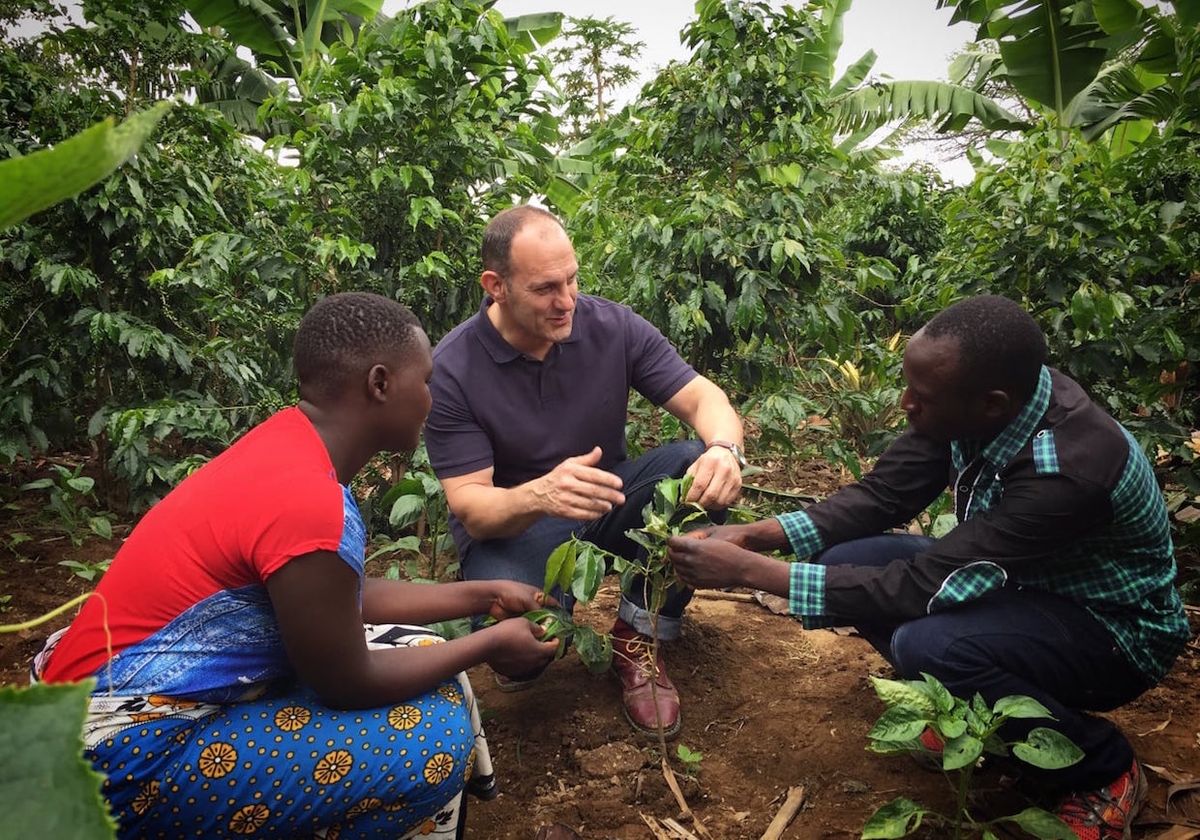
Many group tours include experienced guides or agronomists who provide deep insight into the coffee-growing process, regional differences in bean varieties, and the socio-economic importance of coffee farming.
4. Easy Logistics
From lodging to meals and activities, everything is pre-arranged. This allows travelers to immerse themselves in the experience without worrying about the logistics.
Key Destinations for Coffee Farm Group Tours in East Africa
Uganda: The Pearl of Africa
Uganda’s high-altitude regions like Mount Elgon and the Rwenzori Mountains are home to some of the finest Arabica beans.
- Mbale & Mount Elgon: Known for organic Arabica coffee, tours here include farm visits, traditional coffee ceremonies, and forest hikes.
- Bugisu Cooperative: Engage with local farmers and witness sustainable farming practices firsthand.
Kenya: World-Renowned AA Coffee
Kenya’s coffee is famous for its bold, fruity flavor profiles. Nairobi and Central Highlands provide excellent farm tour opportunities.
- Kiambu & Nyeri Regions: Home to smallholder farms and cooperatives. Group tours often include cupping sessions and visits to local coffee factories.
- Nairobi Coffee Walking Tour: Combine urban exploration with coffee education in the capital.
Rwanda: Land of a Thousand Hills
Rwanda has rapidly emerged as a specialty coffee producer. Its coffee is often washed and has a tea-like brightness.
- Lake Kivu Belt: Picturesque scenery and premium beans. Group tours include boat rides, farm tours, and cultural performances.
- Women’s Coffee Cooperatives: Many tours emphasize women-led cooperatives, offering unique insights into gender and agriculture.
Tanzania: The Diverse Producer
Tanzania offers both Arabica and Robusta, grown in regions like Kilimanjaro and Mbeya.
- Kilimanjaro Region: High-altitude farms with views of Africa’s tallest mountain. Group hikes and visits to Chagga coffee farms are popular.
- Mbeya: An emerging specialty coffee region offering more off-the-beaten-path experiences.
What to Expect on a Coffee Farm Group Tour
Day-to-Day Itinerary
Most Coffee Farm Group Tours in East Africa include:
- Farm Visits: Walk through coffee plantations, learn about cultivation and harvesting.
- Processing Education: Observe how beans are sorted, pulped, washed, fermented, dried, and roasted.
- Cupping Sessions: Learn the professional method of tasting and evaluating coffee.
- Cultural Activities: Engage with local communities through dance, cooking, and crafts.
- Nature Excursions: Safaris, waterfalls, and nature hikes are often included.
Accommodations and Transport
Expect a mix of eco-lodges, farm stays, and boutique hotels. Transport is typically in safari vans or 4×4 vehicles suitable for rural terrain.
Group Dynamics
Most group sizes range from 8–15 people. This creates an intimate, interactive atmosphere without overwhelming the host communities.
Ideal Time to Travel
The best time for Coffee Farm Group Tours in East Africa coincides with the coffee harvest seasons:
- Uganda: September–February (Arabica), March–June (Robusta)
- Kenya: October–December, April–June
- Rwanda: March–July
- Tanzania: June–October
These months also coincide with East Africa’s dry seasons, making travel more comfortable and scenic.
Sustainable Travel and Impact
Group coffee tours often contribute to local economies and encourage sustainable farming practices. Participating in these tours helps:
- Promote fair trade and ethical sourcing.
- Support local cooperatives, many of which are women- or youth-led.
- Reduce individual carbon footprints via shared transportation.
Tips for Planning Your Coffee Farm Group Tour
- Book Through a Reputable Tour Operator: Look for specialists in Coffee Farm Group Tours who understand the region and support local communities.
- Pack Appropriately: Bring sturdy shoes, insect repellent, light clothing, and an appetite for discovery.
- Stay Open-Minded: Embrace local customs, food, and practices.
- Learn Basic Phrases: A few words in Swahili or Kinyarwanda can go a long way.
- Ask Questions: Farmers are often eager to share their knowledge and stories.
Coffee Farm Group Tours in East Africa are more than just a vacation—they are immersive educational journeys into one of the world’s most loved commodities. Whether walking the terraced slopes of Rwanda, learning about soil health in Kenya, or sharing a home-roasted cup with Ugandan farmers, every moment is rich with connection and discovery. Traveling in a group enhances safety, enjoyment, and learning, while also supporting sustainable tourism. If you’re a coffee lover, adventurer, or cultural enthusiast, East Africa awaits you—one cup at a time.
Why Visiting During Harvest Season Genuinely Reveals the Full Coffee-Making Process From Cherry to Cup
Since farms genuinely operate at peak activity during harvest months, travelers timing their trip to this window genuinely witness picking, processing, and drying all happening simultaneously rather than seeing an idle plantation between seasons. All in Africa Safaris can time your coffee tour to your destination’s harvest season.
How Women-Led Cooperatives in Rwanda Genuinely Offer a Distinct Lens Into Coffee’s Social Impact
Since these cooperatives genuinely center women’s economic empowerment alongside coffee production, tours emphasizing them genuinely give travelers insight into gender and agriculture that a standard farm visit elsewhere wouldn’t address.
Why Cupping Sessions Genuinely Transform Casual Coffee Drinkers Into More Discerning Tasters
Since this professional tasting method genuinely trains participants to identify acidity, body, and flavor notes systematically, travelers who complete a cupping session genuinely leave with a noticeably sharper palate for evaluating coffee long after the trip ends. All in Africa Safaris can arrange guided cupping sessions as part of your coffee farm tour.
How Combining a Coffee Tour With a Safari Genuinely Maximizes a Single East Africa Trip
Since many coffee-growing regions genuinely sit within reasonable range of major national parks, travelers genuinely find it efficient to pair farm visits with game drives rather than treating coffee tourism as an entirely separate trip.
Why the 8-to-15-Person Group Size Genuinely Balances Intimacy With Meaningful Community Impact
Since this range genuinely keeps groups small enough for personal interaction with farmers while still large enough to matter economically to host communities, tour operators genuinely calibrate group size deliberately rather than arbitrarily. All in Africa Safaris can match you with a coffee tour group of the right size for your travel style.
How Kenya’s AA Grading System Genuinely Signals Bean Quality Travelers Can Learn to Recognize
Since AA genuinely denotes the largest, most prized bean size in Kenya’s grading system, understanding this classification genuinely helps travelers appreciate why Kenyan coffee commands such a strong reputation among global buyers.
Why Learning Basic Swahili or Kinyarwanda Phrases Genuinely Deepens Farmer Interactions During the Tour
Since farmers genuinely respond warmly to visitors making an effort with local language, even a handful of basic phrases genuinely opens up richer, more personal conversations than relying entirely on a guide’s translation. All in Africa Safaris can share useful local phrases ahead of your coffee farm visit.
How Uganda’s Dual Harvest Windows Genuinely Give Travelers More Flexibility Than Single-Season Countries
Since Uganda genuinely harvests Arabica from September through February and Robusta from March through June, travelers genuinely have a wider window to time their visit compared to countries with just one harvest season.
Why Tanzania’s Kilimanjaro Backdrop Genuinely Adds a Scenic Dimension Unmatched by Other Coffee Regions
Since farms in this region genuinely sit within view of Africa’s tallest mountain, coffee tours here genuinely combine agricultural education with some of the most dramatic mountain scenery available anywhere in East Africa’s coffee belt. All in Africa Safaris can arrange a Kilimanjaro-region coffee farm tour with mountain views.
How Supporting Fair Trade Cooperatives Genuinely Ensures Tourism Revenue Reaches the Farmers Themselves
Since fair trade certification genuinely guarantees farmers a set minimum price regardless of market fluctuations, choosing tours that partner with these cooperatives genuinely ensures your spending directly benefits the people growing the coffee rather than only intermediaries.
Why Booking Through a Reputable Operator Genuinely Matters More for Coffee Tours Than Standard Sightseeing
Since access to working farms and cooperative relationships genuinely depends on established trust with local communities, an experienced operator genuinely opens doors that an independently arranged visit typically cannot, from cupping labs to direct farmer conversations. All in Africa Safaris can connect you with trusted coffee farm partners across East Africa.
Planning Your Coffee Farm Group Tour
From cupping sessions to women-led cooperatives, genuinely East Africa’s coffee regions offer a rich, hands-on cultural experience. All in Africa Safaris can turn this overview into a fully confirmed itinerary tailored to your travel dates.