
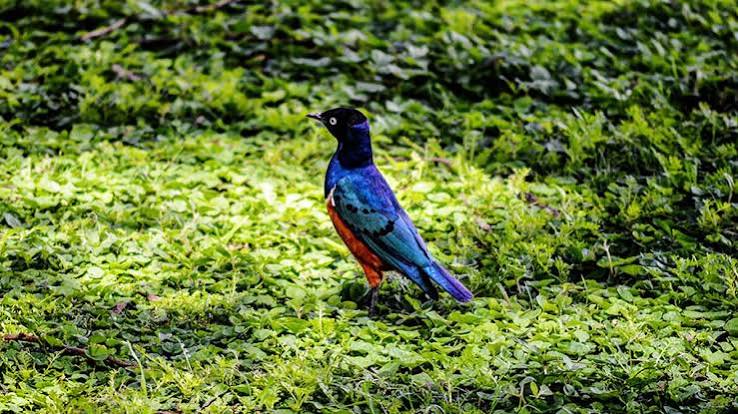
Akagera National Park: Savanna Birding in Rwanda
Rwanda is famous for its mountain gorillas and beautiful highland scenery.. There is another side to Rwanda that is just as amazing. In the east of the country you will find open plains with rolling hills, lakes and wetlands. This is a place to see African birds. Akagera National Park is a place to go bird watching. Every time you go for a drive you can see birds. You might see birds like bee-eaters and kingfishers or big birds like fish eagles.
Akagera National Park is in the east of Rwanda near the border with Tanzania. It is the protected area in Rwanda and a great place to see wildlife and birds. The park has different types of habitats, including grasslands, woodlands and lakes. This means that you can see different types of birds. You can spend the morning watching birds by a lake drive through the grasslands in the middle of the day and spend the afternoon in the woodlands.
For people who love nature Akagera National Park is a place to visit. The scenery is beautiful. The skies are huge. You can hear the birds calling across the plains. If you are patient and have a guide you can see many different types of birds. You might even see some birds that you would not normally notice when you are looking at animals.
Why Akagera Is a Special Birding Destination
Akagera National Park is special because it has different types of habitats. Birds need types of environments to live and Akagera has many of these environments in one place. The wetlands are home to waterbirds the lakes are home to birds that eat fish. The grasslands are home to birds of prey. The woodlands are home to birds.
The lakes in the park are very important for birds. Lake Ihema and the other lakes are places to see African fish eagles, herons and kingfishers. Early in the morning is a time to see birds because they are active and the light is good for watching and taking pictures.
The savanna is also a place to see birds. You can see birds like crowned cranes walking through the grass and smaller birds in the bushes and trees. Birds of prey are also common in the savanna because they have room to hunt.
Akagera National Park is great because you can see different types of birds in one place. You can drive from the lakes to the savanna to the woodlands. See new birds all the time.
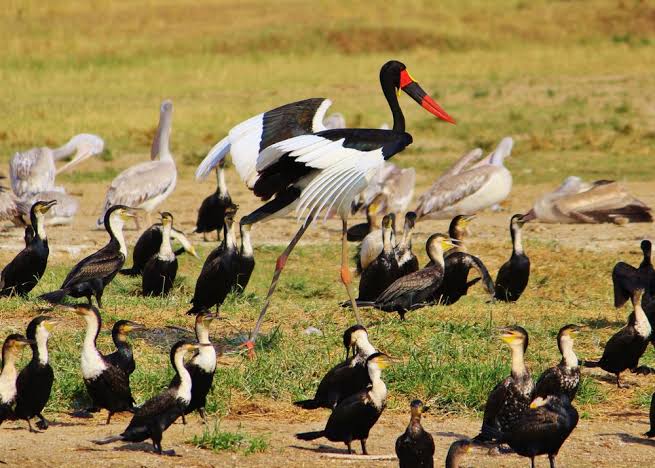
Birds You Can Expect to See
One of the things about Akagera National Park is that you can see many different types of birds. The park is home to hundreds of species of birds so you are likely to see some birds that you have never seen before. The grey crowned crane is a bird that you might see. It has a crown and is very elegant. Seeing one of these birds walking through the grass or wetlands is an experience.
African fish eagles are also a sight. You can hear their calls carrying across the water. Then you can see them flying low over the lake. Kingfishers are also very colorful and fun to watch. They live in types of habitats so you can see them in the water in the trees and, in the vegetation. Bee-eaters are also very beautiful as they fly through the air catching insects.
You might also see herons, egrets, storks, lapwings, hornbills, rollers, weavers, sunbirds, barbets, shrikes and many types of birds of prey. The types of birds you see will depend on the time of year the habitat, the weather and how much time you spend looking.
Exploring Akagera Through Its Habitats
The way to understand Akagera National Park: Savanna Birding in Rwanda is to pay attention to how quickly the landscape changes. Birding here is not simply a matter of driving through grassland and waiting for birds to appear. Each habitat tells you something about which species you should watch for.
The lakes and wetlands are places to begin. Look along the shoreline exposed branches and check floating vegetation for movement. Waterbirds may remain still for periods so patience becomes important. A guide who knows where particular species regularly feed or rest can make a difference.
Open savanna provides another experience. Here you can scan the ground for cranes, lapwings and other grassland birds while also looking upward for raptors. Trees standing alone in the grass can be useful observation points because birds often use them as perches.
Woodland requires an approach. Birds may remain hidden among leaves and branches so listening becomes just as important as looking. Calls can help you identify where to focus your attention. Taking a few minutes to examine one tree carefully can sometimes reveal species.
The park’s marshes are equally fascinating. Papyrus and wetland vegetation create shelter and feeding opportunities for birds. These areas reward visitors who’re prepared to pause rather than constantly searching for the next large animal.
The Best Time for Birdwatching
Birdwatching in Akagera can be rewarding throughout the year although different seasons can provide experiences. The wetter periods generally bring increased bird activity. Can coincide with the presence of migratory species. Migrants add another layer of excitement because species composition can change during the year.
The dry season can make wildlife viewing easier because animals often gather around water sources. For birdwatchers this can also create opportunities around lakes and wetlands. Clearer conditions may make it easier to observe birds of prey soaring above the savanna.
Early morning is usually one of the productive periods for birding. Temperatures are cooler birds are active and the softer light makes observation more comfortable. Late afternoon can also be excellent especially when birds begin moving between feeding and resting areas.
A full day in the park gives you opportunities, than a rushed visit. Different species become active at times and some birds may only appear briefly. If birding is a part of your trip allow enough time to explore several habitats rather than focusing on a single game-drive route.
Making Your Birding Experience More Rewarding
To have a time birding at Akagera you do not need a lot of expensive equipment. Binoculars are very useful because you will see birds that are far away or high up in trees. A book that helps you identify birds or a phone app that does the thing can also be very helpful when you see birds you do not know.
A camera with a lens can be useful but taking pictures should not be the only thing you want to do. Some of the moments happen before you take a picture. Watching a fish eagle call out across a lake or seeing a crowned crane walk through the morning mist can be very memorable even if you do not take a picture.
Having a guide who knows what they are doing is very valuable. Local guides know the roads, the types of habitats and when different things happen during the year. They can hear bird calls that you might miss and help you tell birds apart. They can also help you be careful when you are near habitats.
Try to be quiet when you can. Making a lot of noise can scare birds and make it harder to see them behave naturally. Do not chase birds to take pictures and stay enough away. Being a birdwatcher helps keep the experience good for people who come later and does not bother the birds too much.
A Side of Rwanda
Akagera National Park shows you a side of Rwanda that is just as nice as the famous mountain forests. The park shows you how many different types of plants and animals can live in a place that might seem simple at first. The grasslands, lakes, wetlands and woods all work together to make a place for birds and other animals.
It is also very cool to find birds in a savanna. You start by seeing a shape away on a branch then you look through your binoculars and start to see the details. A red beak, a pattern on the wings a unique crown or a familiar call can make a normal moment very special.
For people who want to see wildlife and birds Akagera is a place to visit. You can see the savanna, lakes, wetlands and big animals before you go to the forests and mountains. Seeing all these different places makes the whole trip more interesting.
Protecting Akagera’s Birdlife
The future of Akagera National Park depends on keeping the habitats safe that the birds need. The wetlands, lakes, grasslands and woods are all important and changing one of these places can affect birds.
When everyone works together to protect the park it can be successful. Tourism can help by paying fees to the park giving people jobs and providing services. When visitors are responsible they can help protect the birds and the park.
For you being a visitor is easy. Follow the rules do not bother the animals keep trash out of the areas and listen to your guide. Give the birds space. Do not try to get too close to their nests.
The reward is that you have an experience. You are not just trying to see many birds as you can. You are seeing how the birds live and why their homes are important.
Carry the Memory Beyond the Park
Visiting Akagera can start as wanting to see a few birds but it often becomes much more. The call of an eagle across the water a crane standing in the grass or a flash of color from a kingfisher can stay with you long after you leave Rwanda.
Akagera National Park invites you to slow down and look at the details of a place that’s full of life. It is a place to visit because it has many different types of birds it is easy to get to and it is very beautiful.
If you are planning a trip to Rwanda to see wildlife give Akagera time to show you what it has. Get up early explore habitats listen carefully and let the things you see surprise you. You might think you are just going on a safari but you will leave with a new appreciation for the birds of Rwanda.
The open plains of Akagera have their special feel. Once you start paying attention to the birds the landscape becomes more than a background, for animals. It becomes a living world that’s worth watching, respecting and protecting.
