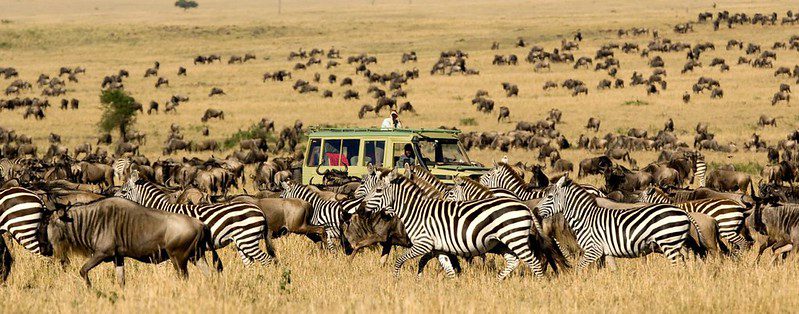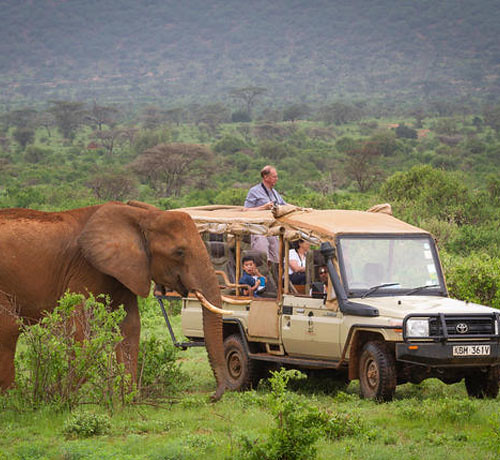
Embarking on a safari in Kenya is a thrilling adventure that offers unforgettable wildlife encounters and breathtaking landscapes. To ensure a safe and respectful experience for both travelers and the environment, here are essential tips for responsible tourism:
1. Choose Accredited Tour Operators
When planning your Kenya safari, opt for accredited tour operators and guides who prioritize safety protocols and sustainable practices. Look for All In Afric Safaris so that they ensure that your safari adheres to ethical standards and supports local communities.
2. Respect Wildlife and Their Habitat
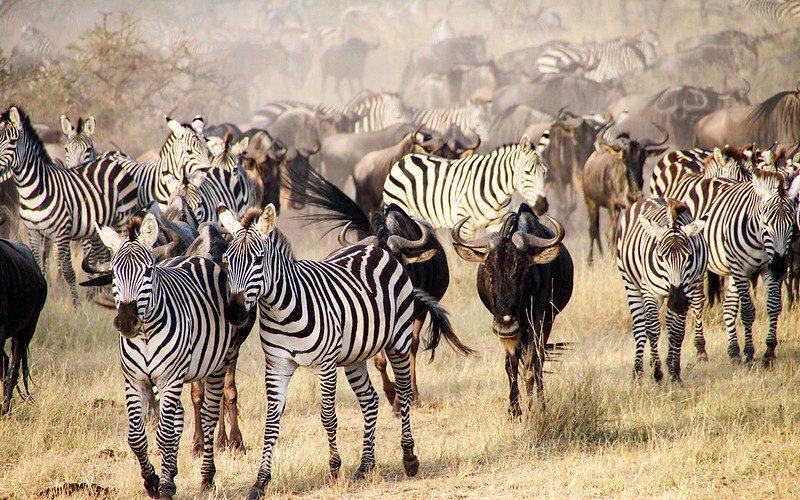
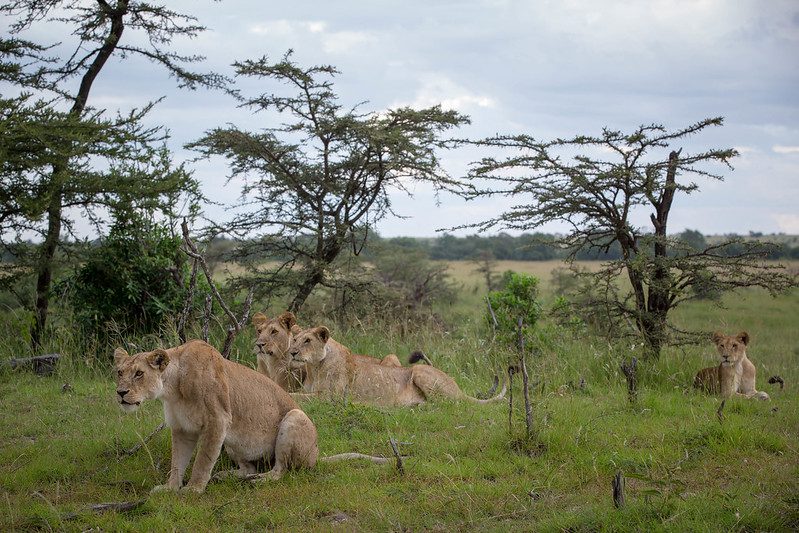
Wildlife in Kenya’s national parks and reserves should be observed from a safe distance to avoid disturbing their natural behavior. Follow your guide’s instructions regarding appropriate behavior around animals, such as keeping noise levels low and refraining from feeding or approaching wildlife. Respect protected areas and adhere to designated trails to minimize environmental impact.
3. Practice Responsible Photography
Capture incredible moments on your safari while respecting wildlife and local customs. Use zoom lenses to photograph animals from a distance, avoiding flash photography and loud camera noises that can startle or distress wildlife. Be mindful of cultural sensitivities when photographing local communities, seeking permission before taking pictures of individuals or their homes.
 4. Pack and Dispose of Waste Responsibly
Maintain the pristine beauty of Kenya’s natural landscapes by packing out all waste, including plastic bottles, wrappers, and other non-biodegradable materials. Dispose of trash in designated bins or take it back to your accommodations for proper disposal. Minimize single-use plastics by carrying reusable water bottles and eco-friendly products.
5. Respect Local Communities and Cultures
Interact respectfully with local communities you encounter during your safari. Learn about their traditions, customs, and way of life through guided cultural experiences or village visits arranged by responsible tour operators. Support local artisans by purchasing handicrafts or products that contribute to community development and sustainable tourism.
6. Follow Safety Guidelines and Wildlife Regulations
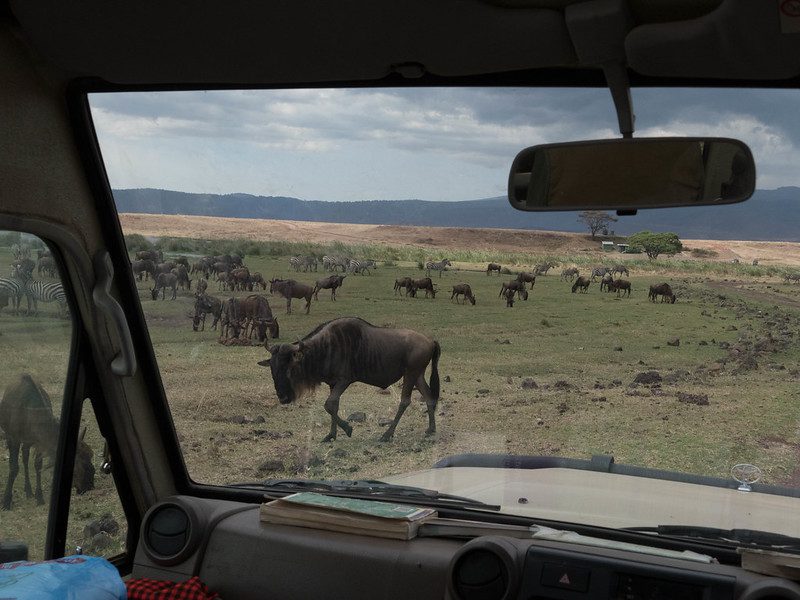
Listen to your guide’s safety briefings and adhere to park regulations at all times. Stay inside vehicles during game drives unless in designated areas. Avoid standing up or making sudden movements that could startle animals. Follow park rules regarding speed limits, noise levels, and wildlife viewing hours to ensure the safety of both visitors and wildlife.
7. Contribute to Conservation Efforts
Support wildlife conservation initiatives by visiting sanctuaries and reserves that prioritize conservation and rehabilitation efforts. Consider donating to reputable conservation organizations or participating in eco-friendly activities that benefit local ecosystems. Your contributions help protect Kenya’s rich biodiversity for future generations to enjoy.
By practicing responsible tourism on your Kenya safari, you can contribute to the preservation of wildlife, support local communities, and ensure a safe and memorable experience for everyone involved. Embrace the spirit of conservation and cultural appreciation to make the most of your adventure in this extraordinary destination.
Error: Contact form not found.
Health and Safety Preparation Before You Travel
Consulting a travel health provider well ahead of departure for recommended vaccinations and malaria prophylaxis, alongside confirming your travel insurance covers safari activities specifically, forms an important part of responsible preparation beyond the in-country etiquette covered above. Carrying a basic first-aid kit and any personal medications in their original packaging helps avoid complications at border crossings or in more remote areas of the country, where pharmacies and medical facilities can be genuinely limited.
Understanding Wildlife Behavior for Your Own Safety
Learning basic signs of stress or agitation in the animals you’re likely to encounter, ears back, tail flicking, sudden stillness before a reaction, helps travelers recognize when a guide’s caution about distance is genuinely warranted rather than overly conservative. This awareness benefits both your own safety and the animals’ wellbeing, since a startled or provoked animal is more likely to behave unpredictably, sometimes with genuinely dangerous consequences for everyone nearby.
Dress and Behavior in Local Communities
Modest dress, particularly when visiting Maasai villages or other traditional communities, and asking before entering someone’s home or sacred space reflects a basic respect that goes a long way toward a genuinely warm reception. Learning a few words of Swahili or the local language spoken in the specific community you’re visiting is a small gesture that’s consistently appreciated by hosts, and often opens doors to warmer, more genuine conversations along the way.
Choosing Accommodation With Sustainability in Mind
Lodges and camps with visible community partnerships, solar power, water conservation measures, and local staff employment generally reflect a genuine commitment to responsible tourism beyond marketing language alone. All in Africa Safaris can help identify accommodation options that align with these sustainability priorities across your Kenya itinerary.
Reporting Concerns During Your Safari
If you witness wildlife harassment, illegal activity, or unsafe practices during your safari, reporting it to park authorities or your operator directly contributes to maintaining the standards that protect both wildlife and future visitors. Responsible tourists play a genuine role in holding the broader industry accountable, not just through their own individual behavior but through this kind of active vigilance.
Making Responsible Tourism Part of Your Trip
Every choice covered in this guide, from selecting your operator to how you interact with wildlife and communities, adds up to a Kenya safari that genuinely benefits the country’s ecosystems and people rather than simply extracting a memorable experience from them. All in Africa Safaris can help build a Kenya itinerary grounded in these responsible tourism principles from the very first planning conversation.
Vehicle Etiquette During Game Drives
Beyond staying inside the vehicle, respecting a reasonable distance from other safari vehicles at a sighting, rather than crowding a single animal from multiple directions, helps preserve both the animal’s comfort and the quality of everyone’s viewing experience. Off-road driving, permitted in some private conservancies but prohibited in most national parks and reserves, should only ever happen with explicit guide authorization, since unauthorized off-road driving damages fragile habitat and disturbs wildlife.
Water Conservation While on Safari
Many of Kenya’s safari regions face genuine water scarcity, particularly during dry-season months, making shorter showers and mindful water use at camps and lodges a small but meaningful contribution to local resource conservation. Choosing accommodation with visible water-saving measures reflects the same sustainability priorities worth applying to your own daily habits during the stay.
Supporting Anti-Poaching and Ranger Programs
Park entrance fees and conservancy conservation fees directly fund ranger salaries and anti-poaching patrols across Kenya’s protected areas, meaning simply paying these fees rather than seeking to avoid them is itself a meaningful act of responsible tourism. Travelers wanting to contribute further can ask their operator about specific conservation organizations or ranger-support initiatives operating in the areas they’re visiting.
Understanding Community Conservancies
Many of Kenya’s most rewarding wildlife experiences now happen within community-owned conservancies bordering the major national parks and reserves, where local landowners receive direct tourism income in exchange for maintaining wildlife habitat rather than converting it to agriculture. Choosing to include a conservancy stay in your itinerary, rather than exclusively visiting government-run parks, channels tourism revenue more directly to the communities living alongside Kenya’s wildlife.
Responsible Behavior at Cultural Sites
Visiting Maasai villages or other cultural sites arranged through your operator, rather than approaching communities independently, ensures the visit follows an established, mutually agreed format that respects the community’s own boundaries around what they’re comfortable sharing with visitors. This structured approach also ensures a fair portion of any fees paid genuinely reaches the community rather than an unaffiliated intermediary.
Traveling With Children Responsibly
Families traveling with children should reinforce the same wildlife-viewing etiquette covered throughout this guide, quiet voices, staying inside the vehicle, and respectful distance, treating the safari as an early opportunity to teach genuine conservation values rather than simply an exciting photo opportunity. Many operators, including experienced Kenya guides, are well practiced at engaging younger travelers with age-appropriate conservation education during game drives, turning the trip into a genuinely educational family experience.
Choosing the Right Season for a Lower-Impact Safari
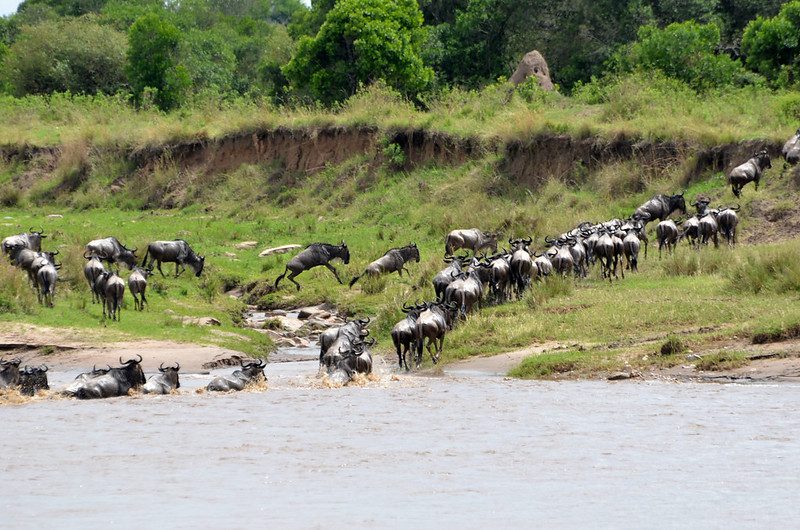
Traveling during Kenya’s shoulder or green seasons, rather than exclusively during the peak dry-season migration window, spreads tourism demand more evenly across the year, easing pressure on both infrastructure and wildlife during the busiest months. This timing choice also tends to align with lower accommodation rates and thinner crowds, a practical benefit alongside the environmental consideration.
Minimizing Your Carbon Footprint
Choosing operators who consolidate transfers efficiently, selecting accommodation with genuine renewable energy commitments, and considering carbon offset programs for your flights are all practical ways to reduce the environmental footprint of an international safari trip. While a Kenya safari inevitably carries some environmental cost, thoughtful choices throughout the planning process can meaningfully reduce that impact without compromising the quality of your experience.
A Final Word on Responsible Safari Travel
Responsible tourism isn’t a single checklist item but a mindset that shapes every decision throughout your trip, from the operator you choose to how you behave at a sighting to the way you engage with the communities you meet. All in Africa Safaris shares this commitment and can help ensure your Kenya safari reflects these values from start to finish, leaving both the wildlife and the people you encounter genuinely better off for your visit.