
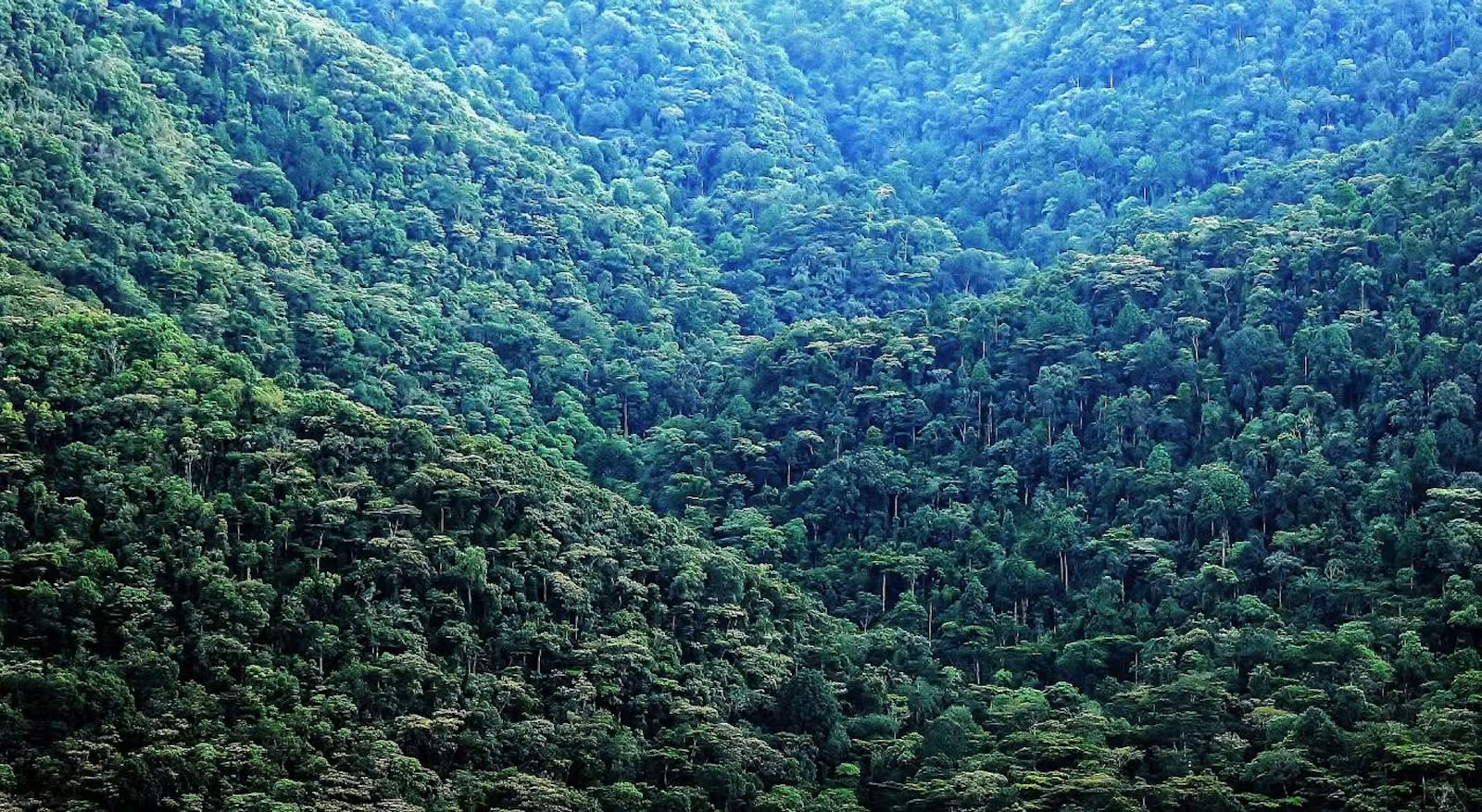
Deforestation and Its Impact on Albertine Rift Endemics
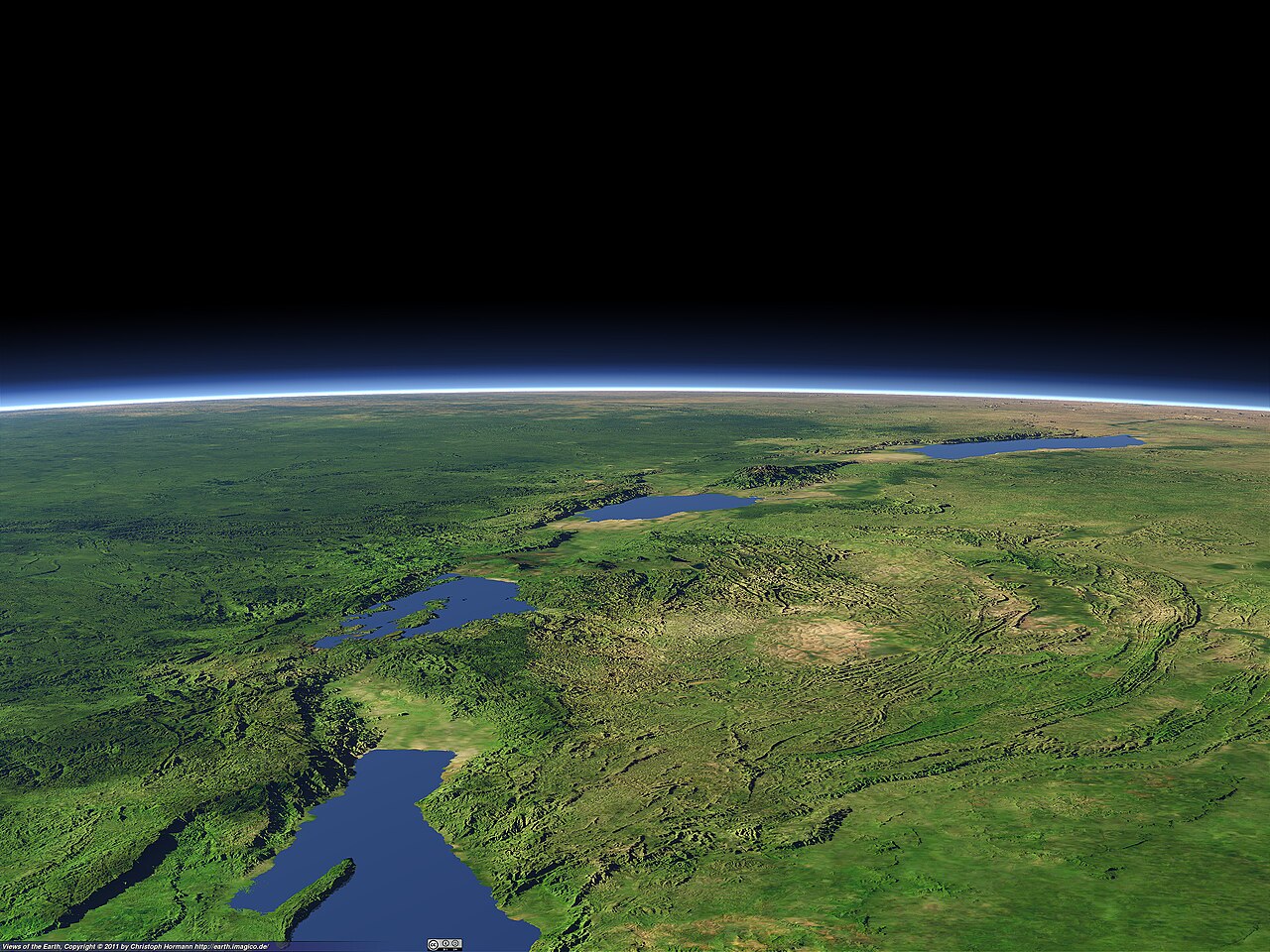
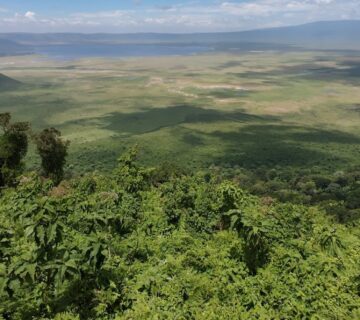
The Albertine Rift is one of Africa’s amazing places running through parts of Uganda, Rwanda, Burundi, Tanzania and the Democratic Republic of Congo. Its mountains, forests, valleys, lakes and wetlands hold a number of animals. Among the things in the Albertine Rift are birds and other creatures that live only there. These Albertine Rift endemics have changed over years in quiet places, which means their survival is tied closely to the health of the forests they live in.
Now these forests are under stress. Trees are cut down for farming, homes, roads, wood and fire. As the forests go away animals lose the food places to build nests, shelter and quiet areas they need to live. Deforestation and Its Impact on Albertine Rift Endemics is more than cutting down trees. It puts at risk a group of species and places that have grown together over many years.
Why the Albertine Rift Is So Important
The Albertine Rift holds some of Africa’s lively forests. Places like Bwindi Impenetrable National Park, Mgahinga Gorilla National Park, Nyungwe National Park and other protected forests are homes for rare animals. The area is especially known for the number of bird species many of which live only in the Albertine Rift.
The land is made up of mountains, deep valleys, rivers and different heights. This creates different places to live in a small area. A bird that likes up plants may live just a short way from another bird that needs lower warmer forest. This kind of way of living makes the area very interesting but it also makes it weak.
When a forest is gone an endemic species might not be able to go else. Its area might already be very small. Some species need trees, insects, fruits, flowers or forest parts. Taking away those things can quickly hurt eating having babies and staying alive.
A Home Found Nowhere Else
Albertine Rift endemics have species like the African Green Broadbill, Grauer’s Warbler, Rwenzori Turaco, Shelley’s Crimsonwing and other special birds. Each one has a place in the environment. Their survival depends on keeping the forests healthy where they were born.
For instance forest birds often need plants for making nests and hiding from dangerous animals. Others need trees that have fruit or holes. Some eat insects that live in leaves, bark, moss and fallen plants. When forests get smaller and broken up these connections are harder to keep.
This is why Deforestation and Its Impact, on Albertine Rift Endemics must be seen in the system. Saving one animal means protecting the living place that helps it.
How Deforestation Changes Forest Life
Deforestation starts when people cut down trees. The trouble lasts much longer than the tree cutting itself. When a forest is cleared the sun hits the ground in ways. The temperature goes up the air gets less humid and streams can get filled with dirt and mud. These big changes mess up the conditions that forest animals need to stay alive.
Habitat fragmentation is another problem. Of having one big long forest animals are left with tiny patches of trees. These patches are often split up by farms, roads, houses or empty land. Some animals hate crossing spaces so they get stuck in one spot. Over time being stuck like this makes it hard for animals to breed healthily. It makes them more likely to get sick or die when the weather changes.
The edges of a forest can also be very tough for animals. Because the edge is open there is wind, more bright sunlight and more people or pets walking around. A patch of forest might still look green on a map. It might not be a good home anymore for animals that need the quiet dark parts of a deep woodland.
Food and Breeding Opportunities Decline
Losing food is one of the obvious parts of forest loss. Birds need a lot of things to eat, like fruit, seeds, nectar, bugs and even small animals. When the plants in a forest change those food sources become hard to find.
Having babies is also much harder. Birds need places to build nests and plenty of food to feed their babies. If the big old trees go away or the thick bushes are cleared birds lose their spots. Even if the adult birds stay alive fewer baby birds will grow up to be adults.
This is a problem for animals that only live in one small area. A bird that lives everywhere might just fly to a forest if one is lost.. An endemic species that only lives in one tiny spot has nowhere else to go.
The Human Side of Forest Loss
People who live near forests rely on the land for food, water, wood, fuel and money. This means we cannot protect nature by treating people like they do not belong there. Families need ways to make a living that allow them to keep the important forests standing.
Better farming can help stop people from cutting down woodland. Things like agroforestry, ways to farm better stoves that use less wood, planting trees and finding new ways to make money can all help stop deforestation. When local people see that protecting the forest actually helps them earn a living conservation starts to work.
Ecotourism can also help if it is done the way. Birdwatching, forest walks, gorilla tourism and learning about culture can create jobs for guides, drivers, hotel owners and people who make crafts. The value of a living forest becomes very clear when people make money by keeping that forest healthy.
Local People Can Become Conservation Leaders
Many of the ways to protect nature depend on the people who live right next to the protected areas. Local guides know the forest paths, how the seasons change, what the birds sound like and how the wildlife acts. Their knowledge is just as important as science. Helps visitors understand why these places must be saved.
When communities lead the way young people might see the forest as part of their future. A young person who learns how to find birds how to be a guide or how to farm better might find a career in conservation.
This gives us hope. Protecting forests works better when it helps both the animals and the people.
Protecting the Forests Protects More Than Birds
The effects of Deforestation and Its Impact on Albertine Rift Endemics go beyond just the birds. Forests control our water hold the soil in place, store carbon help plants grow and give resources to people. If forests disappear it hurts farming, rivers, the weather and how people live.
The Albertine Rift is also part of a bigger system. Forests on the mountains help control the water that flows into the valleys and lakes below. Healthy plants stop the soil from washing. This means protecting these forests helps people who live away from the protected areas too.
We need to think about the landscape, not just small pieces of land. Making wildlife corridors fixing forests and having different towns and countries work together can help keep everything connected.
Restoration Offers a Second Chance
Not every broken forest can go back to how it was right away but restoration can still help a lot. Planting trees that belong there letting nature grow back on its own and stopping people from destroying plants can slowly fix damaged areas.
Restoration must focus on the plants that belong in that place. A forest is not a group of trees. It is a home for bugs, fungi, birds, mammals, reptiles, fish and all the tiny things, in the soil that work together.
Every part of a forest that we fix provides a home and helps connect the forests that are left. Even small projects can help the world if they are planned well and looked after for a long time.
Choosing Hope Over Loss
The future of the Albertine Rift is not fixed. Forest loss is a problem but people in the Albertine Rift are already protecting habitats fixing damaged land studying the area guiding visitors and teaching young people about nature.
The lesson from Deforestation and Its Impact on Albertine Rift Endemics is clear: protecting species starts by protecting the places where they live. Conservation cannot count birds after their numbers drop. It must guard forests before the damage is permanent.
Every protected tree gives food, shade, nest space and shelter. patch of forest that is fixed can link habitats. careful visitor can help the conservation economy. community personel who chooses land use can ease the pressure on the remaining forests.
The Albertine Rift still holds a natural heritage
Its endemic birds show how much life can grow in a landscape over time. Their future depends on the choices made today by governments, conservation groups, communities, tourism operators, farmers, researchers and visitors.
Protecting these forests is an investment in a future where rare birds keep singing in mountain forests, where rivers stay clean where communities gain from landscapes and where children can see species that exist nowhere else. Deforestation and Its Impact on Albertine Rift Endemics may show a conservation challenge but it can also spark action.
The forests of the Albertine Rift deserve more than admiration. They deserve protection, restoration, responsible tourism and a long‑term promise. When people join together to keep these habitats alive they give some of Africa’s species a better chance to survive. Importantly they keep a living natural heritage that belongs to tomorrow as well as to today.
Deforestation and Its Impact on Albertine Rift Endemics reminds us that conservation starts with habitat. Protect the forest. You protect the many relationships, inside it. Protect those relationships. You give special wildlife the chance to stay part of Africa’s natural story for many generations.

No comment