
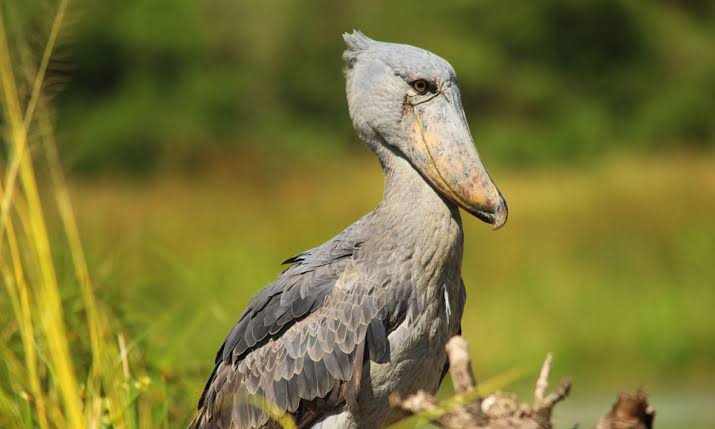
Citizen Science: How Birders Can Help Conservation in Africa
African birds tell stories that can slip past if you are not watching closely. A quick burst of blue amid trees the song of a hidden forest bird or a flock above a wetland can uncover changes in nature. Each sighting can join a tale when people write down what they see and post it through citizen science. Citizen Science: How Birders Can Help Conservation in Africa turns moments in the field into useful data that helps scientists, conservation groups, local communities and protected lands.
You do not have to be a scientist to help. You can stroll through a park visit a wetland near your home explore a forest trail or watch birds from your garden. The key is to watch name species as correctly as you can write down useful facts and post those bird observations through trustworthy platforms. When thousands of people give pieces of data scientists can start to see patterns that would otherwise take years to find.
Why Bird Observations Matter for Conservation
Birds are clues for environmental change because they react to shifts in food, water, plants, climate and habitat health. When a bird species becomes more common in one place or vanishes from another those shifts give hints about what is happening in the broader environment.
In Africa this data is especially vital because the continent holds a range of habitats. Africa has forests, savannas, wetlands, mountains, lakes, grasslands, coastlines and dry zones. Many bird species need specific places while migratory birds link African habitats with places far away.
Classic scientific surveys are still important. Scientists cannot be everywhere at once. Citizen science expands the number of people watching wildlife across areas. A local resident who notes birds each week may spot a pattern that a visiting research team could miss.
Small Observations Can Build Datasets
Picture someone noting the same wetland every Saturday for a year. They write down the bird species, how where and any odd behaviour. One single record may look small.. Hundreds of records gathered over time can turn into strong evidence.
Platforms like eBird let people post bird records that help science and conservation plans. Similar projects worldwide show how public participation can boost the amount of data scientists have.
This is why Citizen Science: How Birders Can Help Conservation in Africa deserves attention. Birdwatching can be more than a pastime. It can turn into a way to add knowledge, about Africa’s natural heritage.
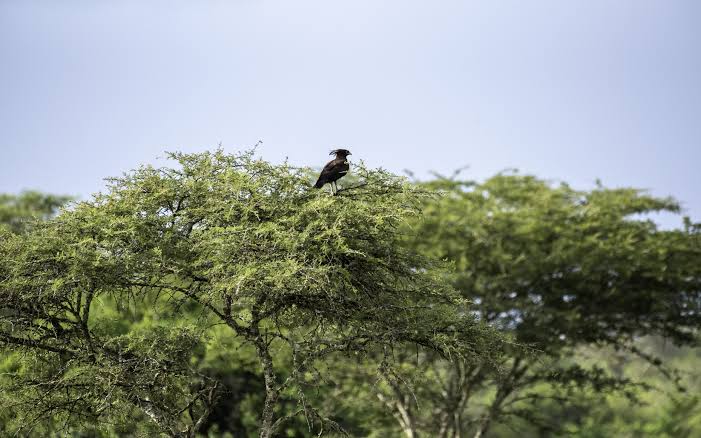
How You Can Start Contributing
The place to begin is with accurate observation. Before you record a bird take time to identify the bird carefully. Look at bird size, shape, colors, behavior, habitat and distinctive markings. Listen to bird call when possible. If you are uncertain record the bird at a level rather than submitting a bird identification you do not trust.
Keeping notes can also improve your records. Write down the date, approximate time, location, habitat, weather conditions and number of birds observed. These details can help researchers understand how bird species use environments.
Photography can provide evidence but it is not required. A clear photograph can help confirm a bird sighting while an audio recording may be especially valuable for bird species that are easier to hear than see. Your written observations can also be useful when collected consistently.
Use Technology Responsibly
Mobile phones have made participation easier. Bird identification applications can help you compare bird species recognize bird calls and organize your records. However technology should support observation rather than replace it. Automated identification can make mistakes with difficult bird species, poor recordings or bird seen in unusual conditions.
You should always review a bird identification before submitting it. When possible compare bird field marks and consult a bird field guide or experienced local guide. Accurate records are more useful than large numbers of uncertain records.
Supporting Africa’s Endemic Birds
Citizen science becomes particularly valuable when it involves bird species with restricted ranges. Africa has many birds found in specific regions or habitats. Albertine Rift forests for example support endemic and near-endemic bird species that cannot simply move to another ecosystem when their habitat is damaged.
Regular observations can help identify where these bird species occur and whether bird populations appear stable or are changing. Records from forests, wetlands, mountains and grasslands can help conservationists identify areas that deserve greater protection.
Migratory birds also benefit from monitoring. Some bird species spend part of the year in Africa. Travel across continents during migration. Recording when bird arrives, where bird feeds and when bird departs can contribute to a clearer understanding of bird movements.
Local Communities Have an Important Role
Conservation becomes stronger when local people participate. Communities living near wetlands, forests, lakes and protected areas often have knowledge of seasonal wildlife patterns. A person who has watched the area for twenty years may recognize changes that are difficult to detect through occasional scientific surveys.
Community members can record bird around farms, schools, fishing areas, villages and natural habitats. Young people can participate through school projects while local guides can collect bird observations during their work.
Citizen Science: How Birders Can Help Conservation in Africa also shows how conservation can connect with education and livelihoods. A local guide who develops bird identification skills can contribute reliable records while providing better experiences for visitors. Students can learn biology through observation rather than relying entirely on textbooks.
Birding Can Create a Conservation Culture
When people begin noticing birds they often start noticing habitats well. A wetland becomes than open water and vegetation when you understand that it provides feeding and breeding areas for different species. A forest becomes more meaningful when you recognize that a particular bird depends on its trees.
Recording More Than Rare Sightings
You do not have to find a bird to contribute something useful. Common bird species are important too. Regular records of bird species can reveal changes in distribution, abundance and seasonal behavior.
For example if a common wetland bird species is recorded in numbers during one period and becomes noticeably less frequent over several years that pattern may deserve investigation. Without records the change could remain unnoticed.
This is why consistency often matters more than excitement. A quiet morning with ten bird species can contribute more useful information than a single spectacular bird sighting that is never properly recorded.
Responsible Birding Strengthens Citizen Science
Good citizen science begins with behavior. Avoid disturbing bird nests, breeding colonies, roosting sites and feeding areas simply to obtain an observation or photograph. Do not play bird calls to attract sensitive bird species. Keep a distance, from wildlife and follow the rules of protected areas.
You should also think carefully before sharing locations of vulnerable bird species publicly. Detailed location information can sometimes expose birds to disturbance or illegal collection. Follow the privacy and location guidance provided by the platform you use and conservation organizations working with the bird.
Your contribution should leave the environment exactly as you found it
Turning Curiosity Into Long-Term Action
One of the inspiring parts of bird recording is that anyone can start almost anywhere. You might begin with five species in your neighborhood. Slowly learn fifty. You might join a birding group take part in a national bird count or start keeping records on every safari.
Over time observations create a history of the places that are visited. It is possible to discover that certain species return during months that some habitats support more birds after rainfall or that familiar species behave differently during breeding periods.
Those personal discoveries can become part of a larger scientific picture.
Citizen Science: How Birders Can Help Conservation in Africa encourages everyone to see every bird encounter as an opportunity to contribute. Expensive equipment, advanced qualifications or years of field experience are not needed. What is needed is curiosity, patience, accuracy and a willingness to share what is learned.
Africa’s birds face growing pressure from habitat loss, pollution, climate change, agricultural expansion and other environmental challenges. Conservationists need information to respond effectively. Every recorded observation can help fill an information gap.
The time an African Fish Eagle is seen above a lake a sunbird is feeding among flowers a turaco is moving through forest vegetation or a flock is gathering across a wetland pause and pay attention. Learn what is seen. Record it accurately. Share it responsibly.
An observation may be one entry in a database but thousands of careful observations can reveal changes across entire landscapes. In that way birding becomes a contribution, to conservation and time spent in the field becomes part of Africa’s continuing effort to protect remarkable birdlife.

No comment