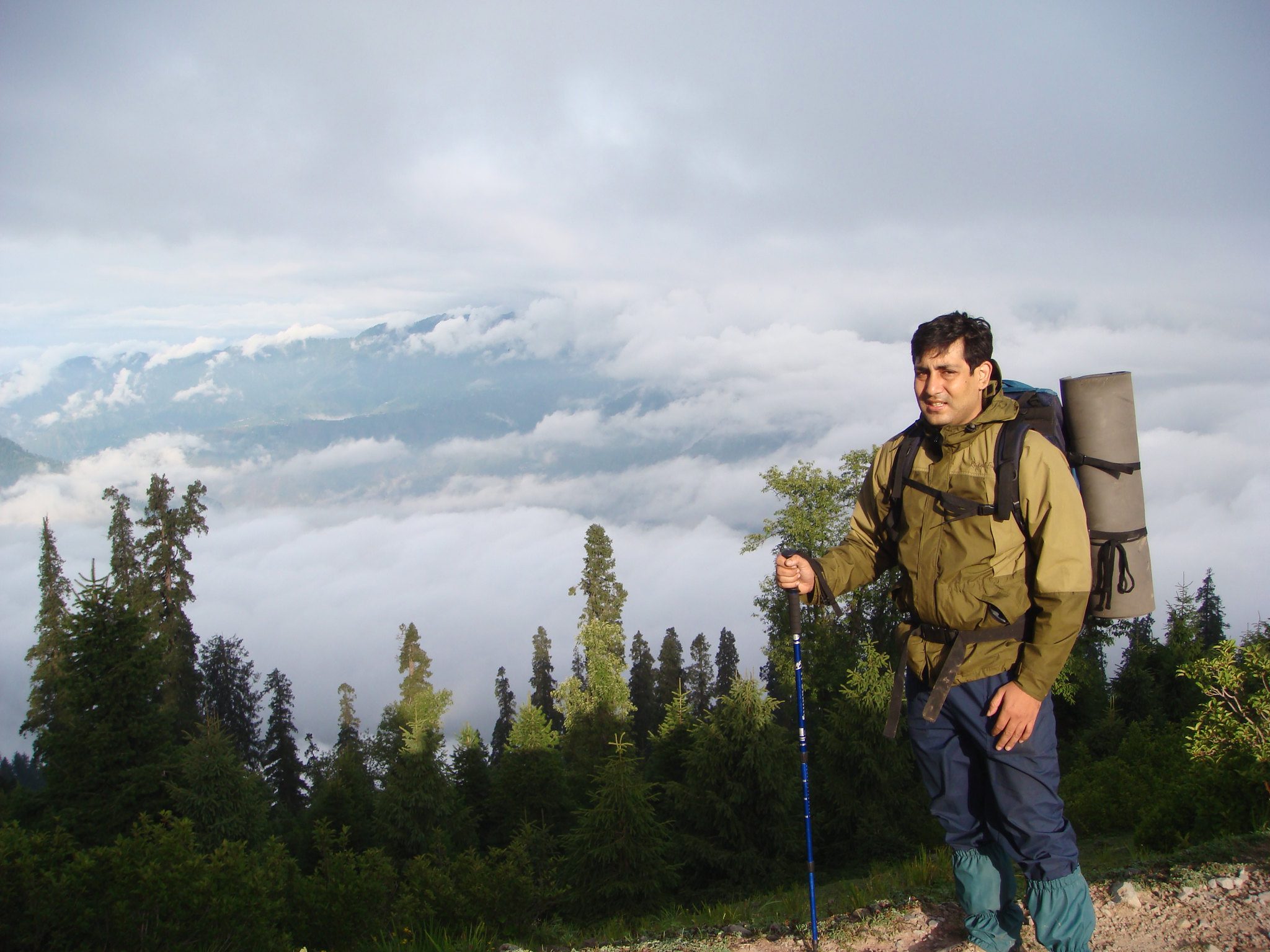
When heading out for outdoor adventures, choosing the right clothing is essential for comfort, protection, and enjoyment. Whether you’re hiking, camping, or exploring nature, here’s a comprehensive guide on what to wear for various outdoor activities:
1. Base Layers:
Start with moisture-wicking base layers that keep sweat away from your skin. Opt for lightweight, breathable materials like merino wool or synthetic fabrics.
2. Shirts:
Choose lightweight, long-sleeved shirts to protect your skin from the sun and bugs. Look for shirts with UPF (ultraviolet protection factor) for added sun protection.
3. Pants/Shorts:
For hiking and outdoor activities, wear moisture-wicking pants or shorts with plenty of pockets. Convertible pants that can be turned into shorts are a versatile option.
4. Outerwear:
Pack a waterproof and windproof jacket, especially if you’ll encounter variable weather. Look for options with breathable membranes to prevent overheating.
5. Footwear:
Invest in sturdy, supportive hiking boots or trail shoes. Make sure they’re broken in before your trip to avoid blisters. For water activities, consider water shoes with good traction.
6. Socks:
Choose moisture-wicking socks made from materials like merino wool to keep your feet dry and prevent blisters. Bring extra pairs for longer trips.
7. Hats and Sunglasses:
Wear a wide-brimmed hat or a cap with a neck flap for sun protection. Polarized sunglasses with UV protection are crucial to shield your eyes from glare and harmful rays.
8. Gloves:
Pack lightweight gloves for chilly mornings or activities that might require hand protection, such as rock climbing or kayaking.
9. Insulation Layer:
Bring a lightweight, packable insulating layer like a fleece or down jacket for colder temperatures or unexpected weather changes.
10. Rain Gear:
A compact, waterproof poncho or rain jacket is essential to stay dry in wet conditions. Make sure it’s breathable to prevent overheating.
11. Accessories:
Don’t forget essentials like a buff or scarf (for sun protection, warmth, or dust), a lightweight beanie, and a bandana for various uses.
12. Swimsuit:
If your adventure includes water activities or swimming, pack a swimsuit that’s comfortable and dries quickly.
13. Compression Gear:
Consider wearing compression socks or sleeves to improve circulation and reduce muscle fatigue, especially for longer hikes.
14. Bug Protection:
In bug-prone areas, wear lightweight, long-sleeved shirts and pants to minimize exposure. Apply insect repellent to exposed skin.
15. Sleepwear:
Pack comfortable sleepwear that’s appropriate for the climate. Keep in mind that temperatures can drop at night, so consider an extra layer.
16. Climate-Specific Gear:
Tailor your clothing choices to the climate you’ll be in. For hot and sunny destinations, prioritize lightweight, breathable clothing. For cold climates, focus on layering for warmth.
17. Cultural Considerations:
Respect local customs when dressing in different regions. Modesty may be important in certain areas, so be prepared to cover up as needed.
18. Check the Forecast:
Always check the weather forecast for your destination and pack accordingly. Be prepared for sudden weather changes in mountainous or coastal regions.
Remember that comfort and functionality are key when dressing for outdoor activities. Opt for moisture-wicking fabrics, layering options, and proper footwear to ensure a safe and enjoyable experience during your outdoor adventures.
Evening Wear at Safari Lodges
Most lodges maintain a relaxed, casual dress code for dinner, meaning a clean set of comfortable travel clothes is generally sufficient without needing to pack anything more formal, even at higher-end properties.
Dressing Specifically for an East African Safari
While the general principles above apply broadly, an East African safari carries its own specific dress code, neutral earth-toned colors like khaki, olive, and tan are preferred over bright colors or pure white and black, since neutral tones blend better into the bush and don’t startle wildlife or attract insects the way brighter colors can. All in Africa Safaris can advise on destination-specific dress requirements for your particular itinerary.
Practical Fabric Choices for the Climate
Quick-drying, lightweight synthetic or merino fabrics genuinely outperform heavier cotton across most East African conditions, since they manage humidity and dry faster after an unexpected rain shower or a warm midday hike.
Why Neutral Colors Matter So Much on Game Drives
Beyond simply blending in, certain colors carry specific practical concerns in East Africa, blue and black fabrics are known to attract tsetse flies in some regions, while bright colors can be more visible and potentially disruptive to wildlife during close encounters. Sticking to khaki, olive, beige, and similar neutral tones sidesteps both concerns at once.
A Note on Jewelry and Accessories
Leaving valuable or dangling jewelry at home simplifies both packing and daily wear during active safari days, where practical accessories like a sturdy watch and a well-fitted daypack matter far more than anything decorative.
What Gorilla and Chimpanzee Trekking Demands Beyond Standard Safari Wear
Forest trekking activities add specific requirements beyond a standard game-drive wardrobe, gardening gloves for gripping vegetation, long trousers tucked into socks or gaiters to protect against biting ants, and genuinely waterproof, well broken-in hiking boots given Bwindi and Volcanoes National Park’s steep, often muddy terrain. These forest-specific items matter enough that they’re worth packing even if the rest of your itinerary is largely vehicle-based.
Packing a Spare Outfit for the Trek Itself
Bringing one complete change of clothes specifically for the return journey after a muddy gorilla or chimpanzee trek keeps the rest of your luggage clean and your ride back to the lodge considerably more comfortable.
Layering for East Africa’s Temperature Swings
Equatorial East Africa can feel deceptively cool in early morning and evening despite warm daytime temperatures, particularly at higher elevations like Bwindi or the Ngorongoro Crater rim, making a lightweight fleece or insulating layer genuinely essential even on what otherwise feels like a tropical trip. Packing layers you can add and remove throughout the day handles this swing far better than a single mid-weight outfit.
Footwear Choices Across Different Safari Activities
Sturdy, broken-in hiking boots suit forest treks and walking safaris, while more breathable trail shoes or even comfortable closed-toe sandals work well for vehicle-based game drives and lodge downtime, meaning most travelers benefit from packing more than one footwear option depending on their specific itinerary mix. All in Africa Safaris can advise on which activities in your itinerary call for which type of footwear.
Packing Light Without Sacrificing Preparedness
Given luggage weight limits on small aircraft transfers between parks, and the laundry service most safari lodges offer, packing a genuinely versatile capsule wardrobe rather than a full outfit for every day of your trip strikes the right balance between preparedness and practicality. Reviewing your specific itinerary’s activity mix before packing helps ensure you bring exactly what each day’s activities require, no more and no less.
Sun Protection Beyond Standard Outdoor Advice
East Africa’s equatorial sun is genuinely intense year-round, meaning the wide-brimmed hat and sunglasses recommended for general outdoor activities become non-negotiable essentials on safari, alongside high-SPF sunscreen applied consistently throughout open-vehicle game drives. UV exposure at higher elevations like the Ngorongoro Crater rim or Bwindi’s forest ridges can be even more intense than lower-elevation savannah locations.
Rain Gear for Wet-Season Travel
Travelers visiting during East Africa’s wetter months, roughly March to May and October to November, should prioritize genuinely waterproof, breathable rain gear over the lighter poncho that might suffice for a fair-weather outdoor trip elsewhere, given how quickly and heavily tropical rain can fall. A proper rain jacket also handles the spray from Nile boat cruises and waterfall visits regardless of season.
Packing for Multi-Country East African Itineraries
Travelers combining Uganda, Kenya, Tanzania, and Rwanda in a single trip should pack with the most demanding activity in mind, typically forest trekking, since gear suited to Bwindi’s muddy terrain works perfectly well for savannah game drives, while the reverse isn’t always true. All in Africa Safaris can help you build a single versatile packing list that covers every country on a multi-destination itinerary.
Laundry Service and What That Means for Packing
Most safari lodges and camps offer same-day or next-day laundry service, meaning travelers genuinely don’t need to pack a fresh outfit for every day of a multi-week trip, a detail that considerably lightens the load especially given small-aircraft luggage weight restrictions between parks. Confirming laundry availability with your specific lodges ahead of time helps you pack with appropriate confidence.
What Local Guides Notice About Visitor Dress
Experienced local guides consistently note that visitors who arrive with appropriately neutral, practical clothing tend to have smoother, more comfortable trekking and game-drive experiences than those who show up underprepared in bright colors or impractical footwear. This small detail, often overlooked in pre-trip excitement, genuinely affects day-to-day comfort throughout the trip.
Small Details, Meaningful Comfort
Getting dress choices right for an East African safari isn’t about fashion, it’s about arriving genuinely prepared for whatever a given day’s game drive, trek, or lodge evening actually requires.
Getting Your Safari Wardrobe Right
The general outdoor dressing principles covered in this guide apply everywhere, but East Africa’s specific combination of wildlife-sensitive color choices, forest trekking demands, and temperature swings deserves its own dedicated attention when packing. All in Africa Safaris can send a detailed, itinerary-specific packing list well ahead of your trip so you arrive genuinely prepared for every activity, leaving nothing but the wildlife itself to surprise you.