
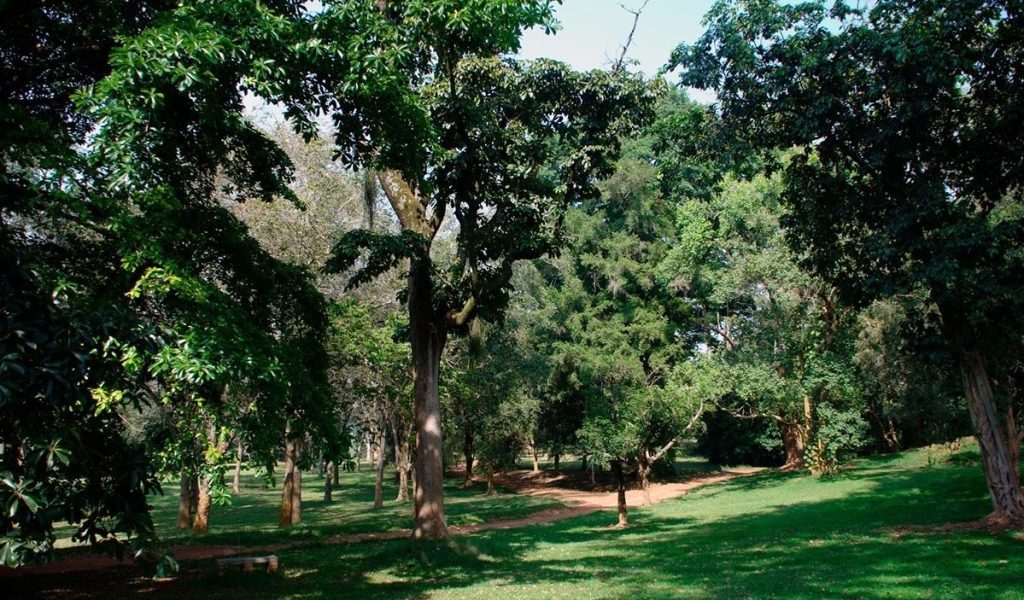
1 Day Entebbe Botanical Gardens and Uganda Wildlife Education Centre with Mvule Tree Planting
Overview
This one-day Entebbe nature and wildlife experience combines a guided visit to the historic Entebbe Botanical Gardens, an educational wildlife experience at the Uganda Wildlife Conservation Education Centre (UWEC), and a GreenSpot tree-planting activity featuring the indigenous Mvule tree.
Located along the northern shores of Lake Victoria, Entebbe offers a beautiful combination of lakeside scenery, tropical vegetation, birdlife and wildlife conservation experiences. The botanical gardens provide an opportunity to explore different plant species, mature trees and natural habitats while learning about the importance of botanical conservation. At UWEC, you will discover Uganda’s wildlife through educational exhibits and learn about animal rescue, rehabilitation and conservation.
The GreenSpot programme adds a practical conservation experience through the planting of a Mvule tree (Milicia excelsa), one of Uganda’s important indigenous hardwood species. The activity introduces visitors to the value of native trees, responsible planting and long-term environmental protection.
The tour starts and ends in Entebbe, making it suitable for visitors staying in Entebbe, travellers with time before or after a flight, families and nature lovers looking for a one-day experience close to Lake Victoria.
Safari Highlights
- Visit the Uganda Wildlife Conservation Education Centre.
- Learn about Uganda's wildlife, animal rescue, rehabilitation and conservation education.
- Observe selected wildlife species, including primates, big cats, herbivores and birds, depending on the animals available for viewing.
- Participate in a tree-planting programme featuring four montane tree species.
- Learn about indigenous tree conservation, seedling care and environmental restoration.
- Enjoy a relaxed lunch in Entebbe.
- Guided nature walk through the historic Entebbe Botanical Gardens.
Tree species featured in the planting programme
Mvule – Milicia excelsa
Main uses: Mvule is a large indigenous African hardwood tree valued for its strong, durable timber. It is traditionally used for furniture, construction, doors, flooring and other woodworking purposes. The tree also contributes to forest structure, provides shade and supports biodiversity. Its fruits are a food resource for wildlife.
Why plant it? Mvule has experienced pressure in many areas because of its valuable timber. Planting this indigenous species can contribute to restoring suitable landscapes, maintaining native tree diversity and supporting future generations. Its large canopy can provide shade and habitat for birds and other wildlife when the tree matures.
Planted at: An approved community, school, institutional, farm or restoration site in Entebbe or the surrounding Wakiso area, selected according to soil conditions, available space, landowner consent and ecological suitability. The planting location should be outside sensitive botanical collections and protected habitats unless specific permission has been obtained.
Detailed Itinerary
Day 1: Entebbe Botanical Gardens, Uganda Wildlife Education Centre and Mvule tree planting
Your guide and driver will pick you up from your hotel in Entebbe after breakfast. Begin the day with a short drive to the Entebbe Botanical Gardens, a historic green space established in 1898 along the shores of Lake Victoria.
On arrival, meet your local guide and begin a guided walk through the gardens. Explore the different sections and learn about the variety of tropical plants, indigenous trees and other botanical collections found within the grounds. Your guide will introduce you to the importance of botanical gardens in plant conservation, research, environmental education and the protection of natural habitats.
As you walk along the garden paths, look out for birds, butterflies and monkeys moving through the vegetation. The gardens are also a rewarding place for photography, with mature trees, green landscapes and views towards Lake Victoria. Your guide will explain how the different habitats support wildlife and why protecting natural vegetation around the lake is important.
Continue towards the lakeside section of the gardens, where you can enjoy the peaceful surroundings and learn about the relationship between the lake, its shoreline vegetation and the local environment. Take time for photographs before leaving the gardens.
Proceed to the Uganda Wildlife Conservation Education Centre, commonly known as UWEC or Entebbe Zoo. This conservation education facility introduces visitors to Uganda’s wildlife and the importance of protecting animals and their natural habitats.
On arrival, receive an introduction to the centre and its conservation work. With the assistance of a local guide or education officer, explore the animal sections and learn about the different species under the centre’s care. Depending on the animals available for viewing, you may see lions, chimpanzees, giraffes, zebras, rhinos, crocodiles, monkeys, antelopes and several bird species.
Your guide will explain the natural habitats, feeding behaviour and conservation challenges facing different animals. You will also learn about the centre’s work involving rescued, injured and confiscated wildlife, as well as the importance of public education in reducing threats such as illegal wildlife trade and habitat destruction.
The visit may include a walk through selected forested sections, where you can learn about vegetation, medicinal plants and the relationship between wildlife and their habitats. Follow the centre’s rules, remain within designated visitor areas and avoid feeding or disturbing animals.
Enjoy lunch at a selected restaurant in Entebbe. Depending on availability and your preference, lunch can be arranged at a suitable restaurant within or near the wildlife centre, allowing you to relax before the afternoon conservation activity.
In the afternoon, proceed to the approved GreenSpot tree-planting location. Meet the local conservation partner or community representative, who will introduce you to the Mvule tree and explain its ecological and economic importance in Uganda.
Before planting, learn how to identify a healthy seedling, prepare the planting hole and position the tree at the correct depth. With guidance from the local team, place the Mvule seedling into the prepared hole, cover the roots with soil and gently firm the ground around the base. Water the seedling where necessary and, if appropriate, mark the planting location for future monitoring.
Your guide will explain why indigenous trees such as Mvule are important for restoring tree cover, supporting biodiversity and maintaining healthy ecosystems. You will also learn about the threats facing valuable hardwood species and why responsible planting must be accompanied by long-term protection and care.
The activity provides an opportunity to take photographs and participate in a practical conservation experience that connects tourism with environmental responsibility. The GreenSpot team or local partner will explain how the planted seedling can be monitored and protected after your visit.
After completing the planting activity, return to your hotel or another agreed drop-off point in Entebbe. This marks the end of your one-day Entebbe Botanical Gardens and Uganda Wildlife Education Centre experience.
Accommodation: Not included; the tour ends in Entebbe.
Meals: Breakfast and lunch.
Optional activities
Depending on available time, weather and advance arrangements, you may add:
Mabamba Wetland shoebill excursion: Take a guided canoe trip through the papyrus wetlands in search of the shoebill and other wetland birds. This requires additional time and separate transport arrangements.
Ngamba Island Chimpanzee Sanctuary: Take a boat excursion on Lake Victoria to learn about chimpanzee rescue, care and conservation. This is a separate excursion requiring advance arrangements.
Entebbe town tour: Explore selected parts of Entebbe, including local markets, historical locations and the lakeside environment.
Lake Victoria boat experience: Enjoy a boat ride along selected parts of the lake, subject to weather and operator arrangements.
Entebbe craft shopping: Visit local craft shops to discover Ugandan handmade products, souvenirs and traditional artwork.
Additional UWEC conservation experiences: Ask the centre about special visitor programmes or educational activities available on your travel date.
Extended birdwatching: Spend more time observing birds in the botanical gardens or arrange a specialist birding excursion around Entebbe.
Optional activities may involve extra costs, permits, specialist guides and additional time. They should be arranged before travel where necessary.
Frequently asked questions
What is included in the Entebbe Botanical Gardens and UWEC tour?
The experience includes a guided visit to the Entebbe Botanical Gardens, a visit to the Uganda Wildlife Conservation Education Centre, lunch and participation in a GreenSpot Mvule tree-planting activity at an approved location. The final quotation should clarify entrance fees, transport, guide services and any special activities included.
What is special about the Entebbe Botanical Gardens?
The gardens were established in 1898 and are among Uganda’s historic botanical sites. They contain a variety of tropical vegetation and mature trees, provide opportunities for birdwatching and nature walks, and occupy a scenic location along Lake Victoria.
What is the Uganda Wildlife Conservation Education Centre?
UWEC is a wildlife conservation and education facility in Entebbe. It provides opportunities to learn about Uganda’s wildlife, animal rescue, rehabilitation and the importance of protecting natural habitats. It is not simply a conventional zoo; conservation education is central to its work.
Which animals can I see at UWEC?
Depending on the animals available for viewing on the day, visitors may see lions, chimpanzees, giraffes, zebras, rhinos, crocodiles, monkeys, antelopes and different bird species. Animal sightings and access to individual sections depend on the centre’s current arrangements.
What is a Mvule tree?
Mvule, scientifically known as Milicia excelsa, is an indigenous African hardwood tree. It is valued for durable timber and plays an important ecological role in suitable natural habitats.
Why is Mvule included in the tree-planting programme?
Mvule is an important indigenous tree that has faced pressure from timber harvesting. Planting it at suitable locations can help support native tree diversity, restore tree cover and encourage awareness about the conservation of valuable indigenous species.
Where will the Mvule tree be planted?
The tree will be planted at an approved community, school, institutional, farm or restoration site around Entebbe or the wider Wakiso area. The location must be suitable for the species and approved by the landowner or responsible institution.
Can I plant a Mvule tree inside the botanical gardens?
The standard programme does not assume that visitors can plant trees within the botanical gardens. The gardens have established plant collections and management requirements. Planting will therefore take place at a separately approved location unless the garden management specifically authorises an activity within its grounds.
Is the tour suitable for children?
Yes. The combination of botanical exploration, wildlife education and tree planting can be a rewarding family experience. Children should remain under adult supervision and follow all instructions at UWEC and the planting site.
How long does the tour take?
The experience is planned as a full-day activity. The time spent at each attraction may vary depending on the group’s interests, wildlife education activities, traffic and the location of the approved tree-planting site.
Can the itinerary start from Kampala?
Yes. Pickup from Kampala can be arranged, but the tour will require an earlier departure and additional driving time. The standard itinerary is designed around visitors staying in Entebbe.
Entebbe Botanical Gardens and plant conservation
The Entebbe Botanical Gardens provide an important setting for understanding Uganda’s plant diversity and the value of protecting natural vegetation. Established in 1898, the gardens have a long history connected to botanical research, plant collections and the study of tropical vegetation.
The gardens contain a variety of trees and plants, offering opportunities to learn about indigenous and introduced species, their ecological roles and their importance to people. Their lakeside location also makes them valuable for understanding the relationship between vegetation, water resources and wildlife habitats.
During your visit, your guide will introduce you to the importance of maintaining green spaces in growing towns and cities. Trees help provide shade, support wildlife, protect soil and contribute to healthier urban environments.
Uganda Wildlife Conservation Education Centre and wildlife conservation
The Uganda Wildlife Conservation Education Centre plays an important role in introducing visitors to Uganda’s wildlife and conservation challenges. The centre was originally established to care for confiscated and injured animals and has developed into a facility focused on wildlife education, animal care and conservation awareness.
Visitors can learn about different Ugandan ecosystems and the animals associated with them. The centre also provides opportunities to understand the challenges facing wildlife, including habitat destruction, illegal wildlife trade, human-wildlife conflict and declining natural habitats.
The educational experience helps visitors appreciate that wildlife conservation requires more than protecting individual animals. It also involves preserving forests, wetlands, grasslands and other habitats that support entire ecosystems.
Visiting UWEC contributes to its visitor-supported operations and provides an opportunity to learn about the importance of conservation education. Special visitor programmes should be confirmed with the centre before travel.
GreenSpot Mvule tree planting and community conservation
The GreenSpot programme connects tourism with practical environmental conservation by giving visitors an opportunity to participate in indigenous tree planting.
For this itinerary, the featured species is Mvule (Milicia excelsa). The tree is valued for its timber, but its ecological importance extends beyond commercial use. Mature trees contribute to forest structure, provide shade and support wildlife.
The programme encourages responsible planting at suitable community and institutional locations. Local partners help identify appropriate sites, prepare seedlings and explain how planted trees should be cared for.
Planting is only the beginning of conservation. Young Mvule trees require protection against livestock, fire, physical damage and other threats. Watering may be necessary during dry periods, depending on local conditions. Regular monitoring helps determine whether seedlings are growing successfully and whether replacement planting is needed.
GreenSpot can also support environmental education activities in schools and communities, encouraging people to appreciate indigenous trees and participate in protecting Uganda’s natural resources.
Birdwatching opportunities
Entebbe is a rewarding destination for birdwatching, particularly around the botanical gardens and the shores of Lake Victoria. The gardens contain a variety of habitats that attract birds, while the surrounding lakeshore provides additional opportunities to observe water-associated species.
During your walk, look out for African fish eagles, great blue turacos, kingfishers, herons, sunbirds and other species. The actual birds seen will depend on the season, weather and time spent exploring.
The UWEC grounds also offer birdwatching opportunities, with the centre reporting more than 120 bird species associated with its grounds and surrounding habitats.
Visitors with a particular interest in birds can bring binoculars and request a slower guided walk focused on identification, bird behaviour and habitat conservation. A separate Mabamba Wetland excursion can be arranged for those hoping to search for the shoebill in its natural wetland habitat.
Community experiences
Entebbe provides opportunities to interact with local communities and learn about livelihoods connected to tourism, fishing, agriculture, crafts and small businesses.
During the tour, visitors can support local service providers through the use of community guides, restaurants and craft businesses. Where arrangements permit, the GreenSpot planting activity can also involve local residents, school representatives or environmental groups.
These experiences help connect tourism with community participation and environmental responsibility. Visitors should seek permission before photographing individuals and respect local customs and institutional guidelines.
Practical notes
Tour starting point: The standard itinerary begins in Entebbe. Pickup from Kampala can be arranged with additional driving time.
Botanical Gardens visit: The gardens are a natural environment with established plant collections. Follow designated paths and avoid damaging vegetation or disturbing wildlife.
UWEC visitor arrangements: The centre advises visitors to arrive early, ask about available activities and arrange special visitor programmes in advance. General visitor guidance and opening arrangements should be confirmed before travel.
Wildlife behaviour: Animals should never be fed, teased or disturbed. Follow the instructions of UWEC staff and remain within authorised visitor areas.
Tree planting: The Mvule planting location must be approved before the tour. The species should be planted in a suitable environment, with adequate space for its mature size.
Tree aftercare: Arrange for a local partner to monitor the seedling, protect it from damage and provide watering when necessary.
Weather: Entebbe can experience rainfall throughout the year. Carry light rain protection and comfortable clothing for outdoor activities.
What to bring: Comfortable walking shoes, a hat, sunscreen, drinking water, binoculars if interested in birdwatching and a camera.
Children: Families should supervise children throughout the botanical walk, wildlife visit and tree-planting activity.
Accessibility: Visitors with mobility concerns should communicate their requirements before booking. UWEC advises visitors to ask about wheelchair availability.
Meals: Breakfast is generally taken at your hotel, while lunch is arranged at a selected restaurant in Entebbe or within the wildlife centre, subject to availability.
Entrance fees: Botanical garden and UWEC entrance fees may vary by visitor category and can change. Confirm the applicable rates before travel.
Travel insurance: Comprehensive travel insurance is recommended for visitors travelling in Uganda.
Best time to visit
Entebbe can be visited throughout the year. However, the relatively drier periods from June to August and December to February are generally convenient for outdoor walks, wildlife viewing and tree-planting activities.
The wetter periods, particularly March to May and September to November, can bring more rainfall. The gardens become lush, but some paths may be muddy and outdoor activities may need to be adjusted.
Birdwatching is possible throughout the year, although the species encountered and their activity levels vary with seasonal conditions. Early morning is generally a rewarding time to explore the botanical gardens because birds and other wildlife can be more active.
For the Mvule tree-planting activity, the best timing depends on local soil moisture, rainfall and seedling availability. Planting should be coordinated with the local conservation partner to give the seedling suitable conditions for establishment.
For this combined experience, the drier months are a convenient choice, although the tour can be arranged in other months with appropriate weather planning.
Tour Includes
- Travel in a 4×4 car
- Professional guide
- Park fees
- Accommodation
- Meals
- All Activities In Itinerary
Tour Excludes
- Alcoholic drinks
- Laundry
- Tips
- Shopping
- Insurance
- Anything not included per itinerary
Get Your Tailored 5 Days Rwanda Gorilla Trekking Hagenia abyssinica Tree-Planting Safari from Kigali to Musanze
Uganda Safari Photos
Our Green Spot Campaign
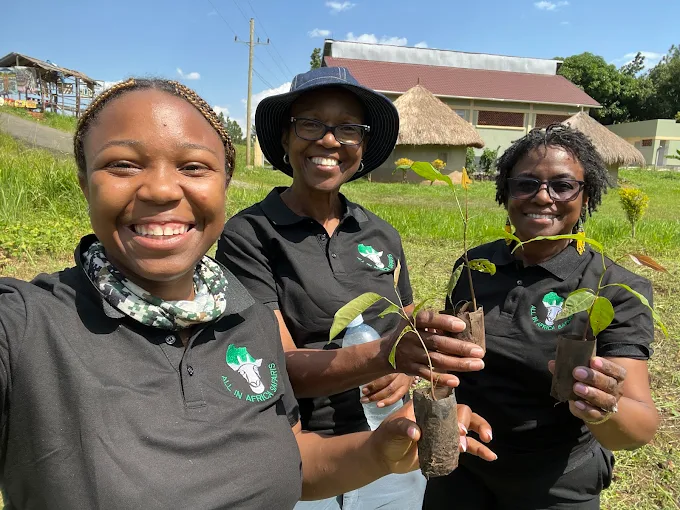
Every safari with us supports our Green Spot Campaign — planting trees across Uganda’s communities. Learn more & get involved →
All in Africa Safaris arranges tours to Uganda, Rwanda, Kenya and Tanzania
3 Days Murchison Falls Safari
Discover the Wildlife in the Murchison Falls National Park with engagement with a boat cruise and game drives which lead to a nature walk on top of the falls
4 Days Gorillas & Queen Wildlife
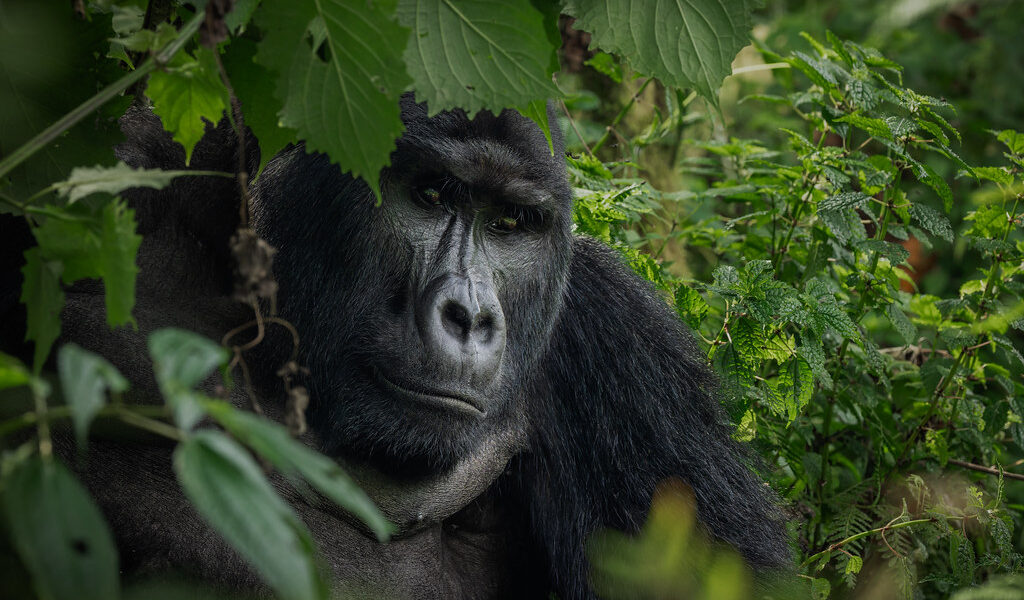
Visit the magical national parks of Uganda known as Bwindi Forest and Queen Elizabeth National Park including gorilla trekking and wildlife views for travelers
5 Days Gorillas & Chimps Track
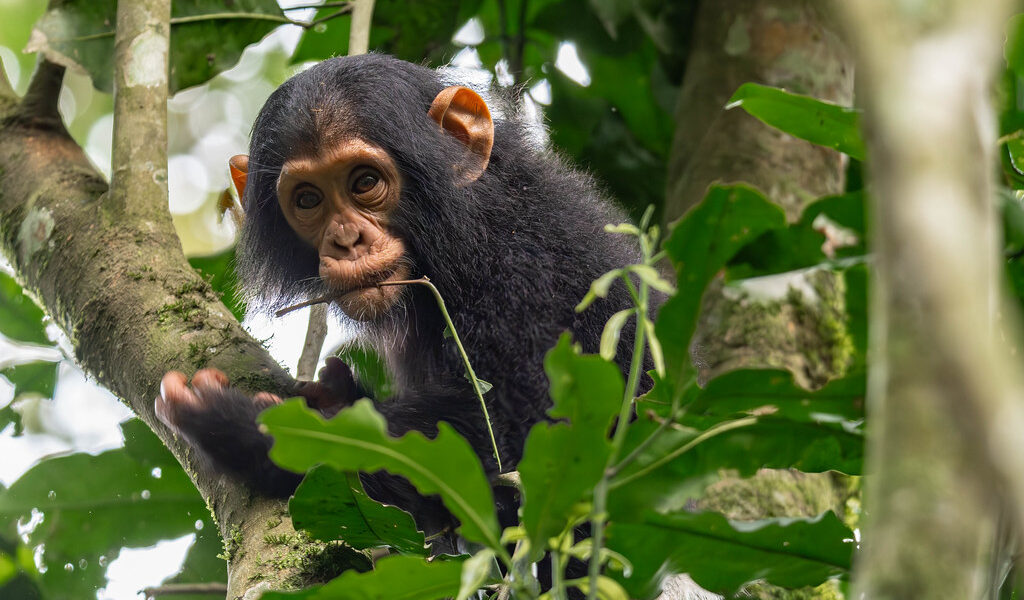
Explore the great Mgahinga National Park conserving and protecting the endangered Mountain gorillas & chimpanzees in the pearl of Africa
6 Days Uganda Safari
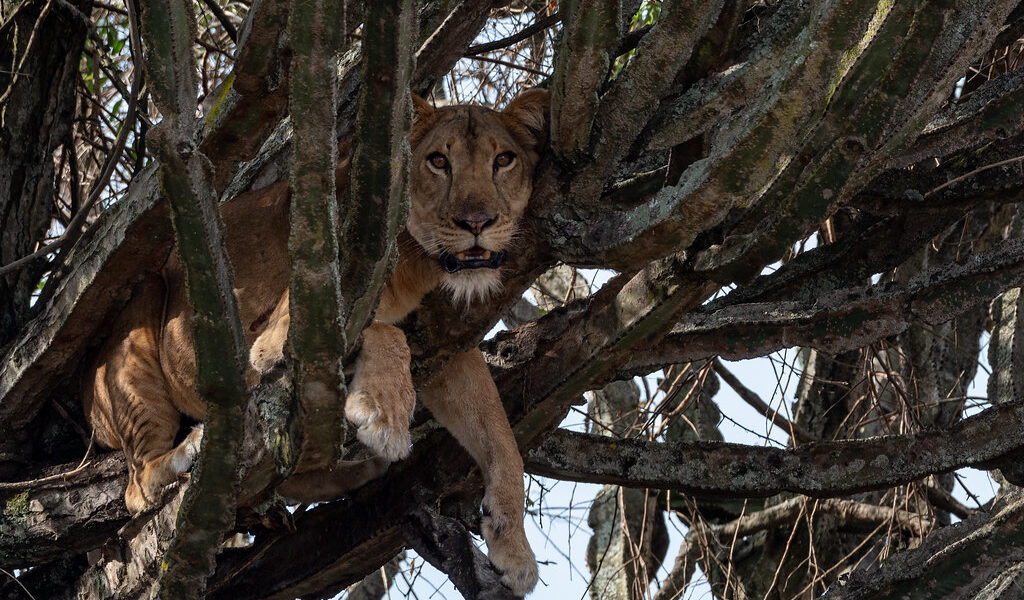
Visit the magical national parks of Uganda known as Bwindi Forest and Queen Elizabeth National Park which include the gorilla trekking and wildlife views
1 Day Bwindi Gorilla Tour from Kigali
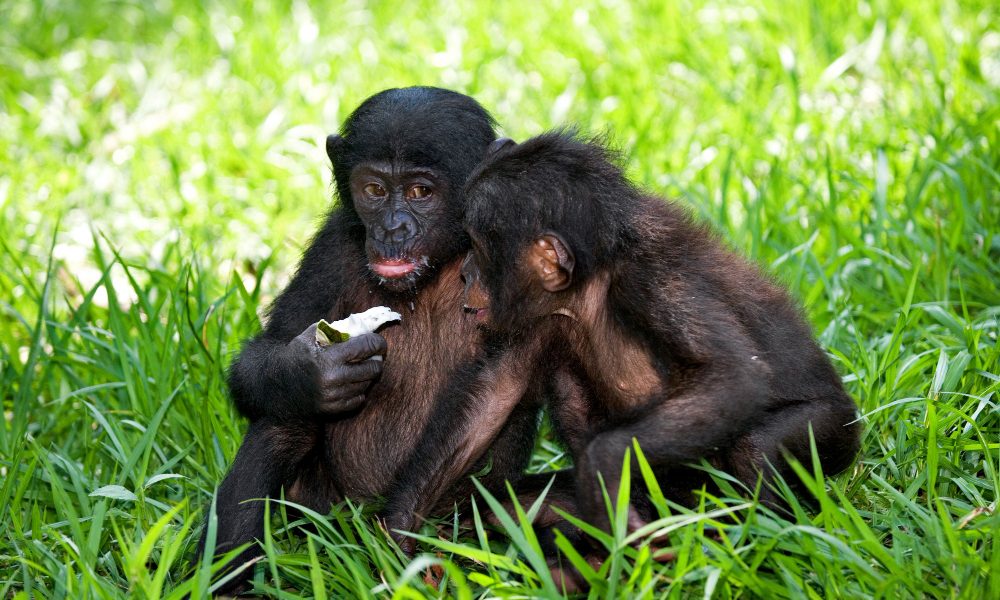
A fast-paced day trip from Kigali into Bwindi Impenetrable Forest for a single unforgettable hour with a mountain gorilla family
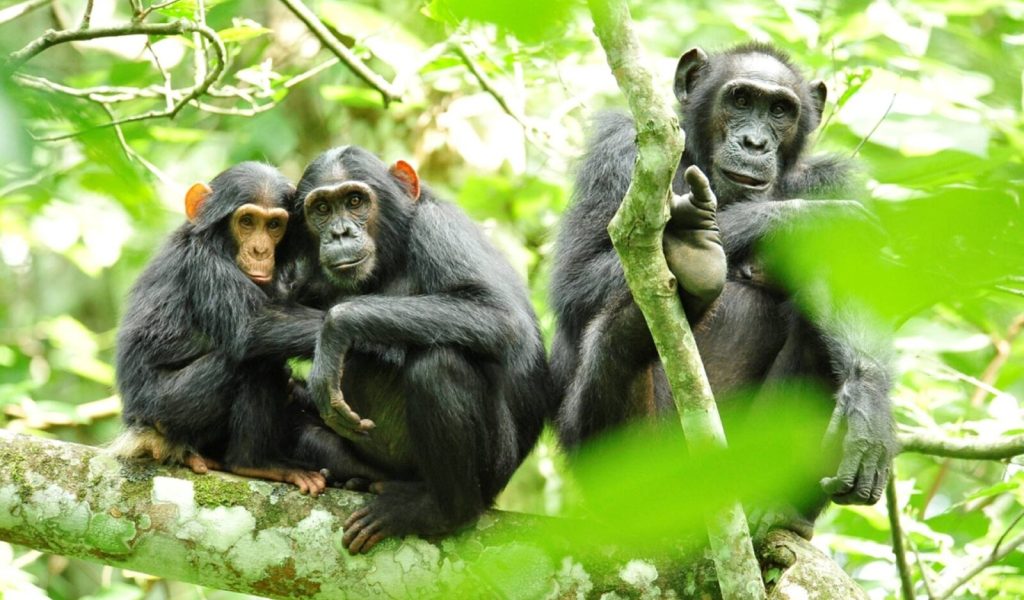
3 Days Chimpanzee Tracking in Kibale
Track chimpanzees through Africa’s primate capital, Kibale Forest, alongside a community walk through Bigodi Wetland Sanctuary
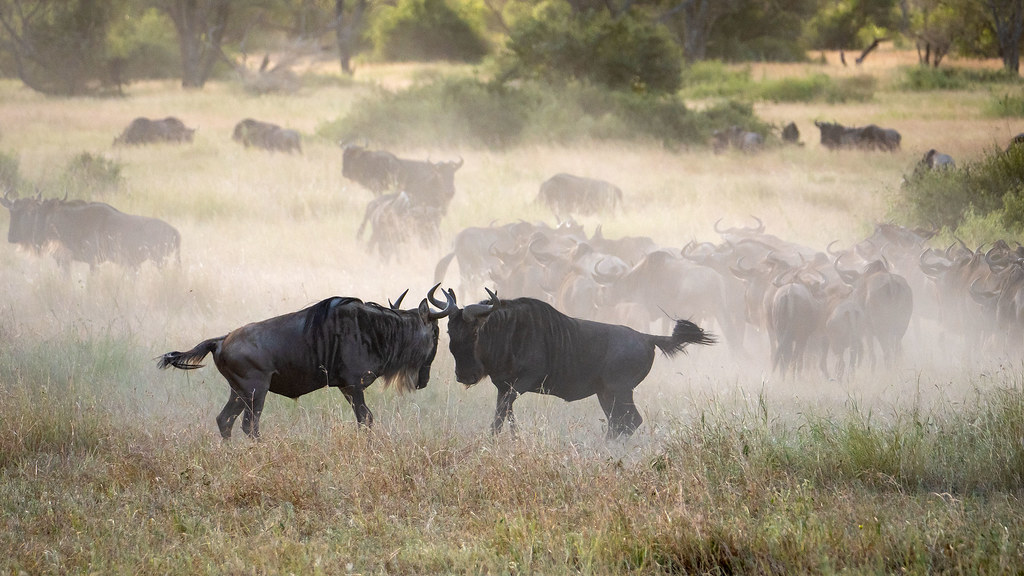
4 Days Kidepo Valley Wildlife Safari
Venture into Uganda’s most remote wilderness for cheetahs, ostriches and dramatic mountain scenery few visitors ever see
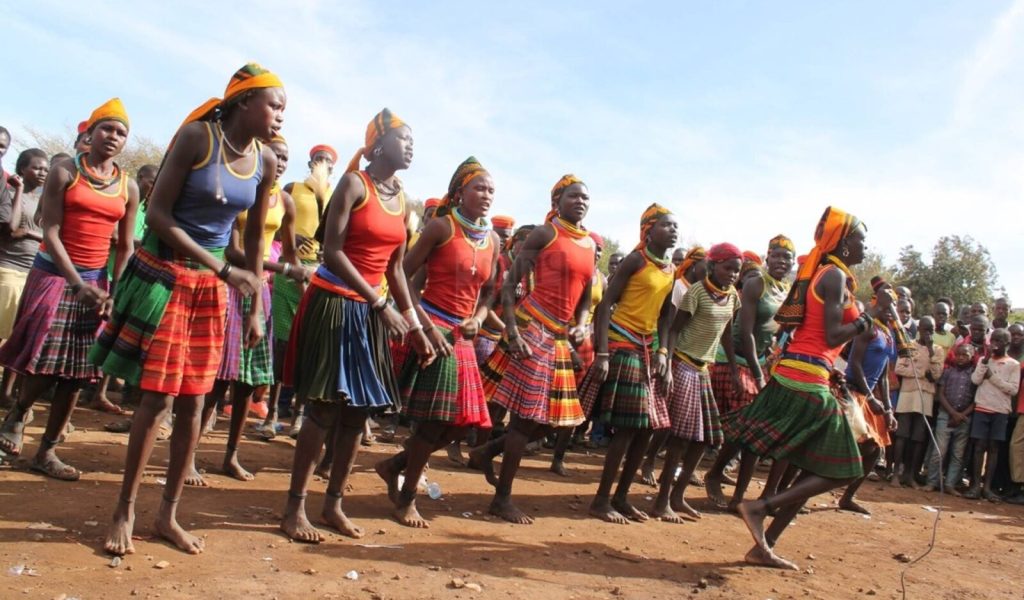
7 Day Kidepo and Sipi Safari
Combine Kidepo Valley’s wild plains with waterfall hikes and coffee tours in the Sipi Falls region
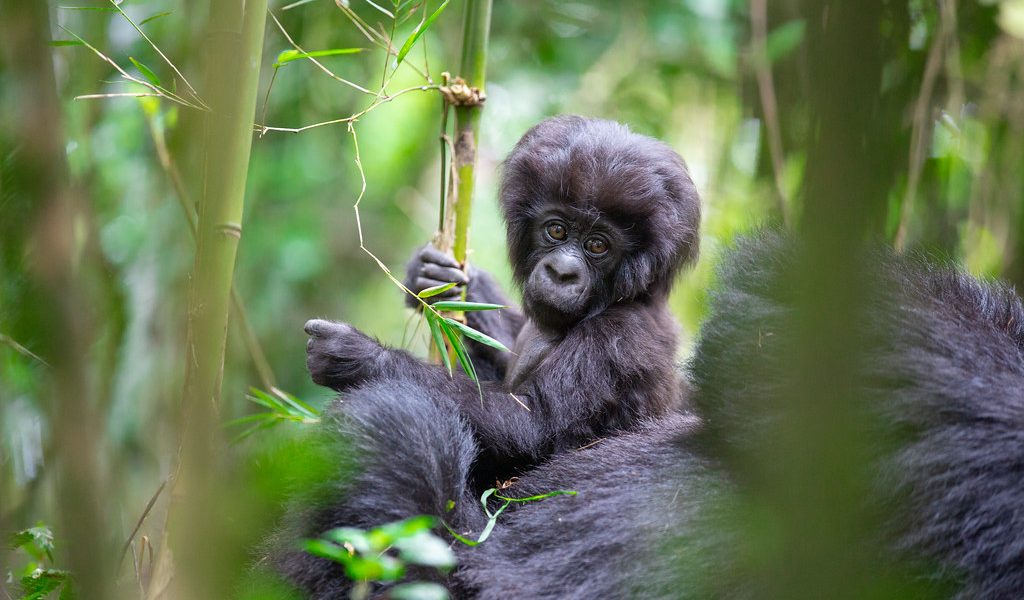
10 Days Rwanda Uganda Safari
A complete circuit through Volcanoes, Bwindi, Queen Elizabeth and Kibale for gorillas, chimps and classic wildlife
12 Days Uganda Leisure Holidays
An unhurried two-week journey through Murchison Falls, Kibale, Queen Elizabeth, Bwindi and Lake Mburo
14 Days Uganda Northern Circuit
Explore Kidepo Valley, Murchison Falls and Sipi Falls on this off-the-beaten-path northern adventure
15 Days Uganda Safari
Uganda’s full highlight reel across two relaxed weeks of gorillas, chimps, wildlife and scenic countryside