
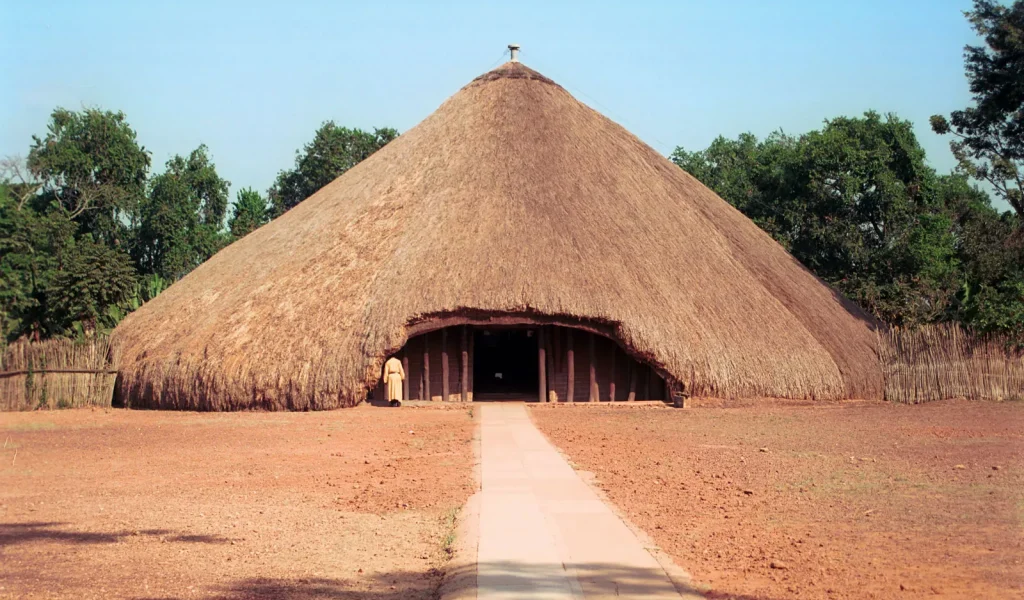
1 Day Kampala City and Kasubi Tombs Cultural Tour with Mutuba Fig Tree Planting
Overview
This one-day cultural tour introduces you to Kampala’s history, royal heritage, cultural traditions and urban life. It combines a guided exploration of selected city landmarks with a visit to the historic Kasubi Tombs, the burial grounds of Buganda’s Kabakas.
The experience also includes a GreenSpot Mutuba fig tree-planting activity. Mutuba (Ficus natalensis) is deeply connected to Buganda’s cultural heritage because its bark has traditionally been used to make barkcloth. Through this activity, visitors learn about the tree’s cultural importance, its role in traditional barkcloth production and the value of preserving indigenous tree species.
The planting will take place at an approved community or cultural site, arranged in consultation with local partners. It will not be assumed that planting is permitted within the Kasubi Tombs heritage grounds.
Safari Highlights
- Explore Kampala's historic city centre and important national landmarks.
- Visit the Uganda National Mosque on Old Kampala Hill.
- Discover the history of the Buganda Kingdom at the Kabaka's Palace in Mengo.
- Visit Bulange, the administrative headquarters of the Buganda Kingdom.
- Explore the UNESCO-listed Kasubi Tombs and learn about Buganda's royal burial traditions.
- Participate in a Mutuba fig tree-planting experience.
- Learn about traditional barkcloth production and its cultural importance in Buganda.
Tree species featured in the planting programme
Mutuba fig – Ficus natalensis
Main uses: The Mutuba fig is an indigenous African tree traditionally valued in Uganda for its bark, which is used to produce barkcloth. Barkcloth has long been important in Buganda’s cultural life, including traditional ceremonies, clothing, burial practices and other cultural activities. The tree also provides shade, contributes to soil protection and supports biodiversity.
Why plant it? Planting Mutuba trees helps maintain a living connection with Buganda’s cultural heritage while supporting indigenous tree cover. The species can provide habitat and food resources for wildlife, contribute to greener community spaces and help preserve the traditional knowledge associated with barkcloth production.
Planted at: An approved community, school, cultural or demonstration site in the Kasubi area or another suitable location in Kampala. Planting within the Kasubi Tombs heritage property is not assumed and would only take place if specifically authorised by the responsible heritage authorities.
Detailed Itinerary
Day 1: Kampala city tour, Kasubi Tombs cultural visit and Mutuba fig tree planting
Your guide and driver will pick you up from your hotel in Kampala after breakfast. Begin with a guided introduction to the city, learning how Kampala developed around its historic hills and how the Buganda Kingdom influenced the city’s cultural and political history.
Your first stop will be the Independence Monument, one of Kampala’s recognised landmarks. Here, your guide will explain its significance in Uganda’s history and the country’s independence in 1962. You will have time for photographs before continuing through the city centre.
Proceed to Old Kampala Hill to visit the Uganda National Mosque, also widely known as Gaddafi Mosque. The mosque is an important religious and architectural landmark, offering an opportunity to learn about Islam in Uganda and the country’s religious diversity. If visitor access is available, you may enter the mosque with an authorised guide. Visitors should follow the mosque’s dress and conduct requirements.
Continue to Mengo, the historic centre of the Buganda Kingdom, for a visit to the Kabaka’s Palace area, commonly known as Lubiri. Learn about the traditional leadership of Buganda, the role of the Kabaka and important events in the kingdom’s modern history. Depending on access arrangements, your visit may include the former underground chambers associated with the reign of Idi Amin.
From the palace area, continue towards Bulange, the administrative headquarters of the Buganda Kingdom. Your guide will introduce you to the kingdom’s traditional administrative structure and the importance of Bulange in Buganda’s cultural and political life. You may also experience part of the historic Royal Mile, which connects the palace area with Bulange.
Enjoy lunch at a selected restaurant in Kampala, where you can sample Ugandan dishes or choose from other available meals. After lunch, proceed to Kasubi Hill for the main cultural experience of the day.
At the Kasubi Tombs, take a guided visit to the traditional burial grounds of the Buganda kings. This important heritage site is the burial place of four Kabakas and remains a significant spiritual and cultural centre for the Baganda people. Learn about the history of the royal tombs, the traditional architecture, royal customs and the cultural responsibilities of the site’s custodians.
Your guide will also explain the relationship between the Mutuba fig tree and traditional barkcloth production. Barkcloth is made from the inner bark of the Mutuba tree and has an important place in Buganda’s cultural heritage. The process involves traditional knowledge passed down through generations.
In the afternoon, participate in the GreenSpot Mutuba fig tree planting activity at a pre-approved community or demonstration location. You will be introduced to the seedling, learn how to prepare the planting hole, position the tree correctly and cover its roots with soil. Your local host will explain the importance of protecting the young tree, watering it when necessary and monitoring its growth.
The planting activity will also provide an opportunity to discuss indigenous tree conservation, cultural heritage and the role of local communities in protecting Uganda’s natural environment. The exact planting location will depend on landowner consent, ecological suitability and permission from the relevant authorities.
After the activity, return to your hotel in Kampala, arriving in the late afternoon. This marks the end of your one-day Kampala city and Kasubi Tombs cultural tour.
Accommodation: Not included; the tour ends in Kampala.
Meals: Breakfast and lunch.
Optional activities
Depending on your interests, available time and advance arrangements, you may add:
A visit to the Uganda Museum to explore Uganda’s cultural, historical and archaeological collections, subject to its operating status and visitor access.
A guided walk through selected Kampala local markets to experience daily city life and discover traditional crafts.
A visit to a traditional barkcloth-making demonstration to learn more about the preparation and cultural uses of Mutuba bark.
A Ugandan traditional food experience featuring local dishes such as matooke, groundnut sauce, cassava and other regional foods.
A visit to the Ndere Cultural Centre for traditional music, dance and performances, subject to the performance schedule.
A visit to the Bahá’í House of Worship to learn about its architecture, gardens and religious significance.
Optional activities may require additional time, transport or entrance fees and should be arranged in advance where necessary.
Frequently asked questions
What is included in the Kampala city and Kasubi Tombs tour?
The tour includes a guided Kampala city experience, visits to selected historical and cultural landmarks, a guided visit to Kasubi Tombs subject to access arrangements, lunch and a GreenSpot Mutuba fig tree planting activity at an approved location. Specific entrance fees and other inclusions should be confirmed when booking.
What makes Kasubi Tombs important?
Kasubi Tombs is an important cultural and spiritual site for the Baganda people. It is the traditional burial ground of four Buganda kings and represents the kingdom’s history, architecture, traditions and royal heritage.
What is a Mutuba fig tree?
The Mutuba fig, scientifically known as Ficus natalensis, is an indigenous tree traditionally used in Uganda for making barkcloth. Its bark is carefully harvested and processed using traditional techniques to produce a material used in cultural ceremonies and other important practices.
Will I plant a Mutuba tree at Kasubi Tombs?
The planting activity will take place at an approved community, cultural, school or demonstration site. Planting inside the Kasubi Tombs heritage property is not automatically permitted and would require specific authorisation from the responsible authorities.
Can I visit the Kasubi Tombs every day?
Visitor access and opening arrangements should be confirmed before the tour. The site is an active cultural and spiritual place, so visits must follow the guidance of its custodians and any applicable conservation restrictions.
Is the Kampala city tour suitable for families?
Yes. The tour can be suitable for families, including older children interested in history, architecture and culture. Parents should supervise children at heritage and religious sites and follow the instructions of local guides.
What should I wear when visiting the cultural and religious sites?
Wear comfortable clothing suitable for walking. Modest dress is recommended at religious and cultural sites. At the mosque, visitors must follow the required dress code and any instructions provided by mosque staff.
How physically demanding is the tour?
The tour involves vehicle transfers and walking around historical sites. Some locations have steps, uneven surfaces or sloping paths. Visitors should inform the operator in advance if they have mobility concerns.
Can this tour be customised?
Yes. The itinerary can be adjusted to include additional cultural experiences, local food stops, craft markets or other Kampala attractions, depending on your available time and interests.
Kampala cultural heritage and history
Kampala offers a rich introduction to Uganda’s history and cultural diversity. Its identity is closely connected to the Buganda Kingdom, whose traditions, leadership and institutions have influenced the development of the city.
The tour introduces visitors to different aspects of Kampala’s heritage, from the Independence Monument and religious architecture to the royal institutions of Mengo and the cultural traditions preserved at Kasubi. These experiences help explain the relationship between Uganda’s national history and the traditional kingdoms that continue to play an important cultural role.
Kasubi Tombs is particularly significant because it preserves royal burial traditions, traditional architectural knowledge and the spiritual heritage of Buganda. Visitors should approach the site respectfully and follow the guidance of its custodians.
GreenSpot Mutuba tree planting and community conservation
The GreenSpot programme connects cultural tourism with practical environmental conservation. Through the planting of a Mutuba fig tree, visitors participate in an activity that links indigenous tree conservation with the preservation of traditional barkcloth heritage.
The programme encourages visitors to understand that planting a tree is only the first step. A successful planting project requires suitable land, healthy seedlings, protection from livestock and damage, watering when necessary and regular monitoring.
GreenSpot works with local communities, schools, landowners and cultural organisations to identify suitable planting locations. The programme also promotes environmental awareness and encourages younger generations to appreciate the importance of indigenous trees.
For this tour, the Mutuba fig tree is especially meaningful because it represents both environmental and cultural conservation. Its continued presence supports traditional barkcloth knowledge and helps maintain a living connection between the natural environment and Buganda’s heritage.
Community and cultural experiences
Kampala’s cultural experiences extend beyond its major landmarks. During the tour, visitors can learn about traditional food, local crafts, religious diversity, music and the everyday life of the city’s communities.
Where arrangements permit, a visit to a barkcloth-making demonstration can provide a deeper understanding of how Mutuba bark is harvested and processed. Visitors can also learn about the traditional knowledge involved in preparing barkcloth and its uses in ceremonies and cultural practices.
Supporting responsible local experiences helps create opportunities for community guides, craft makers, cultural practitioners and small businesses. Visitors are encouraged to ask permission before photographing people and to purchase crafts respectfully and directly from local makers where possible.
Birdwatching opportunities
Although this is primarily a city and cultural tour, Kampala has several green spaces and wetland habitats that support birdlife. Depending on the route, season and available time, visitors may notice common urban and wetland birds around gardens, lakeside areas and other green spaces.
Travellers with a strong interest in birdwatching can extend the experience with a separate visit to the Entebbe Botanical Gardens or another suitable birding location. These additional activities require more time and are not part of the standard one-day route.
Practical notes
Tour arrangements: Confirm the pickup location, starting time, site access and any required entrance fees before the travel date.
Kasubi Tombs access: The visit is subject to the site’s current visitor arrangements, conservation requirements and guidance from its custodians.
Cultural respect: Kasubi Tombs is a spiritual and cultural site. Follow your guide’s instructions, respect restricted areas and observe photography rules.
Religious-site dress code: Visitors to the Uganda National Mosque should dress modestly and follow the mosque’s visitor requirements.
Tree planting: The Mutuba seedling and planting location should be arranged in advance. Planting requires landowner consent and approval from the relevant site authorities.
Weather: Kampala has a tropical climate and rain can occur throughout the year. Carry light rain protection, particularly during the wetter months.
Transport: Kampala traffic can be heavy, especially during morning and evening peak hours. The order of visits may be adjusted to reduce unnecessary driving and accommodate traffic conditions.
What to bring: Comfortable walking shoes, a hat, sunscreen, drinking water, a camera where photography is permitted and some cash for personal purchases.
Accessibility: Some heritage sites have uneven paths, steps or other access limitations. Travellers with mobility concerns should discuss arrangements before booking.
Meals: Breakfast is generally taken at your hotel, while lunch is arranged at a selected restaurant in Kampala. Special dietary requirements should be communicated in advance.
Tree care: The GreenSpot team or local planting partner should establish a follow-up care arrangement to monitor the seedling and support its survival after the visitor’s participation.
Best time to visit
Kampala can be visited throughout the year. The city experiences a tropical climate, with relatively drier periods generally occurring from June to August and December to February. These months can provide more comfortable conditions for walking between cultural sites and participating in outdoor tree planting.
March to May and September to November are generally wetter periods, although rainfall patterns can vary. Visitors can still enjoy the cultural tour during these months, but rain protection and flexible timing are advisable.
The Mutuba tree-planting activity should be scheduled according to local rainfall, seedling availability and the suitability of the selected planting site. Planting when soil moisture is adequate can help seedlings establish, but the final timing should be agreed with the local conservation partner.
Tour Includes
- Travel in a 4×4 car
- Professional guide
- Park fees
- Accommodation
- Meals
- All Activities In Itinerary
Tour Excludes
- Alcoholic drinks
- Laundry
- Tips
- Shopping
- Insurance
- Anything not included per itinerary
Get Your Tailored 5 Days Rwanda Gorilla Trekking Hagenia abyssinica Tree-Planting Safari from Kigali to Musanze
Uganda Safari Photos
Our Green Spot Campaign
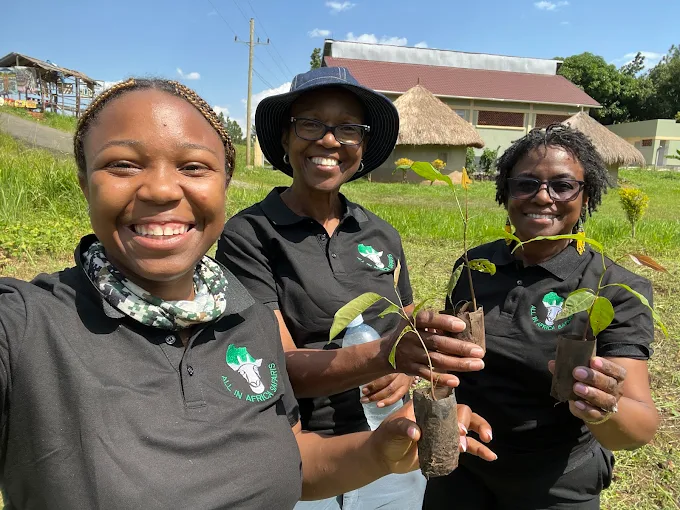
Every safari with us supports our Green Spot Campaign — planting trees across Uganda’s communities. Learn more & get involved →
All in Africa Safaris arranges tours to Uganda, Rwanda, Kenya and Tanzania
3 Days Murchison Falls Safari
Discover the Wildlife in the Murchison Falls National Park with engagement with a boat cruise and game drives which lead to a nature walk on top of the falls
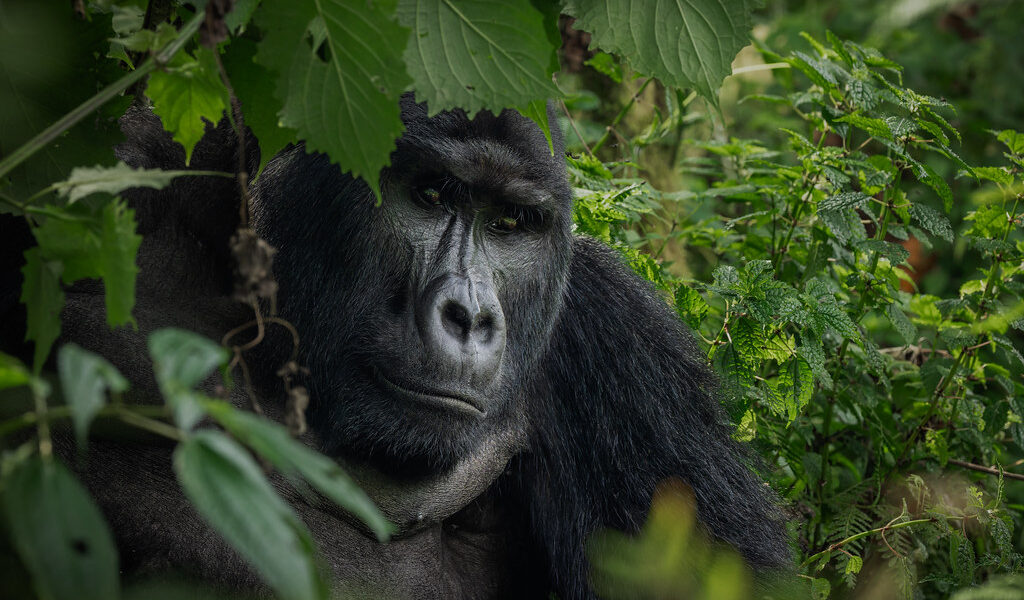
4 Days Gorillas & Queen Wildlife
Visit the magical national parks of Uganda known as Bwindi Forest and Queen Elizabeth National Park including gorilla trekking and wildlife views for travelers
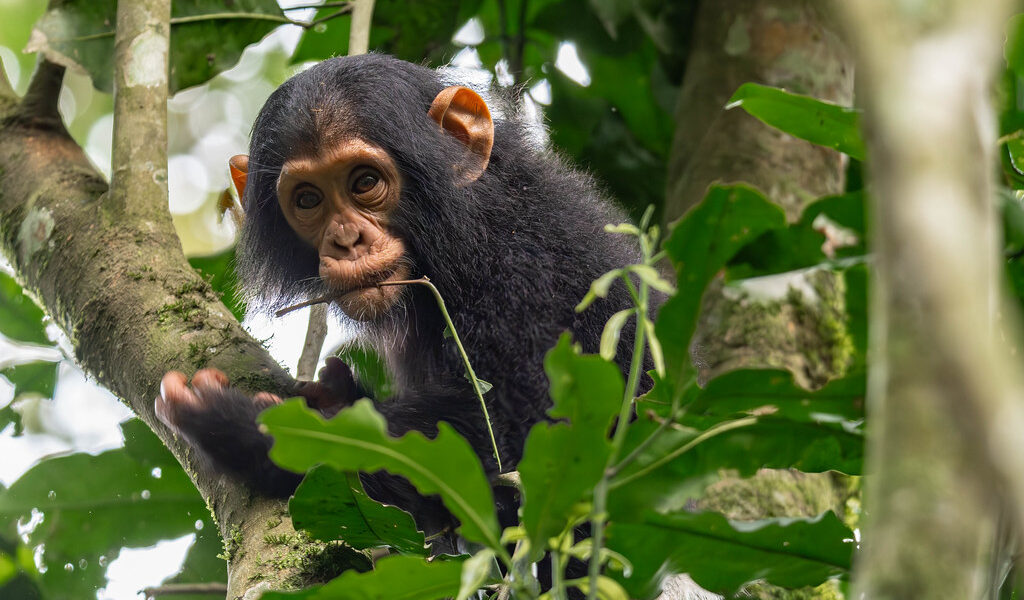
5 Days Gorillas & Chimps Track
Explore the great Mgahinga National Park conserving and protecting the endangered Mountain gorillas & chimpanzees in the pearl of Africa
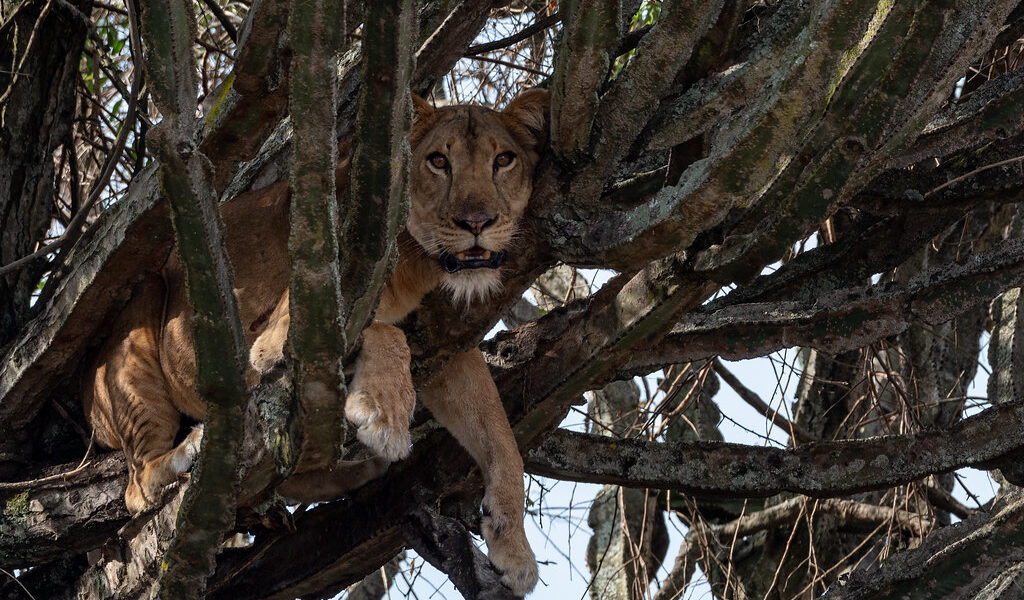
6 Days Uganda Safari
Visit the magical national parks of Uganda known as Bwindi Forest and Queen Elizabeth National Park which include the gorilla trekking and wildlife views
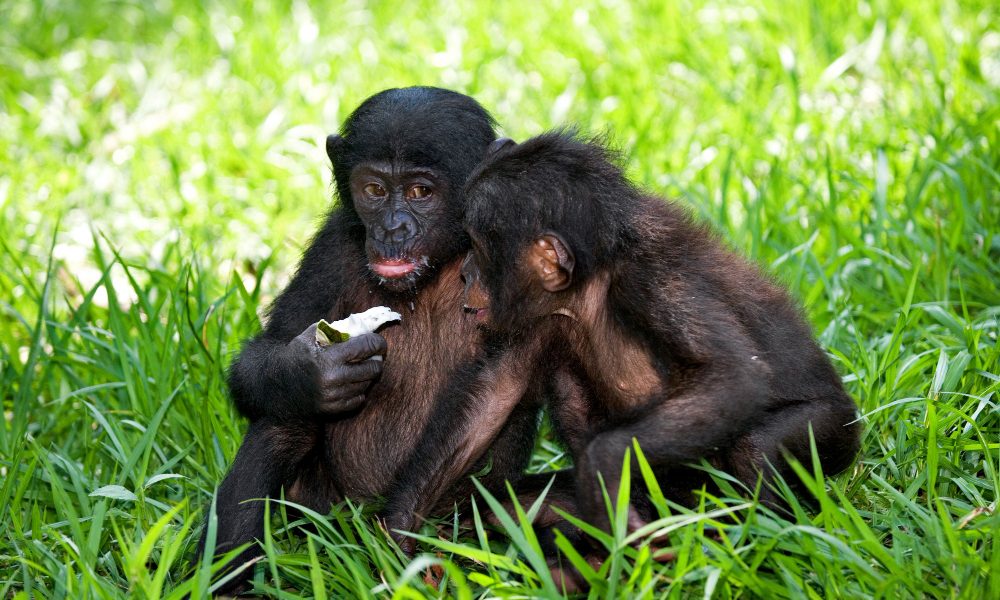
1 Day Bwindi Gorilla Tour from Kigali
A fast-paced day trip from Kigali into Bwindi Impenetrable Forest for a single unforgettable hour with a mountain gorilla family
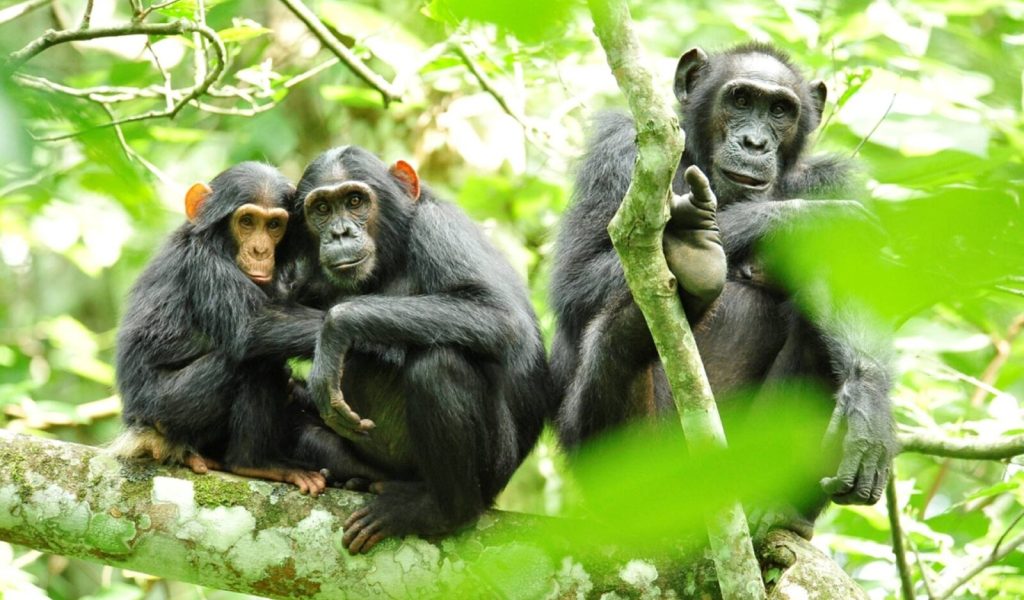
3 Days Chimpanzee Tracking in Kibale
Track chimpanzees through Africa’s primate capital, Kibale Forest, alongside a community walk through Bigodi Wetland Sanctuary
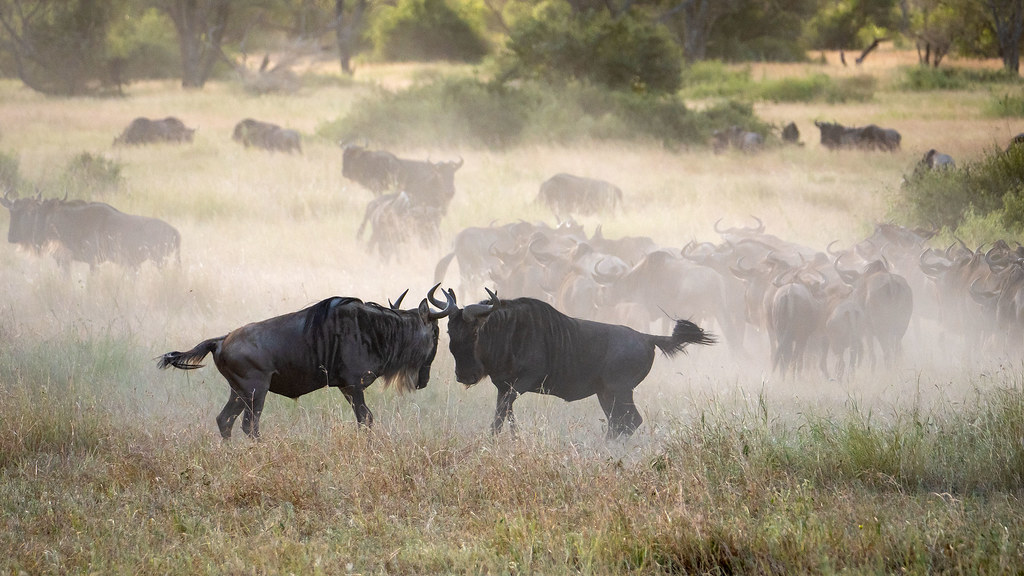
4 Days Kidepo Valley Wildlife Safari
Venture into Uganda’s most remote wilderness for cheetahs, ostriches and dramatic mountain scenery few visitors ever see
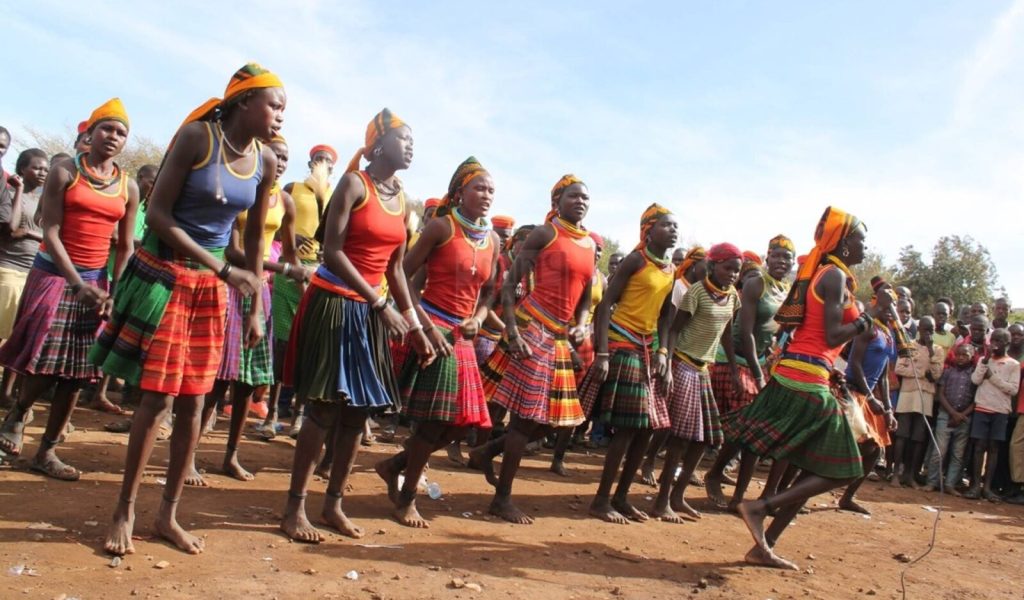
7 Day Kidepo and Sipi Safari
Combine Kidepo Valley’s wild plains with waterfall hikes and coffee tours in the Sipi Falls region
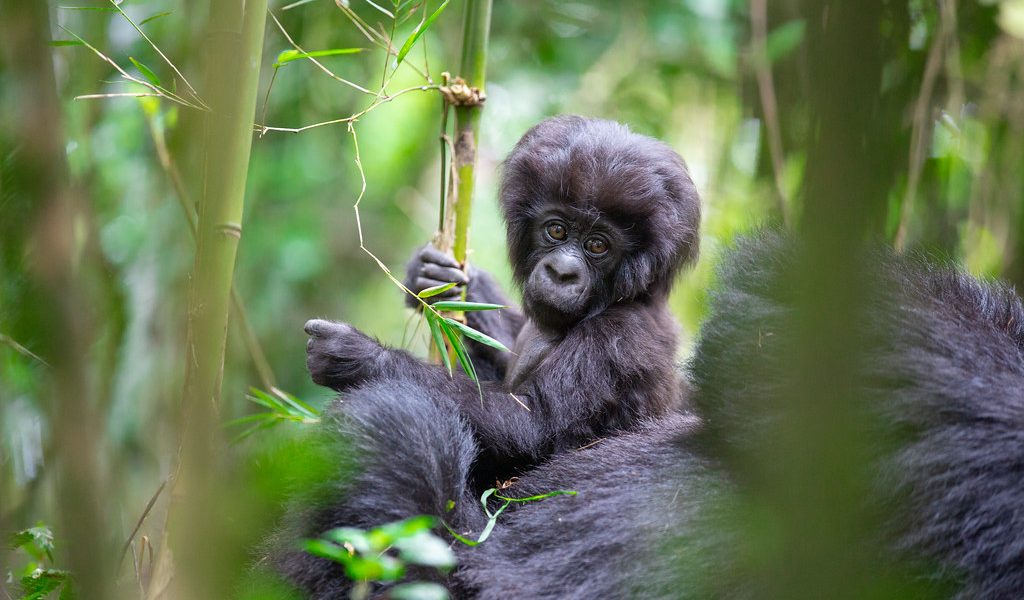
10 Days Rwanda Uganda Safari
A complete circuit through Volcanoes, Bwindi, Queen Elizabeth and Kibale for gorillas, chimps and classic wildlife
12 Days Uganda Leisure Holidays
An unhurried two-week journey through Murchison Falls, Kibale, Queen Elizabeth, Bwindi and Lake Mburo
14 Days Uganda Northern Circuit
Explore Kidepo Valley, Murchison Falls and Sipi Falls on this off-the-beaten-path northern adventure
15 Days Uganda Safari
Uganda’s full highlight reel across two relaxed weeks of gorillas, chimps, wildlife and scenic countryside