
10 Days Rwenzori Hiking, Mgahinga Golden Monkeys and Lake Mburo Savannah: GreenSpot Tree-Planting Safari from Entebbe to Entebbe
Overview
This 10-day Uganda safari combines guided hiking in the Rwenzori Mountains, golden monkey tracking in Mgahinga Gorilla National Park, savannah wildlife viewing in Lake Mburo National Park and community-based tree-planting activities. Starting and ending in Entebbe, the journey explores three different landscapes, from the dramatic mountain scenery of western Uganda to the volcanic forests of the Virunga region and the open grasslands of Lake Mburo. The safari begins with a road journey from Entebbe to the Rwenzori region, where you will explore the foothills and mountain landscapes through guided hiking experiences. The Rwenzori Mountains are known for their spectacular scenery, forest vegetation, rivers, waterfalls and high-altitude environments. The hiking programme offers an opportunity to appreciate the mountain ecosystem while learning about its importance to local communities and conservation.
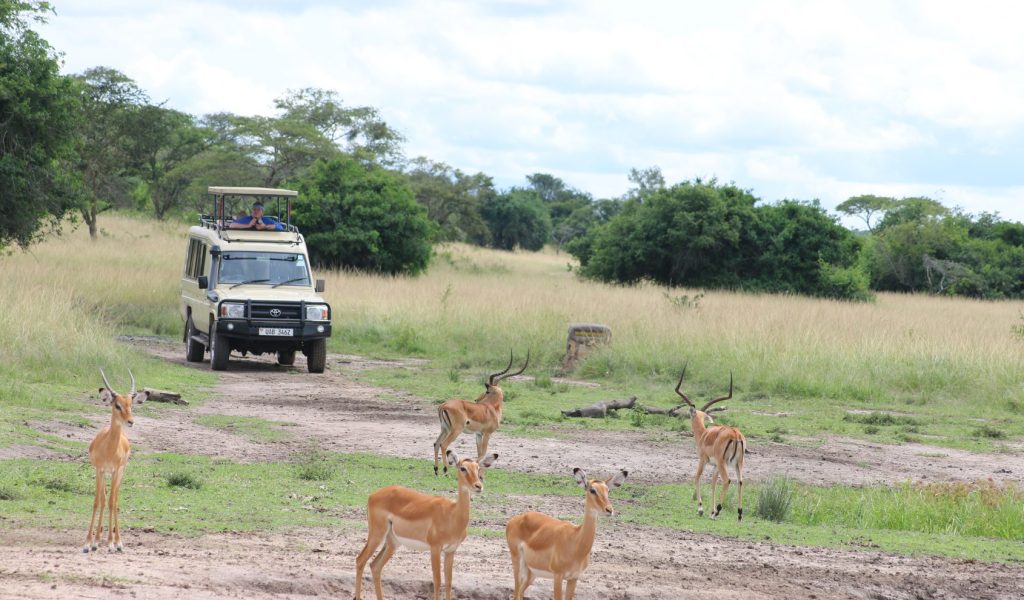
From the Rwenzori region, the journey continues to Kisoro and Mgahinga Gorilla National Park. Here, you will participate in golden monkey tracking, exploring the bamboo forests of the Virunga Mountains in search of these lively and endangered primates. You will also have opportunities to enjoy the scenery around Kisoro, with views of volcanic mountains and traditional highland communities. The final wildlife destination is Lake Mburo National Park, a beautiful savannah and wetland ecosystem known for zebras, impalas, buffaloes, giraffes, elands, hippos and numerous bird species. Guided game drives and nature activities provide opportunities to explore the park’s different habitats.
The GreenSpot tree-planting programme introduces five selected tree species associated with Uganda’s forests, farms and community landscapes. These include Milicia excelsa, Markhamia lutea, Albizia coriaria, Ficus natalensis and Podocarpus latifolius. Planting activities will be organised at suitable community, farm or restoration sites, with attention to local ecological conditions and long-term seedling care. This Compact programme includes nine nights of accommodation. It combines several destinations and requires some long road transfers, particularly between the Rwenzori region, Kisoro and Lake Mburo. The hiking programme described here focuses on guided mountain and foothill experiences rather than a full multi-day summit expedition.
Safari Highlights
- Guided hiking in the Rwenzori Mountains.
- Exploring the mountain forests, valleys and scenic foothills of western Uganda.
- Exploring the bamboo forests of the Virunga volcanic region.
- Scenic views of the Virunga volcanoes around Kisoro.
- GreenSpot tree planting and community conservation activities.
- Wildlife viewing opportunities for zebras, giraffes, buffaloes, impalas and elands.
- Exploring Uganda's mountain, volcanic forest and savannah landscapes.
Tree species featured in the planting programme
Milicia excelsa – Iroko
Main uses: Milicia excelsa is an indigenous African hardwood tree valued for its durable timber. It is used for furniture, flooring, doors, construction and other long-lasting wood products. Its broad canopy also provides shade and contributes to the habitat of birds and other wildlife.
Why plant it? Iroko is an important indigenous tree with considerable economic and ecological value. Demand for its timber has placed pressure on natural populations in some areas. Planting it in suitable community forestry and agroforestry systems can support future timber supplies, maintain indigenous tree diversity and reduce pressure on naturally occurring trees.
Planted at: Suitable community woodlots, farms, agroforestry sites and restoration areas in appropriate parts of western and central Uganda, subject to local ecological suitability.
Markhamia lutea – Nile tulip tree
Main uses: Markhamia lutea is an indigenous East African tree recognised for its attractive yellow flowers. It is commonly valued for shade, ornamental planting, timber and its contribution to community landscapes. Its flowers attract pollinating insects, making it useful for supporting local biodiversity.
Why plant it? The Nile tulip tree is a valuable species for farms, schools and community compounds. Its flowering provides resources for pollinators, while its canopy offers shade and improves the appearance of public spaces. Planting it can also help maintain indigenous tree populations in agricultural landscapes.
Planted at: Suitable farms, school compounds, community centres, homesteads and approved restoration sites around the Rwenzori region, Kisoro and Lake Mburo communities.
Albizia coriaria – Mugavu
Main uses: Albizia coriaria is an indigenous Ugandan tree valued for shade, timber, fuelwood and traditional uses. Its foliage contributes organic matter to the soil, and its canopy provides habitat for birds and insects. It is also useful in suitable agroforestry systems.
Why plant it? Mugavu can support productive community landscapes by providing shade and contributing to soil improvement. Its presence helps maintain indigenous tree diversity and offers practical benefits to farmers. Planting it in appropriate locations can strengthen the relationship between tree conservation and sustainable land use.
Planted at: Suitable farms, community woodlots, school compounds, homesteads and restoration areas around western Uganda.
Ficus natalensis – Natal fig
Main uses: Ficus natalensis is an indigenous fig tree that produces fruit eaten by birds and other wildlife. It provides shade and shelter and has cultural importance in Uganda, where its bark has traditionally been used to make bark cloth.
Why plant it? Natal fig contributes to biodiversity by providing food and habitat for wildlife. Its cultural significance also makes it valuable for educational and community planting projects. Planting it in suitable landscapes can support wildlife conservation while maintaining an important indigenous tree species.
Planted at: Suitable farms, community landscapes, school grounds, cultural sites and restoration areas in appropriate Ugandan environments.
Podocarpus latifolius – Real yellowwood
Main uses: Podocarpus latifolius is an indigenous evergreen forest tree associated with montane and highland forest environments. It is valued for its timber and its contribution to forest structure. Its fruits provide food for birds and other wildlife, while mature trees help maintain the character of natural mountain forests.
Why plant it? Real yellowwood is valuable for restoring suitable highland forest habitats and maintaining indigenous forest diversity. Planting it in appropriate locations can contribute to long-term forest recovery, improve habitat quality and support wildlife that depends on montane forest ecosystems.
Planted at: Suitable highland restoration sites and community forestry areas around the Rwenzori Mountains and other appropriate montane environments. It should be matched to the correct altitude, rainfall and soil conditions.
Detailed Itinerary
Day 1: Arrival in Entebbe, Uganda
Arrive at Entebbe International Airport, where your safari representative will welcome you and transfer you to your hotel. After check-in, take time to relax following your journey.
Depending on your arrival time, you may enjoy a short visit around Entebbe town or explore the nearby lakeshore. Your guide will introduce the safari programme and explain the upcoming journey to the Rwenzori Mountains, Mgahinga Gorilla National Park and Lake Mburo.
You will also receive information about the GreenSpot tree-planting programme, including the five selected tree species and the importance of matching each species to suitable planting environments.
Accommodation: Hotel in Entebbe.
Meals: Dinner, depending on arrival time and booking arrangement.
Day 2: Entebbe to the Rwenzori Mountains
After breakfast, depart Entebbe and travel west towards the Rwenzori region. The journey passes through central and western Uganda, with views of rural communities, agricultural landscapes, trading centres and the countryside.
Enjoy lunch along the way before continuing towards the Rwenzori Mountains. As you approach the region, the landscape becomes increasingly mountainous, with views of green hills and the dramatic mountain range.
Arrive at your lodge in the afternoon or evening. After check-in, relax and enjoy the mountain surroundings.
Your guide will brief you about the following day’s hiking activity, including the expected terrain, walking time, clothing and equipment. The programme will be adjusted to the selected trail and weather conditions.
Accommodation: Lodge in the Rwenzori region.
Meals: Breakfast, lunch and dinner.
Day 3: Guided hiking in the Rwenzori Mountains
After an early breakfast, prepare for a guided hiking experience in the Rwenzori Mountains. Meet your local hiking guide and begin exploring the mountain environment.
The hike will take you through selected trails around the lower mountain slopes, where you can appreciate the forest vegetation, mountain streams, changing landscapes and natural scenery. Your guide will explain the different vegetation zones and the importance of the Rwenzori ecosystem.
Depending on the chosen route and conditions, you may encounter forest sections, open mountain scenery and beautiful viewpoints overlooking the surrounding landscape.
The Rwenzori Mountains are important for their water catchments, biodiversity and unique vegetation. The forests and mountain slopes support different plant and animal species while providing water resources to surrounding communities.
Enjoy a packed lunch or a suitable meal break during the activity. After completing the hike, return to your lodge and spend the remainder of the day relaxing.
Accommodation: Lodge in the Rwenzori region.
Meals: Breakfast, lunch and dinner.
Day 4: Rwenzori community experience and transfer to Kisoro
After breakfast, enjoy a morning community or nature experience around the Rwenzori region. Depending on the local arrangements, this may include a guided walk, a visit to a community project or an introduction to local farming and conservation activities.
The GreenSpot tree-planting activity can be organised at an approved community or restoration site. You will learn about the five selected tree species and their potential benefits for local farms, communities and suitable forest environments.
Participate in planting selected seedlings under local guidance. Milicia excelsa and Albizia coriaria may be suitable for appropriate community forestry or agroforestry locations, while Podocarpus latifolius requires suitable montane forest conditions. Markhamia lutea and Ficus natalensis can be considered for appropriate farms and community landscapes.
After the activity, have lunch and begin the long journey towards Kisoro in southwestern Uganda. The drive passes through scenic countryside and highland landscapes. Arrive in Kisoro later in the day, check in at your lodge and relax.
Accommodation: Lodge in Kisoro.
Meals: Breakfast, lunch and dinner.
Day 5: Explore Kisoro and prepare for golden monkey tracking
After breakfast, enjoy a relaxed day around Kisoro and the surrounding highland communities. The region is known for its volcanic scenery, fertile agricultural land and proximity to Mgahinga Gorilla National Park.
Depending on the arrangements, you may visit a local community project, explore the countryside or enjoy scenic views of the Virunga volcanoes.
You will also have time to learn about the conservation importance of Mgahinga Gorilla National Park. The park protects montane forests and bamboo habitats that support golden monkeys, mountain gorillas and other wildlife.
The afternoon is reserved for rest and preparation for the following day’s golden monkey tracking experience. Your guide will explain the park registration procedure, trekking conditions and appropriate clothing.
Accommodation: Lodge in Kisoro.
Meals: Breakfast, lunch and dinner.
Day 6: Golden monkey tracking in Mgahinga Gorilla National Park
After an early breakfast, transfer to Mgahinga Gorilla National Park for registration and the ranger briefing. Meet the park guides, who will explain the tracking procedures and introduce you to the golden monkeys and their habitat.
Enter the bamboo forest with your ranger guides and begin searching for a habituated golden monkey group. The monkeys are active and often move quickly through the vegetation, making the experience exciting and different from other primate encounters.
During the tracking experience, observe their movements, feeding behaviour and interactions within the group. Your guide will explain the ecological importance of the bamboo forest and the conservation efforts that protect the golden monkeys.
The surrounding landscape provides beautiful views of the Virunga volcanic region, making the experience rewarding for nature lovers and photographers.
After the tracking activity, return to the park headquarters and transfer back to your lodge. Spend the afternoon relaxing or enjoying the surrounding scenery.
Accommodation: Lodge in Kisoro.
Meals: Breakfast, lunch and dinner.
Day 7: Kisoro to Lake Mburo National Park
After breakfast, depart Kisoro and travel towards Lake Mburo National Park. This is a substantial road transfer, taking you through southwestern Uganda’s highland landscapes, rural communities and agricultural areas.
Enjoy views of rolling hills, cultivated fields and changing vegetation as you travel towards the Ankole region. Stop for lunch and refreshments along the way.
Arrive near Lake Mburo National Park in the afternoon or evening. Check in at your lodge and relax after the journey.
Lake Mburo is known for its mixture of savannah grassland, woodland, wetlands and lakeshore habitats. Your guide will introduce the wildlife viewing opportunities available in the park and discuss the following day’s activities.
Accommodation: Lodge in or near Lake Mburo National Park.
Meals: Breakfast, lunch and dinner.
Day 8: Game drive and wildlife viewing in Lake Mburo National Park
After an early breakfast, enter Lake Mburo National Park for a guided game drive. Explore the park’s savannah plains, woodland areas and open grasslands in search of wildlife.
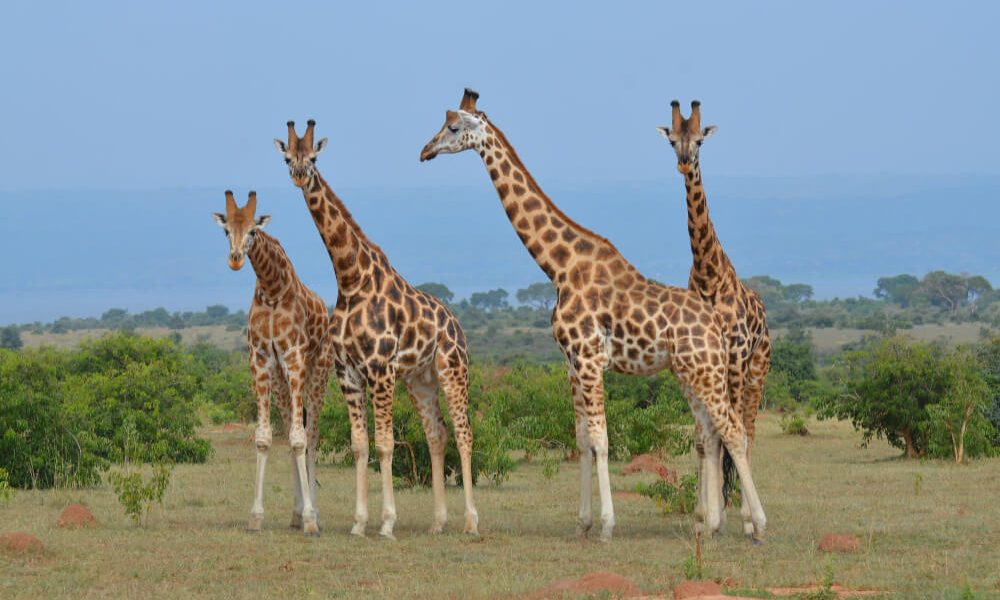
Lake Mburo is well known for its zebra population and is one of the best places in Uganda to observe impalas. Other animals that may be encountered include buffaloes, giraffes, elands, topis, warthogs and various antelope species.
Your guide will select suitable routes according to wildlife movements, road conditions and the time available. Enjoy opportunities to photograph animals in their natural habitats while learning about the park’s ecology.
Depending on the day’s arrangements, you may also enjoy a guided nature walk or a visit to suitable lakeshore areas. A boat excursion can provide opportunities to observe hippos, crocodiles and waterbirds.
Return to your lodge after the activities and enjoy the remainder of the day at leisure.
Accommodation: Lodge in or near Lake Mburo National Park.
Meals: Breakfast, lunch and dinner.
Day 9: Lake Mburo to Entebbe
After breakfast, leave Lake Mburo National Park and begin the journey back towards Entebbe.
Depending on the schedule, you may enjoy a final short wildlife activity or scenic stop before departing the park. Continue through the countryside, passing farms, trading centres and rural communities.
Stop for lunch along the way before continuing towards Entebbe. Arrive in the afternoon or evening and transfer to your hotel.
Your guide will review the safari experiences and the GreenSpot conservation activities undertaken during the journey. Spend the evening relaxing before your departure the following day.
Accommodation: Hotel in Entebbe.
Meals: Breakfast, lunch and dinner.
Day 10: Departure from Entebbe
After breakfast, check out of your hotel and transfer to Entebbe International Airport for your departure flight.
Your driver-guide will arrange the airport transfer according to your flight schedule. Depending on your departure time, there may be an opportunity for a short visit around Entebbe before heading to the airport.
This brings your 10-day Rwenzori hiking, Mgahinga golden monkey and Lake Mburo safari to an end.
Accommodation: None.
Meals: Breakfast.
Optional activities
The following experiences can be added where time, weather conditions and availability allow:
A longer guided hiking programme in the Rwenzori Mountains.
A multi-day Rwenzori trekking expedition with a separately planned route and accommodation.
Additional guided nature walks around the Rwenzori foothills.
A visit to local cultural and community projects in the Rwenzori region.
Additional GreenSpot tree-planting activities with local schools or farming communities.
A Batwa cultural experience around Mgahinga, arranged respectfully with a recognised community organisation.
Additional birdwatching around Mgahinga and the Virunga region.
A boat excursion on Lake Mburo.
A guided walking safari in Lake Mburo National Park, subject to park arrangements.
A cycling safari in Lake Mburo, where available.
A visit to local farms and community projects around the Lake Mburo region.
Frequently asked questions
How difficult is hiking in the Rwenzori Mountains?
The difficulty depends on the selected trail, elevation, weather and length of the hike. Shorter foothill walks are generally more manageable, while higher-altitude and multi-day treks require greater fitness, preparation and specialised equipment. The hiking route should be selected according to your experience and physical ability.
Does this itinerary include climbing to the Rwenzori summits?
No. The 10-day programme focuses on guided hiking around the lower mountain slopes and suitable mountain trails. Reaching the higher peaks requires a separate multi-day trekking programme, additional days, specialised guides and suitable equipment.
Where does Rwenzori hiking take place?
The hiking activities take place in the Rwenzori region of western Uganda. The exact trail and starting point depend on the selected route, local guide arrangements and current mountain conditions.
What makes golden monkey tracking special?
Golden monkey tracking offers an opportunity to observe an active and distinctive primate species in the bamboo forests of the Virunga volcanic region. The monkeys move quickly through the vegetation, feeding and interacting in groups. The experience is different from mountain gorilla trekking and provides another perspective on Uganda’s primate diversity.
Is golden monkey tracking physically demanding?
The activity involves walking through forest terrain that may be uneven, steep or muddy. The duration depends on the location of the golden monkey group. A reasonable level of fitness, comfortable hiking shoes and appropriate clothing are recommended.
What wildlife can we see in Lake Mburo National Park?
Lake Mburo supports zebras, impalas, giraffes, buffaloes, elands, topis, warthogs, hippos and many bird species. Wildlife sightings depend on animal movements, weather and the areas visited during game drives.
Can we see lions in Lake Mburo?
Lions are not the main wildlife attraction of Lake Mburo, and sightings should not be guaranteed. The park is particularly known for zebras, impalas, giraffes, elands and its diverse wetland and savannah habitats.
Is tree planting part of the safari?
Yes. The GreenSpot programme includes community-based tree-planting activities using selected species. The planting locations and species will depend on local soil, rainfall, altitude, nursery availability and ecological suitability.
Can all five tree species be planted in one location?
Not necessarily. Each species has different environmental requirements. Podocarpus latifolius is suited to appropriate highland and montane forest environments, while other species may be better suited to farms, community woodlots or lower-altitude landscapes. The planting programme should match each species to the correct site.
Is this itinerary suitable for families?
It can be suitable for families with children who are comfortable with road travel and outdoor activities. However, hiking difficulty and golden monkey tracking requirements should be considered when planning for younger travellers. Age restrictions and park activity rules should be confirmed before booking.
What should I pack for this safari?
Bring comfortable hiking boots, lightweight clothing, long trousers, a waterproof jacket, a hat, sunscreen, insect repellent, binoculars and a small daypack. For Rwenzori hiking, additional warm clothing may be necessary because mountain temperatures can change quickly.
When should I book golden monkey permits?
Golden monkey tracking should be arranged in advance, particularly during busy travel periods. Confirm the activity and permit availability before finalising accommodation and transport arrangements.
Wildlife and conservation experiences
This itinerary explores three important ecological environments in Uganda: mountain landscapes, volcanic forests and savannah ecosystems.
The Rwenzori Mountains are important for their highland forests, water catchments and unique vegetation. The mountain environment supports different plant communities across changing elevations. Its rivers and streams contribute to water resources used by surrounding communities and ecosystems.
Mgahinga Gorilla National Park protects part of the Virunga volcanic landscape. Its bamboo forests and montane vegetation provide important habitat for golden monkeys and other wildlife. Responsible tracking activities help support conservation through tourism while providing opportunities for visitors to understand the importance of protecting mountain habitats.
Lake Mburo National Park offers a contrasting environment of savannah grasslands, woodland, wetlands and lakes. These habitats support a variety of mammals and birds. The park is particularly important for its populations of zebras, impalas and other antelopes.
Together, these destinations provide a varied wildlife experience, combining mountain hiking, primate observation and savannah game viewing.
GreenSpot tree planting and forest restoration
The GreenSpot programme connects the safari with practical tree conservation and community participation. The five selected species represent indigenous trees with different ecological and community benefits.
Milicia excelsa and Albizia coriaria can contribute to suitable community forestry and agroforestry projects. Markhamia lutea provides shade and flowering resources for pollinators, while Ficus natalensis supports wildlife and has cultural importance in Uganda. Podocarpus latifolius is particularly relevant to suitable highland forest restoration.
Community planting activities may include school greening, farm planting, nursery visits, seedling distribution and practical lessons on tree care. Participants can learn how to select suitable planting sites, prepare planting holes and protect young seedlings.
Planting should take place on approved community land, farms, school grounds or designated restoration areas. It should not be presented as planting inside national parks or protected forests unless the relevant authority has specifically approved the activity.
The programme should also include seedling monitoring and aftercare. Watering, mulching, protection from grazing animals and replacement of failed seedlings are important parts of successful community planting.
The selected species should be matched to local altitude, rainfall, soil and land use. In particular, Podocarpus latifolius should be reserved for appropriate highland environments rather than planted indiscriminately across lower-altitude sites.
Birdwatching opportunities
The safari offers birdwatching opportunities across the Rwenzori Mountains, Mgahinga and Lake Mburo.
The Rwenzori region supports forest and mountain bird species associated with highland vegetation. Guided walks can provide opportunities to observe birds around forest edges, mountain streams and surrounding community landscapes.
Mgahinga’s bamboo forests and montane habitats support forest birds, including species associated with the Albertine Rift. The park’s volcanic scenery and changing vegetation make it an interesting destination for birdwatchers.
Lake Mburo provides a different birding experience through its wetlands, open grasslands, woodland and lakeshore habitats. Waterbirds can be observed around suitable wetland areas, while grassland and woodland species occur across the park.
Bring binoculars and a field guide if birdwatching is an important part of your trip. A specialist birding guide can be arranged where available.
Community and cultural experiences
The journey passes through communities with different traditions, farming systems and relationships with their surrounding landscapes.
Around the Rwenzori region, community experiences can introduce visitors to local livelihoods, mountain agriculture and the importance of protecting natural water resources. Visitors may learn about farming practices and the role of indigenous trees in supporting productive landscapes.
Around Kisoro, the communities live close to the Virunga volcanic mountains and depend on the surrounding highland environment for agriculture and other livelihoods. Locally organised cultural experiences can provide insight into traditional farming, community conservation and daily life.
The Lake Mburo region offers opportunities to learn about the Ankole landscape and its cattle-keeping traditions. Community visits may include local farms, craft activities and conservation projects.
These experiences should be organised through responsible local operators and community organisations, with respect for local customs, consent and cultural practices.
Practical notes
Permits: Golden monkey tracking requires advance arrangements and confirmation of availability. Confirm all park activities before finalising the safari.
Rwenzori hiking: The itinerary focuses on guided lower-slope and foothill hiking. A full multi-day mountain expedition requires additional days, a separate trekking plan and appropriate equipment.
Hiking preparation: Wear sturdy hiking boots and comfortable clothing. Carry drinking water, rain protection and a small daypack. Mountain weather can change quickly.
Golden monkey tracking: Forest trails may be muddy and uneven. Follow ranger instructions and maintain the required distance from wildlife.
Accommodation: The final lodge locations around the Rwenzori region, Kisoro and Lake Mburo should match the confirmed activity locations and transfer schedule.
Road transfers: The journeys from Entebbe to the Rwenzori region, Rwenzori to Kisoro and Kisoro to Lake Mburo involve substantial driving. Early departures and flexible arrival times are important.
Tree planting: Planting dates and locations depend on seasonal conditions, nursery stock and community site preparation. Confirm the selected species and planting locations before travel.
Wildlife viewing: Animal sightings are not guaranteed. Wildlife movements, weather and seasonal conditions influence game-drive experiences.
Health: Consult a qualified travel health professional about recommended vaccinations, malaria prevention and other travel health requirements before departure.
Travel documents: Carry valid identification and any documents required for park activities and accommodation arrangements.
Travel pace: This is a Compact itinerary. Travellers who prefer longer hiking experiences or shorter driving days should consider adding extra nights.
Best time to visit
The safari can operate throughout the year, but the drier periods are generally more convenient for road transfers, mountain hiking, golden monkey tracking and game drives.
In Uganda, the main drier periods are generally June to September and December to February. These months often provide favourable conditions for exploring the Rwenzori region, Mgahinga Gorilla National Park and Lake Mburo National Park.
The Rwenzori Mountains are a rainforest environment, so rainfall can occur throughout the year. Trails may become slippery during wetter periods, and mountain weather can change rapidly. Travellers planning longer hikes should allow flexibility for weather conditions.
Mgahinga’s bamboo forests can be explored throughout the year, although wet conditions may make some trails more challenging. Booking golden monkey tracking in advance is recommended regardless of the season.
Lake Mburo is rewarding throughout the year. The drier months can make wildlife viewing easier in some areas, while wetter months bring greener scenery and good birdwatching opportunities.
For this itinerary, choose travel dates that allow enough time for the Rwenzori hiking experience, golden monkey tracking and Lake Mburo wildlife activities. The final programme should be adjusted according to weather conditions, confirmed park activities and accommodation availability.
Tour Includes
- Travel in a 4×4 car
- Professional guide
- Park fees
- Accommodation
- Meals
- All Activities In Itinerary
Tour Excludes
- Alcoholic drinks
- Laundry
- Tips
- Shopping
- Insurance
- Anything not included per itinerary
Get Your Tailored 5 Days Rwanda Gorilla Trekking Hagenia abyssinica Tree-Planting Safari from Kigali to Musanze
Uganda Safari Photos
Our Green Spot Campaign
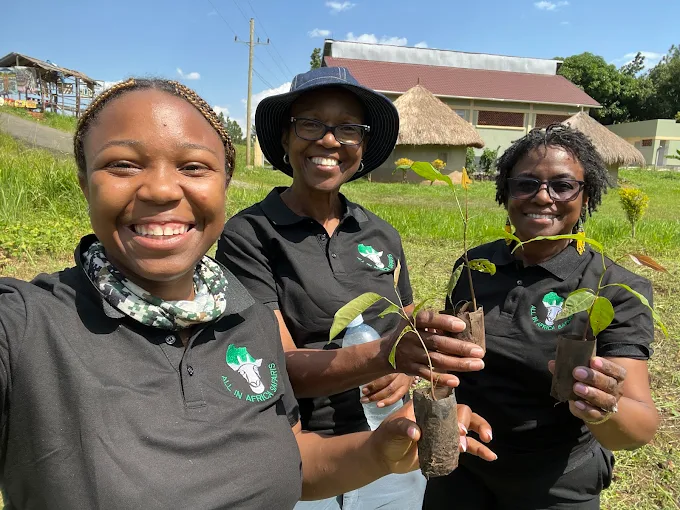
Every safari with us supports our Green Spot Campaign — planting trees across Uganda’s communities. Learn more & get involved →
All in Africa Safaris arranges tours to Uganda, Rwanda, Kenya and Tanzania
3 Days Murchison Falls Safari
Discover the Wildlife in the Murchison Falls National Park with engagement with a boat cruise and game drives which lead to a nature walk on top of the falls
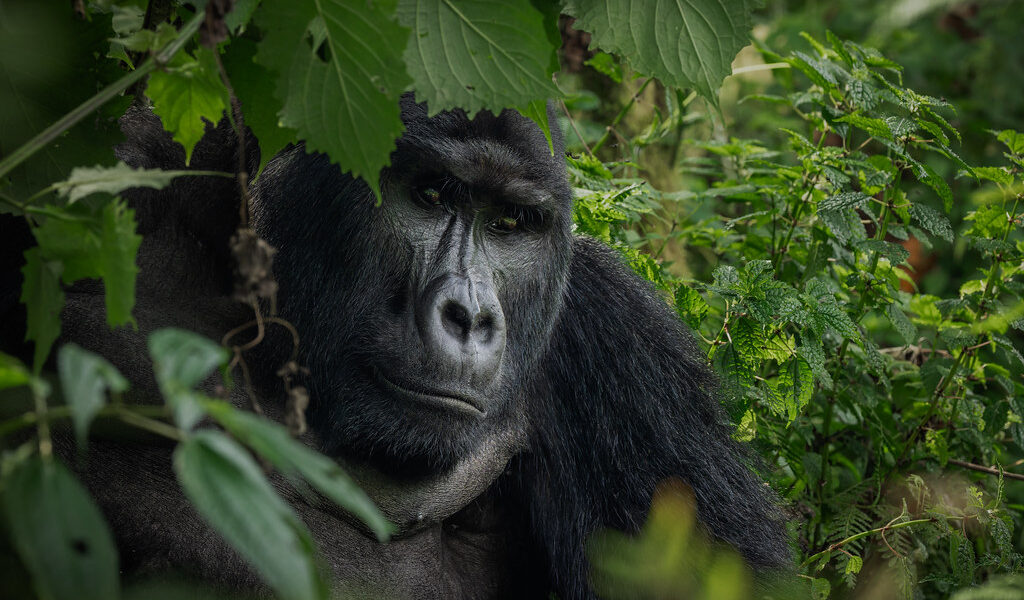
4 Days Gorillas & Queen Wildlife
Visit the magical national parks of Uganda known as Bwindi Forest and Queen Elizabeth National Park including gorilla trekking and wildlife views for travelers
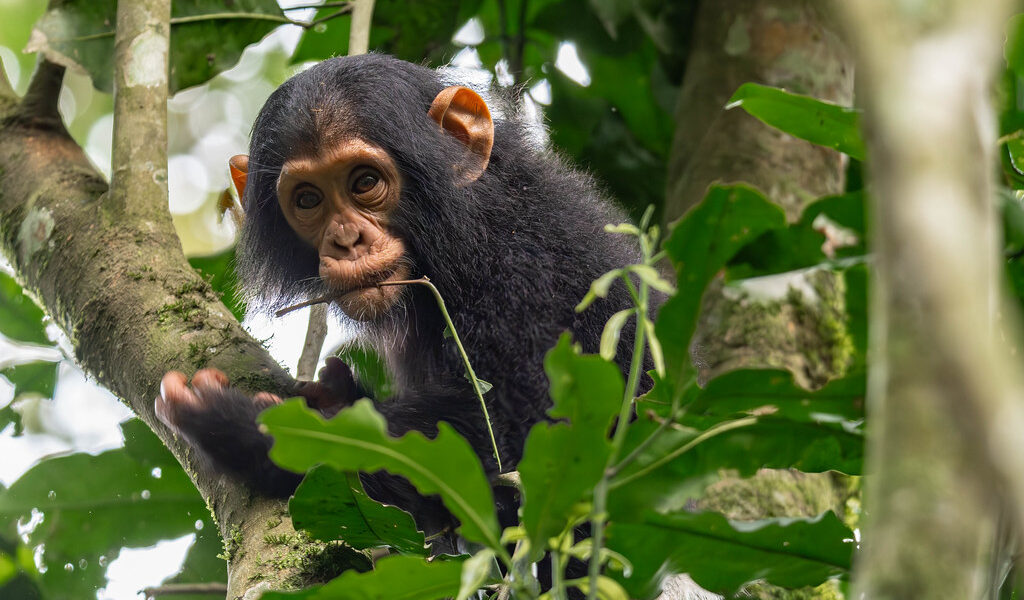
5 Days Gorillas & Chimps Track
Explore the great Mgahinga National Park conserving and protecting the endangered Mountain gorillas & chimpanzees in the pearl of Africa
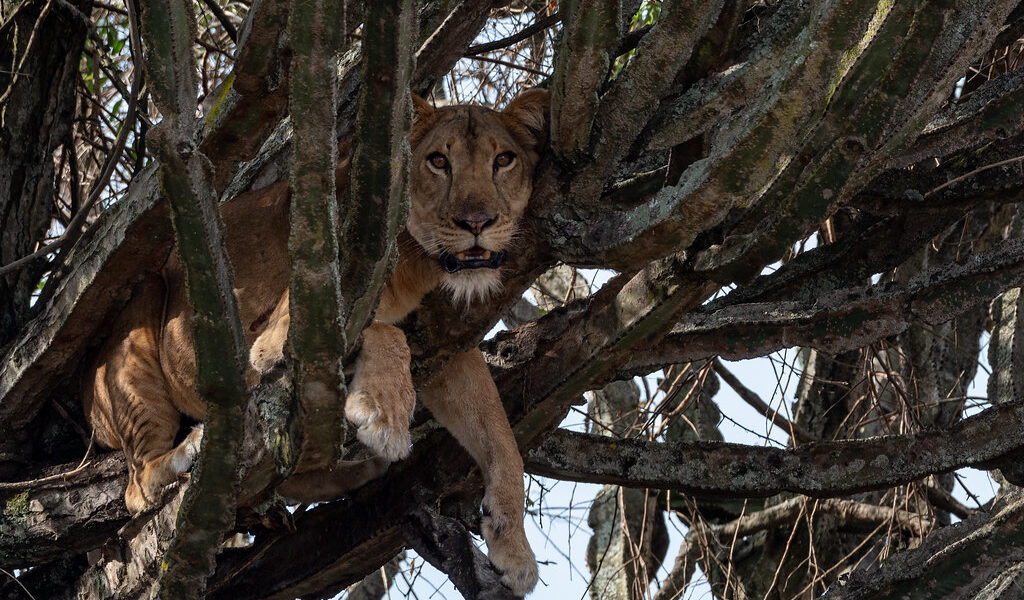
6 Days Uganda Safari
Visit the magical national parks of Uganda known as Bwindi Forest and Queen Elizabeth National Park which include the gorilla trekking and wildlife views
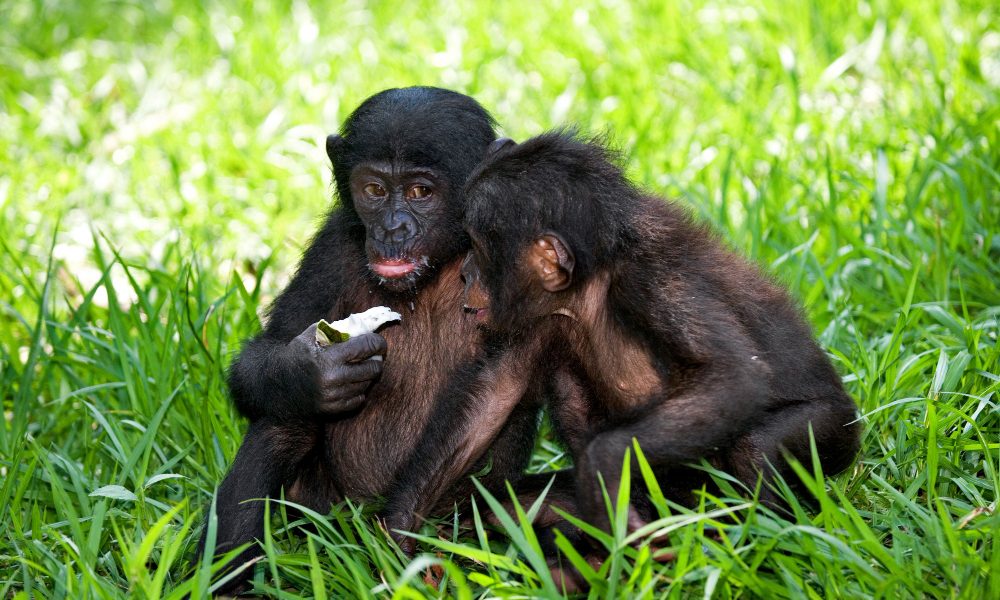
1 Day Bwindi Gorilla Tour from Kigali
A fast-paced day trip from Kigali into Bwindi Impenetrable Forest for a single unforgettable hour with a mountain gorilla family
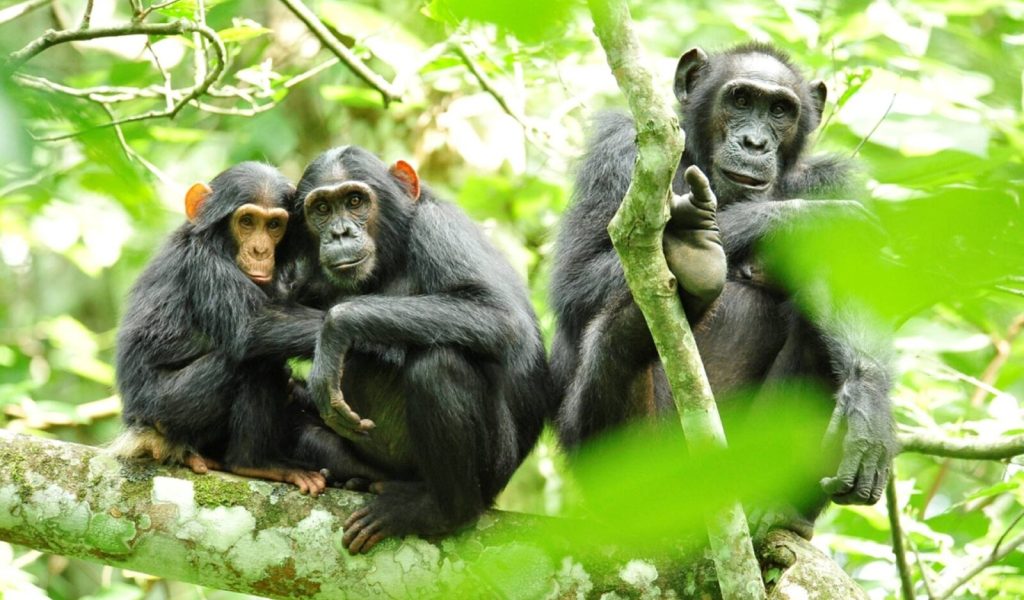
3 Days Chimpanzee Tracking in Kibale
Track chimpanzees through Africa’s primate capital, Kibale Forest, alongside a community walk through Bigodi Wetland Sanctuary
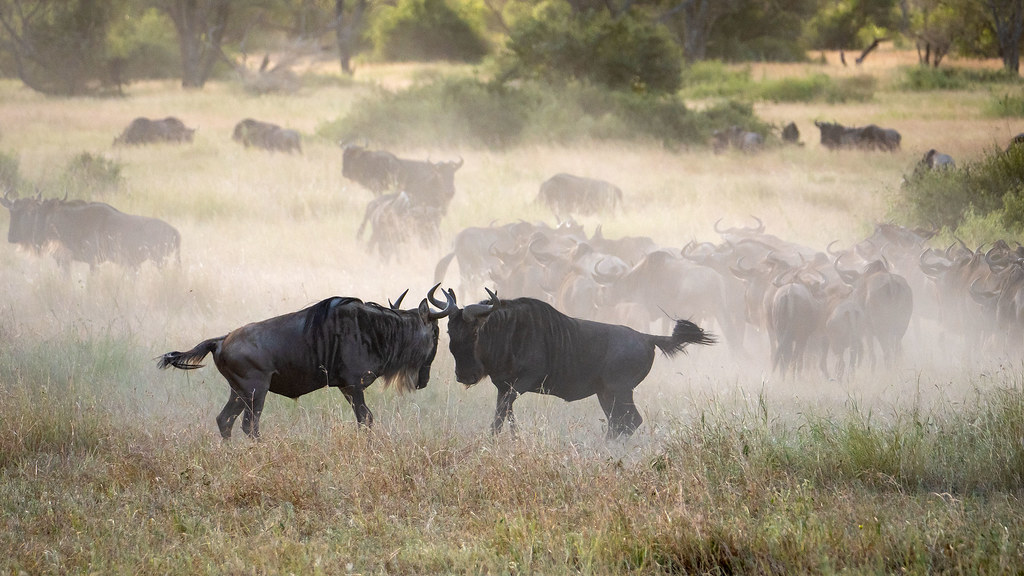
4 Days Kidepo Valley Wildlife Safari
Venture into Uganda’s most remote wilderness for cheetahs, ostriches and dramatic mountain scenery few visitors ever see
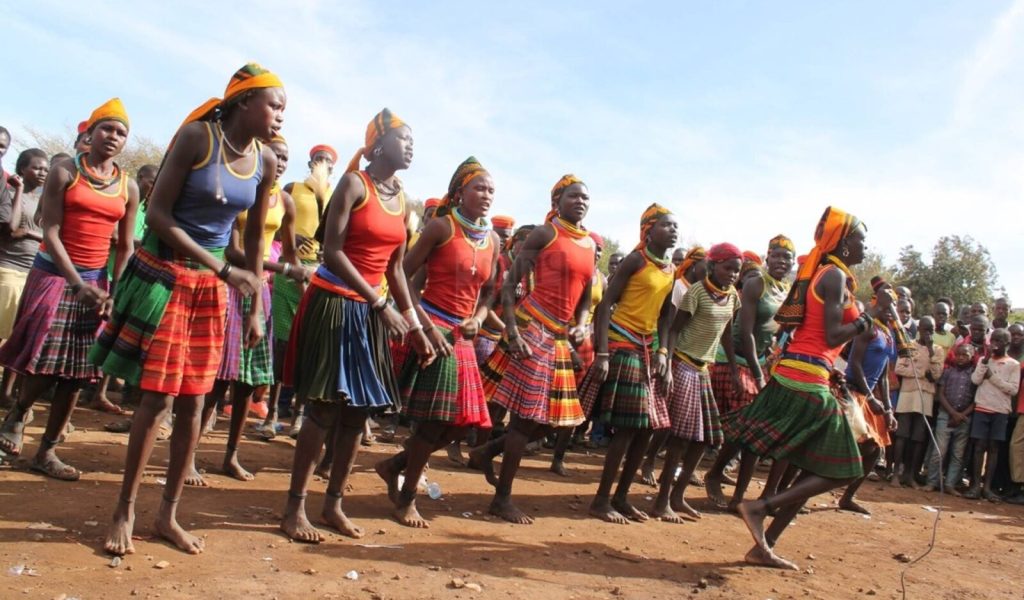
7 Day Kidepo and Sipi Safari
Combine Kidepo Valley’s wild plains with waterfall hikes and coffee tours in the Sipi Falls region
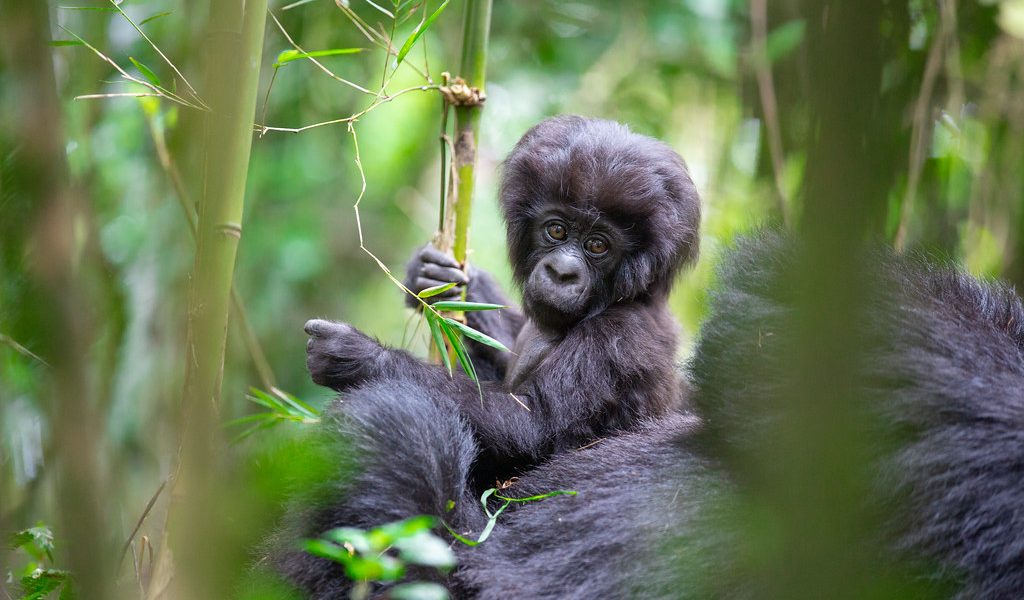
10 Days Rwanda Uganda Safari
A complete circuit through Volcanoes, Bwindi, Queen Elizabeth and Kibale for gorillas, chimps and classic wildlife
12 Days Uganda Leisure Holidays
An unhurried two-week journey through Murchison Falls, Kibale, Queen Elizabeth, Bwindi and Lake Mburo
14 Days Uganda Northern Circuit
Explore Kidepo Valley, Murchison Falls and Sipi Falls on this off-the-beaten-path northern adventure
15 Days Uganda Safari
Uganda’s full highlight reel across two relaxed weeks of gorillas, chimps, wildlife and scenic countryside