
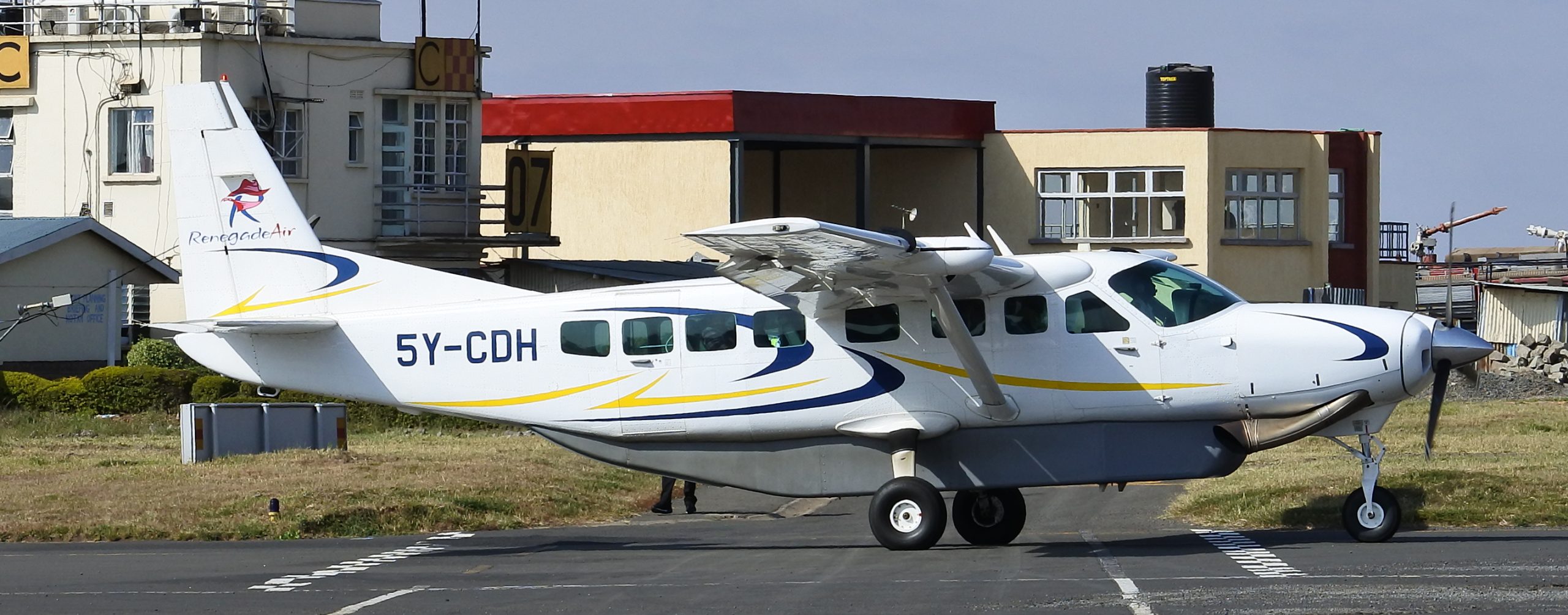
Understanding Bush Plane Flights in East Africa
Bush plane flights are an important part of safari travel in East Africa. They connect major cities and international airports with remote national parks, wildlife reserves, private lodges and small airstrips that would otherwise require several hours of driving. In Uganda, Kenya, Tanzania and Rwanda, these flights allow travellers to reach safari destinations more quickly and spend more time enjoying wildlife and landscapes.
Unlike large commercial aircraft, bush planes are usually smaller aircraft designed to operate from relatively short runways. Depending on the route and operator, passengers may travel in small single-engine or twin-engine aircraft. Some flights use established regional airports, while others land on airstrips located close to national parks, conservancies and safari camps.
Travelling in a small aircraft can be an exciting experience, particularly when the flight passes over forests, lakes, mountains, savannahs and winding rivers. However, bush flights have different operating conditions from international airline services. Aircraft capacity is limited, weather can affect departure times, and the condition of a remote airstrip may influence whether a flight can operate safely.
Understanding these differences helps travellers prepare properly and make informed decisions when booking a safari. Bush flying is a normal part of tourism in many African destinations, but passengers should still pay attention to operator standards, luggage restrictions, safety instructions and weather-related changes.
How Bush Planes Differ From Commercial Aircraft
The main difference between bush planes and commercial airliners is the type of operation they perform. Large passenger aircraft generally use major airports with long paved runways, extensive ground facilities and established air traffic services. Bush planes often operate on shorter routes between smaller airports and remote airstrips.
Many safari aircraft carry fewer than twenty passengers, although the exact capacity depends on the aircraft model and configuration. The smaller cabin creates a more personal travel experience, but it also means that weight and space restrictions are more important.
Aircraft used for safari transfers may have limited luggage compartments and specific loading requirements. Operators must consider the combined weight of passengers, luggage, fuel and other equipment before departure. For this reason, travellers may be asked to provide their approximate body weight when making a reservation.
The boarding process can also differ from a commercial airline experience. Some remote airstrips have basic facilities, and passengers may board directly from the apron rather than passing through a large terminal. Staff may provide safety instructions beside the aircraft before departure.
These differences do not automatically make bush planes unsafe. Aviation safety depends on the aircraft’s condition, the operator’s procedures, the pilot’s training, the weather and the suitability of the route and landing facilities. Travellers should assess the professionalism of the operation rather than judging safety only by the aircraft’s size.
Choosing a Reputable Bush Flight Operator
Selecting a reliable operator is one of the most important decisions when arranging safari flights. A professional company should be authorised to conduct the relevant commercial air services and operate under the applicable aviation regulations.
Before paying for a flight, travellers can ask which airline or aviation company will operate the service. This is particularly useful when an international safari agent sells a package that includes domestic flights. The agent arranging the trip may not be the company operating the aircraft, so passengers should know who is responsible for the actual flight.
Travellers should look for clear booking terms, identifiable company information and written confirmation of the scheduled route. The operator or booking agent should explain the luggage allowance, check-in arrangements, passenger weight requirements and procedures for delays or cancellations.
It is also reasonable to ask whether the operator holds the required commercial operating approvals from the relevant civil aviation authority. In Uganda, aviation oversight is handled by the Uganda Civil Aviation Authority. Kenya and Tanzania have their own civil aviation authorities, while Rwanda regulates aviation through its national aviation framework.
A professional operator should be able to explain its operating procedures and answer reasonable safety questions without making unrealistic promises. No airline can guarantee that every flight will depart on time or operate in all weather conditions. A company that treats safety-related delays as a normal part of aviation is generally demonstrating a more responsible approach than one that promises to fly regardless of conditions.
Online reviews may help travellers understand customer service, communication and baggage handling, but reviews alone cannot verify an operator’s safety record. For greater confidence, passengers should prioritise proper authorisation, clear operating arrangements and credible information about the company providing the flight.
Aircraft Maintenance and Pilot Qualifications
Aircraft maintenance is central to safe bush flying. Small aircraft operate in varied conditions, and flights to remote destinations may involve frequent take-offs and landings. Operators must follow approved maintenance schedules, inspection requirements and procedures for identifying and correcting technical problems.
Travellers do not normally need to inspect an aircraft themselves before boarding. Instead, they should book with an authorised operator that has appropriate maintenance arrangements and follows the requirements of its aviation regulator.
Pilots also need the qualifications and experience required for the aircraft and operation. Flying into a remote airstrip can require particular skills because of runway length, terrain, wind conditions and the limited facilities available at some destinations. Pilots must assess whether conditions are suitable for landing and whether the aircraft can depart safely with its planned load.
A safari flight may be delayed or cancelled if a technical issue requires additional checks. Although such a disruption can affect an itinerary, postponing a flight to resolve a maintenance concern is preferable to continuing when the aircraft is not considered fit for service.
Passengers should not assume that a flight is unsafe simply because a pilot conducts checks before departure or because the crew takes time to assess conditions. These procedures are part of responsible aviation operations.
Understanding Weather Conditions Before Flying
Weather is one of the most important factors affecting bush flights in East Africa. Rain, thunderstorms, low cloud, poor visibility and strong winds can affect take-off, the route and landing conditions. The impact varies according to the aircraft, the terrain, the airstrip and the type of operation.
East Africa’s climate differs between destinations. Some safari areas experience pronounced wet and dry seasons, while mountainous regions can have changing weather within short distances. A morning that begins with clear skies at a major airport may not offer the same conditions at a remote airstrip several hundred kilometres away.
Heavy rain can affect unpaved runways by making surfaces wet, soft or difficult to use. Water accumulation, reduced visibility and changing wind conditions may also influence the pilot’s decision. In some circumstances, the aircraft may need to wait for conditions to improve, use an alternative airstrip or return to its departure airport.
Travellers should understand that weather delays are not necessarily signs of poor planning. Pilots and operators must consider conditions along the entire route, not only at the departure airport. A flight may be ready to leave but still need to wait because the destination is unsuitable for a safe landing.
When planning a safari, avoid scheduling essential international connections too close to a bush flight. If a domestic flight is delayed by weather, a passenger with a generous connection may still reach the international airport comfortably. Someone with only a short transfer window could miss a long-haul departure.
For important international flights, spending a night near the departure airport is often a sensible precaution. This is particularly useful when the safari ends in a remote park and the final domestic flight depends on weather and airstrip conditions.
What Travellers Should Know About Remote Airstrips
Remote airstrips are an essential part of safari aviation. They allow aircraft to serve national parks, wildlife conservancies and lodges located far from major airports. Some have paved runways and passenger facilities, while others have unpaved surfaces and only basic infrastructure.
The conditions at an airstrip can vary by season and location. Operators must consider runway length, surface condition, surrounding terrain, wind, visibility and the aircraft’s performance requirements. A landing strip suitable for one aircraft under particular conditions may not be suitable for another.
Wildlife and livestock can also be present near some rural airstrips. Airport or airstrip staff may need to check the runway before an aircraft arrives or departs. These procedures help reduce hazards and keep the landing area clear.
Passengers should follow instructions when approaching or leaving an aircraft. Never walk towards a runway independently, cross an active movement area without permission or approach a propeller while it is moving. Even when the aircraft appears stationary, the crew should indicate when it is safe to board or disembark.
At small airstrips, travellers may need to wait outdoors or use a basic shelter. Wearing comfortable clothing and carrying essential personal items in an accessible bag can make the experience easier. However, passengers should not enter restricted areas or move around the airstrip without guidance from staff.
Why Passenger Weight Information Matters
Passengers may be surprised when a bush flight operator asks for their weight during the booking process. This is a normal operational requirement for many small aircraft services.
Aircraft have maximum permitted weights and limits on how that weight can be distributed. The pilot and ground crew need accurate passenger and baggage information to plan the load and maintain the aircraft’s centre of gravity within approved limits.
Weight calculations can be especially important on short-runway operations, where aircraft performance depends on factors such as temperature, altitude, wind and runway conditions. The amount of fuel carried may also influence the permitted passenger and baggage load.
Travellers should provide accurate information when requested. Guessing or deliberately understating weight can create problems during flight preparation and may require the operator to rearrange seating, reduce baggage or make other changes before departure.
Some operators weigh passengers and luggage at the airstrip. Others collect the information during booking and confirm it at check-in. Procedures vary by aircraft and company, so passengers should follow the specific instructions provided by their operator.
A flight may occasionally require a passenger or a piece of luggage to travel on a later service if the aircraft cannot safely carry the planned load. Although this can be inconvenient, loading decisions must follow the aircraft’s approved limits rather than individual passengers’ preferences.
Bush Plane Baggage Restrictions
Baggage restrictions are among the most important practical details to confirm before a safari flight. Small aircraft have less storage space than large commercial planes, and their luggage compartments may not accommodate standard hard-shell suitcases.
Many safari operators require soft-sided bags because they can fit more easily into limited storage spaces. However, the permitted bag type and dimensions depend on the aircraft and operator. Some companies may allow certain small rigid bags, so travellers should confirm the rules before purchasing luggage specifically for the trip.
Weight allowances also vary. Some safari flights advertise a total allowance of approximately 15 kilograms per passenger, sometimes including hand luggage, but this is not a universal rule. Other services may have different limits depending on the aircraft, route and booking conditions.
Travellers should confirm whether the allowance includes cameras, laptop bags, handbags and other items carried into the cabin. They should also ask about excess baggage charges, additional luggage arrangements and whether separate cargo services are available.
For a multi-country safari, luggage planning becomes especially important. A traveller might move from an international airline to a domestic bush flight, then continue by road to another lodge. Each part of the journey may have different baggage requirements.
The simplest approach is to pack according to the strictest confirmed allowance for the flights included in the itinerary. Heavy toiletries, unnecessary shoes, large suitcases and duplicate clothing can often be removed without affecting comfort.
Keep essential medication, travel documents and valuables accessible, subject to the operator’s cabin baggage rules. Do not assume that a small aircraft will have enough space for every personal item simply because the bag fits within a commercial airline’s hand luggage dimensions.
What to Expect During Boarding and Take-Off
The boarding procedure for a bush plane is usually straightforward, but passengers should pay close attention to the crew’s instructions. Depending on the airstrip, staff may direct passengers from a waiting area to the aircraft once the pilot confirms that boarding can begin.
Wait until the crew gives permission before approaching the aircraft. Stay clear of propellers and other moving equipment, and never attempt to open a door or load baggage unless instructed to do so.
Before departure, the pilot or crew may provide a safety briefing covering seat belts, emergency exits, cabin procedures and other aircraft-specific information. Listen carefully even if you have flown on small aircraft before. Different aircraft types can have different cabin layouts and safety equipment.
Secure your seat belt as instructed and keep it fastened whenever required. Store bags in the approved location so they cannot obstruct an exit, interfere with controls or become loose during turbulence. Do not place items in areas designated for emergency equipment.
Take-off may feel different from that of a large commercial aircraft. The cabin is smaller, engine noise may be more noticeable, and passengers can sometimes feel changes in acceleration and airflow more clearly. These sensations are not automatically signs of a problem.
If you are unfamiliar with small aircraft, tell the operator or crew before the flight if you have concerns. They may explain what to expect and advise you on appropriate seating arrangements where available.
Turbulence and In-Flight Comfort
Turbulence is a common feature of flying and can occur on both large and small aircraft. It results from changes in airflow and can vary according to terrain, weather and atmospheric conditions.
In East Africa, flights may cross mountainous areas, highlands, large lakes and open savannahs. These environments can produce changing airflow, although the actual conditions depend on the route and time of day. Passengers may feel light bumps or more noticeable movement during a flight.
When turbulence occurs, remain seated and follow the crew’s instructions. Keep your seat belt fastened, secure loose objects and avoid moving around the cabin unless the crew says it is safe. Even moderate turbulence can cause injury if a passenger stands unexpectedly.
Some travellers experience motion sickness in small aircraft. If you are prone to nausea, consider eating lightly before departure, drinking water and carrying an appropriate motion-sickness remedy if it is suitable for you. Consult a healthcare professional if you are uncertain about medication, especially if you have an existing medical condition or take other medicines.
Seating options may be limited on small planes. If you have a strong preference regarding the window or aisle, ask the operator in advance, but understand that the final seating arrangement may depend on aircraft balance and loading requirements.
Passengers should also prepare for engine noise. Hearing protection can be useful if permitted and appropriate, but it must not prevent you from hearing safety instructions from the crew.
Can Bush Plane Flights Be Cancelled?
Yes. Bush flights can be delayed, diverted or cancelled for several reasons, including weather, technical checks, airstrip conditions, air traffic restrictions and operational limitations.
A cancellation may affect the rest of a safari, especially when a flight connects remote destinations with scheduled international services. Travellers should therefore understand the operator’s disruption policy before confirming their booking.
Ask what happens if the flight cannot operate on the scheduled day. Depending on the circumstances, the operator may arrange another departure, use an alternative route, offer road transfers where practical or apply the relevant refund and rebooking terms. The available options depend on the company, the cause of disruption and the conditions of the booking.
A road transfer may take several hours and might not be possible in every situation. Remote locations can have limited transport options, and poor weather may also affect road conditions. Travellers should not assume that an alternative transfer will always be available immediately.
When booking a package through a safari company, clarify who is responsible for communicating flight changes and coordinating replacement arrangements. Written terms are particularly important when flights, accommodation, park activities and international tickets are purchased separately.
Travel insurance may provide protection for certain unexpected travel disruptions, but coverage depends on the policy wording, exclusions and circumstances. Review the policy carefully rather than assuming that every weather delay, missed connection or cancellation will be reimbursed.
Planning Your Safari Around Bush Flights
A well-planned safari itinerary allows enough time for domestic flights, road transfers and scheduled activities. Bush planes can save significant travel time, but their schedules may be affected by multiple stops, passenger loading, weather and the operating requirements of remote airstrips.
Some flights serve several destinations on the same route. An aircraft may collect passengers from one airstrip before continuing to another, so the advertised departure time may not mean the aircraft will travel directly to your destination. Ask the operator whether the service is direct or includes intermediate stops.
Travellers should also check whether the flight schedule is confirmed or subject to operational changes. Certain safari routes operate seasonally or have limited departures each day. If a flight is cancelled or delayed, the next available service may not depart until the following day.
Avoid planning a demanding activity immediately after a flight that has a limited operating window. For example, scheduling a tightly timed guided experience shortly after arrival at a remote airstrip may leave little room for delays. Build some flexibility into the itinerary, particularly when travelling during periods of changeable weather.
For international departures, allow a substantial buffer between the scheduled bush flight and the long-haul flight. Where the connection is important or difficult to replace, an overnight stay near the international airport can reduce the risk of missing the departure.
Families, older travellers and people with mobility requirements should explain their needs when booking. Small aircraft may have narrow entrances, limited cabin space and different boarding arrangements from commercial airlines. Advance communication allows the operator to assess whether it can accommodate the passenger safely and what assistance may be required.
Health, Comfort and Personal Preparation
Most travellers can prepare for a bush flight using the same basic principles that apply to other air travel. Carry your identification and travel documents, follow the operator’s check-in instructions and arrive at the designated departure point on time.
If you take prescription medication, keep it accessible in accordance with cabin baggage rules. Travellers who require medication at specific times should consider possible delays when packing and planning their journey.
People with medical conditions that may affect their ability to fly should seek advice from a qualified healthcare professional and inform the operator when appropriate. This is particularly important when the flight involves remote destinations where access to medical facilities may be limited.
Dress comfortably and consider the temperature at both ends of the route. A flight may depart from a cool highland area and arrive in a warmer savannah region, or the reverse. Lightweight layers can help you adapt without carrying unnecessary baggage.
Sun protection is useful when waiting at exposed airstrips. Depending on the location, travellers may also benefit from a hat, drinking water and insect repellent. Follow staff instructions about where to wait and when to board rather than moving around in search of shade or facilities.
If you feel unwell before departure, tell the crew or operator rather than concealing symptoms that could affect your ability to travel safely. They can explain the available options and whether further assessment is necessary.
Photography and Electronic Equipment on Bush Planes
Bush flights often provide excellent opportunities to view East Africa’s landscapes from above. Passengers may see lakes, rivers, forests, mountains, farmland and wildlife habitats during the journey. However, the ability to take photographs depends on the aircraft, seating arrangement, window condition and operator’s rules.
Keep cameras and phones secure during boarding, take-off and landing. Loose equipment can become a hazard if it falls or obstructs movement inside the cabin. Use straps or secure storage where appropriate, and follow any instructions about electronic devices.
Do not assume that every aircraft permits passengers to use cameras throughout the flight. The pilot or crew may restrict certain activities during particular phases of operation. Always follow their directions.
Large camera bags can also count towards the baggage allowance. Travellers carrying professional photography equipment should discuss the total weight and dimensions with the operator before departure. Heavy equipment may need to be packed differently or transported separately if the aircraft’s limits require it.
Questions to Ask Before Booking a Bush Flight
Before confirming a flight, travellers should establish which company will operate it, whether the service is authorised, what baggage allowance applies and whether passenger weights must be provided in advance. These details help prevent avoidable problems on the day of travel.
It is also useful to ask about departure and arrival locations, check-in times, intermediate stops and the arrangements for weather-related delays. If the flight forms part of a safari package, confirm whether the quoted price includes airport transfers, airstrip transfers, taxes and other applicable charges.
Passengers travelling with children should ask about age-related requirements, seating arrangements and any special procedures. Those with mobility needs should explain the assistance required before booking, since the facilities at remote airstrips may be limited.
Travellers should also understand the cancellation policy and how changes are communicated. Ensure the operator or booking agent has reliable contact details and knows how to reach you during the safari.
Clear answers to these questions make the journey easier to manage. They also help travellers distinguish between normal operational limitations and a booking arrangement that has not been adequately explained.
Bush Plane Safety in Uganda, Kenya, Tanzania and Rwanda
Bush flights are widely used to reach safari destinations across East Africa, but operating conditions differ from one country and route to another.
In Uganda, domestic flights can connect Entebbe and other departure points with destinations serving national parks such as Murchison Falls, Queen Elizabeth and Bwindi’s surrounding region. The precise airport or airstrip used depends on the operator and itinerary. Some destinations require a road transfer after landing.
In Kenya, small aircraft frequently connect Nairobi with wildlife conservancies and safari areas in the Maasai Mara and other regions. Some flights use established airstrips within or near conservancies, allowing travellers to reduce long road journeys. Runway conditions, weather and baggage limits still need to be considered for each route.
In Tanzania, bush flights serve destinations across the northern safari circuit, the Serengeti and more remote parks. The number of stops, route structure and aircraft type can vary according to the service booked. Travellers should confirm whether the flight is direct and whether seasonal operating conditions affect the schedule.
In Rwanda, domestic air travel options and the arrangements for reaching individual destinations differ from those in countries with larger networks of safari airstrips. Visitors planning gorilla trekking in Volcanoes National Park should confirm the actual transport arrangements in their itinerary rather than assuming that a bush flight will take them directly to the park.
Across all four countries, the same principles apply: use an appropriately authorised operator, provide accurate passenger information, follow baggage rules, listen to the crew and allow flexibility in the itinerary. Travellers should also verify current flight arrangements with the company responsible for the service, since routes and schedules can change.
Making Bush Plane Travel Part of a Safe Safari Experience
A bush plane flight can be one of the most memorable parts of an East African safari. It reduces travel time between destinations, provides views of landscapes that are difficult to appreciate from the road and makes remote lodges more accessible.
The best preparation begins before departure. Choose a reputable operator, understand the aircraft’s baggage and weight restrictions, provide accurate booking information and ask how the company manages delays or cancellations. On the day of travel, arrive on time, follow boarding instructions and remain attentive to the crew throughout the journey.
Flexibility is equally important. Weather, airstrip conditions and technical checks can affect even well-organised flights. Allowing sufficient time between connections and avoiding an overly tight itinerary can prevent a small disruption from affecting the entire holiday.
Bush plane safety is not determined by aircraft size alone. It depends on responsible operations, appropriate maintenance, qualified pilots, sound weather decisions and passengers who follow the established procedures. With realistic expectations and proper preparation, travellers can include small aircraft transfers in their safari plans with greater confidence.






No comment