
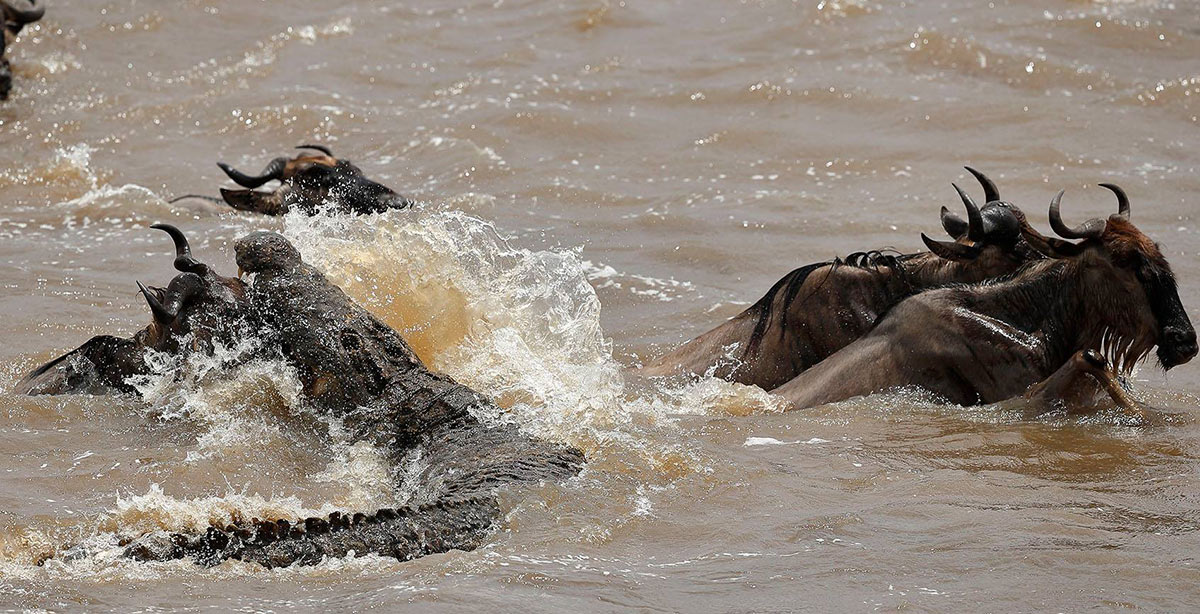
Grumeti River Crossings in the Western Corridor
Grumeti River Crossings in the Western Corridor: Timing and Viewing
The Grumeti River crossings in the Western Corridor are among the most exciting wildlife events of Tanzania’s Great Wildebeest Migration. Every year, enormous herds of wildebeest and zebras move across the Serengeti ecosystem in search of fresh grazing and reliable water. As the animals travel westwards and northwards, some encounter the Grumeti River, where deep pools, muddy banks and Nile crocodiles create challenging conditions for crossing.
Located in western Serengeti National Park, the Grumeti River is famous for its large crocodiles and seasonal wildebeest movements. Unlike the Mara River crossings, which attract thousands of safari visitors to northern Serengeti and Kenya’s Maasai Mara, the Grumeti crossings generally take place earlier in the migration season and often attract fewer vehicles.
For travellers planning a Tanzania safari, understanding when the herds reach the Western Corridor, where to stay and how to approach wildlife viewing can improve the chances of witnessing this remarkable event. However, Grumeti River crossings remain unpredictable, and even a well-planned safari cannot guarantee that wildebeest will enter the water during a particular game drive.
Where Is the Grumeti River in the Serengeti?
The Grumeti River flows through the Western Corridor of Serengeti National Park in northern Tanzania.
The Western Corridor extends westwards from the central Serengeti towards Lake Victoria. Its landscape contains open grasslands, acacia woodland, riverine forests and seasonal waterways.
The Grumeti and Mbalageti rivers are important geographical features of this region. Their surrounding vegetation provides habitats for wildebeest, zebras, buffaloes, elephants, crocodiles and numerous bird species.
The area around Kirawira is particularly well known for wildlife viewing during the migration season.
Quick Facts About the Grumeti River Crossings
| Feature | Description |
|---|---|
| Country | Tanzania |
| National park | Serengeti National Park |
| Region | Western Corridor |
| Main river | Grumeti River |
| Main crossing period | Late May to early July |
| Particularly favourable month | June |
| Main migrating animals | Wildebeest and plains zebras |
| Major aquatic predator | Nile crocodile |
| Important viewing area | Kirawira and suitable Grumeti River sections |
| Recommended stay | 3–4 nights |
| Main attraction | Seasonal migration and river crossings |
The Western Corridor also provides excellent resident wildlife viewing outside the migration season, making it a worthwhile destination even when the main herds are elsewhere.
Why Do Wildebeest Cross the Grumeti River?
The Great Migration is driven primarily by seasonal changes in rainfall, grass growth and grazing quality.
During the early months of the year, large wildebeest herds gather around the southern Serengeti and Ndutu plains, where many females give birth.
As rainfall patterns change and grazing conditions become less favourable in the south, the herds begin moving towards central and western Serengeti.
Some animals travel through the Western Corridor, encountering the Grumeti River along their route.
Crossing the river allows them to reach grazing areas on the opposite side and continue their seasonal movements.
However, not every wildebeest follows exactly the same route. The migration consists of numerous herds that may spread across different areas.
Some animals cross the Grumeti, while others use alternative routes through the ecosystem.
When Do Grumeti River Crossings Take Place?
The best-known Grumeti crossing period generally falls between late May and early July.
June is usually the most favourable month for visitors specifically interested in the Western Corridor migration.
However, the timing depends on rainfall and herd movements.
If seasonal rains arrive earlier or later than expected, the migration may shift by several weeks.
May: Herds Approach the Western Corridor
During May, migrating wildebeest may begin moving westwards from central Serengeti towards the Grumeti region.
Large groups can gather across the grasslands, feeding and travelling through the corridor.
Some early crossings may occur towards the end of the month.
However, May can still experience rainfall, and wet conditions may affect access to certain safari tracks.
June: The Main Grumeti Crossing Period
June is generally the strongest planning month for Grumeti River crossings.
Large wildebeest herds may gather along the river, creating opportunities to observe grazing, social behaviour and attempts to cross.
Some groups enter the water quickly, while others remain near the banks before moving away.
The river’s deep pools and resident crocodiles make these encounters particularly interesting.
Although June offers favourable seasonal timing, sightings remain unpredictable.
July: Herds Continue Towards Northern Serengeti
By July, many migrating animals begin moving towards northern Serengeti.
Some herds may remain within the Western Corridor, particularly during the early part of the month.
However, the main migration activity increasingly shifts towards areas such as Lobo, Kogatende and the Mara River.
Travellers visiting late in July may find that the largest herds have already moved north.
Grumeti River Crossing Calendar
| Month | Typical migration activity | Viewing potential |
|---|---|---|
| April | Herds moving through central Serengeti | Limited crossing opportunities |
| May | Herds approaching the Western Corridor | Possible early crossings |
| June | Major herd concentrations and river activity | Usually the best planning month |
| July | Some crossings continue as herds move north | Variable |
| August | Many migrating herds are farther north | Mainly resident wildlife |
These are typical seasonal patterns, not fixed annual dates.
Why Grumeti River Crossings Are Different From Mara River Crossings
Many travellers associate the Great Migration with dramatic wildebeest crossings along the Mara River.
However, the Grumeti River offers a different wildlife experience.
The Mara River is famous for large crossings through powerful currents and steep riverbanks. Grumeti crossings can involve smaller groups moving through a mixture of river channels, pools and wooded sections.
The Grumeti River is often narrower than the Mara at well-known viewing locations, although its depth and flow vary considerably.
Large crocodiles still inhabit the river, creating genuine risks for migrating animals.
Another difference is visitor concentration.
The Western Corridor generally attracts fewer safari vehicles than the busiest Mara River crossing locations.
This can create a quieter viewing experience, particularly for travellers who prefer spending longer periods watching wildlife behaviour.
The Nile Crocodiles of the Grumeti River
The Grumeti River is famous for its large Nile crocodiles (Crocodylus niloticus).
These powerful reptiles inhabit permanent pools and suitable river sections throughout the year.
During the migration, wildebeest entering the water may provide additional hunting opportunities.
Crocodiles often remain almost completely submerged, with only their eyes and nostrils visible above the surface.
They rely on concealment, powerful jaws and sudden bursts of movement when attempting to capture prey.
Do Crocodiles Attack Every Crossing Herd?
No. Crocodile attacks are unpredictable, and many wildebeest complete their crossings without being attacked.
Some crocodiles may remain motionless while animals swim nearby.
Others may approach prey when favourable opportunities arise.
Crocodiles also feed on fish, birds and other animals throughout the year.
Visitors should therefore avoid assuming that every river crossing will include a crocodile attack.
Why Wildebeest Hesitate Before Crossing the Grumeti
Wildebeest do not always enter the Grumeti River immediately.
Some herds gather along the banks, move towards the water and then retreat.
This behaviour can continue for considerable periods.
Crossing conditions may influence hesitation. Deep channels, steep muddy banks and strong currents can create difficulties.
The movement of other herd members also plays a role.
When one or several animals enter the river, others may follow.
However, there is no fixed leader responsible for directing every crossing.
A large herd may eventually cross together, or it may move away without entering the water.
For safari visitors, this uncertainty makes patience essential.
Where to Watch Grumeti River Crossings
The Western Corridor contains several areas associated with seasonal migration activity.
Kirawira Area
Kirawira is one of the best-known safari areas in western Serengeti.
Its location near the Grumeti River provides access to grassland and riverine habitats where migrating wildebeest may gather.
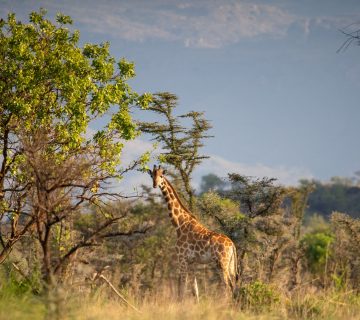
The area also supports resident wildlife, including giraffes, elephants, buffaloes and predators.
For travellers visiting during June, Kirawira is an important location to consider when choosing accommodation.
Grumeti River Viewing Areas
Suitable sections of the Grumeti River may provide opportunities to observe wildebeest approaching or entering the water.
However, river access depends on authorised safari tracks, seasonal conditions and protected-area regulations.
Not every stretch of the river is accessible to vehicles.
An experienced guide can identify appropriate viewing locations based on recent herd activity.
Western Corridor Grasslands
The surrounding grasslands are also important wildlife viewing areas.
Even when no crossing takes place, visitors may observe large groups of wildebeest moving across the plains.
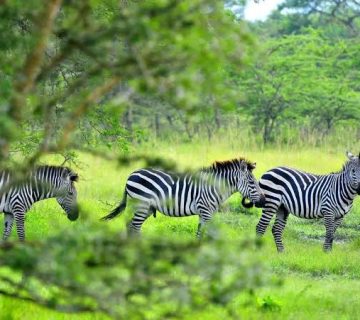
Zebras, topi, buffaloes and other herbivores can also be present.
Predators may follow or hunt within these seasonal concentrations.
How to Improve Your Chances of Seeing a Crossing
Witnessing a Grumeti River crossing requires good timing and flexibility.
Stay Near the Western Corridor
Accommodation close to the main viewing areas can reduce driving time between your camp and the river.
This provides more opportunities to search for active herds during morning and afternoon game drives.
Allow Several Days
A single afternoon near the Grumeti River may not be enough to witness a crossing.
Spending three or four nights in the region provides more opportunities to observe changing herd movements.
Travel With an Experienced Guide
A knowledgeable guide can interpret fresh tracks, recent sightings and herd behaviour.
Guides also understand which viewing locations are accessible and how to observe wildlife without causing disturbance.
Remain Patient
Large herds may gather near the river without crossing.
Rather than moving constantly between locations, spending time observing promising areas can be rewarding.
However, waiting should be balanced with current information about where the animals are moving.
Other Wildlife to See in the Western Corridor
The Western Corridor supports wildlife throughout the year.
Visitors may encounter elephants, giraffes, buffaloes, hippos, zebras and several antelope species.
Lions and spotted hyenas are among the predators associated with the region.
Leopards may also occur in suitable riverine and woodland habitats.
The river supports crocodiles and various waterbirds.
For birdwatchers, the Western Corridor provides opportunities to observe African Fish Eagles, kingfishers, herons, storks and other species.
This wildlife diversity makes the region attractive even when the migration is less concentrated.
Best Time of Day for Grumeti River Wildlife Viewing
Early morning and late afternoon generally provide favourable wildlife viewing conditions.
Temperatures are often more comfortable, and natural light can be particularly attractive for photography.
However, wildebeest crossings do not follow a predictable daily schedule.
A herd may cross during the morning, afternoon or another period when conditions and animal movements align.
Visitors should therefore plan flexible game drives rather than expecting crossings at a particular hour.
Photography Tips for Grumeti River Crossings
The Western Corridor offers excellent opportunities for photographing migrating wildebeest and the surrounding landscapes.
A telephoto zoom lens of approximately 100–400 mm provides flexibility for capturing individual animals and larger groups.
For running or swimming wildebeest, use a shutter speed around 1/1000–1/2000 second when lighting conditions permit.
A wider lens can capture the scale of a herd approaching the river.
Early morning and late afternoon often provide softer light, while midday may create stronger shadows.
Recommended Photography Subjects
Wildebeest gathering near the riverbank.
Zebras moving alongside migrating herds.
Nile crocodiles resting near deep pools.
Wildebeest swimming through the river.
Predators observing migrating animals.
Large herds crossing open Western Corridor grasslands.
Photographers should avoid requesting that guides approach wildlife too closely or block natural movement routes.
Choosing Accommodation for a Grumeti Migration Safari
Accommodation location is particularly important during the crossing season.
The Western Corridor contains safari lodges, tented camps and private concession properties.
Some camps operate seasonally, while others remain open throughout the year.
Travellers should consider the distance between their accommodation and likely wildlife viewing areas.
A camp located far from the Grumeti River may require lengthy daily transfers.
Private concessions may offer different activities and operating rules from Serengeti National Park, so it is important to confirm where game drives will take place.
Accommodation should be selected according to your travel dates, budget and primary wildlife interests.
Suggested Four-Day Grumeti River Safari
A four-day itinerary provides a practical introduction to the Western Corridor.
Day 1: Arrive in Western Serengeti
Travel from central Serengeti or arrive through a suitable regional airstrip.
Enjoy an afternoon game drive while searching for wildebeest herds, zebras and resident wildlife.
Spend the night at a camp or lodge in the Western Corridor.
Day 2: Explore Grumeti River Habitats
Begin with an early morning game drive.
Search suitable river sections for crocodiles, hippos and migrating wildebeest.
Spend time observing herd movements where safe and permitted.
Continue wildlife viewing during the afternoon.
Day 3: Migration-Focused Game Drives
Use recent sightings to guide the day’s activities.
Explore suitable river approaches, woodland habitats and open grasslands.
Allow time for patient observation near areas where wildebeest are gathering.
Day 4: Morning Safari and Departure
Enjoy a final morning game drive before continuing towards another Serengeti destination.
Depending on the wider itinerary, travellers may proceed towards northern Serengeti or return to central areas.
Combining Grumeti With the Mara River Migration
Travellers interested in understanding the wider Great Migration may consider visiting different Serengeti regions.
The Grumeti River is associated mainly with late May, June and early July.
The Mara River crossing season generally becomes more important from July through October.
These periods overlap slightly, but the main activity often occurs weeks apart.
A short safari cannot reliably guarantee major crossings at both rivers.
Travellers hoping to see both should consider their dates carefully and remain realistic about seasonal movements.
Responsible Wildlife Viewing in the Western Corridor
The Great Migration attracts visitors because of the extraordinary behaviour of wildebeest and other animals.
However, safari vehicles must avoid interfering with natural movements.
Drivers should remain on authorised tracks and follow national park regulations.
Visitors should never encourage a guide to chase migrating herds or block animals approaching the river.
Avoid excessive noise around crossing locations.
Crocodiles and other predators should also be observed from a safe distance.
Responsible safari practices protect wildlife and allow visitors to experience natural behaviour without unnecessary disturbance.
Why the Grumeti River Crossings Are Worth Seeing
The Grumeti River crossings offer a remarkable opportunity to witness an important stage of the Great Wildebeest Migration.
Although they generally involve fewer spectators and sometimes smaller crossing groups than the Mara River, they provide fascinating wildlife viewing experiences.
The Western Corridor combines migrating wildebeest, large crocodiles, riverine forests and open savannah landscapes.
Its relatively quiet atmosphere can be attractive to photographers and travellers who prefer less crowded wildlife encounters.
For the best chance of observing migration activity, June is generally the strongest month to plan a visit. However, rainfall and grazing conditions determine where the herds actually move.
Spending several days in a suitably located camp, travelling with an experienced guide and maintaining realistic expectations can make a Grumeti River safari rewarding.
Even when the wildebeest do not cross during your visit, the Western Corridor remains an impressive destination for observing Tanzania’s wildlife.


No comment