
Kapchorwa Travel Guide: Runners, Coffee and Cliff-Edge Views
Most travellers who pass through Kapchorwa are on their way somewhere else, typically Sipi Falls, just a short drive further up the slopes of Mount Elgon. That’s understandable given the falls’ fame, but it skips over a town with a genuinely remarkable story of its own: Kapchorwa has produced some of the greatest distance runners the world has ever seen, grows coffee prized enough to carry its own export brand, and sits perched on cliff-edge views over the eastern Ugandan plains that rival anything further along the Sipi road.
Key Highlights
- District headquarters town in the Sebei sub-region, on the slopes of Mount Elgon at roughly 1,800 metres above sea level
- Known internationally as Uganda’s “Land of Champions” — home town or training base for Olympic and world-record distance runners
- A significant Arabica coffee-growing region, alongside wheat, maize, Irish potatoes and cabbage, thanks to rich volcanic soil
- The gateway town for Sipi Falls, a short drive further up the mountain
- Home to the Sebei people, whose cultural traditions include long-standing circumcision ceremonies marking the transition to adulthood
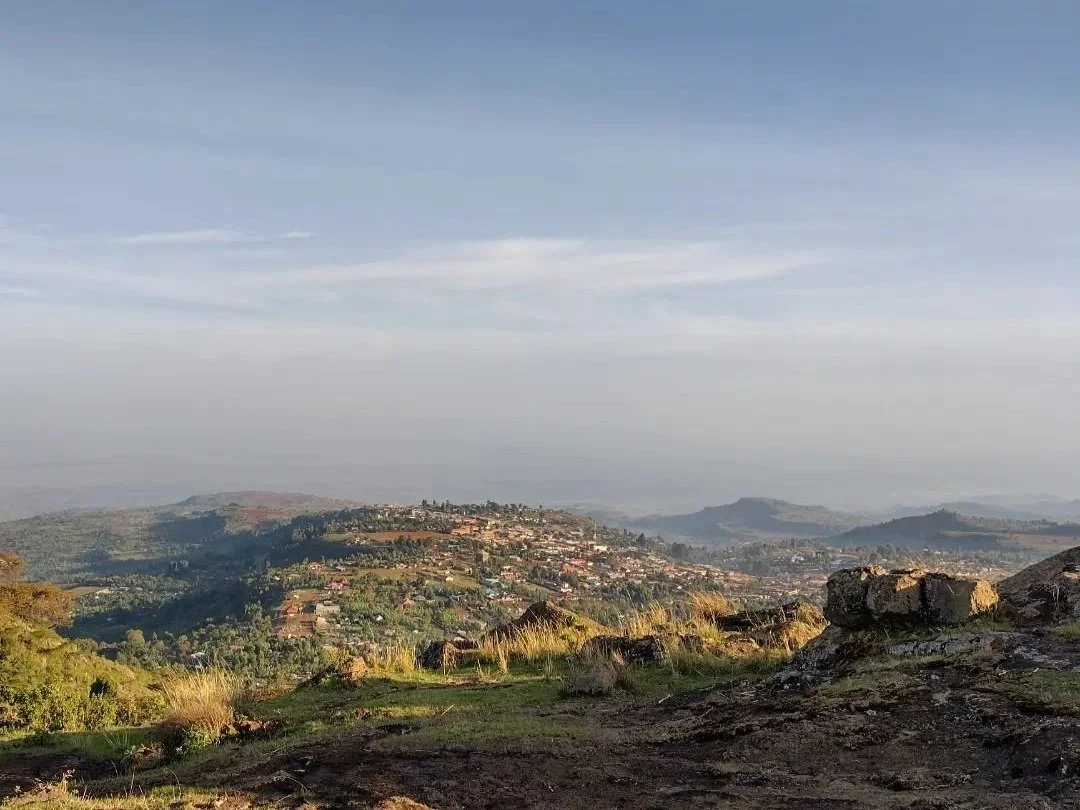
- Cliff-edge viewpoints over the plains below, offering some of eastern Uganda’s most dramatic escarpment scenery
The Land of Champions
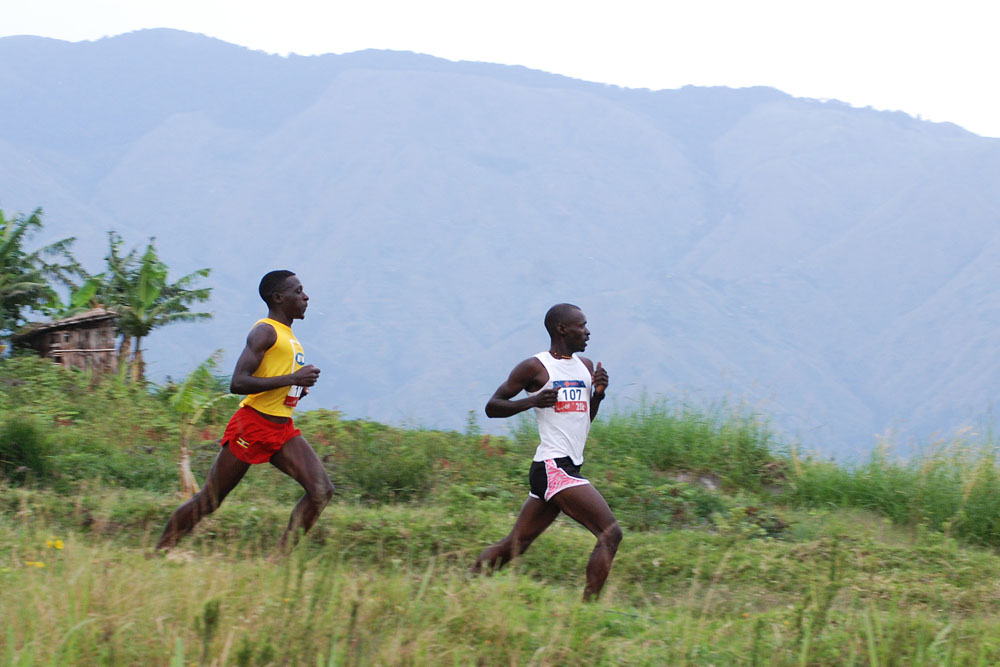
Kapchorwa’s reputation as Uganda’s running heartland isn’t marketing exaggeration — this specific district has produced an extraordinary concentration of world-class distance runners relative to its size, a track record serious enough that “Land of Champions” has become the town’s genuine, widely-used identity rather than a tourism slogan invented after the fact. Stephen Kiprotich, Uganda’s marathon gold medallist at the 2012 London Olympics, trained in this region, and more recent stars including Joshua Cheptegei and two-time World Half Marathon Champion Jacob Kiplimo carry the same Kapchorwa running tradition forward on the world stage.
Why This Specific Altitude Produces Champions
Kapchorwa’s roughly 1,800-metre elevation on Mount Elgon’s slopes places it squarely within the altitude range serious distance runners deliberately seek out for training, the same physiological logic behind established running hubs in Kenya’s Rift Valley and Ethiopia’s highlands. Combined with genuinely challenging, hilly terrain and a deep local running culture passed down through generations of successful athletes, the altitude has helped turn Kapchorwa into a legitimate training destination, not just a source of pride for producing champions elsewhere, and a growing number of international runners now travel here specifically to train on the same roads and trails as Uganda’s own elite.
Coffee Grown on Volcanic Soil
Mount Elgon’s volcanic geology has left Kapchorwa with genuinely rich soil, and the district has built a significant Arabica coffee industry around it, alongside wheat, maize, Irish potatoes and cabbage as major food and cash crops. Kapchorwa-grown coffee has developed enough of a reputation to be marketed and exported under its own regional branding in some cases, a point of local pride that mirrors the running culture in its own quieter way — both are built on the same volcanic highland foundation that makes this part of Uganda distinctive.
Visiting a Working Coffee Farm
Several small-scale coffee farms and cooperatives around Kapchorwa welcome visitors for informal tours, walking through the growing, harvesting and processing stages from cherry to roasted bean. It’s a genuinely hands-on complement to the area’s running fame, and a natural half-day activity for travellers based in town before or after a Sipi Falls excursion further up the mountain, giving a practical, working-farm counterpoint to the more scenic, photograph-focused stops most itineraries otherwise consist of.
Cliff-Edge Views and Escarpment Scenery
Kapchorwa sits on terrain that drops away dramatically toward the plains below, and several viewpoints around the town deliver genuinely vertigo-inducing views over the eastern Ugandan landscape stretching out beneath Mount Elgon’s slopes. These viewpoints see a fraction of the visitor traffic that Sipi Falls itself attracts, despite offering comparably dramatic scenery, simply because most travellers don’t realise they exist before driving straight through town toward the falls. A local guide can point you to the specific spots worth the short detour, since many aren’t signposted or obvious from the main road.
Sebei Culture and the Imbalu Tradition
Kapchorwa sits within the Sebei sub-region, home to the Sebei people, whose cultural traditions include long-established circumcision ceremonies marking the transition to adulthood for young men, held periodically according to traditional timing rather than a fixed annual calendar. These ceremonies carry deep cultural significance and aren’t staged for tourism, so visiting during an active ceremony period requires genuine local guidance and respectful, appropriate conduct rather than treating it as a spectacle.
A Running Culture Built on More Than Talent
What sets Kapchorwa apart from simply having produced a few exceptional athletes is how embedded running is in everyday local life — children training on the same hilly roads their idols once ran, community running clubs feeding into more formal training programs, and a genuine local expectation that hard work at altitude can translate into world-class results. Several structured training camps and running-tourism programs have grown up around this culture in recent years, giving visiting runners, from serious amateurs to genuine enthusiasts, a chance to train on the same terrain and, occasionally, alongside the same community that has produced Olympic medallists.
Visiting as a Runner, Not Just a Spectator
For travellers who run themselves, Kapchorwa offers something genuinely rare among Uganda’s tourism destinations: the chance to actually train in a location with a documented history of producing elite performance, rather than simply visiting to observe. Altitude acclimatisation takes a few days to feel comfortable, so runners planning to train seriously during a visit should build in time to adjust before pushing pace or distance, the same way any athlete would approach a training camp at elevation anywhere else in the world.
Planning Your Visit
Getting There and Using Kapchorwa as a Base
Kapchorwa sits directly on the route to Sipi Falls, making it a natural overnight base for travellers exploring this stretch of eastern Uganda rather than a place to simply drive through. Basing yourself in town, rather than continuing straight to accommodation nearer the falls, opens up the running-culture visits, coffee farm tours and cliff-edge viewpoints that a falls-only itinerary would otherwise miss entirely.
Best Time to Visit
Kapchorwa’s highland climate stays relatively mild year-round given its elevation, though the dry seasons offer the clearest conditions for the escarpment viewpoints specifically, since cloud cover and mist can obscure the more dramatic long-distance views during wetter months.
Where to Stay
Kapchorwa town itself offers a small but growing range of guesthouses and lodges, generally simpler than the more established properties clustered directly around Sipi Falls a short drive further up the mountain. Travellers wanting easy access to both the town’s running and coffee culture and the falls themselves often split a stay between the two, or base in Kapchorwa specifically for the extra time it opens up for town-based activities.
What to Pack
Layered clothing matters here given the altitude and highland climate — warm mornings and evenings alongside comfortable daytime temperatures, with a rain layer worth carrying regardless of season. Runners visiting specifically to train should bring appropriate trail or road shoes suited to Kapchorwa’s genuinely hilly terrain rather than assuming flat, easy routes.
Frequently Asked Questions
Can I actually meet or watch Kapchorwa’s runners training?
Some visitors do arrange to observe local training sessions or visit running-focused community programs in the area, though this is best arranged through a local guide or operator rather than showing up independently, out of respect for athletes’ training schedules.
Is Kapchorwa worth a stop if I’m only visiting Sipi Falls?
Yes, particularly if you have even half a day to spare before continuing up the mountain. The coffee farm visits and cliff-edge viewpoints around town add genuine variety to a trip that would otherwise be entirely falls-focused, and give a fuller sense of this part of eastern Uganda beyond a single, well-photographed waterfall.
How does Kapchorwa relate to Mount Elgon National Park?
Kapchorwa sits on Mount Elgon’s lower slopes and serves as a key access town for the mountain, including the route up to Sipi Falls, though the town itself sits outside the formal national park boundaries. Our guide to mountain climbing in Uganda covers the fuller Mount Elgon trekking picture.
Is it appropriate to photograph Sebei cultural sites or ceremonies?
Only with explicit local permission and guidance, particularly around active ceremonial periods. A good local guide will make clear what’s appropriate to photograph and what should be respectfully left undocumented, and following that guidance is the simplest way to keep any cultural visit genuinely respectful rather than intrusive.
Recommended Safaris
Kapchorwa works best as a stop on the way to Sipi Falls or a wider Mount Elgon itinerary. Our piece on Sipi Falls covers the region’s headline attraction further up the mountain, and our guide to mountain climbing in Uganda gives the wider trekking picture for Mount Elgon and beyond. Ready to build Kapchorwa into your eastern Uganda itinerary, whether for the running culture, the coffee, or simply a quieter stop before Sipi Falls? Reach our team through our Book Now page and we’ll plan it around your dates.





No comment