



The Big Cats of East Africa: Lions, Leopards, and Cheetahs Compared
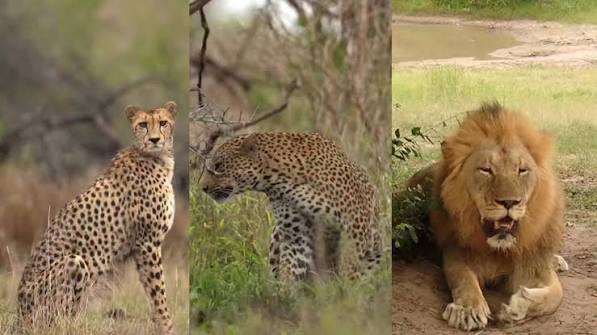
East Africa’s three resident big cats, lions, leopards, and cheetahs, occupy distinct ecological niches shaped by fundamentally different hunting strategies, social structures, and physical adaptations, meaning a single game drive covering all three species offers one of the richest comparative wildlife experiences available anywhere on the continent.
Social Structure: Cooperative, Solitary, and Maternal-Only
Lions live in cooperative prides built around related females and a coalition of resident males, leopards remain almost entirely solitary outside mating and raising young, and cheetahs fall somewhere between the two, with females raising cubs alone while males sometimes form small, permanent coalitions of their own, typically among brothers from the same litter. Our guide on how lion prides are structured covers the most complex of these three social systems in considerably more depth, and our guide on male versus female lion differences covers how this same social structure shapes physical differences unique to lions among the three species.
Physical Build: Power, Stealth, and Pure Speed
Each species’ physical build reflects its specific hunting strategy: lions carry a bulky, muscular frame suited to cooperative takedowns of large prey, leopards combine a compact, powerful build with exceptional climbing strength, and cheetahs sacrifice raw strength almost entirely for a lightweight, aerodynamic frame built purely for explosive speed over short distances.
Hunting Strategy: Cooperative Ambush, Solitary Stealth, and Explosive Speed
Lions hunt cooperatively, using pride numbers to bring down prey considerably larger than any single individual could manage alone. Our guide on what lions eat and how they hunt covers this cooperative strategy in depth. Leopards rely on patient, solitary stalking followed by a powerful close-range pounce, while cheetahs abandon stealth almost entirely in favour of the fastest land-animal sprint on Earth, a strategy that succeeds or fails within a matter of seconds rather than the more gradual approach the other two species typically use.
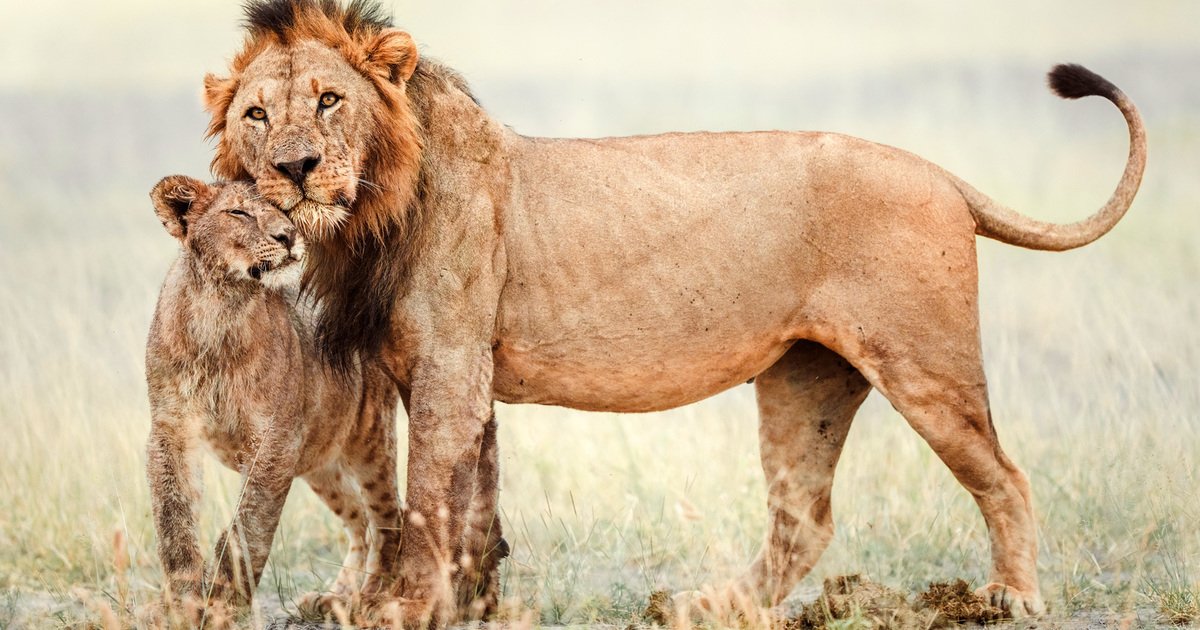
Top Speed: Why Cheetahs Stand Apart From Every Other Cat
A cheetah’s extraordinary top speed sets it apart from every other big cat, a specialised adaptation that comes at a real cost: cheetahs can’t sustain this speed for more than a few hundred metres before overheating, meaning a failed initial sprint typically ends the hunt entirely rather than allowing for a second attempt the way a lion pride’s more patient, cooperative approach sometimes does.
Why Leopards Cache Kills Where Lions and Cheetahs Don’t
Leopards drag kills up into trees specifically to protect them from both lions and hyenas, a behaviour neither lions nor cheetahs need, since lions typically dominate any contest over a kill outright, while cheetahs rely on eating quickly at ground level before a stronger competitor arrives rather than attempting to defend or relocate a kill at all. Our guide on lion versus hyena competition covers this same kleptoparasitism dynamic from the lion’s side specifically.
Habitat Preference: Open Plains, Dense Cover, and Open Grassland
Lions favour open savanna suited to cooperative group hunting, leopards prefer considerably denser cover, riverine woodland and rocky terrain that supports close-range stealth, and cheetahs need open, relatively flat grassland offering the clear sightlines and unobstructed ground their high-speed hunting strategy depends on entirely.
Coat Pattern: Solid Colour, Rosettes, and Solid Spots
Lions display a largely uniform tawny coat as adults, leopards retain distinctive dark rosettes providing camouflage within dappled forest light, and cheetahs show solid black spots rather than rosettes, alongside the distinctive black “tear line” markings running from each eye toward the mouth, a useful visual identifier that immediately distinguishes cheetahs from leopards at a glance.
Vocalisation: Roaring vs Rasping vs Purring
Lions possess the specialised throat anatomy enabling their extended roar, leopards produce a considerably different, shorter rasping call, and cheetahs can’t roar at all, instead producing a distinctive chirping call alongside genuine purring, a trait that actually places cheetahs biologically closer to smaller domestic cat relatives in this specific respect than to lions or leopards.
Cub-Rearing: Communal, Solo, and Solo-With-Coalition Support
Lion cubs benefit from a pride’s communal nursing and protection, leopard cubs rely entirely on a solitary mother with no support from other adults, and cheetah cubs also depend on solo maternal care, though cheetah mothers face a distinct challenge: teaching cubs the specialised high-speed hunting technique the species depends on, a skill considerably harder to transmit without a pride’s cooperative hunting opportunities to learn from directly.
Vulnerability: Why Cheetahs Face the Highest Predation Risk
Of the three species, cheetahs face the greatest vulnerability to both lions and hyenas, since their lightweight, speed-optimised build offers little defensive capability in direct confrontation, meaning cheetah mothers lose a considerable share of cubs to predation by the very lions and leopards sharing the same territory, a steep cost of prioritising speed over strength.
Where to See All Three Species on a Single Trip
Ecosystems with strong resident populations of all three big cats offer travelers the chance to observe this full comparative picture within a single itinerary. Our guide on the best parks to see lions in East Africa covers several destinations where lions, leopards, and cheetahs all maintain healthy, well-documented populations within overlapping or adjacent territory.
How Lion Presence Shapes Where Leopards and Cheetahs Hunt
Both leopards and cheetahs adjust their own territory and hunting patterns to avoid direct competition with resident lion prides, leopards retreating into denser cover lions rarely patrol, and cheetahs favouring open grassland edges where their speed advantage offers the best chance of escaping a lion encounter entirely rather than risking direct confrontation.
Why Understanding These Differences Improves a Safari Experience
Knowing each species’ distinct hunting strategy and habitat preference helps set realistic expectations for a single game drive, since lions offer the most reliable sightings given their social, open-terrain lifestyle, while leopards and cheetahs demand more patience and specific habitat knowledge given their solitary, more elusive nature.
Photographing All Three Species
Each species rewards a different photographic approach, lions’ resting portraits, a leopard’s dramatic tree-bound kill, or a cheetah’s explosive mid-hunt action shot. Our guide on photographing lions on safari covers technique that adapts well across all three species’ considerably different behavioural patterns.
Lifespan and Survival: Why Each Species’ Odds Differ
Lions benefit from pride protection and communal cub-rearing that considerably improves survival odds compared to the other two species, leopards rely entirely on stealth and solitary caution to avoid conflict, and cheetahs face the steepest survival challenge of all three, given both their vulnerability to larger predators and the specialised, energy-intensive hunting technique cubs must fully master before becoming independent. Our guide on the best time to see lion cubs covers lion cub survival specifically in more depth.
Genetic Lineage: How Closely Related Are These Three Species?
Lions and leopards belong to the Panthera genus alongside tigers and jaguars, sharing the specialised throat anatomy enabling a true roar, while cheetahs belong to an entirely separate genus, Acinonyx, reflecting their considerably more distant evolutionary relationship and explaining why cheetahs purr and chirp rather than roar the way lions and leopards both can.
Conservation Status: Why Cheetahs Face the Steepest Decline
Of the three species, cheetahs face the most severe population decline continent-wide, driven by habitat fragmentation, their need for large, uninterrupted open territory, and the same predation pressure from lions and hyenas covered above. Our guide on how many lions remain in Africa covers the comparatively better-documented population picture for lions specifically, useful context for understanding how differently each species’ conservation challenges play out.
How Guides Prioritise Searching for Each Species Differently
Given their considerably different habitat preferences and activity patterns, experienced guides use distinct search strategies for each species, scanning open plains and known pride territory for lions, checking likely tree-caching spots and dense riverine cover for leopards, and watching open grassland edges and termite mounds, favoured vantage points, for cheetahs scanning for prey.
Frequently Asked Questions
A few quick answers to the questions travelers ask most often when comparing East Africa’s big cats.
Which is the fastest of East Africa’s big cats?
The cheetah, by a considerable margin – It’s the fastest land animal on Earth over a short sprint.
Which big cat is hardest to spot on safari?
Leopards typically rank as the most elusive, given their solitary, secretive, and more nocturnal nature.
Do lions, leopards, and cheetahs compete with each other?
Yes – Lions dominate both smaller cats, forcing leopards and cheetahs to adapt their territory and behaviour accordingly.
Which species lives in social groups?
Only lions form true cooperative prides; leopards are solitary, and cheetahs are mostly solitary aside from male coalitions.
Can you see all three species in one park?
Yes – Several East African ecosystems support healthy resident populations of all three within overlapping territory.
Ready to Plan Your African Safari?
Whether you’re hoping to see a cooperative lion pride, a solitary leopard, or a cheetah’s explosive sprint, our team can build a trip matched to your interests. Get in touch with our team below today and let’s start planning your complete African safari itinerary together.

No comment