
How Long Do Lions Sleep in a Day?
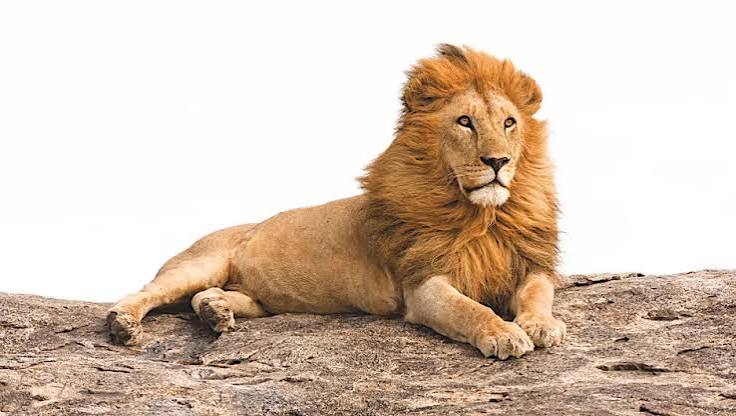
Lions spend roughly 16 to 20 hours of a typical day sleeping or resting, ranking among the most rest-heavy of all large mammals, a pattern directly tied to the considerable energy cost of hunting and the advantage of conserving strength for the brief, intense bursts of activity a successful hunt actually demands.
Why Lions Sleep So Much More Than Most Other Animals
Unlike grazing herbivores that must spend most of their waking hours feeding simply to meet their caloric needs, lions obtain enough energy from a single successful large kill to sustain the pride for one to several days, removing the constant feeding pressure that keeps prey species active for much of the day. This frees lions to spend the overwhelming majority of their time resting, conserving energy for the comparatively rare but physically demanding moments when an actual hunt takes place.
How a Lion’s Daily Activity Pattern Breaks Down
Lions are most active during the cooler hours around dawn and dusk, when both temperature and light conditions favour successful stalking, with the hottest midday hours typically spent almost entirely at rest in whatever shade is available. Nighttime sees a second wave of activity too, since lions possess considerably better low-light vision than most of their prey, giving them a genuine hunting advantage after dark that daytime activity alone wouldn’t offer. Our guide on essential lion facts for safari-goers covers several more physical adaptations that support this nocturnal hunting advantage.

Why Midday Heat Drives So Much of This Resting Behaviour
Savanna temperatures during the middle of the day climb high enough to make sustained physical activity considerably more costly in terms of water loss and heat stress, meaning lions gain a real physiological advantage by conserving energy during these hours rather than hunting when conditions are least favourable. This is precisely why most guided game drives schedule around early morning and late afternoon, the hours lions are most reliably active and visible.
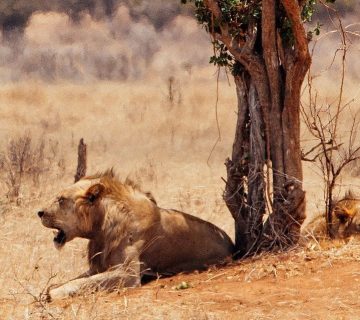
Shade selection during these hottest hours isn’t random either, with prides often returning to the same handful of favoured resting spots day after day, typically beneath dense tree cover or within rocky outcrops offering both shade and a useful vantage point, a pattern experienced guides in ecosystems like the Serengeti’s kopje-studded plains learn to anticipate when searching for a resting pride during the heat of the day.
How This Compares to Other Big Cats and Large Predators
Lions rest considerably more than most other big cats, including leopards and cheetahs, both of which spend proportionally more time actively hunting or patrolling territory given their more solitary lifestyle and comparatively smaller typical prey size. This difference reflects lions’ cooperative hunting strategy, since a pride’s combined hunting success rate allows individual members to rest far more than a solitary predator relying entirely on its own hunting success could typically afford.
Cheetahs in particular rest considerably less proportionally, since their specialised high-speed hunting technique burns through energy reserves rapidly and requires more frequent successful hunts to sustain, typically smaller prey that provides less meat per kill than the larger animals lions typically target. This illustrates how closely each predator’s rest pattern tracks its specific hunting strategy and typical prey size, rather than reflecting any single universal rule for big cat behaviour.
Cubs Sleep Even More Than Adults
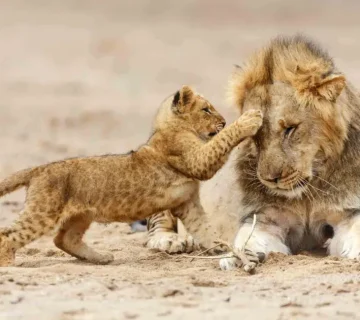
Young cubs sleep for an even larger share of the day than adults, particularly in their first few months, when extended rest supports the rapid physical growth and development this early life stage demands. As cubs mature and begin participating in pride activities, including mock hunting play with littermates, their activity pattern shifts gradually toward the adult pattern described above.
This extended cub sleep also serves a protective function beyond simple growth support, since young cubs remain hidden away from the rest of the pride and potential threats for much of their first several weeks, with mothers deliberately choosing dense cover or rocky crevices as denning sites precisely because these locations support the long, largely uninterrupted rest periods vulnerable newborn cubs require. Our guide on how lions recognise their own cubs covers more about this vulnerable early life stage.
Yawning: A Frequent Companion Behaviour to All This Resting
Given how much of a lion’s day is spent resting, yawning becomes one of the most commonly observed behaviours on a typical game drive. Our guide on why lions yawn so often covers the specific physiological functions researchers believe this frequent behaviour serves, beyond simply signalling tiredness.
How This Rest-Heavy Pattern Shapes Pride Social Bonding
Resting periods aren’t purely passive downtime; much of a pride’s social bonding, including mutual grooming and physical closeness between related females and their cubs, happens during these extended rest periods rather than during the comparatively brief windows of active hunting or feeding. Our guide on how lion prides are structured covers how this social bonding fits into the pride’s broader cooperative structure.
Why Understanding Lion Rest Patterns Improves Safari Planning
Knowing that lions spend the vast majority of daylight hours resting helps set realistic visitor expectations: a midday sighting will very likely show a pride lounging in shade rather than actively hunting, while dawn and dusk drives offer considerably better odds of witnessing more dynamic behaviour. Our guide on best time to see lions in the Masai Mara covers how this daily activity pattern factors into broader seasonal timing decisions.
This understanding also helps manage expectations around photography specifically, since a resting pride still offers strong opportunities for close-up portrait and behavioural shots even without any active hunting taking place, meaning a midday sighting shouldn’t be considered a disappointing one, simply a different kind of photographic opportunity than the dramatic action shots dawn and dusk drives more reliably deliver.
How Prey Species Exploit These Predictable Rest Periods
Interestingly, some prey species have learned to recognise a resting, inactive pride as considerably lower risk than an alert, actively stalking one, sometimes grazing within surprisingly close range of a sleeping pride without triggering the flight response a more active-looking group of lions would immediately provoke. This demonstrates just how closely prey species track lion behavioural cues as part of their own survival strategy.
Researchers studying this dynamic have documented measurable differences in prey vigilance behaviour depending on a nearby pride’s posture and apparent alertness level, with grazing animals spending less time scanning for danger near a visibly resting pride than near one showing any signs of active stalking, a subtle but well-documented behavioural adaptation that shapes daily movement patterns across an entire shared ecosystem.
What a Resting Lion’s Body Language Reveals
Experienced guides read a surprising amount from a resting lion’s specific posture: a lion sprawled fully on its side with legs extended indicates deep rest and low alertness, while a lion resting upright with head raised and ears actively rotating suggests a lighter, more vigilant rest state that could transition to activity considerably more quickly. Learning to read these subtle postural cues helps guides anticipate when a seemingly resting pride might be about to become active, offering visitors a better chance at catching the transition firsthand.
Best Times to See Active Lion Behaviour on Safari
Given how predictable this daily rest pattern is, timing a game drive around dawn and dusk considerably improves the odds of witnessing hunting, territorial patrol, or other active behaviour. Our guide on the best parks to see lions in East Africa covers which destinations combine strong resident pride density with the kind of terrain that makes active behaviour easiest to spot, and our guide on what lions eat and how they hunt covers the specific hunting behaviour these carefully timed early and late drives are built around catching.
Frequently Asked Questions
How many hours a day do lions sleep?
Lions typically sleep or rest for roughly 16 to 20 hours a day, among the highest of any large mammal.
Why do lions sleep so much more than herbivores?
A single large kill sustains a pride for days, removing the constant feeding pressure that keeps grazing animals active.
When are lions most active?
Primarily around dawn, dusk, and at night, when cooler temperatures and low light favour successful hunting.
Do lion cubs sleep more than adults?
Yes – cubs sleep even more than adults, particularly in their first few months of rapid growth.
Is midday the best time to see active lion behaviour?
No – midday heat drives the heaviest resting period, making dawn and dusk considerably better for active sightings.
Ready to Plan Your African Safari?
Whether you’re hoping to catch a pride mid-hunt at dawn or simply observe the relaxed social bonding of a resting pride, our team can build a trip matched to your interests. Get in touch with our team below today and let’s start planning your complete African safari itinerary together.


No comment