
What Do Lions Eat? A Guide to Lion Hunting Behavior
Lions are opportunistic apex predators whose diet centres on medium to large hoofed mammals, primarily wildebeest, zebra, and buffalo, though the specific prey a given pride relies on shifts considerably depending on local availability, season, and the particular ecosystem a pride calls home.
Primary Prey: What Makes Up the Bulk of a Lion’s Diet
Across most East African ecosystems, wildebeest and zebra form the largest share of a typical pride’s diet, simply reflecting how abundant these species are across the region’s grasslands. Buffalo represent a higher-risk, higher-reward target, offering considerably more meat per successful hunt but requiring the combined strength of multiple lions, often including resident males, to bring down safely given a buffalo’s considerable size and willingness to fight back.
How Cooperative Hunting Shapes What Prides Can Successfully Target
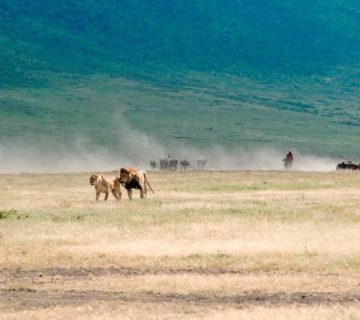
Lionesses conduct roughly 85 to 90 percent of a pride’s hunts, working in coordinated groups that use terrain and numbers to encircle and ambush prey rather than relying on a prolonged chase, a strategy suited to the lion’s build, built for powerful short bursts rather than sustained long-distance pursuit. Our guide on how lion prides are structured covers how this cooperative structure functions day to day beyond just hunting itself.

Why Lions Prefer an Ambush Over a Long Chase
Lions lack the sustained stamina of pursuit predators like African wild dogs, instead relying on stealth, cover, and a coordinated final rush from close range, typically covering the last stretch to a target in a matter of seconds rather than the extended chases documented in other predator species. A failed hunt costs a pride significant energy, which is precisely why cooperative positioning and patience matter more to overall hunting success than raw speed alone.
Scavenging: A Significant, Often Underrated Food Source
Beyond active hunting, lions scavenge opportunistically, stealing kills from other predators including cheetahs, leopards, and hyenas whenever the chance arises, a significant food source in some ecosystems rather than a rare exception. This kleptoparasitism works in the lion’s favour given their size advantage over most rival predators, though it does put lions into direct, occasionally dangerous conflict with hyena clans defending their own kill.
Researchers studying this dynamic have found that in some ecosystems, stolen kills account for a meaningful share of total food intake, particularly for smaller or less established prides that haven’t yet built up the hunting cohesion of a longer-tenured group, making scavenging a important supplementary strategy rather than simply an opportunistic bonus on top of successful independent hunting.
Buffalo Hunts: Why They Represent the Riskiest Regular Prey
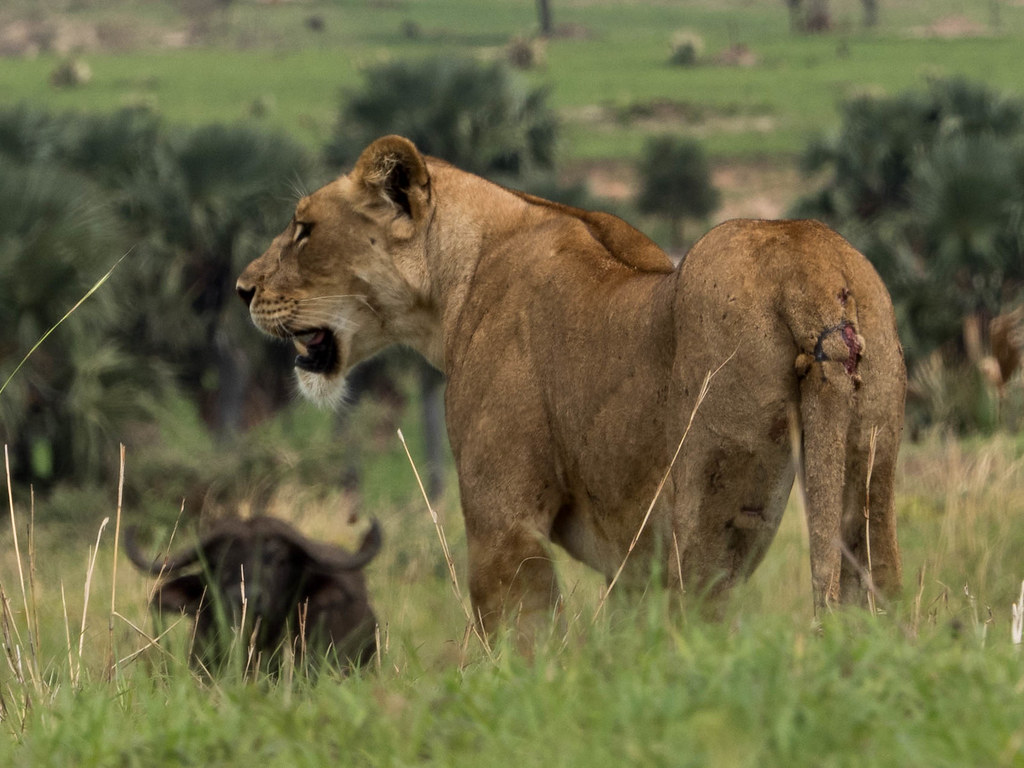
Buffalo stand out as one of the most dangerous regular prey species lions pursue, given their considerable size, sharp horns, and tendency to fight back collectively rather than simply fleeing, meaning buffalo hunts carry a real injury risk to the lions involved, sometimes fatal. Our guide on why buffalo herds form defensive circles covers exactly the collective defence strategy that makes these hunts so risky for attacking lions.
Smaller Prey: Why Lions Don’t Ignore Easier Targets
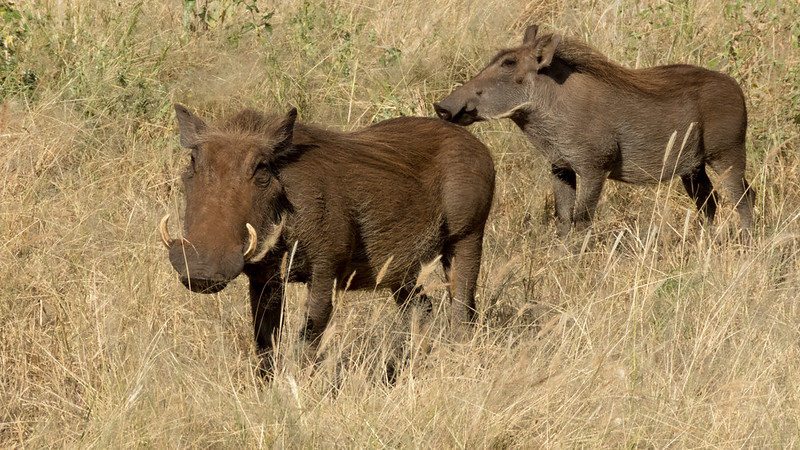
Beyond large hoofed mammals, lions also take smaller prey including warthogs, impala, and young or injured individuals from larger herds when the opportunity presents lower risk than a full pride hunt against a healthy adult target. Opportunistic feeding on smaller, easier prey matters more during lean periods when larger prey becomes scarce or considerably harder to successfully target, a pattern documented across ecosystems including Ngorongoro Crater, where the resident prides’ fixed territory limits how far they can range to compensate for a temporary prey shortage.
Elephant Hunts: A Rare but Documented Exception
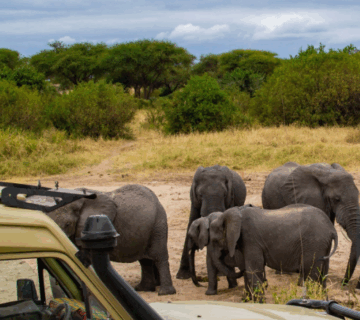
In a small number of exceptional cases, typically involving unusually large prides facing severe food scarcity, lions have been documented successfully hunting young elephants, an extraordinarily risky undertaking given the size disparity involved and one that only succeeds through coordinated effort from an unusually large number of lions working together. Adult elephants, by contrast, remain far too large and dangerous a target for lions to realistically attempt under almost any circumstance, a size gap our guide on elephant herd behaviour touches on when covering how matriarchs coordinate herd defence against potential threats.
How Kill Frequency Varies by Pride Size and Season
A pride’s hunting frequency depends heavily on group size and prey availability, with larger prides needing to make kills more often to sustain more mouths, while seasonal prey movements, particularly the Great Migration through ecosystems like the Serengeti, create periods of feast alongside leaner stretches when herds have moved on to other territory.
During particularly lean stretches, a pride’s overall body condition visibly declines, and researchers have documented measurable dips in cub survival rates during these harder periods, underscoring just how directly tied to hunting success a pride’s overall wellbeing remains, even for an apex predator sitting at the very top of the food chain.
Feeding Order: Who Eats First at a Kill
Once a kill is made, feeding order follows the pride’s looser social hierarchy, with dominant males often eating first when present, followed by other adult lionesses, and cubs typically waiting until the initial feeding frenzy subsides, though nothing about this order is strictly fixed. A single large kill like a buffalo provides enough meat to feed an entire pride for one to several days, depending on group size and how much scavengers and other predators manage to steal in the meantime.
This feeding scramble is one of the more chaotic-looking moments visitors witness on safari, with growling, occasional swatting between pride members, and considerable jostling for position around a carcass, though serious injury during feeding itself remains rare, since the underlying social bonds holding the pride together generally outweigh the short-term competition over any single meal.
Water Requirements: How Lions Supplement Hydration Through Diet
Lions obtain a meaningful share of their water needs directly from prey blood and body fluids, allowing prides in drier ecosystems to survive somewhat longer between visits to open water sources than might otherwise be expected, though regular access to drinking water still remains an important factor shaping pride territory and movement patterns.
This dietary water supplementation matters most in arid, seasonal ecosystems like Ruaha National Park, where prides rely on this extra hydration margin to range further from permanent water sources during the driest months than they otherwise could, opening up additional hunting territory that would be considerably harder to exploit if drinking water alone had to sustain them.
Bite Force and Jaw Strength: The Physical Tools Behind Every Kill
A lion’s powerful jaw and canine teeth are specifically adapted for delivering a fatal bite to the throat or muzzle, suffocating prey rather than relying on the slashing claws some other predators use as a primary kill method. This bite-and-hold technique explains why cooperative hunting matters so much for larger prey specifically, since immobilising a struggling buffalo or zebra long enough to deliver a fatal bite requires more than one lion’s combined weight and strength.
Where to Witness Lion Hunting Behaviour on Safari
Dense, well-studied prides in prey-rich ecosystems offer the strongest odds of observing genuine hunting behaviour firsthand. Our guide on the best parks to see lions in East Africa covers exactly which destinations combine strong resident pride numbers with the dense prey base hunting behaviour depends on, and our broader roundup of essential lion facts covers several more behavioural traits worth knowing before your first game drive.
How Guides Read the Signs of an Impending Hunt
Experienced safari guides learn to read subtle behavioural cues signalling a pride is preparing to hunt, including increased alertness, lionesses fanning out into flanking positions, and a shift from resting posture to a low, focused stalk, allowing guides to position vehicles for a genuine chance at witnessing the hunt’s climax rather than arriving only after the fact. This kind of experienced reading of pride behaviour separates a routine sighting from the rarer, more dramatic experience of watching an actual hunt unfold in real time.
Frequently Asked Questions
What is a lion’s primary prey?
Wildebeest, zebra, and buffalo make up the bulk of most prides’ diet across East African ecosystems.
Do lions really steal kills from other predators?
Yes – lions scavenge opportunistically from cheetahs, leopards, and hyenas whenever the chance arises.
How dangerous is hunting buffalo for lions?
Quite dangerous – buffalo fight back collectively, and hunts can result in serious or fatal injury to attacking lions.
Do lions hunt alone or in groups?
Mostly in groups – lionesses conduct roughly 85 to 90 percent of hunts cooperatively, though solitary hunting does happen for smaller prey.
How often do lions make a kill?
Frequency varies by pride size and prey availability, with a single large kill able to sustain a pride for one to several days.
Ready to Plan Your African Safari?
Whether you’re hoping to witness cooperative hunting, a dramatic buffalo standoff, or the aftermath of a successful kill, our team can build a trip matched to your interests. Get in touch with our team below today and let’s start planning your complete African safari itinerary together.


No comment