

Why Do Baboons Sleep in Trees or on Cliffs?
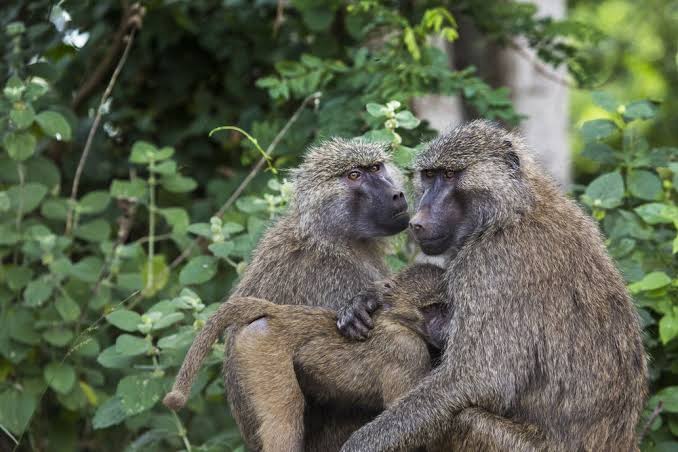
Baboon troops genuinely sleep in tall trees or on steep rocky cliffs specifically to escape ground-based predators overnight, with the entire troop returning to the same well-established sleeping site each evening, a genuinely predictable, repeated behaviour that reflects just how critical safe nighttime refuge is to the species’ overall survival strategy.
Why Ground-Level Sleep Would Genuinely Leave Baboons Dangerously Exposed
Baboons genuinely face considerable predation risk from leopard, hyena, and other nocturnal hunters that would find a ground-sleeping troop an easy, low-effort target, meaning elevated sleeping sites, whether tall trees or steep cliff faces, genuinely provide a critical physical barrier most ground-based predators simply cannot access, transforming what would otherwise be the troop’s most vulnerable daily period into a considerably safer one.
How Troops Genuinely Select and Maintain the Same Sleeping Site Over Extended Periods
Rather than choosing a new location each night, baboon troops genuinely return to the same established sleeping site, whether a specific grove of tall trees or a particular cliff face, across extended periods sometimes spanning years, meaning site selection genuinely reflects a considered, long-term assessment of safety and accessibility rather than opportunistic nightly improvisation.
Why Tree Selection Genuinely Requires Specific Structural Qualities
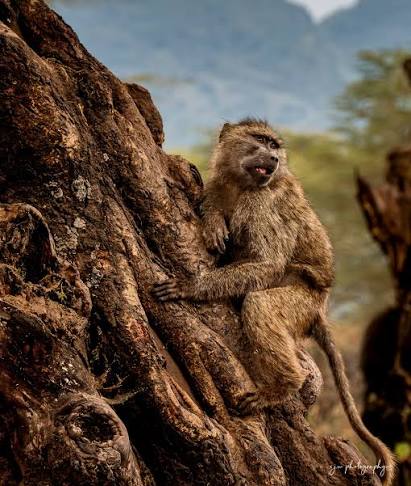
Baboons genuinely favour sleeping trees with considerable height, sturdy branch structure capable of supporting multiple individuals simultaneously, and importantly, branches too thin at the outer edges to support the weight of a pursuing leopard, meaning tree selection genuinely involves assessing structural details that directly determine how effectively the site actually protects against a leopard’s own considerable climbing ability.
How Cliff Sleeping Sites Genuinely Offer a Comparable Alternative in Treeless Terrain
In areas lacking suitable large trees, baboon troops genuinely rely on steep rocky cliff faces instead, selecting ledges and crevices positioned high enough and on terrain sheer enough that ground-based predators genuinely cannot reach the resting troop, meaning cliff sleeping sites provide a functionally equivalent safety solution adapted to different available terrain rather than representing an inferior alternative to tree sleeping.
Why Troop Members Genuinely Position Themselves According to Social Rank Within the Sleeping Site
Within a chosen sleeping site, individual positioning genuinely reflects the troop’s broader social hierarchy, with higher-ranking individuals typically securing the safest, most centrally protected positions while lower-ranking members occupy the more exposed peripheral spots, meaning even nighttime rest genuinely reflects and reinforces the same rank structure governing daytime feeding order and social interaction.
How the Return Journey to a Sleeping Site Genuinely Shapes a Troop’s Daily Movement Pattern
Because baboon troops genuinely need to reach their established sleeping site before dark, daily foraging range and movement pattern genuinely factor in the timing and distance required to return safely each evening, meaning the fixed sleeping site location genuinely influences considerably more than just nighttime safety, shaping the troop’s entire daily activity radius around ensuring a timely, safe return.
Where to Observe Baboon Troop Behaviour in East Africa
Baboon troops with observable sleeping site behaviour are genuinely reliable to see across Lake Manyara National Park and Tarangire National Park, both offering genuine opportunities to observe troops gathering near known sleeping sites toward evening.
Best Time of Day for Observing This Behaviour
Late afternoon and early evening, when troops begin moving toward their sleeping site, offers the best opportunity to observe this behaviour firsthand. See our regional best-time guide for how seasonal patterns generally affect wider game viewing.
Photographing Baboon Troops at Sleeping Sites
Capturing a troop settling into a tree or cliff face at dusk offers genuinely atmospheric behavioural photography beyond a standard daytime foraging portrait. See our camera gear guide for broader equipment recommendations.
What to Pack for Late-Afternoon Game Drives
Standard game drive gear – neutral clothing, sun protection, and binoculars – covers most of what evening baboon viewing requires. If your wider itinerary includes gorilla trekking, our gorilla trekking packing list covers that portion separately.
Why Habitat Loss Genuinely Threatens Traditional Baboon Sleeping Sites
Given how much baboon troops genuinely depend on specific, well-established sleeping sites, deforestation or habitat degradation affecting these particular trees or cliff areas genuinely forces troops to relocate to potentially less secure alternatives, a genuine conservation concern since losing an established, proven-safe sleeping site can measurably increase a troop’s nighttime predation vulnerability until a comparably secure replacement is found.
How Vocal Communication Genuinely Coordinates the Evening Return to a Sleeping Site
As evening approaches, baboon troops genuinely use vocalisations to help coordinate the return journey, keeping scattered foraging subgroups aware of overall troop movement direction and timing, meaning the considerable social communication documented in baboon troop hierarchy also extends directly to this critical daily safety-related coordination task.
Why Younger Baboons Genuinely Learn Sleeping Site Selection Through Observation
Young baboons genuinely learn which trees or cliff locations qualify as safe, viable sleeping sites through years of direct observation within the troop, gradually internalising the specific structural and positional cues experienced adults use to assess site safety, meaning this critical survival knowledge genuinely transmits through social learning rather than existing as pure fixed instinct from birth.
Comparing Baboon Sleeping Site Selection to Chimpanzee Nest-Building Behaviour
Where chimpanzees construct fresh individual sleeping nests from bent branches each night rather than returning to one fixed communal site, baboons rely on a considerably different strategy centred on a shared, repeatedly reused location, a meaningful behavioural distinction between two closely studied East African primate species facing broadly similar nighttime predation pressure.
Why Guides Value Explaining Sleeping Site Behaviour to Visitors
Given how much this behaviour reveals about the considerable planning and social coordination underlying baboon daily life, experienced guides genuinely value explaining sleeping site selection whenever a troop is observed moving toward its evening location, adding real depth beyond typical daytime foraging observation.
Combining Baboon Sleeping Site Viewing With a Wider Evening Circuit
Baboon evening behaviour observation pairs naturally with a broader late-afternoon game drive covering other species’ own evening activity patterns within the same outing.
Why Multiple Troops Sometimes Genuinely Share the Same General Sleeping Area
In areas with genuinely limited suitable sleeping site options, multiple separate baboon troops sometimes occupy the same general grove of trees or cliff face, maintaining distinct spatial separation between troops while benefiting from the shared safety the site’s structural qualities provide, meaning site sharing genuinely occurs without necessarily requiring direct social integration between the separate troops involved.
How Weather Conditions Genuinely Affect Sleeping Site Comfort and Selection
Beyond pure predator avoidance, baboon troops genuinely also factor in weather exposure when assessing a sleeping site’s overall suitability, with some sites offering somewhat better shelter from wind and rain than others, meaning site quality genuinely reflects a combination of safety and basic comfort considerations rather than predator avoidance being the only factor shaping the troop’s preferred choice.
Why This Behaviour Genuinely Mirrors Similar Nighttime Refuge Strategies Elsewhere
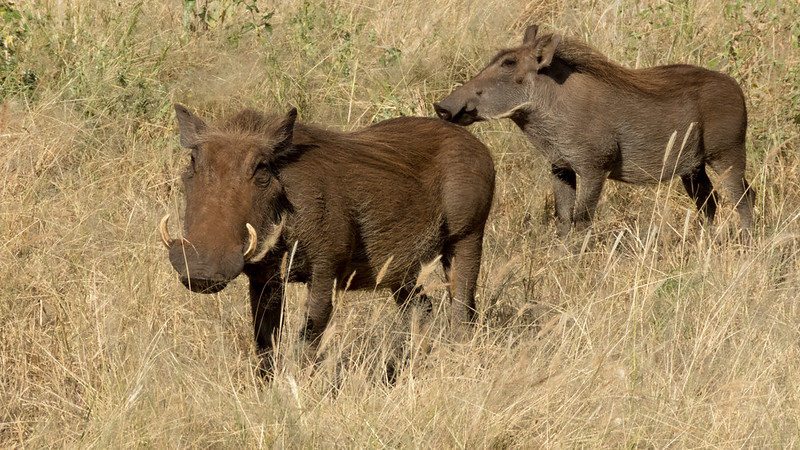
Much like warthogs rely on aardvark burrows for overnight safety, baboons demonstrate a broadly comparable underlying survival logic, that the most dangerous period for many East African mammals is nighttime rest, and each species genuinely evolves a habitat-specific solution suited to its own physical capabilities, whether digging access, climbing ability, or cliff-navigation skill.
How Researchers Track Sleeping Site Fidelity Over Multi-Year Studies
Long-term baboon research genuinely relies on repeated site visits across multiple years to confirm sleeping site fidelity, tracking the same troop’s continued use of a specific location over time, research that has helped establish just how genuinely stable and long-lasting these site preferences remain absent significant habitat disruption, similar to the kind of sustained field observation documented in chimpanzee behavioural research at long-term study sites.
Why Sleeping Site Departure Timing Also Genuinely Matters for Morning Safety
Just as the evening return requires careful timing, morning departure from the sleeping site genuinely involves its own risk assessment, with troops sometimes waiting for full daylight before descending if recent predator activity has been detected nearby, meaning the sleeping site’s protective value genuinely extends into how the troop manages the vulnerable transition period at both ends of the night, not just the overnight hours themselves.
Frequently Asked Questions
Why do baboons sleep in trees or on cliffs?
To escape ground-based predators like leopard and hyena overnight, since elevated sites provide a critical physical barrier most predators can’t access.
Do baboons use a different sleeping site every night?
No, genuinely not – troops return to the same established sleeping site over extended periods, sometimes spanning years.
What makes a tree suitable as a baboon sleeping site?
Considerable height, sturdy branches able to support multiple individuals, and outer branches too thin to support a pursuing leopard’s weight.
Does social rank affect where individuals sleep within a site?
Yes – higher-ranking individuals typically secure the safest, most centrally protected positions.
Where can I see baboon troops at their sleeping sites on safari?
Lake Manyara National Park and Tarangire National Park both offer genuine opportunities toward evening.
Ready to Plan Your Tanzania Safari?
Whether observing baboon behaviour firsthand, wider primate viewing, or a full Tanzania itinerary is your priority, our team can build a trip matched to your interests. Get in touch with our team below today and let’s start planning your complete Tanzania safari itinerary together.

No comment