

Why Do Zebras Sleep Standing Up?
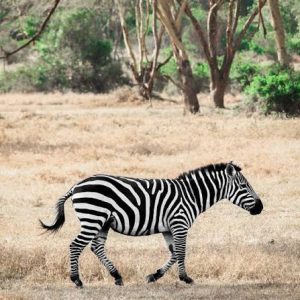
Zebras genuinely sleep standing up for the vast majority of their rest, a survival adaptation that lets the herd remain ready to flee an approaching predator within seconds, made physically possible through a specialised leg-locking mechanism that allows muscles to relax and genuine rest to occur without the animal needing to actually lie down.
Why Standing Sleep Genuinely Provides a Critical Predator-Response Advantage
A zebra lying fully down genuinely requires several seconds to scramble upright before it can begin fleeing, a delay that could genuinely prove fatal during a surprise predator attack, meaning standing sleep directly eliminates this dangerous recovery window, letting a zebra begin running at full speed essentially immediately from a resting standing position rather than needing to first regain its feet.
How the Stay Apparatus Genuinely Makes Standing Rest Physically Possible
Zebras genuinely possess a specialised anatomical structure called the stay apparatus, a system of tendons and ligaments in the legs that locks the joints into a stable, load-bearing position without requiring active muscle contraction to hold the posture, meaning the animal’s leg muscles can genuinely relax and rest even while the body remains fully upright, a mechanical adaptation that makes standing sleep considerably less physically taxing than it would otherwise be.
Why Zebras Genuinely Still Need Some Lying-Down Sleep Despite This Adaptation
Despite spending the majority of rest time standing, zebras genuinely still require brief periods of lying-down sleep to achieve the deeper REM sleep stage standing rest genuinely cannot provide, meaning the species’ overall sleep strategy genuinely combines both standing rest for the bulk of downtime and considerably rarer, shorter lying-down periods specifically for the deeper sleep standing posture physically prevents.
How Herd Structure Genuinely Provides Additional Protection During Vulnerable Lying-Down Periods
Given how genuinely vulnerable a lying zebra becomes during the brief periods deeper sleep requires, herd members genuinely coordinate so that not every individual lies down simultaneously, with some herd members remaining standing and alert while others achieve the deeper rest they periodically need, meaning the herd’s overall sleep strategy genuinely functions as a coordinated group system rather than every individual managing sleep entirely independently.
Why Foals Genuinely Require More Lying-Down Sleep Than Adult Zebras
Young zebra foals genuinely spend considerably more time lying down to sleep than adults, since young animals generally require more total sleep and more deep-sleep time for healthy development, meaning foal sleep behaviour genuinely differs measurably from the standing-dominant pattern adults display, with mothers and other herd members providing heightened protective vigilance during these more vulnerable foal rest periods.
How This Sleep Strategy Genuinely Compares to Other Standing-Sleep Mammal Species
Zebras genuinely share the standing-sleep stay apparatus adaptation with several other large herbivore species, including horses and other equids, a shared anatomical solution reflecting similar predation pressure and body structure across related species, meaning the standing-sleep strategy genuinely represents a broader evolutionary pattern rather than something unique to zebra specifically.
Where to Observe Zebra Resting Behaviour in East Africa
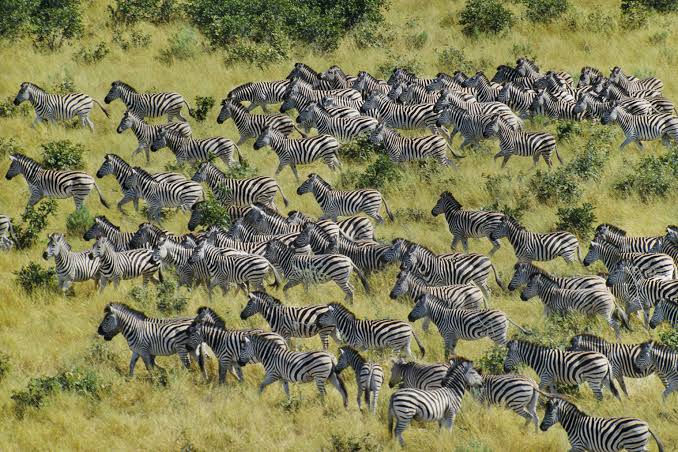
Zebra herds displaying both standing rest and occasional lying-down sleep are genuinely reliable to observe across the Serengeti-Mara ecosystem and Uganda’s Lake Mburo National Park.
Best Time of Year for Zebra Behaviour Viewing
Zebras are visible year-round given resident and migratory populations across East Africa’s major parks. See our regional best-time guide for how seasonal patterns generally affect wider game viewing.
Photographing Zebra Resting Behaviour
Capturing the genuinely rare sight of a zebra lying fully down offers a distinctive photographic opportunity beyond the more commonly observed standing rest posture. See our camera gear guide for broader equipment recommendations.
What to Pack for Early Morning Game Drives
Standard game drive gear – neutral clothing, sun protection, and binoculars – covers most of what zebra viewing requires, and early morning drives genuinely offer good odds of observing resting behaviour before the herd becomes fully active. If your wider itinerary includes gorilla trekking, our gorilla trekking packing list covers that portion separately.
Why Total Daily Sleep Time Genuinely Remains Considerably Lower Than Most Mammals
Zebras genuinely sleep considerably less in total daily hours than many other mammal species, a reduced sleep requirement researchers link directly to the species’ constant predation pressure, since spending extended time in any vulnerable rest state, standing or lying, genuinely carries real risk that favours minimising total sleep duration wherever the body’s physiological needs allow.
How Environmental Safety Genuinely Affects How Much a Herd Actually Rests
In areas with genuinely lower immediate predator density or particularly open, easily monitored terrain, zebra herds genuinely feel comfortable resting, including lying down, somewhat more frequently than in denser, higher-risk habitat, meaning actual observed resting behaviour genuinely varies based on real-time environmental risk assessment rather than following one fixed, universal pattern regardless of local conditions.
Why Stallions Genuinely Take on Additional Vigilance Responsibility During Group Rest
Within a family harem group, the resident stallion genuinely takes on disproportionate vigilance responsibility during rest periods, often remaining more consistently alert than mares and foals, a protective role that reflects the same broader pattern of male defensive investment documented across other herding equid and antelope species.
Comparing Zebra Sleep Strategy to Buffalo Resting Behaviour
Where buffalo genuinely rest lying down considerably more comfortably given their less immediate predation vulnerability profile within a large defended herd, zebra’s predominantly standing rest reflects a genuinely more cautious, flight-oriented survival strategy suited to a species relying primarily on speed rather than coordinated group counter-attack for predator defence.
Why Guides Value Explaining This Sleep Adaptation to Visitors
Given how rarely visitors witness a zebra actually lying down, experienced guides genuinely value explaining the standing-sleep stay apparatus mechanism whenever the topic arises, adding real appreciation for a subtle but genuinely important physiological adaptation easily overlooked during a standard sighting.
Combining Zebra Behaviour Viewing With a Wider Savannah Circuit
Zebra resting behaviour observation pairs naturally with a broader savannah-focused itinerary, giving travelers genuine behavioural insight alongside standard zebra sightings.
Why Mutual Grooming Genuinely Coincides With Standing Rest Periods
Zebras genuinely engage in mutual grooming, nibbling at each other’s neck and back, during standing rest periods, a behaviour that both strengthens social bonds within the family group and helps remove parasites, meaning standing rest time genuinely serves social and hygiene functions beyond pure physical recovery, adding a further behavioural layer to what might otherwise look like simple idle standing.
How Body Position During Standing Rest Genuinely Reflects Ongoing Vigilance
Even during standing rest, zebras genuinely position themselves facing different directions within a resting group, a formation that maximises the herd’s collective field of view and reduces the chance of an approaching predator going entirely undetected, meaning standing rest genuinely isn’t a fully passive state but continues incorporating active vigilance positioning even while individual muscles relax.
Why Mixed-Species Grazing Groups Genuinely Extend This Vigilance Advantage Further
When zebra rest alongside other species such as topi or wildebeest, the combined group genuinely benefits from multiple species’ complementary sensory strengths simultaneously, meaning a mixed-species resting group achieves genuinely broader collective threat detection than a single-species zebra herd resting alone could manage on its own.
How This Standing-Sleep Adaptation Genuinely Compares to Giraffe’s Even More Extreme Version
While zebras still manage occasional lying-down sleep, giraffes take standing rest to a genuinely more extreme degree, sleeping in true lying-down positions only rarely and briefly given the considerable physical difficulty of rising quickly from such an awkward, elongated body position, illustrating a spectrum of standing-sleep adaptation across different East African herbivores facing broadly similar predation pressure.
Why This Sleep Strategy Genuinely Illustrates a Broader Prey-Species Trade-Off
The zebra’s standing-sleep strategy genuinely represents a clear, observable example of the broader trade-off prey species make between physiological rest needs and predation risk, sacrificing some genuine sleep quality and duration in exchange for measurably faster reaction time, a trade-off considerably less pronounced or almost entirely absent in species genuinely facing lower direct predation pressure overall.
Why This Detail Genuinely Rewards Attentive Early-Morning Observation
Given how brief and infrequent genuine lying-down sleep periods are, early morning game drives genuinely offer the best realistic chance of witnessing a zebra actually lying down, making this specific timing window genuinely worth prioritising for visitors particularly interested in observing this rarer, more vulnerable side of the species’ overall rest strategy.
Frequently Asked Questions
Why do zebras sleep standing up?
It lets them flee an approaching predator within seconds, without the delay of first needing to scramble upright from lying down.
How is standing sleep physically possible without exhausting the leg muscles?
A specialised tendon-and-ligament system called the stay apparatus locks the leg joints in place, letting muscles relax while standing.
Do zebras ever lie down to sleep?
Yes, briefly – they need occasional lying-down sleep to reach the deeper REM stage standing rest can’t provide.
Do all herd members lie down to sleep at the same time?
No – herds coordinate so some members stay standing and alert while others achieve deeper rest.
Where can I see zebra resting behaviour on safari?
The Serengeti-Mara ecosystem and Uganda’s Lake Mburo National Park both offer strong opportunities to observe the behaviour.
Ready to Plan Your Uganda Safari?
Whether observing zebra behaviour firsthand, wider savannah wildlife, or a full Uganda itinerary is your priority, our team can build a trip matched to your interests. Get in touch with our team below today and let’s start planning your complete Uganda safari itinerary together.

No comment