




Honey Badgers of Uganda
Honey badgers range across Uganda’s savannah parks with a genuinely fearless reputation that far exceeds their modest size, a small, low-slung carnivore famous across Africa for its willingness to confront animals many times its own weight, making even a brief sighting feel like witnessing something genuinely remarkable.
Why Honey Badgers Have Such a Fearsome Reputation
Honey badgers are widely regarded as among the most genuinely fearless mammals in Africa, known for confronting venomous snakes, raiding beehives despite considerable stinging risk, and even standing their ground against much larger predators including lion when cornered. This reputation, while sometimes exaggerated in popular culture, reflects genuinely documented behaviour that has made honey badgers something of a folk legend across the continent.
Where to Find Honey Badgers in Uganda
Honey badgers range across Uganda’s savannah parks, including Murchison Falls and Queen Elizabeth, though their genuinely elusive, primarily nocturnal habits mean sightings occur considerably less often than with the country’s larger, more visible mammal species. Most sightings happen unexpectedly during early morning or evening game drives rather than through deliberate, targeted searching.
Honey Badger Physical Adaptations
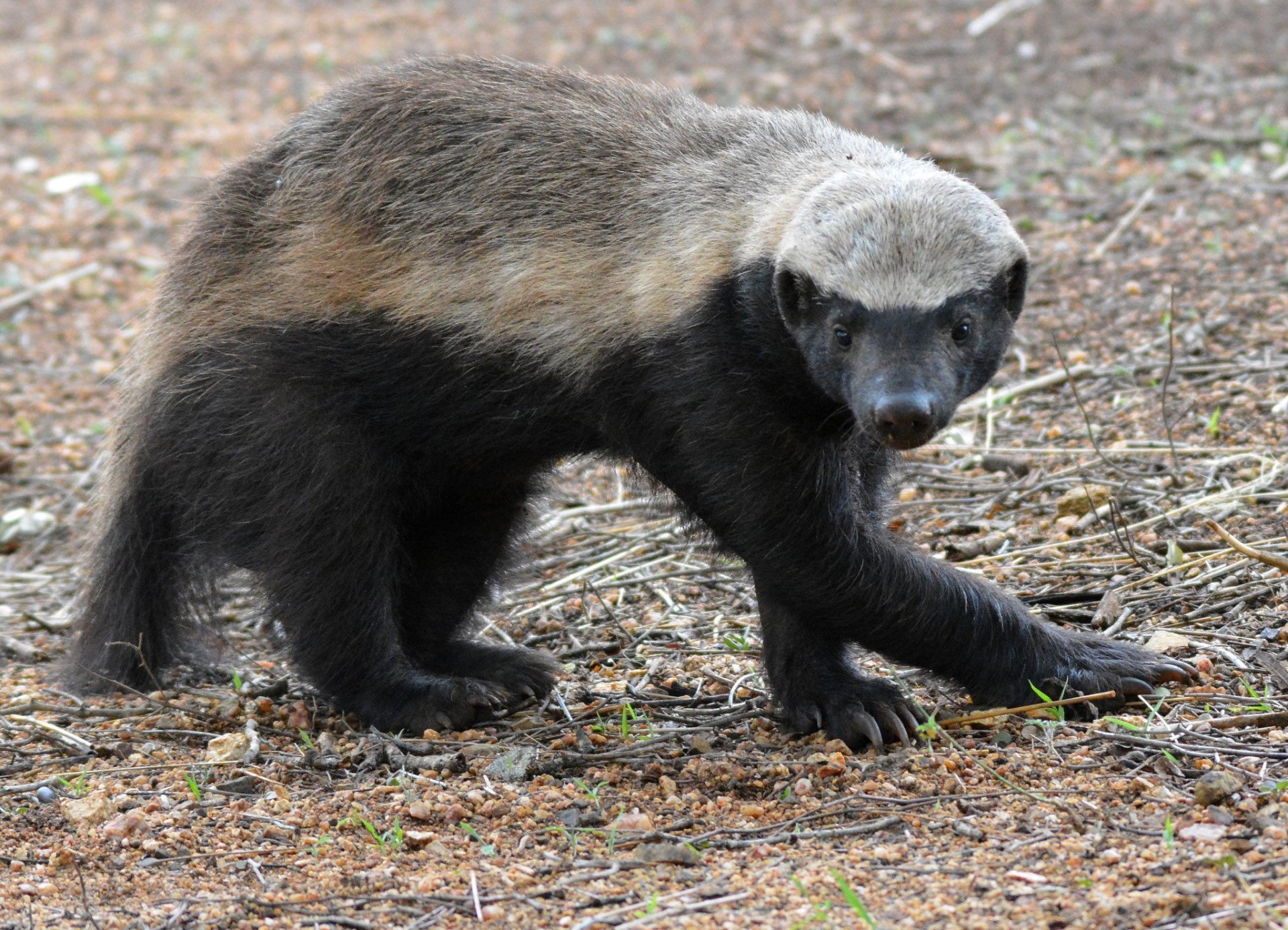
A honey badger’s genuinely thick, loose skin provides real protection against bee stings and the bites of prey animals, allowing them to twist and turn within their own skin during a confrontation to bite back at an attacker, a physical adaptation genuinely unusual among African mammals. Combined with powerful claws suited to digging and tearing, honey badgers possess a genuinely formidable defensive and offensive toolkit despite their modest overall size.
Honey Badger Diet and Feeding Behaviour
Honey badgers are genuinely versatile omnivores, feeding on insects, small mammals, reptiles, and famously honey and bee larvae raided from wild hives, a dietary breadth that reflects their opportunistic, adaptable nature. Their willingness to tackle venomous snakes, having developed genuine partial resistance to snake venom, sets them apart from almost every other African predator.
Honey Badger Behaviour and Social Structure
Honey badgers are primarily solitary animals, coming together only briefly for mating, with each individual maintaining and defending a genuinely large home range covered through consistent nightly foraging. This solitary, wide-ranging lifestyle, combined with their nocturnal habits, is a major reason honey badgers remain considerably harder to locate than more social or diurnal predator species.
Honey Badgers and the Honeyguide Bird Partnership
Honey badgers share a genuinely fascinating, if not fully scientifically confirmed, relationship with the greater honeyguide bird, which is thought to lead badgers to wild bee hives in exchange for access to leftover honeycomb and larvae once the badger breaks the hive open. This potential cooperative relationship between mammal and bird, while debated among researchers, adds a genuinely compelling layer to honey badger folklore across East Africa.
Best Time of Year for Honey Badger Sightings
Honey badgers are present in Uganda’s parks year-round given their resident status, making seasonal timing genuinely less important than time of day, with early morning and evening game drives offering the best odds of an unexpected sighting. See our Uganda best-time guide for how the country’s broader dry and wet seasons still affect wider trip planning.
Self-Drive vs Guided Safaris for Honey Badger Viewing
Given their genuinely elusive, nocturnal habits, a guided safari with experienced local knowledge offers real value in maximising honey badger sighting odds, though even experienced guides describe confirmed sightings as a genuine bonus rather than a reliably plannable encounter. Most visitors combine a chance honey badger sighting with a wider guided Uganda itinerary.
Photographing Uganda’s Honey Badgers
A honey badger encountered during early morning or evening light offers a genuinely rare, rewarding photographic opportunity given how uncommon confirmed sightings actually are. A mid-range zoom covers most sightings comfortably, similar to the gear recommended in our camera gear guide.
What to Pack for a Uganda Safari
Standard game drive gear – neutral clothing, sun protection, and binoculars – covers most of what the park requires. If your wider itinerary includes gorilla trekking, our gorilla trekking packing list covers that portion separately.
Honey Badger’s Ecological Role
As opportunistic predators of snakes, insects, and small mammals, honey badgers play a genuinely useful ecological role in controlling populations of species that might otherwise pose greater risk or agricultural pressure across the wider landscape. This role, combined with their fearsome reputation, makes honey badgers a genuinely fascinating, if underappreciated, part of Uganda’s wider ecological balance.
Combining Honey Badger Viewing With Uganda’s Wider Wildlife
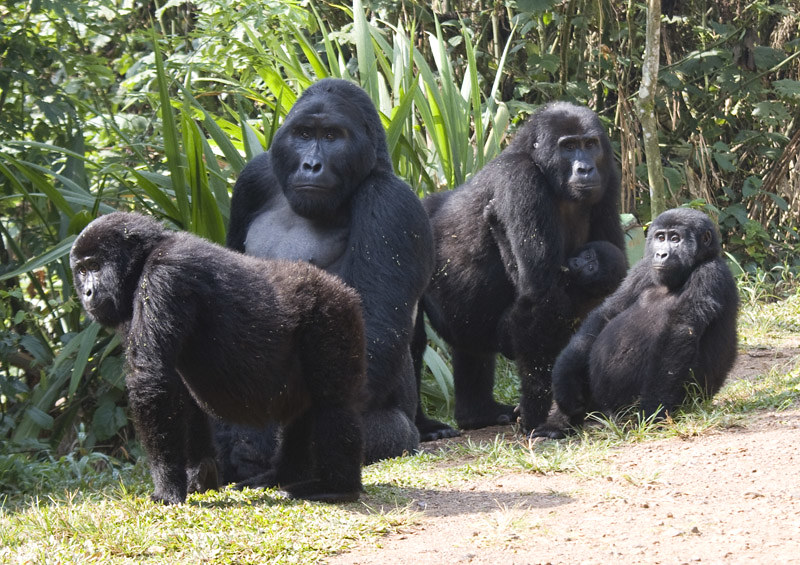
Honey badger sightings pair naturally with a wider Uganda itinerary covering Murchison Falls’ Big Five wildlife and gorilla trekking further southwest, giving travelers genuine variety across savannah, forest, and mountain habitats within a single well-planned trip.
Honey Badgers and Venom Resistance
Honey badgers have genuinely developed partial physiological resistance to snake venom, allowing them to survive bites that would kill most other mammals of comparable size, though this resistance isn’t absolute and a badger can still be genuinely harmed by a sufficiently severe envenomation. This adaptation, combined with their thick skin and aggressive temperament, makes honey badgers one of the few African mammals genuinely capable of successfully hunting venomous snakes as routine prey.
Cub Development and Maternal Care
Honey badger cubs remain dependent on their mother for a genuinely extended period compared to many similarly sized carnivores, learning essential hunting and foraging skills, including how to safely approach dangerous prey like snakes, before eventually becoming independent. This extended learning period reflects the genuine complexity of the skills young honey badgers must master to survive their species’ particularly confrontational lifestyle.
Honey Badger Territory and Scent Marking
Honey badgers maintain genuinely large individual territories marked through scent glands, with minimal direct territorial overlap between neighbouring individuals outside the breeding season. This solitary territorial structure, combined with their nocturnal habits, means two badgers rarely encounter each other except during mating, making the species genuinely more solitary than most African carnivores of comparable size.
Why Honey Badgers Are Culturally Significant Across Africa
Beyond Uganda specifically, honey badgers have achieved genuine internet-era fame across popular culture for their fearless reputation, though this modern notoriety builds on genuinely long-standing local folklore across much of sub-Saharan Africa, where the species has traditionally been respected and, in some cases, feared for its confrontational behaviour toward much larger animals and even humans in rare circumstances.
Comparing Honey Badgers to Other Small Uganda Carnivores
Uganda’s savannah parks also host several other small carnivore species, including serval-like cats and various mongoose species, though honey badgers’ genuinely distinctive fearless reputation and physical adaptations set them apart as one of the more behaviourally remarkable small predators found anywhere in the country.
Honey Badgers Alongside Murchison Falls’ Big Five
A honey badger sighting often occurs unexpectedly during game drives focused on Murchison Falls’ Big Five wildlife, adding a genuine bonus highlight to a day already covering the park’s more commonly sought headline species.
Best Lodges for Honey Badger Chance Sightings
Properties positioned within or near Murchison Falls or Queen Elizabeth National Park offer the best overall odds of an unexpected honey badger encounter, given both parks’ resident populations, though no property can genuinely guarantee a sighting given the species’ elusive nature.
Why Guides Genuinely Enjoy an Unexpected Honey Badger Sighting
Experienced Uganda guides frequently describe a confirmed honey badger encounter as among the more genuinely exciting unplanned moments of a game drive, precisely because of how rare and behaviourally distinctive the species is compared to the country’s more predictable, commonly sighted wildlife.
Getting to Uganda’s Honey Badger Territory
Both Murchison Falls and Queen Elizabeth sit within a comfortable drive of Uganda’s main tourism circuit, allowing travelers to combine a chance honey badger sighting naturally with a broader itinerary covering the country’s other headline wildlife and gorilla trekking opportunities further southwest.
What to Do if You’re Fortunate Enough to See One
If a honey badger is spotted, guides generally recommend remaining calm and quiet within the vehicle, allowing the animal to continue its natural behaviour undisturbed, since a startled honey badger may react defensively rather than simply moving away as more timid species typically would.
Frequently Asked Questions
Are honey badgers really that fearless?
Genuinely yes – documented behaviour includes confronting venomous snakes and standing ground against much larger predators including lion when cornered.
Where in Uganda can I see honey badgers?
Murchison Falls and Queen Elizabeth National Parks, though sightings remain genuinely uncommon given their elusive, nocturnal habits.
Are honey badgers dangerous to humans?
They can be genuinely aggressive if threatened or cornered, though they generally avoid human contact and pose minimal risk during standard game drives.
What do honey badgers eat?
A genuinely wide range including insects, small mammals, reptiles, and famously honey and bee larvae raided from wild hives.
What’s the best time of day to see a honey badger?
Early morning and evening, given their primarily nocturnal activity pattern, though confirmed sightings remain genuinely uncommon overall.
Ready to Plan Your Uganda Safari?
Whether spotting the elusive honey badger, the country’s famous Big Five wildlife, or a full Uganda itinerary combining gorilla trekking is your priority, our team can build a trip matched to your interests. Get in touch with our team below today and let’s start planning your complete Uganda safari itinerary together.



No comment