
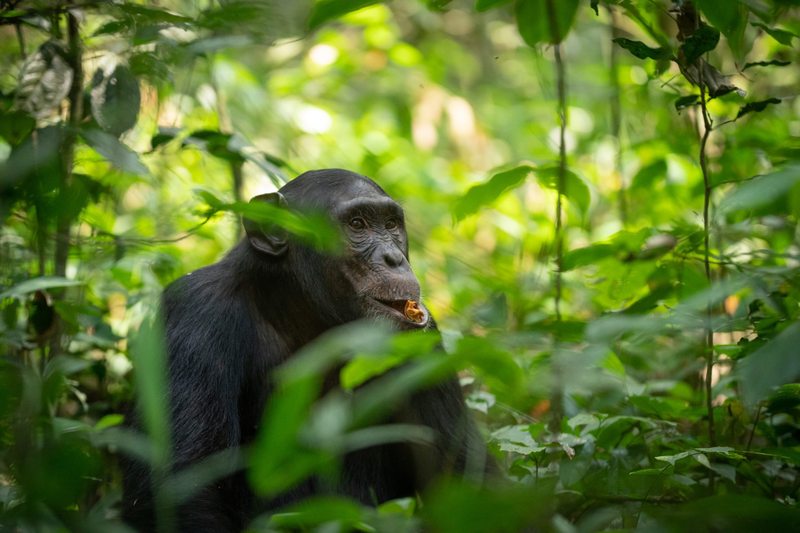
Kibale Forest National Park, in western Uganda, is widely considered the primate capital of East Africa – home to the largest population of habituated chimpanzees anywhere on the continent, alongside twelve other primate species, making it the country’s premier chimp trekking destination and a genuine highlight for anyone building a Uganda primate itinerary.
Why Kibale Is Uganda’s Top Chimp Trekking Destination
Kibale’s dense, mid-altitude tropical forest supports an estimated 1,500 chimpanzees, with several habituated communities available for tourist tracking, giving Kibale a genuinely higher chimp-sighting success rate than most other East African forests. The park’s relatively flat, well-maintained trail network also makes trekking here noticeably less physically demanding than gorilla trekking in Bwindi, a real consideration for travelers weighing both experiences on the same trip.
How Chimp Trekking in Kibale Works
Trekking groups depart from the Kanyanchu Visitor Centre early each morning, guided by experienced rangers who track the chimps using knowledge of the previous day’s nesting sites and current calls echoing through the forest canopy. Sightings typically last around one hour once a habituated community is located, giving visitors genuine time to observe feeding, grooming, and social behaviour up close, rather than a fleeting glimpse.
Chimpanzee Habituation Experience
Beyond standard one-hour trekking, Kibale offers a longer habituation experience, allowing visitors to spend a full morning with researchers following a community still being acclimatised to human presence. This extended format gives a genuinely deeper look at chimp behaviour across a longer stretch of their daily routine, from early morning nesting through to active foraging, and is a popular upgrade for travelers with a strong primate interest.
Best Time of Year for Kibale Chimp Trekking
Chimp trekking runs year-round in Kibale, since the park’s forest habitat and chimp population don’t follow the same seasonal patterns as savannah wildlife, though the dry seasons, roughly December to February and June to August, offer easier underfoot conditions on the forest trails. Wet-season trekking remains entirely viable and often quieter in terms of visitor numbers, just with muddier, more physically demanding terrain.
Kibale’s Other Primates
Beyond chimpanzees, Kibale holds eleven other primate species, including the red colobus, L’Hoest’s monkey, and the striking black-and-white colobus, giving the park genuine depth for travelers with a broader primate interest beyond chimp tracking alone. This diversity is part of why Kibale consistently ranks among Africa’s top primate-watching destinations independent of its chimp population specifically.
Combining Kibale With Queen Elizabeth National Park
Kibale sits within a comfortable drive of Queen Elizabeth National Park, making the pairing of chimp trekking and classic savannah game viewing one of the most popular combinations in western Uganda. Many operators route travelers through both parks on the same extended circuit, adding genuine variety to a single Uganda itinerary.
Kibale vs Nyungwe Forest for Chimp Trekking
Rwanda’s Nyungwe Forest offers a genuinely comparable chimp trekking experience, though Kibale’s larger habituated population generally gives it a slight edge in overall sighting reliability. Travelers building a wider East Africa itinerary sometimes choose between the two based purely on which country’s broader circuit, Uganda’s gorilla-and-savannah combination or Rwanda’s more compact primate-focused routing, better fits their overall trip.
Kibale vs Gorilla Trekking: Which Should You Prioritise?
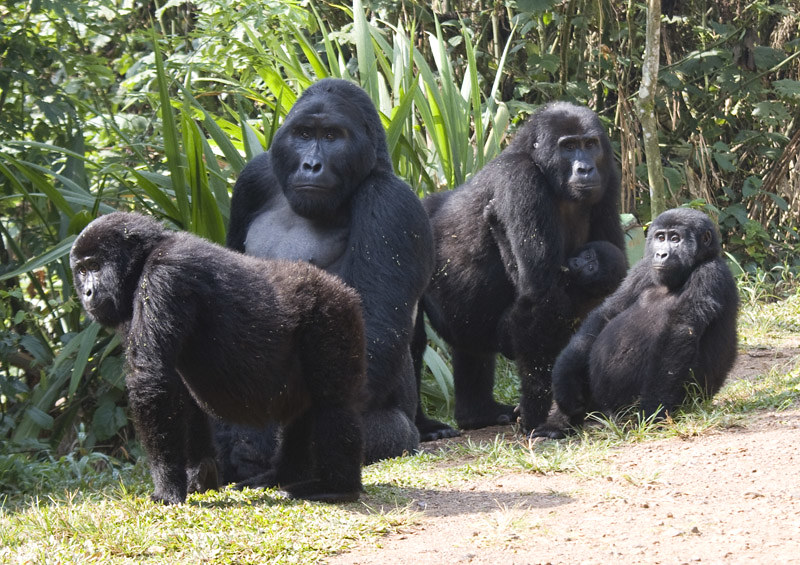
Chimp trekking in Kibale and gorilla trekking in Bwindi offer genuinely different experiences – chimps are considerably more active and vocal, moving quickly through the canopy, while gorillas tend toward calmer, more grounded viewing. Most serious primate enthusiasts build both into the same Uganda itinerary rather than choosing one over the other, given how complementary the two experiences actually are.
Permit Costs and Booking
Kibale chimp trekking permits are considerably more affordable than gorilla trekking permits, making it an accessible add-on even for travelers on a tighter budget, though booking in advance remains sensible given daily group size limits. See our gorilla and chimp trekking pricing guide for a full cost comparison across both experiences and all three countries.
Physical Fitness Required for Kibale Trekking
Kibale’s relatively gentle, well-established forest trails make chimp trekking accessible to a wider range of fitness levels than gorilla trekking’s often steep, unmarked terrain in Bwindi’s higher-altitude forest. That said, treks can still run for two to three hours depending on where the chimps are located that morning, so a reasonable baseline fitness level remains genuinely useful.
What to Pack for Kibale Chimp Trekking
Sturdy closed hiking shoes, a rain jacket given the forest’s genuinely unpredictable weather, and gardening-style gloves for handling vegetation on the trail all make a real difference to comfort. Our gorilla trekking packing list covers similar forest-trekking essentials applicable to Kibale as well.
Bigodi Wetland Sanctuary
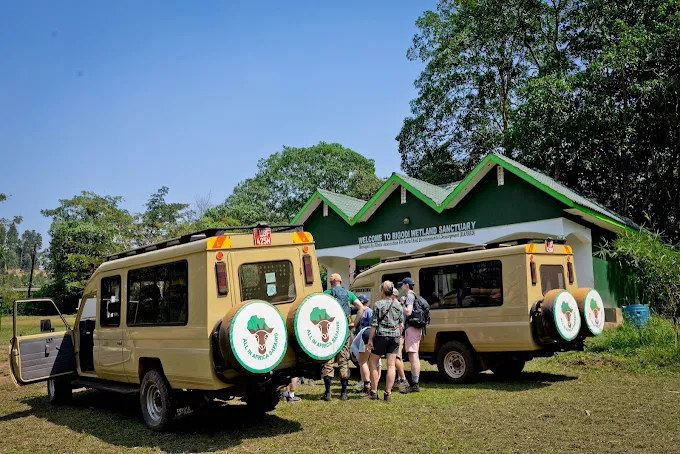
Just outside Kibale’s main park boundary, the community-run Bigodi Wetland Sanctuary offers excellent birding and additional primate sightings, including the striking black-and-white colobus, in a setting that also channels tourism revenue directly to the local community. It’s a popular half-day add-on for travelers with an extra morning or afternoon free around their main chimp trekking activity.
Habituation and Conservation in Kibale
Kibale’s chimp research programme is among the longest-running of its kind in Africa, with decades of behavioural data collected on habituated communities contributing significantly to broader scientific understanding of wild chimpanzee behaviour. This research legacy is part of why Kibale’s chimp tracking experience feels so consistently reliable, built on genuinely deep institutional knowledge of the park’s individual chimp communities.
Getting to Kibale Forest National Park
Kibale sits in western Uganda, reachable by road from Kampala in around five to six hours, or via a shorter connecting drive from Queen Elizabeth National Park for travelers combining both parks on the same circuit. A scenic domestic flight to nearby Kasese is also an option for travelers wanting to minimise overland travel time, particularly useful for shorter itineraries with limited days available for overland transfers.
Rules and Etiquette for Chimp Trekking
Standard forest etiquette applies to Kibale much as it does for mountain gorilla trekking – maintaining a respectful distance, keeping voices low, and staying with your guide’s group at all times. Visitors showing cold or flu symptoms are generally asked to postpone their trek, since chimps, like gorillas, are highly susceptible to human respiratory illness given how closely related the two species are to humans genetically.
Best Lodges Near Kibale Forest
Accommodation options near Kibale range from comfortable mid-range lodges to more luxurious forest-edge properties, most positioned within easy reach of the Kanyanchu Visitor Centre to minimise early-morning transfer time before trekking begins. Choosing a lodge close to the trailhead genuinely matters here, since treks depart early and a shorter transfer means more rest before a potentially demanding forest walk.
Photographing Kibale’s Chimps
Kibale’s dense canopy creates challenging low-light conditions, so a fast lens with a wide maximum aperture makes a genuine difference to image quality compared to standard daylight safari photography elsewhere. Chimps also move considerably faster than most savannah wildlife, particularly through the canopy, so a reasonably quick autofocus system and a willingness to shoot at a higher ISO than usual both pay off during an active trek.
Cultural Experiences Around Kibale
Communities bordering Kibale offer cultural walks and craft demonstrations that pair well with a morning or afternoon chimp trek, giving travelers insight into rural western Ugandan life alongside the park’s wildlife draw. These community-run experiences also channel tourism revenue directly to the people living alongside the park, reinforcing the same conservation-through-tourism model found at Bigodi.
Combining Kibale With a Wider Uganda Big Five Circuit
Kibale fits naturally into a longer itinerary alongside Murchison Falls’ Big Five circuit further north, giving travelers a genuinely complete Uganda experience spanning savannah predators, elephant herds, and forest primates within a single well-sequenced trip. Travelers building a full checklist sometimes add a stop at Ziwa Rhino Sanctuary too, rounding out both the Big Five and Uganda’s primate highlights in a single extended trip. See our Uganda Big Five guide for how operators typically sequence multi-park itineraries of this kind.
Frequently Asked Questions
Is chimp trekking in Kibale easier than gorilla trekking in Bwindi?
Generally yes, given Kibale’s flatter terrain and well-established trail network, though actual trek duration still depends on where the chimp community happens to be located that morning.
How much does a Kibale chimp trekking permit cost?
Considerably less than a gorilla trekking permit – see the pricing guide linked above for current permit costs across chimp and gorilla trekking in all three countries.
Can I do both chimp and gorilla trekking on the same Uganda trip?
Yes, this is one of the most popular combinations we build, typically pairing Kibale with Bwindi Impenetrable National Park further south on an extended itinerary.
What’s the difference between standard trekking and the habituation experience?
Standard trekking allows one hour with a habituated chimp community once located, while the habituation experience extends that to a full morning following a community still being acclimatised to human presence.
Is Kibale worth visiting if I’m not doing gorilla trekking?
Absolutely – Kibale’s chimp trekking and broader primate diversity stand entirely on their own as a genuine highlight, and many travelers visit specifically for the chimps without gorilla trekking elsewhere on the same trip.
Ready to Plan Your Kibale Chimp Trekking Safari?
Whether Kibale’s chimp trekking, the habituation experience, or a combination with Queen Elizabeth and gorilla trekking further south is your priority, our team can build a Uganda primate itinerary matched to your interests. Get in touch with our team below today and let’s start planning your Uganda safari together.

No comment