Every Zebra Has a Story
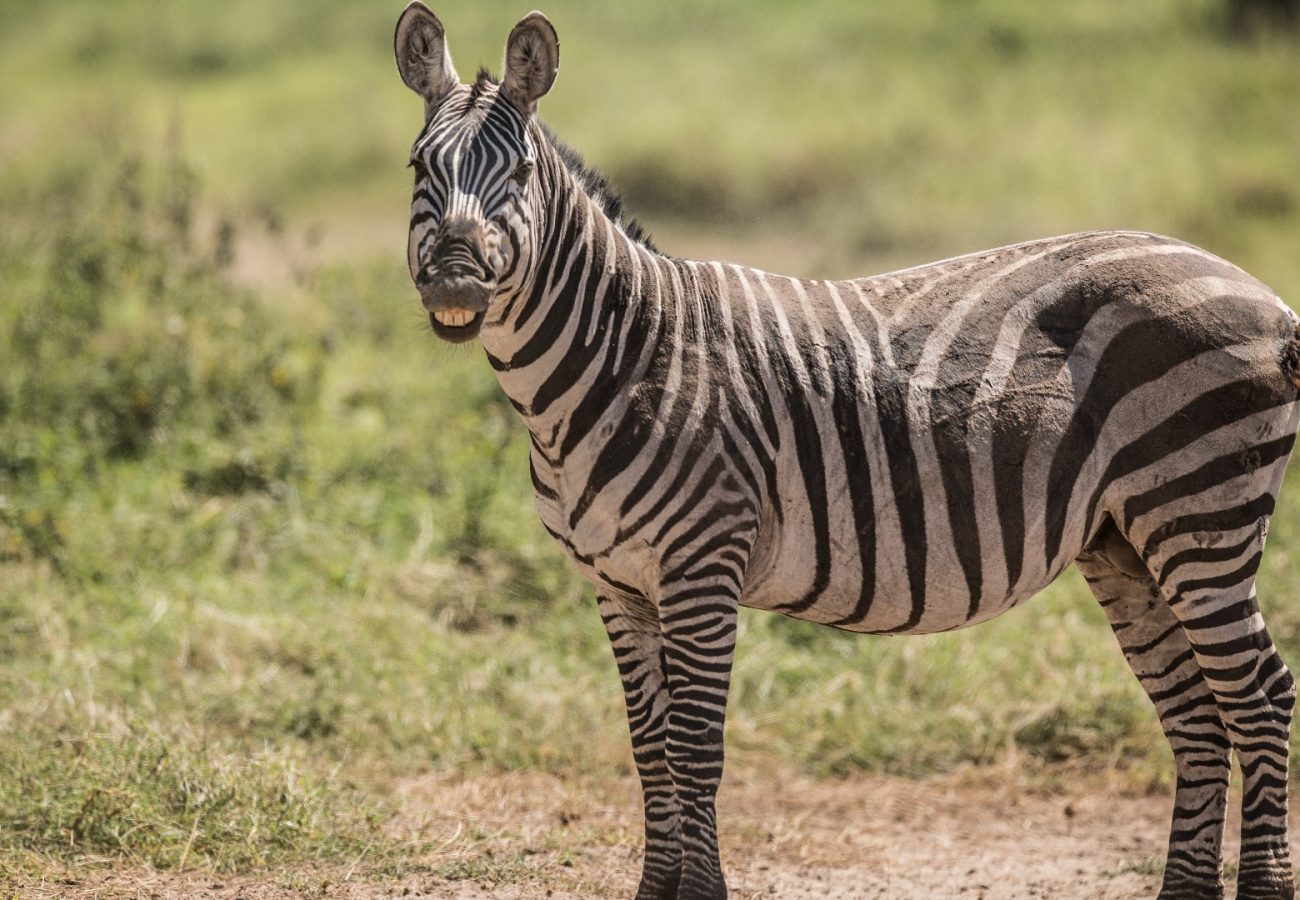
After spending years working in African national parks, wildlife rangers develop a different way of looking at animals. Visitors often see a herd of zebras grazing peacefully and continue driving in search of lions, elephants, or leopards. A ranger, however, may stop for several minutes, watching small movements that reveal something unusual. A flick of an ear, the way a stallion positions himself within the herd, or a foal refusing to leave its mother’s side can all tell a story.
During countless patrols across the savannah, rangers witness wildlife behaviour that rarely appears in documentaries or guidebooks. Some observations last only a few seconds, while others unfold over several hours. Many of these moments are never recorded by television cameras, yet they provide valuable insight into how zebras survive in an ever-changing environment.
The following notes are inspired by the kinds of unusual behaviours that experienced rangers regularly observe in the wild. They reveal that zebras are far more intelligent, adaptable, and socially complex than many people realise.
When an Entire Herd Suddenly Falls Silent
One of the most noticeable changes a ranger learns to recognise is silence.
A herd of zebras is rarely completely quiet. They communicate through snorts, barks, soft whinnies, and body language. Foals call to their mothers, stallions warn rivals, and family members constantly remain aware of one another.
Occasionally, all of those sounds disappear almost instantly.
A ranger immediately notices the change.
Instead of feeding, every zebra raises its head in the same direction. Their ears point forward, tails stop swishing, and their bodies become tense.
Interestingly, the danger is not always visible.
Sometimes a lion is hidden in tall grass several hundred metres away. Other times, the herd has detected the scent of a predator carried by the wind before it can be seen.
Visitors may spend several minutes searching the landscape without spotting anything unusual, while the zebras continue watching one specific area with complete concentration.
The silence itself becomes the warning.
The Mysterious Circle Around a Newborn Foal
One behaviour that surprises many first-time safari visitors occurs shortly after a foal is born.
Instead of immediately moving away, several mares may gather around the newborn, forming a loose protective circle. The foal struggles to stand while the adults remain alert to every movement nearby.
This behaviour serves an important purpose.
Newborn zebras can stand within minutes of birth, but they remain vulnerable during their first few hours of life. Lions, hyenas, and even large birds of prey may target weak young animals if given the opportunity.
The surrounding mares create a living barrier while the foal gains enough strength to walk.
Rangers often observe these protective groups during the foaling season, particularly in areas where predators are common.
Dust Baths That Look Like Play
On hot afternoons, zebras sometimes begin rolling enthusiastically on the ground.
To visitors, it often appears as though the animals are simply enjoying themselves.
There is certainly an element of comfort involved, but dust bathing serves several practical purposes.
Rolling in loose soil helps remove parasites, excess oils, and loose hair from the coat. Dust may also discourage biting insects that become more active during warmer months.
Young zebras often turn the activity into a game.
One foal begins rolling, another joins, and within minutes several youngsters are chasing one another through clouds of dust before returning to their mothers.
Rangers smile at these moments because they reveal the playful side of wildlife that many people rarely expect.
A Stallion That Refused to Leave an Injured Mare
Not every observation has a happy ending.
During one patrol, a ranger noticed a mare struggling to walk after what appeared to be a predator encounter or accidental injury.
The rest of the herd gradually continued moving toward better grazing areas.
One adult stallion remained behind.
For several hours, he stayed close to the injured mare, frequently scanning the surrounding landscape for danger. Whenever she attempted to stand, he remained nearby.
Eventually, the pair slowly caught up with the herd.
Scientists continue studying the emotional and social lives of zebras, but observations like these suggest that relationships within family groups may be stronger than previously believed.
Although survival often requires difficult decisions, moments of apparent loyalty are not uncommon in the wild.
The Alarm Call That Saved an Entire Herd
Experienced rangers quickly learn to recognise zebra alarm calls.
Unlike ordinary vocalisations used during grazing, alarm calls are louder, sharper, and repeated several times.
One afternoon, a stallion suddenly produced a series of loud barks while staring toward a patch of thick bushes.
Within seconds, every zebra stopped feeding.
Foals moved closer to their mothers.
Adults gathered together before quietly changing direction and leaving the area.
Only after the herd disappeared did a young lion emerge from the bushes where it had been resting.
The predator never had an opportunity to launch an attack.
Early detection had given the zebras enough time to avoid danger completely.
Unexpected Friendships with Other Species
Rangers often observe zebras travelling alongside other herbivores.
Wildebeest are perhaps their most common companions, especially during the Great Migration across Kenya and Tanzania. The two species benefit from one another because they feed on different parts of the same grass and increase the number of animals watching for predators.
Occasionally, zebras also move with giraffes, impalas, elands, or ostriches.
Each species contributes different strengths.
Giraffes detect predators from greater distances because of their height.
Zebras possess excellent hearing.
Antelopes often react quickly to movement.
Together, these mixed groups improve the chances of survival for everyone involved.
Curious Foals That Ignore the Rules
Young zebras are naturally curious.
Rangers occasionally observe foals wandering away from the safety of their mothers to investigate birds, butterflies, tortoises, or even parked safari vehicles.
Most of these adventures last only a few moments.
A watchful mare quickly retrieves the youngster before curiosity leads it into unnecessary danger.
These playful explorations help young zebras learn about their environment while gradually developing independence.
Watching a foal investigate the world reminds visitors that wildlife experiences many of the same stages of growth seen in other mammals.
Standing Guard Through the Night
Although visitors rarely remain inside national parks after dark, rangers conducting night patrols witness different patterns of zebra behaviour.
Rather than every individual sleeping deeply at the same time, members of the herd take turns remaining alert.
Some continue scanning the surroundings while others rest.
This rotating vigilance allows the herd to respond quickly if predators approach under the cover of darkness.
Lions, hyenas, and leopards are most active during the night, making constant awareness essential.
The system demonstrates the importance of cooperation within zebra society.
Strange Reactions Before a Storm
One behaviour that continues to fascinate many rangers occurs shortly before heavy rain arrives.
Hours before the first drops begin falling, zebras sometimes become restless.
They may stop feeding, begin travelling more quickly, or gather into tighter groups despite the absence of any visible threat.
Scientists continue investigating how animals detect approaching weather systems.
Some researchers believe they respond to changes in air pressure, humidity, distant thunder, or shifting wind patterns.
Whatever the explanation, experienced rangers often joke that zebras can predict rain better than weather forecasts.
Learning to Recognise Individual Personalities
The longer a ranger works in one protected area, the easier it becomes to recognise individual animals.
Certain stallions consistently display bold behaviour, confidently leading their families through open areas.
Some mares appear particularly cautious, frequently checking their surroundings before allowing their foals to graze.
Young males often become adventurous, testing their strength against one another through playful sparring.
These repeated observations suggest that zebras possess distinct personalities rather than behaving as identical members of a herd.
Recognising individuals also helps researchers monitor health, breeding success, injuries, and long-term survival.
The Importance of Patient Observation
Most unusual zebra behaviour is easy to miss.
Visitors who spend only a minute or two watching a herd may see nothing more than animals eating grass.
A ranger who remains in the same location for thirty minutes or an hour often witnesses a completely different story.
Subtle interactions become visible. Communication between family members becomes clearer.
Changes in posture reveal approaching danger. Young animals become playful.
Dominant stallions quietly reinforce their position without fighting. Patience transforms an ordinary wildlife sighting into an unforgettable lesson about animal behaviour.
Every Safari Offers Something New
No two days in the African wilderness are ever exactly the same.
A ranger may spend weeks observing predictable grazing behaviour before witnessing something completely unexpected that changes existing knowledge about zebra society.
That uncertainty is one of the reasons wildlife conservation remains so fascinating.
Every observation contributes another piece to the larger picture of how these remarkable animals survive in challenging environments.
For safari visitors, slowing down and spending a little more time watching a zebra herd can reveal details that many people drive straight past. The next unusual behaviour might last only a few seconds, but it could become the most memorable wildlife encounter of the entire journey.