Community-Led Conservation: Shoebill Guardians
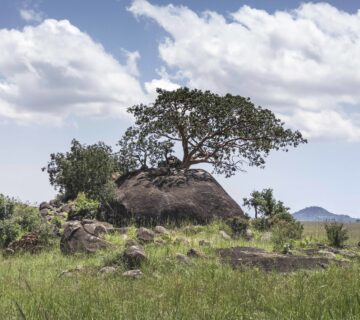
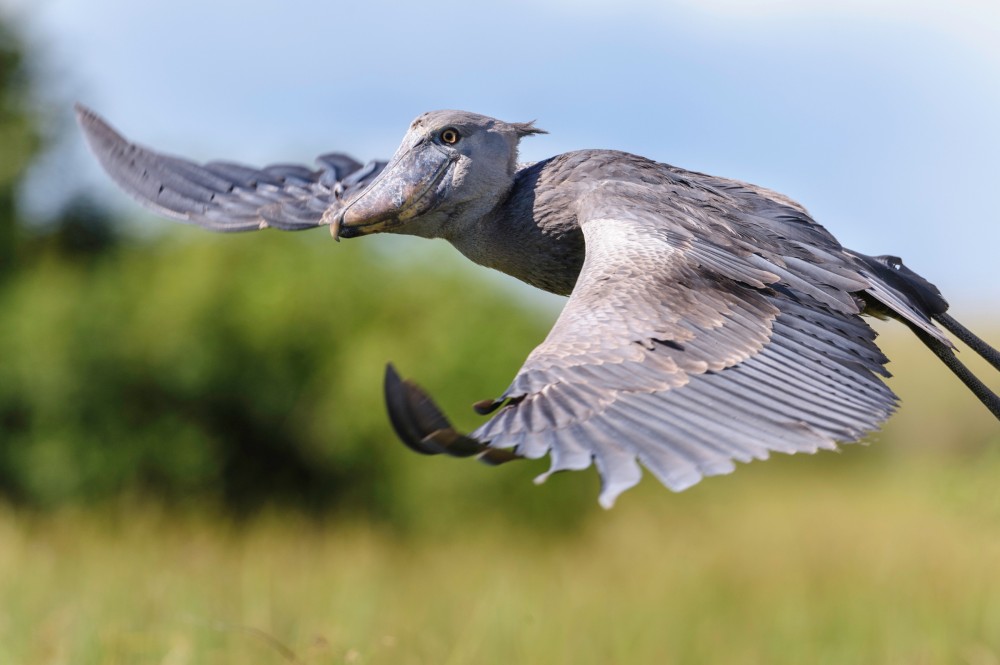
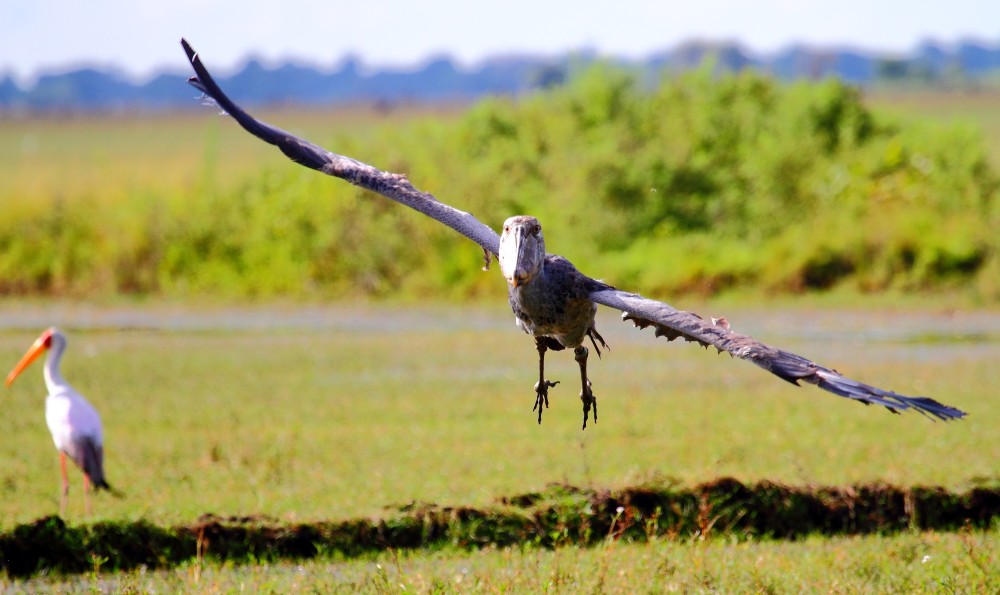
The African shoebill is an amazing bird. It is very tall, over one meter. Has a big shoe-shaped bill. It is also very calm and quiet, which is why a lot of people who love birds take pictures and want to protect them think it is so great. You can find the shoebill in Uganda’s wetlands, like around Mabamba and Murchison Falls National Park, and other swampy areas.
Even though the African shoebill is so well known, it is in trouble. People are destroying its home, the wetlands, and this is making it hard for the bird to survive. They are also fishing in ways disturbing the bird, making the water dirty and changing the weather. The government and people who want to protect the environment are trying to help. There is another group that is very important to the bird’s survival. This group is the community.
Community-Led Conservation: Shoebill Guardians shows that when local people help take care of the environment, it works better. In Uganda, regular people like fishermen, tour guides, teachers, village leaders, and young volunteers are showing that when communities are involved, conservation is more successful.
The African shoebill needs wetlands to survive.
The bird cannot live anywhere; it needs special places with shallow water, lots of plants, and plenty of food like lungfish, catfish, frogs, snakes, and small reptiles.
These wetlands are not just important for the shoebill; they are also important for people. They help keep the water clean, stop flooding, store carbon, support fishing and give people the things they need to live. When the wetlands are destroyed both the bird and the people suffer.
Unfortunately people are still destroying the wetlands by farming, building draining the water and making the area dirty. Every time a wetland is destroyed it becomes harder for the African shoebill to find a place to live and have babies.
This is why the community is so important. Just protecting some areas is not enough to save the shoebill. The birds home is not just in parks but also in areas where people live and work.
The people who live near the wetlands see what is happening every day. They know when the water level changes, where the birds nest and when people are disturbing the area.
When local people help with conservation they are the first to stop things from happening. They know things that scientists may not know. This helps make conservation plans stronger.
This way of doing things makes conservation a team effort.
Some fishermen are now helping to protect the shoebill. They spend a lot of time in the wetlands. Often see the birds. Of bothering them the fishermen are now helping to count how many birds there are and telling people when the birds are, in danger.
Some fishing communities are choosing not to fish in areas where the African shoebill is having babies. They are also not using fishing methods that hurt the wetlands or reduce the number of fish that the birds need to eat.
These things may seem small. They are making a big difference. They are helping to create places for the African shoebill to eat have babies and grow up.
Ecotourism Creates New Opportunities
Tourism is a reason to protect the homes of shoebills.
People come from around the world to Uganda to take pictures of these birds.
Local people who operate boats guide tourists provide places to stay sell things and offer transportation services all benefit from people visiting to see the wildlife.
When people in these communities see that they can make money from wetlands they are more likely to want to protect the wildlife.
It becomes an investment for them instead of something that gets in the way of how they live.
Many local guides now teach visitors how to watch birds in a way that does not hurt them.
They tell people to be quiet and stay away from birds that are nesting or eating.
This way tourism helps to protect the wildlife of hurting it.
Education Inspires the Next Generation
Kids often become the helpers when it comes to protecting wildlife.
Schools near wetlands are now teaching kids about the environment in their classrooms.
Kids learn about the wetlands, the kinds of plants and animals that live there and why we need to protect them.
Some schools have clubs that get kids involved in taking care of the environment.
They plant trees clean up the wetlands go on birdwatching trips and start campaigns to protect the wildlife.
These clubs get kids and their families involved.
When kids grow up learning about the importance of wetlands they are more likely to make choices when they are older.
When we teach kids about the environment when they are young they are more likely to want to protect it.
Women Strengthen Conservation Efforts
Women play a role, in many communities that live in wetlands.
They get water collect food, farm and are now leading efforts to protect the environment.
Womens groups often organize cleanups, plant trees. Teach people about how to take care of the environment.
Some groups find ways for people to make money like making things by hand keeping bees, fishing or farming in a way that does not hurt the environment.
This helps people to make a living without hurting the wetlands.
When we help women we help the community.
When we help the community we can protect the environment better.
Local Knowledge Supports Scientific Research
Scientists need to watch the wildlife to understand how they live.
Local people can help with this by sharing what they know.
People who live in the wetlands often notice changes before scientists do.
They know where the birds like to eat, when the water changes and how the weather affects the wetlands.
When we combine what scientists know with what local people know we get an understanding of how to protect the environment.
Local people do not replace scientists they just help to make their work better.
Building Sustainable Livelihoods
We can only protect the environment if people can make a living without hurting it.
Many organizations are now helping people to find ways to make a living that do not hurt the wetlands.
These new ways include farming fish raising chickens growing mushrooms and making things in a way that does not hurt the environment.
When people have ways to make a living they do not have to do things that hurt the wetlands.
When people are able to take care of themselves they are more likely to want to protect the environment.
Facing Challenges Together
We have made some progress but there are still many challenges.
More people are being. That means we need more land and resources.
The weather is. That affects the water levels that shoebills need to survive.
There is also a lot of trash and animals that do not belong in the wetlands are moving in.
People are building more things, which hurts the environment.
We need to work to solve these problems.
We need governments organizations that protect the environment, scientists, businesses and local people to all work
No one group can solve all the problems by themselves.
When we work together we can share what we know and what we can do to protect the environment.
Every Visitor Has a Role
Conservation is not just for scientists or people who live near Ugandas wetlands. Every visitor to Ugandas wetlands can help make a difference.
When you visit Ugandas wetlands you can do things to help. Choosing a guide who knows what they are doing helps the people who live in the community. Keeping a distance from the animals helps reduce stress on them. Not littering helps keep the homes of the animals clean. Sharing pictures of the animals in a way helps people learn about them without hurting them.
When tourists respect the wetlands they become partners in helping to protect them than just people watching.
Small things that visitors do when added up can make a positive difference over time.
Hope Through Shared Responsibility
A lot of the time people talk about how many animalsre disappearing and how the environment is being hurt.. These are real problems.. There are also reasons to feel hopeful.
In Uganda communities are showing that when local people lead the way they can make a positive difference in helping to protect the environment. Wetlands that were in trouble are now being protected better. People are learning more about them and tourism is helping the communities in a sustainable way.
The future of the shoebill depends on people working together.
When the government makes rules to help and scientists give advice and organizations that help the environment provide expertise and tourism brings in money in a way and communities work hard every day to protect the environment it is possible to make a big positive difference.
This is not about the shoebill. Protecting the wetlands helps birds, fish and other animals and keeps the water clean and the ecosystems healthy for future generations.
A Future Worth Protecting
Community-Led Conservation: Shoebill Guardians reminds us that helping to protect animals is really about people taking care of the places they call home. The shoebill cannot protect its home from being hurt. It needs people to make decisions every day.
Luckily many communities have chosen to take care of the environment of hurting it. This shows that helping to protect the environment works best when local people lead the way and everyone works together.
Every healthy wetland, every nesting season and every visitor who is lucky enough to see a shoebill tells the same story. Helping to protect the environment works when people and nature thrive together.
The future is not certain. It is hopeful. As more communities make choices teach their children and protect the wetlands the shoebill has a better chance of surviving.
The communities in Ugandas wetlands are an example of how ordinary people can make a big positive difference. Through work, cooperation and respect, for nature Community-Led Conservation: Shoebill Guardians shows a powerful way for people to secure a future where both communities and the shoebill can thrive.