A Quiet Afternoon on the African Plains
The African savannah is a place where every moment carries a hidden story. To a visitor, a wide grassland filled with golden grass, scattered trees, and distant animal movements may look calm and peaceful. However, beneath that peaceful setting is a constant struggle for survival. Every animal is making decisions based on hunger, safety, and the need to survive another day.
On this particular afternoon, a small herd of ten zebras became part of one of the most dramatic scenes that can unfold in the wild. The zebras were grazing across an open section of the plains, moving slowly as they searched for fresh grass. The warm afternoon sun covered the landscape, and the herd appeared relaxed.
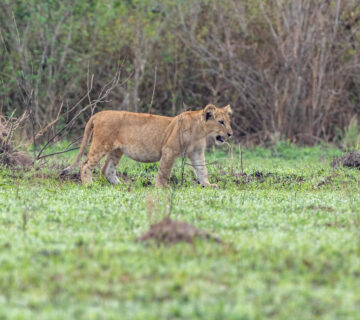
Unknown to them, a lioness was nearby.
The predator was watching from a hidden position, carefully studying the herd’s movements. She was alone, but her presence changed the entire atmosphere. The peaceful afternoon was about to become a test of patience, awareness, and survival instincts.
The Beauty and Danger of the Savannah
The savannah is a landscape of contrasts. It provides animals with everything they need to live, including water, food, and open spaces for movement. At the same time, those same open spaces expose animals to predators that are always searching for opportunities.
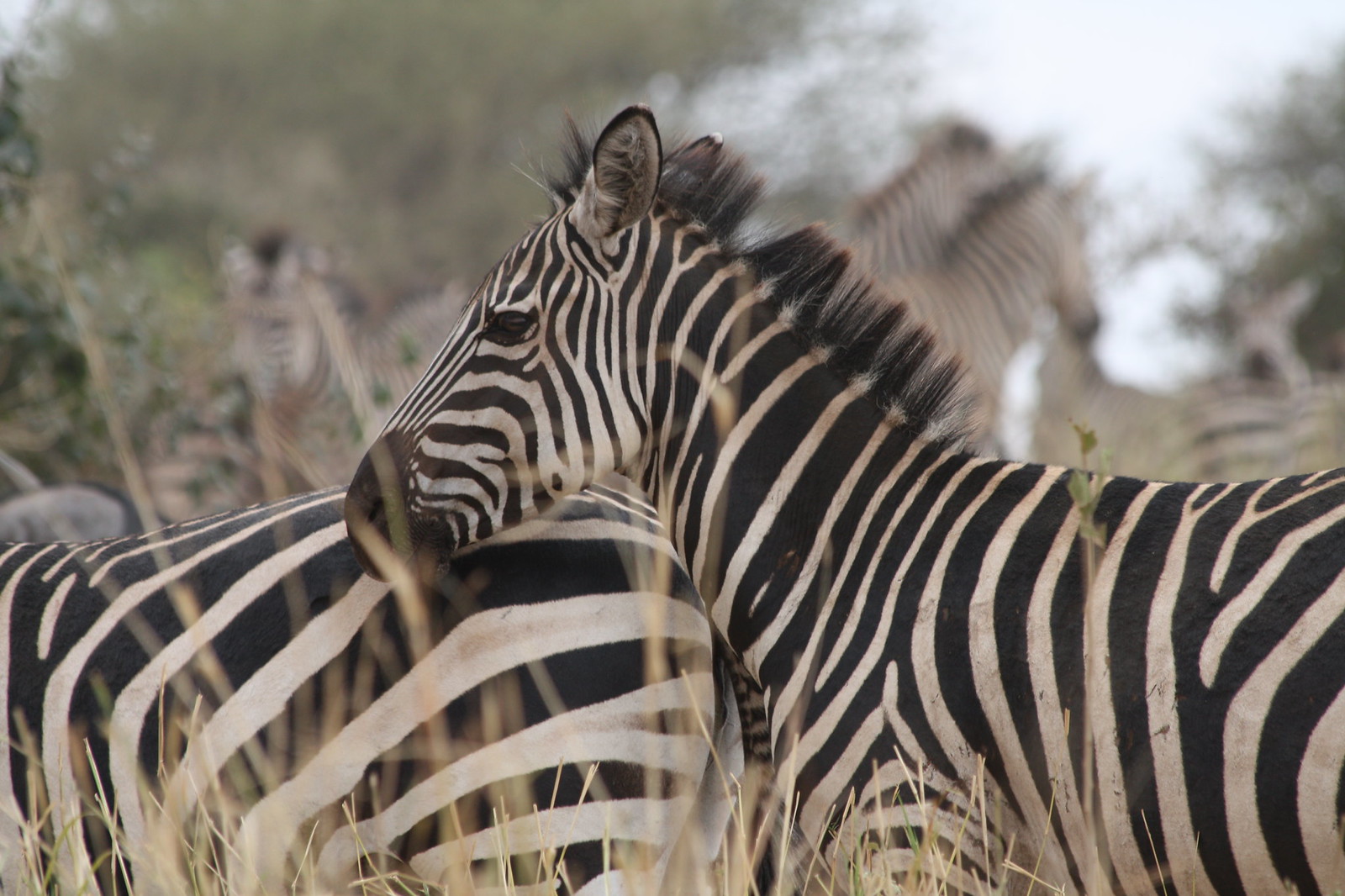
Zebras are among the most recognisable animals in Africa. Their black and white stripes make them easy to identify, but their survival depends on much more than their appearance. They are strong, fast, social animals that have developed impressive ways of protecting themselves from predators such as lions, hyenas, and wild dogs.
A zebra’s greatest advantage is its ability to detect danger early. Their eyes are positioned in a way that allows them to see wide areas around them while grazing. They also have excellent hearing and a strong sense of awareness within the herd. While some zebras feed, others often remain alert, watching the surroundings for unusual movement.
The lioness, however, is also perfectly adapted for survival. Lions are powerful hunters that rely on patience, strength, and timing. A successful hunt does not always depend on speed. Often, it depends on choosing the right moment when a prey animal becomes distracted, separated, or too slow to react.
The Lioness Begins Her Silent Approach
The lioness moved carefully through the grass, keeping her body low to the ground. Every movement was controlled. She avoided unnecessary steps that could reveal her location and watched the zebras closely.
A lion’s approach is a careful process. Running too early gives prey enough time to escape. Moving too quickly creates noise and attracts attention. The lioness needed to reduce the distance while remaining unnoticed.
The zebras continued feeding. Some lowered their heads to graze while others stood nearby, occasionally looking across the plains. At first, nothing seemed unusual. The herd had probably experienced many moments of uncertainty before, but this time the danger was closer.
The lioness was not attacking immediately. She was waiting.
Predators often spend more time observing than chasing. The energy required for a hunt is significant, and a failed attempt can leave a lion exhausted. Every decision matters because wasting energy can affect future survival.
The Moment the Zebras Sense Danger
The first sign of trouble came when one zebra lifted its head. Something had changed. It may have noticed movement in the grass, caught the scent of the lioness, or simply sensed that something was wrong.
Animals in the wild often react to small details that humans may not notice. A slight movement in vegetation, a change in bird behaviour, or an unfamiliar sound can signal danger.
The zebra stood still, staring toward the area where the lioness was hiding. Within moments, the other zebras became more alert. Their relaxed feeding pattern changed as they began watching their surroundings.
The herd moved closer together. This was not panic. It was preparation.
Zebras understand that staying together increases their chances of survival. A lone zebra is more vulnerable, but a group can confuse predators and protect weaker members. The ten zebras formed a stronger unit, making it harder for the lioness to identify an easy target.
A Battle Between Patience and Awareness
The next few minutes created an intense stand-off between predator and prey. The lioness remained focused while the zebras watched carefully.
Neither side wanted to make the first mistake.
For the lioness, the challenge was finding a weakness. She needed one zebra to separate from the group, move too far away, or lose concentration. A healthy adult zebra is difficult to bring down, even for a powerful predator.
For the zebras, the challenge was maintaining awareness without wasting energy. Running too early could leave them tired and vulnerable later. Staying too long could allow the lioness to move closer.
The tension on the plains was almost impossible to miss. The herd was aware of danger, but the predator had not yet committed to an attack. The afternoon remained quiet, but every animal involved was making important decisions.
The Lioness Makes Her Move
Eventually, the lioness decided the opportunity was worth taking. She lowered herself further into the grass and prepared for action.
The calm scene changed instantly.
With a sudden burst of speed, she charged toward the zebras. Dust rose from the dry ground as the herd reacted immediately. The zebras ran together, their powerful legs carrying them across the open plains.
The chase showed the difference between predator and prey. The lioness depended on explosive speed and surprise. The zebras depended on teamwork, endurance, and quick reactions.
The herd did not scatter in different directions. Instead, they stayed together, making it difficult for the lioness to focus on one individual. Their stripes moved across the landscape as a single group, creating confusion during the chase.
The lioness followed for a short distance, testing the herd and looking for a weakness. However, the zebras maintained their speed and position.
The opportunity disappeared.
Why Zebras Are Difficult Prey for Lions
Many people assume zebras are easy targets because they are common across African grasslands. However, hunting a zebra is a dangerous task even for experienced predators.
Zebras are strong animals with powerful muscles and sharp defensive kicks. A kick from a zebra can seriously injure or even kill a predator. Their speed also gives them an advantage during a chase, especially when they have enough open space to run.
Their social behaviour is another important defence. A group of zebras provides many eyes watching for danger. When one animal notices a threat, the entire group can react quickly.
This is why lions often choose their targets carefully. A successful hunt usually depends on finding a vulnerable animal rather than simply chasing the closest one.
The Life of a Lioness After a Failed Hunt
A failed hunt is a normal part of life for a lioness. Lions do not succeed every time they chase prey. In fact, many hunting attempts end without a meal.
The lioness must now continue searching for another opportunity. She may rest during the hottest hours of the day, conserve energy, and begin searching again when conditions are better.
Hunting requires patience. A lioness may spend hours tracking animals before finding the right chance. Experience helps her understand how different prey species behave and when to make a move.
Every attempt provides valuable lessons about timing, distance, and strategy.
The Zebras Return to Their Routine
After escaping, the zebras eventually slowed down and returned to normal behaviour. The immediate danger had passed, but they remained cautious.
Wild animals do not forget threats easily. A previous encounter with a predator can influence future behaviour. The zebras continued monitoring their surroundings while returning to feeding.
For visitors watching such a scene during a safari, moments like this reveal the true nature of wildlife. Animals are not simply moving through the landscape. They are constantly responding to their environment and making decisions that determine whether they survive.
Experiencing Wildlife Encounters on Safari
Encounters between predators and prey are among the most memorable experiences on an African safari. They show the reality of nature without any human interference. A visitor may spend hours watching animals peacefully grazing, only to witness a sudden change that reveals the challenges of life in the wild.
The best safari experiences often come from patience. Wildlife does not follow a schedule. A dramatic moment can happen at sunrise, during the afternoon heat, or just before sunset.
A scene involving ten zebras and one lioness may last only a few minutes, but it tells a much bigger story about survival, adaptation, and the relationship between predators and prey on the African plains.
The savannah may appear quiet, but every day brings new encounters. Every animal has a role, every decision has consequences, and every moment offers a glimpse into the fascinating world of Africa’s wildlife.