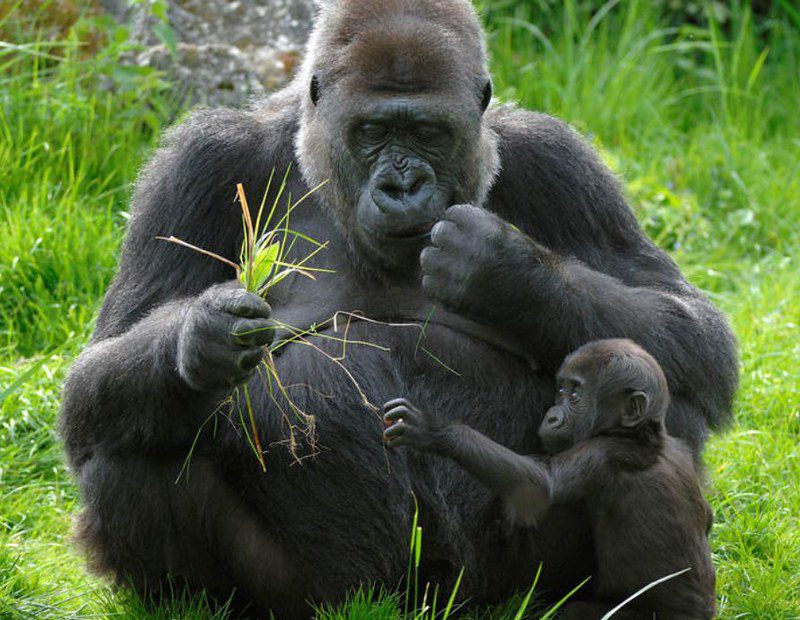
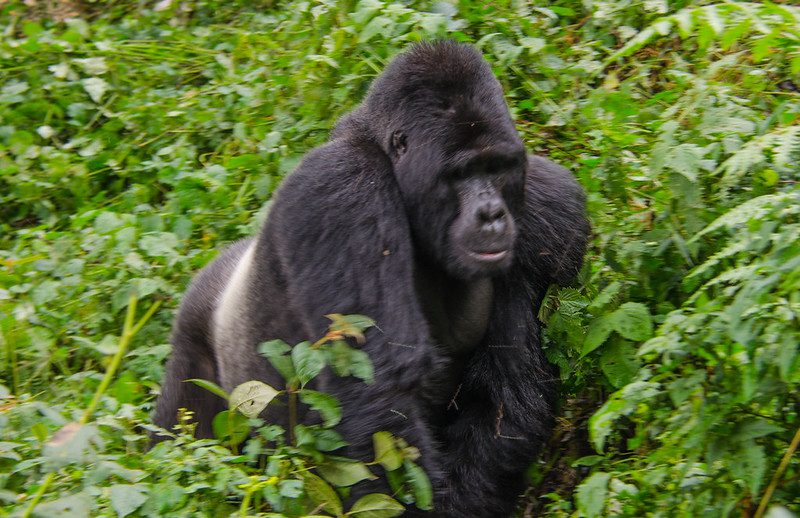
Is mountain gorilla trekking in June the same as mountain gorilla trekking in February?
Is trekking for mountain gorillas in June and February the same thing? Since you still travel the same gorillas in the same habitat, we would like to believe that the experience is the same even though the months spent mountain gorilla trekking varies. Therefore, aside from the months, we don’t believe there are many differences.
In East Africa, mountain gorilla trekking is a well-liked safari activity, particularly in Rwanda, Uganda, and the Democratic Republic of the Congo. Any of the mountain gorilla habitats—Volcanoes National Park in Rwanda, Virunga National Park in the Democratic Republic of the Congo, and Bwindi and Mgahinga National Parks in Uganda—can be visited during this safari adventure.
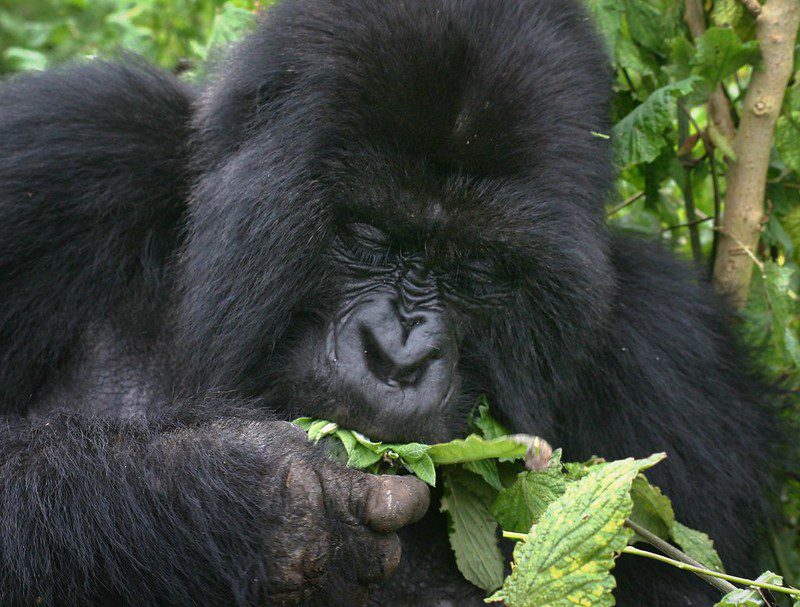
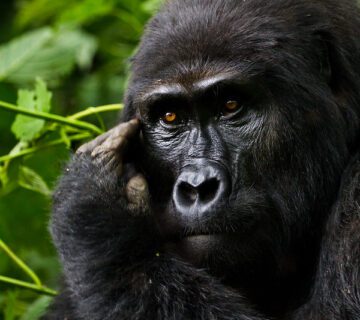
At these habitats, you hike through hilly forests until you reach the gorillas, where you spend an hour watching, photographing, learning about, and simply enjoying them.
Following the hour, you leave the forest and hike back to the starting location, where you receive a briefing before continuing on to your own plans.
In essence, whether it is in February or June, that is what takes place during a mountain gorilla trekking excursion.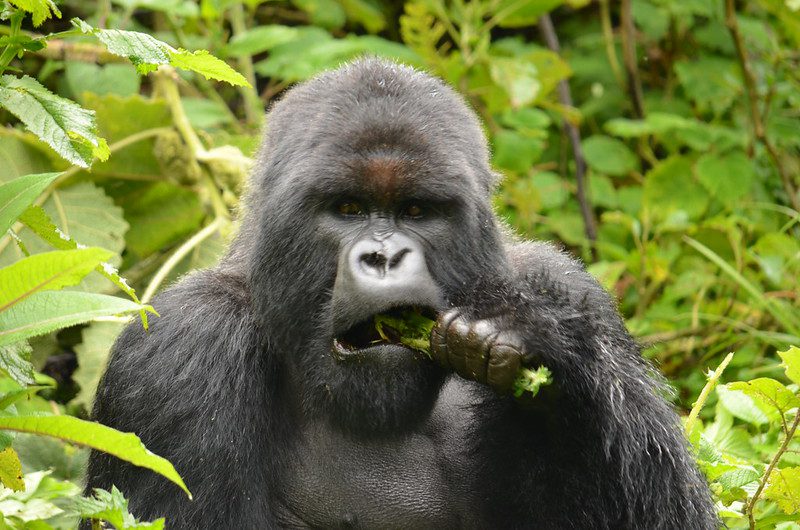
but only to draw attention to the differences during these months.
In terms of weather, February is a wet month with occasional showers, whereas June is a fairly dry month with virtually no rain. However, they are manageable because they are not heavy.
In terms of tourism, June is the busiest month for safaris, therefore there will be more people hiking for mountain gorillas than in February, which is a low tourist month, meaning fewer people are visiting the parks and trekking.
Permit costs: Unless there is a promotion, the costs of permits are the same for both months. The cost of a mountain gorilla trekking permit is the same throughout.
Is trekking for mountain gorillas in June and February the same thing?
Regarding gorilla behavior, during the rainy season, gorillas will venture far into the forest to seek shelter from the rain and water; during the sunny season, they will not venture as far. In other words, the February walk can be lengthier than the June trek.
Regarding park admission, you can enter a mountain gorilla park in either June or February. The problem is that if you didn’t reserve your trekking permits in advance, it can be difficult to find them in June. The situation might be the same in February, but as it’s a slow safari season, you might be lucky and find some mountain gorilla trekking permits quickly.
In terms of trekking mountain gorillas, those are the differences we observe that might exist between June and February; nonetheless, we guarantee that the experience is the same and that everything you do is the same.
Among other things, you must follow the same rules, which include not trekking when ill, keeping a 7-meter distance from the gorillas, not doing anything that could hurt them, not coughing or sneezing in their direction, not feeding them, not touching them, not using flash photography, and not making amusing noises in front of them.
As you can see from the previous reasons, there isn’t much of a difference between hiking with mountain gorillas in February and June.
Having said that, you should be aware that trekking for mountain gorillas is possible throughout the year in all three of the nations where they are found.
Why This Question Comes Up So Often
Given how much marketing language around “best time to visit” circulates online, it’s genuinely understandable that travelers wonder whether a February trek somehow delivers a lesser experience than a June one, when in reality the core encounter, an hour face to face with a wild gorilla family, remains fundamentally the same regardless of season.
Which Month Genuinely Suits Which Kind of Traveler
June suits travelers who prioritize easier, shorter trekking distances and don’t mind sharing the trail with more visitors, while February rewards budget-conscious travelers and those seeking a quieter, more solitary trekking experience, even if it sometimes means a longer walk. All in Africa Safaris can help weigh this trade-off against your own travel priorities.
How Permit Availability Actually Differs Between the Two Months
While permit pricing stays constant, June’s status as peak season means permits genuinely sell out faster and further in advance, making early booking considerably more important than it is for a February trip where last-minute availability remains more realistic.
What Rainy Season Trekking Actually Feels Like
February’s occasional showers rarely mean an entire day of rain, more commonly brief spells that pass quickly, though muddier trails and the possibility of a somewhat longer trek are worth mentally preparing for compared to June’s drier conditions.
Packing Differences Worth Considering Between Seasons
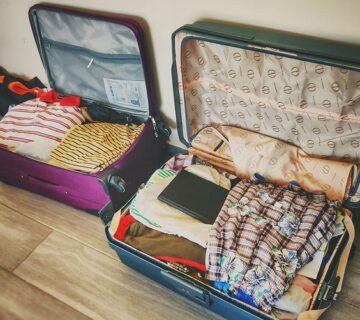
A February trek warrants slightly more emphasis on waterproof gear, a quality rain jacket and waterproof boot covers, while June’s drier conditions shift priority toward sun protection and dust management, though both months call for the same core gorilla trekking essentials.
Why Some Experienced Trekkers Deliberately Choose February
Beyond lower permit competition, February visitors consistently describe the forest’s lush, rain-fed greenery and a genuinely more solitary trekking experience as compensation worth the slightly higher chance of rain and longer walking distance.
Booking Your Trek Regardless of Which Month You Choose
Whichever month ultimately suits your travel plans, confirming your permits and accommodation well ahead of your travel window remains the single most important step in securing exactly the trekking experience you’re hoping for. All in Africa Safaris can guide this decision and handle full permit booking regardless of season.
Why Trekking Rules Stay Identical Year-Round
The seven-meter distance requirement, the ban on flash photography, and the health screening before every trek exist regardless of season because they protect the gorillas from human disease transmission and disturbance, a consistency that underscores just how similar the fundamental experience truly is across months.
What Doesn’t Change Between June and February
The gorilla families themselves, the guide expertise, the one-hour observation time, and the overall structure of the trekking day remain constant regardless of month, meaning the core value proposition of a gorilla trek stays fundamentally intact whichever season you choose.
How Trekking Duration Actually Varies
Since gorilla families move based on food availability and weather rather than a fixed schedule, trekking duration in any given month can range from a comfortable thirty minutes to a demanding several hours, meaning even within June or February, no single visit is fully predictable.
Comparing Crowds at Park Headquarters
Beyond the trail itself, June’s peak season brings noticeably busier park headquarters during morning registration, while February’s quieter atmosphere offers a more relaxed, less rushed start to the day. All in Africa Safaris can help set realistic expectations for either season’s overall atmosphere.
Why Neither Month Is Objectively “Better”
Ultimately, the choice between June and February comes down to personal priorities, crowd tolerance, budget, and weather preference, rather than one month delivering a genuinely superior gorilla trekking experience over the other.
Considering Other Months Beyond These Two
Beyond June and February specifically, Uganda and Rwanda both offer gorilla trekking year-round, meaning the same seasonal trade-offs, weather, crowds, trekking distance, apply across the full calendar, not just the two months this comparison focuses on.
Accommodation Availability Across Both Seasons
June’s peak season status means lodges near trekking sectors fill up considerably faster than in February, making early accommodation booking just as important as securing your permit itself during the busier month. All in Africa Safaris can secure both permits and accommodation together regardless of which month you choose.
What Photography Looks Like in Each Season
June’s drier, clearer conditions generally favor photography with better light and less rain interruption, though February’s lush, rain-fed greenery can produce genuinely striking backdrop images for photographers willing to work around occasional showers.
Combining Either Month With a Broader Itinerary
Regardless of which month you choose for gorilla trekking, pairing it with a savannah safari, golden monkey tracking, or a Lake Bunyonyi stopover rounds out a fuller Uganda or Rwanda itinerary built around your trekking dates. All in Africa Safaris can build this broader itinerary around whichever season you select.
The Bottom Line for Travelers Weighing Both Months
Rather than searching for a definitively “better” month, travelers are better served choosing based on their own genuine priorities, whether that’s easier trails, lower crowds, or budget considerations, since the encounter with the gorillas themselves remains equally profound either way.
Trusting Your Guide’s Read of Any Given Day
Regardless of which month you trek in, experienced rangers who track gorilla family movement daily bring far more predictive value to your specific day’s experience than the general seasonal patterns discussed here, a reminder that guide expertise matters more than the calendar.
Planning Your Mountain Gorilla Trekking Adventure
Whether you choose June’s easier trails or February’s quieter, budget-friendly trekking, mountain gorilla trekking delivers the same profound, unforgettable encounter with these remarkable creatures year-round. All in Africa Safaris can turn this overview into a fully confirmed itinerary tailored to your travel dates, bringing you face to face with mountain gorillas at exactly the time of year that suits you best.