Birding In Lake Mburo National Park.
Birding in Lake Mburo National Park: Lake Mburo National Park is one of Uganda’s best places to go birdwatching. It’s only a “three-hour” drive from Kampala. The smallest game park in Uganda, Lake Mburo National Park, is home to a variety of animals, particularly antelopes and birders’ paradise, as well as the marshy valleys of Warukiri and Miriti, which are situated between Rwonyo camp and the jetty close to the Rubanga forest.
More than 350 bird species may be seen in the park, and six papyrus rarities, including the well-known papyrus gonolek and the blue-headed coucal, call it home.It is one of the best places to go bird watching because the northern side of the park has southern species like the Black-collared barbet, bare-fared go-away bird, and other unusual birds like the African wattled lapwing, black-bellied bustard, black-bellied stork, bare-faced go-away bird, greater painted snipe, and saddle-billed stork. Be aware that November through April is the greatest time to see migratory birds.
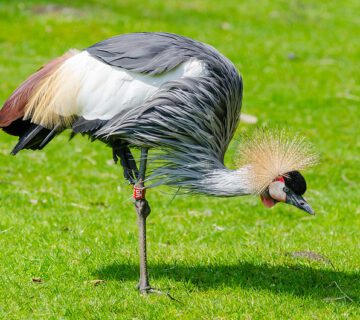
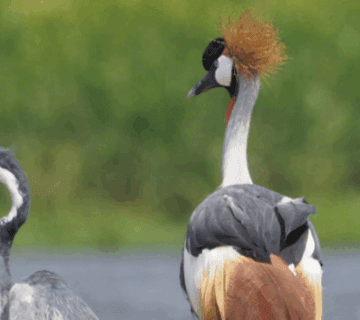
The greatest trails for birdwatching in Lake Mburo National Park are the forest trails and the platform walk close to the saltlick. Among the most often sighted birds in this area are the Rufous-bellied Heron, Coqui Francolin, Bateleur, Brown-chested lapwing, and Grey-crowned crane.
Common species found in the swampy valley and Rubaga forest include the following: Long-tailed Cisticola, White-winged Tit, Red-shouldered, Cuckoo, Shrike, Nubian woodpecker, Red-headed Causal, Brown parrot, Green Wood Hoopoe, Red-headed lover birds, Rufous-bellied Heron, Emerald-spotted wood-dove, Yellow-breasted Apalis, and Red-headed Causal A bird excursion to Lake Mburo National Park is worthwhile because of the few species that are mentioned, such the Blue Breasted King fisher, papyrus gonolek, mosquito swallow, hairy breasted barbet, African scops owl, and yellow-rimmed tinker bird.
In Lake Mburo National Park, birdwatching is also enjoyable in the Ruganda forest, which is accessible by car or foot. However, driving while birdwatching is not particularly noteworthy.
What Should You Bring on a Birding Safari?
When organizing a birding journey to Uganda, travelers should always remember to bring the necessary supplies for a fantastic experience, such as a field guide book, binoculars, a field diary, a birdwatching vest, a brimmed hat, a skill-build book, comfortable footwear, a birding song app, and many more. The greatest times to go birdwatching are in the morning and late at night.
Birdwatching Long-tailed Cisticola in Lake Mburo National Park
In addition to birdwatching in Lake Mburo National Park, visitors can engage in other breathtaking activities with Uganda Safaris. Horseback riding in and around the park, game drive viewing, boat rides on Lake Mburo, quad biking, night wildlife safaris, guided nature walks, and visits to the Ankole Culture Center are some other things to do.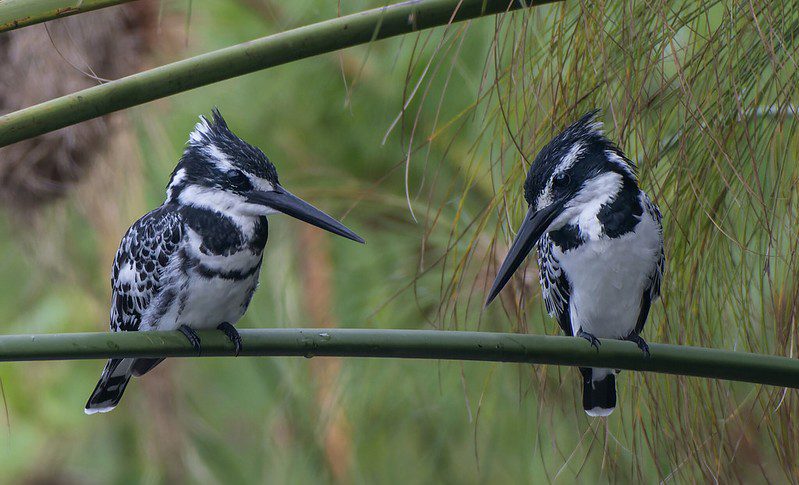
Which Time of Day Is Best for Birdwatching?
Although it is possible to bird in Lake Mburo National Park all year round, the ideal time to visit Uganda is during the wet season, which runs from March to May and October. The abundance of fruits in the park draws a variety of birds for feasting. However, the wet season limited your birding time by creating impassable roads and making it tough to hike forest trails. Then, the ideal months to observe migratory birds are November and April.
Accommodations at the National Park of Lake Mburo
The affordable, mid-range, and luxury resorts in Lake Mburo National Park include Arcadia Lodge, Kijuura Lodge, Igongo Cultural Center, Country Hotel, Jap Motel Mbarara, Little Wood Inn, Hyena Hill Lodge, and Eagles’ Nest Camp, to name a few.
accessibility
West of Kampala, Uganda’s capital, Lake Mburo National Park is easily accessible by road, taking three to four hours to drive there. The simplest route passes through Mbarara town on Masaka Road before splitting off and connecting to Kiruhura district to reach the main objective.
Lake Mburo National Park is the ideal destination for tourists who enjoy birdwatching in Uganda because it is home to a variety of uncommon birds that are not found at other Ugandan birding sites.
Why Lake Mburo’s Compact Size Genuinely Benefits Birders
Being Uganda’s smallest park genuinely means less ground to cover, letting birders explore multiple habitat zones without exhausting travel time between them. All in Africa Safaris can build a focused birding day around this compact, efficient layout.
What Makes the Papyrus Rarities Genuinely Special Here
Spotting all six papyrus specialist species in one location genuinely ranks this park among Uganda’s most rewarding stops for dedicated birders.
Why the Saltlick Platform Walk Genuinely Rewards Patient Observers
This elevated vantage point genuinely lets birders watch multiple species without disturbing them, ideal for extended, quiet observation sessions.
How the Southern Species Mix Genuinely Sets This Park Apart
Finding southern African species like the black-collared barbet this far north genuinely gives Lake Mburo a distinctive bird list compared to other Uganda parks.
Why Combining Boat Rides With Birding Genuinely Doubles Your Sightings
Species along the lake’s edge genuinely differ from those in the forest and swamp, making a boat excursion a worthwhile addition to your ground-based birding. All in Africa Safaris can arrange this combined boat and birding experience.
What the Migratory Season Genuinely Adds to Your Species List
November through April genuinely brings a wave of additional species passing through, significantly expanding what resident-only visits would offer.
Why Rubanga Forest Trails Suit Travelers Wanting a Quieter Experience
Away from the main game-viewing circuits, this forest genuinely offers a calmer, more focused birding environment compared to busier park sections.
How Proper Gear Genuinely Improves Your Birding Success Rate
A quality field guide and reliable binoculars genuinely make the difference between a frustrating search and confidently identified sightings throughout the day.
Why Horseback Riding Offers a Genuinely Unique Birding Vantage Point
Moving through the park on horseback genuinely lets birds remain calmer around you than a noisier vehicle would, occasionally improving close sightings.
What Makes Early Morning Genuinely the Best Time to Start
Bird activity peaks during cooler morning hours, making a dawn departure genuinely more productive than waiting until later in the day.
Why the Grey-Crowned Crane Sighting Holds Special Significance
As Uganda’s national bird, spotting this species here genuinely carries extra meaning beyond its already striking appearance.
How Wet Season Timing Genuinely Requires Careful Trade-Off Consideration
While fruiting trees draw more birds during rains, muddy trails genuinely limit access, a balance worth discussing with your operator beforehand. All in Africa Safaris can advise on the best timing for your specific birding priorities.
Why Accommodation Choice Genuinely Affects Your Early-Morning Access
Staying closer to prime birding trails genuinely means less pre-dawn travel time before catching peak bird activity.
What the Ankole Cultural Center Adds Beyond Standard Birding
Rounding out a birding trip with this cultural stop genuinely gives travelers insight into local heritage alongside their wildlife-focused itinerary.
Why Quad Biking Suits Travelers Wanting Variety Beyond Birding
For groups with mixed interests, this activity genuinely offers an adventurous alternative for those less focused purely on bird species lists.
How Night Wildlife Safaris Reveal a Different Side of the Park
Beyond birding, nocturnal drives genuinely showcase species and behaviors invisible during standard daytime activities.
Why the Three-Hour Drive From Kampala Makes This a Practical Choice
Compared to Uganda’s more remote parks, Lake Mburo’s accessibility genuinely suits travelers with limited time still wanting serious birding opportunities.
What Makes This Park Ideal for Combining With a Longer Itinerary
Its position along the route to southwestern Uganda genuinely makes Lake Mburo a natural stopover for travelers heading toward gorilla trekking destinations. All in Africa Safaris can sequence this stop within a broader southwestern circuit.
Why Rare Species Here Justify a Dedicated Birding-Focused Visit
Given how many species appear nowhere else in Uganda, serious birders genuinely benefit from treating Lake Mburo as a primary destination, not an afterthought.
Why Bateleur Sightings Reward Patient Sky-Watching
This distinctive eagle species genuinely rewards birders who spend time scanning open skies rather than focusing exclusively on ground-level or forest sightings. All in Africa Safaris can point your guide toward the best open areas for raptor spotting.
How the Warukiri and Miriti Valleys Concentrate Wetland Species
These marshy stretches between Rwonyo camp and the jetty genuinely pack a disproportionate number of species into a relatively small, walkable area.
Why a Skilled Local Guide Genuinely Transforms Your Birding Day
Distinguishing between similar-looking species by call alone genuinely requires local expertise most visiting birders simply don’t have on their own.
What Makes Combining Antelope Viewing With Birding Genuinely Efficient
Since Lake Mburo is known equally for its antelope populations, a single game drive genuinely delivers both mammal and bird sightings without extra time investment.
Why Recording Sightings Adds Lasting Value to Your Trip
Keeping a detailed log of species observed genuinely builds a meaningful personal record while also contributing useful data to ongoing conservation efforts.
Planning Your Lake Mburo Birding Safari
From papyrus specialists to migratory flocks and the iconic grey-crowned crane, Lake Mburo National Park genuinely offers exceptional birding in a compact setting. All in Africa Safaris can turn this overview into a fully confirmed itinerary tailored to your travel dates.