
Zanzibar’s Jozani Forest: Red Colobus Monkeys and Mangrove Walks
Zanzibar is widely known for its white-sand beaches, turquoise waters, historic Stone Town and spice plantations. However, away from the coastline, the island has another natural attraction that offers a completely different experience. Jozani Forest, located in the south-central part of Unguja, protects some of Zanzibar’s most important remaining indigenous forest habitats and provides a home for the rare Zanzibar red colobus monkey.
Officially part of Jozani-Chwaka Bay National Park, the forest is one of the most rewarding places to visit for travellers interested in wildlife and nature. Its shaded walking trails pass through tall trees, dense vegetation and areas of wetland forest, while a raised wooden boardwalk takes visitors through the surrounding mangroves. The combination creates an opportunity to experience two important ecosystems within a relatively short visit.
The main attraction is the Zanzibar red colobus, an endangered monkey found naturally only on the Zanzibar archipelago. Unlike wildlife encounters that require long journeys into remote reserves, visitors at Jozani often have an opportunity to observe these primates at relatively close range under the supervision of a park guide.
A visit also reveals the importance of mangroves to Zanzibar’s coastal environment. Their complex root systems protect shorelines, support fish and other marine life, and provide habitats for crabs and birds. Together, the forest and mangrove walks make Jozani an interesting addition to a Zanzibar holiday, especially for travellers who want to explore beyond the beaches.
Where is Jozani Forest?
Jozani Forest is situated in the south-central part of Unguja, the main island of Zanzibar. It forms part of Jozani-Chwaka Bay National Park, Zanzibar’s only national park, which protects approximately 50 square kilometres of forest, mangroves, salt marshes and other natural habitats.
The park is located along the main road connecting Stone Town with Zanzibar’s southeast coast. Its position makes it relatively easy to reach from popular beach destinations such as Paje, Jambiani and Bwejuu.
From Stone Town, the journey generally takes around 45 minutes to an hour by road, depending on traffic and the exact starting point. Travellers staying along the southeast coast can reach the forest in a shorter time. Paje is particularly convenient, with the journey usually taking approximately 20 to 30 minutes.
The park’s accessibility makes it suitable for a half-day excursion. Visitors can explore the forest, observe the red colobus monkeys and walk through the mangroves before continuing to a nearby beach or returning to their accommodation.
Understanding Jozani-Chwaka Bay National Park
Jozani-Chwaka Bay National Park was established in 2004 to protect important natural habitats and wildlife on Zanzibar. It contains one of the largest remaining areas of indigenous forest on Unguja and provides a refuge for several species that have become increasingly restricted by habitat loss and human activity.
The park is not simply a single stretch of woodland. It contains several interconnected ecosystems, including groundwater forest, coral-rag vegetation, scrubland, wetlands, salt marshes and mangroves. Each habitat supports different plants and animals, creating a diverse natural environment within a relatively small area.
Groundwater forest is one of the most distinctive habitats in Jozani. Its trees grow in areas influenced by underground water and seasonal flooding, producing a humid environment with dense vegetation. Tall trees, ferns, vines and smaller plants create a shaded landscape that feels very different from Zanzibar’s open coastal areas.
The mangroves provide another important habitat. They grow along tidal waterways where saltwater and freshwater conditions influence the surrounding environment. Their roots create sheltered areas for young fish, crabs and other aquatic organisms.
These ecosystems are closely connected. The forest helps maintain local ecological balance, while the mangroves protect coastal areas and support marine biodiversity. Visiting both environments gives travellers a better understanding of the natural systems that sustain Zanzibar.
Zanzibar red colobus monkeys: The main attraction
<escape>The Zanzibar red colobus (Piliocolobus kirkii)</escape> is the most famous resident of Jozani Forest. This endangered primate is endemic to Zanzibar, meaning it occurs naturally nowhere else in the world.
Its distinctive appearance makes it easy to recognise. Adults have reddish-brown fur across the back and shoulders, contrasting with darker facial features and lighter areas around the face and underside. Their long tails help them balance as they move between branches.
Unlike some forest monkeys that remain high in the canopy, Zanzibar red colobus groups can sometimes be observed feeding or resting in lower branches. Visitors may see them grooming one another, moving between trees, carrying young or feeding on leaves.
The monkeys are social animals and live in groups that can contain several individuals. Their daily activities include feeding, resting, grooming and moving through the forest in search of suitable vegetation. They mainly consume leaves, flowers and other plant material.
Their specialised digestive system allows them to process leaves that many other primates cannot use as efficiently. This adaptation helps them survive in forest environments where suitable food sources change throughout the year.
One of the most interesting aspects of watching the red colobus is observing their social behaviour. Individuals frequently groom one another, while young monkeys learn to move through the branches by following older members of the group. Their movements can be surprisingly quick, particularly when several animals travel together through the canopy.
Jozani is one of the best places to observe this rare species because some groups live close to the established visitor trails. However, the animals remain wild, and visitors should not expect them to perform or approach on demand.
Why the Zanzibar red colobus is endangered
The Zanzibar red colobus faces several conservation challenges, particularly habitat loss and fragmentation. As human settlements, agricultural land and infrastructure expand, natural forest areas become increasingly separated.
Forest fragmentation can make it difficult for monkeys to move between feeding areas and breeding groups. It also increases their exposure to roads, farms and other human activities.
Conflict with farmers can occur when monkeys enter cultivated areas in search of food. Protecting natural habitats and supporting local communities are therefore important parts of long-term conservation.
Road traffic is another concern in areas where forest habitat is crossed by roads. Drivers should reduce their speed when passing through Jozani because monkeys and other wildlife may move across the road unexpectedly.
Jozani-Chwaka Bay National Park provides an important protected area for the species. Conservation activities also focus on raising awareness among visitors and local communities about the importance of protecting the forest.
Tourism can contribute to these efforts when visits are managed responsibly. Entrance fees, guided walks and local tourism activities help support the protected area and create economic opportunities connected to conservation.
Guided walks through Jozani Forest
The forest walk is the central part of most visits to Jozani. Visitors begin at the park reception area, where they receive information about the forest and are assigned a guide.
The guided trail passes through shaded vegetation and areas of indigenous woodland. Along the way, guides explain the different trees, plants and habitats found in the park. They also help visitors locate the red colobus groups and identify other wildlife.
The experience is generally suitable for people with different levels of fitness because the main visitor trails are relatively short and mostly flat. There is no need for strenuous hiking or specialised trekking equipment.
The atmosphere changes as visitors move deeper into the forest. The canopy provides shade, while the sounds of insects and birds create a natural background. Sunlight filters through the leaves, highlighting different plants and sections of the forest floor.
Visitors may also learn about the traditional uses of certain plants. Some species have been used by local communities for medicine, construction and other everyday purposes. Guides can explain how people have historically interacted with the forest and why sustainable management is important.
The red colobus are usually the main focus, but the walk offers more than a monkey-viewing opportunity. It provides a closer look at Zanzibar’s remaining indigenous woodland and the ecological relationships that support its wildlife.
Other wildlife in Jozani Forest
Although the red colobus attracts most visitors, Jozani supports other wildlife species that contribute to the park’s biodiversity.
Sykes’ monkeys are among the other primates found in the area. They have a different appearance and behaviour from the red colobus and may be encountered around the forest and visitor facilities.
Bushbabies also inhabit the wider forest environment. These small nocturnal primates are more active after dark, so daytime visitors are unlikely to see them during an ordinary forest walk. They are better known for their large eyes, strong jumping ability and distinctive calls at night.
The park and surrounding habitats also support small mammals such as duikers, including the rare Aders’ duiker in the wider Zanzibar ecosystem. These animals are shy and difficult to observe, so sightings should not be expected during a standard visit.
Reptiles, butterflies and numerous insects also inhabit the forest. Visitors who take time to observe the vegetation may notice colourful butterflies moving between plants, lizards resting on branches and smaller creatures along the walking trail.
Birdlife adds another important dimension. The forest supports several species associated with Zanzibar’s woodland habitats, including colourful forest birds. Some may be heard before they are seen, making the walk interesting for birdwatchers.
A guide can help identify different calls and explain the habitats where particular species are likely to occur.
The mangrove boardwalk: Exploring Zanzibar’s coastal ecosystem
The mangrove walk is another highlight of a visit to Jozani. It provides a different experience from the shaded forest trail and introduces visitors to one of Zanzibar’s most important coastal habitats.
A raised wooden boardwalk passes through the mangrove environment, allowing visitors to observe the trees and tidal channels without walking directly through the muddy ground. The walkway provides views of the exposed roots, shallow waterways and vegetation that make mangroves distinct from other forest types.
Mangrove trees are specially adapted to survive in coastal environments influenced by saltwater and changing tides. Their roots help stabilise muddy shorelines and trap sediment, reducing erosion and supporting the formation of coastal habitats.
The root systems are particularly interesting. Some mangrove species develop exposed roots that rise above the mud or extend outward from the trunk. These structures help the trees exchange gases in waterlogged soils and provide shelter for small aquatic organisms.
The boardwalk also offers opportunities to observe crabs, mudskippers and small fish in the tidal channels. At low tide, parts of the muddy ground become visible, revealing the feeding activities of small animals. When the water rises, the channels fill and the mangrove roots become partially submerged.
Birds may also be seen around the mangroves, particularly species that feed along shallow waterways or rest among the trees.
The boardwalk is generally easy to explore, making it suitable for families and travellers who prefer gentle nature activities. Visitors should remain on the designated walkway to avoid damaging the vegetation and disturbing the animals living beneath it.
Why Zanzibar’s mangroves are important
Mangroves are among the most valuable coastal ecosystems in the tropics. Although they may appear less impressive than coral reefs or tropical beaches, their ecological importance is considerable.
One of their main functions is shoreline protection. Mangrove roots slow the movement of water and trap sediment, helping stabilise coastal areas. This reduces erosion and provides a natural barrier against some of the effects of waves and storms.
Mangroves also support marine fisheries. Their roots create sheltered nursery areas where juvenile fish, crabs and other aquatic organisms can find protection while developing. These habitats contribute to the wider food systems that support fishing communities around Zanzibar.
Another important function is carbon storage. Mangrove ecosystems can store substantial amounts of carbon in their trees and waterlogged soils. Protecting them therefore contributes to climate change mitigation.
The trees also support birds, reptiles, insects and other wildlife. Their interconnected roots and branches create a habitat that differs significantly from the surrounding open water and sandy coastline.
For local communities, healthy mangroves support fisheries, protect coastal land and provide other natural resources. Their conservation is therefore important for both biodiversity and livelihoods.
Best time to visit Jozani Forest
Jozani Forest can be visited throughout the year, but the timing of a visit can influence the overall experience.
The dry periods from June to October and January to February are generally convenient for exploring the forest and mangrove boardwalk. Trails are often easier to walk during these months, and outdoor conditions can be more comfortable.
The long rainy season usually occurs between March and May. Rainfall can make parts of the forest muddy, while humidity remains high. However, the vegetation becomes particularly green, and the forest can look very attractive after rainfall.
The shorter rains generally occur around November and December. Conditions vary, so visitors should remain flexible when planning outdoor activities.
Morning is usually the most comfortable time for a visit. Temperatures are cooler, and the monkeys may be more active as they feed and move through the forest. Arriving early can also help visitors avoid some of the larger tour groups that arrive later in the day.
Red colobus sightings are possible throughout the year, although their movements and feeding patterns vary. No wildlife encounter is guaranteed, so visitors should allow time for the guide to locate the animals.
How long should you spend at Jozani?
Most visitors can explore the main forest trail and mangrove boardwalk in approximately one and a half to two hours. The exact duration depends on how much time is spent observing monkeys, discussing the forest and taking photographs.
Travellers with a strong interest in nature may prefer to spend longer in the area. Birdwatchers, photographers and visitors interested in plant ecology can benefit from a slower visit.
Jozani also offers opportunities for more specialised experiences, including longer forest walks and birdwatching activities that may need to be arranged in advance.
For most holidaymakers, a half-day excursion is sufficient. This allows enough time to explore the park without using an entire day that could otherwise be spent enjoying Zanzibar’s beaches or cultural attractions.
How to get to Jozani Forest
Jozani is accessible by road from several parts of Unguja. Visitors can arrange a private taxi, hire a vehicle or book an organised excursion through a hotel or local tour operator.
From Stone Town, the drive generally takes around 45 minutes to an hour. Travellers staying in Paje or Jambiani can reach the park in approximately 20 to 30 minutes, depending on the accommodation location and road conditions.
Public transport is another option. Local minibuses, commonly known as dala-dalas, operate along routes connecting Stone Town with parts of the southeast coast. Some services pass the park entrance, although visitors should confirm the route and stopping arrangements before travelling.
An organised excursion is often the most convenient choice for travellers who want transport and other activities arranged together. It can also make it easier to combine Jozani with a spice farm, cultural attraction or beach visit.
Those driving themselves should follow road signs and reduce speed when passing through forest areas. Wildlife can cross the road, and careful driving helps protect animals.
Combining Jozani Forest with other Zanzibar attractions
Jozani’s location makes it easy to combine with several attractions in the central and eastern parts of Unguja.
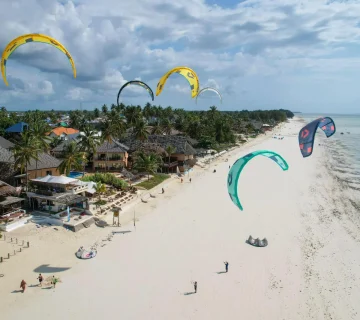
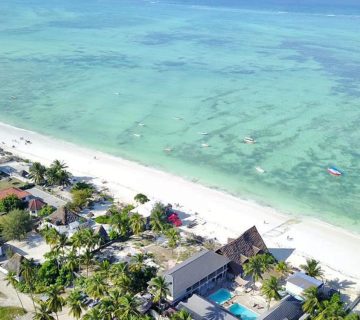
Paje is one of the most popular nearby beach destinations. Known for its long stretch of white sand and shallow turquoise water, it is particularly associated with kitesurfing and other watersports. A morning visit to Jozani followed by an afternoon at Paje creates a balanced day of wildlife and beach activities.
Jambiani is another attractive destination along the southeast coast. It offers a quieter coastal atmosphere, traditional fishing activities and opportunities to observe local village life. Visitors can combine the forest with time along the beach or a meal at a local restaurant.
Bwejuu provides another option for travellers looking for a relaxed coastal setting. Its beaches and accommodation properties make it suitable for visitors who want to spend several days away from the busier areas of the island.
Travellers staying in Stone Town can combine Jozani with a spice farm visit. Zanzibar’s spice plantations provide an opportunity to learn about cloves, cinnamon, nutmeg, black pepper and other crops that have influenced the island’s history and economy.
For a longer day, visitors can also explore parts of the southeast coast after leaving the forest. However, it is worth allowing enough time for each activity rather than trying to fit too many destinations into one excursion.
Responsible wildlife viewing at Jozani
Responsible tourism is essential for protecting the Zanzibar red colobus and other wildlife. Although some monkey groups are accustomed to visitors, they remain wild animals and should be treated with care.
Visitors should maintain the distance recommended by their guide, commonly around three metres where conditions allow. Getting too close can cause stress and increases the risk of transmitting illnesses between humans and primates.
Feeding the monkeys is strictly discouraged. Human food can affect their health and encourage behaviour that brings them into conflict with local communities. Visitors should also avoid attempting to touch, chase or attract them.
Flash photography should be avoided, and voices should be kept low when observing animals. These simple actions help create a calmer environment for both wildlife and other visitors.
Staying on designated trails is equally important. Walking through sensitive vegetation can damage plants, disturb smaller animals and contribute to soil erosion. In the mangroves, visitors should remain on the boardwalk rather than stepping into the muddy areas.
Litter should never be left in the forest or around the visitor facilities. Plastic waste can harm wildlife and pollute the surrounding environment.
Drivers should also slow down when passing through Jozani. The road crosses wildlife habitat, and monkeys may move between forest sections or gather near the roadside.
What to wear and bring for the visit
The main Jozani trails are relatively easy, but suitable clothing and footwear can make the experience more comfortable.
Closed walking shoes are recommended, particularly during the rainy season when the forest floor can become muddy. Sandals may be suitable for some parts of the visit, but they offer less protection on uneven or wet surfaces.
Lightweight clothing is appropriate because the forest is humid and temperatures can be warm. Long trousers and comfortable shirts can help protect against insects and vegetation.
A reusable water bottle is useful, especially when visiting during warmer parts of the day. Sunscreen and insect repellent are also recommended, although visitors should apply products carefully and avoid contaminating the forest environment.
A camera or smartphone is useful for wildlife photography, but visitors should follow the guide’s instructions and avoid using flash around the monkeys. Binoculars can be helpful for observing birds and animals higher in the canopy.
A small daypack is sufficient for carrying personal items. There is no need for heavy hiking equipment or specialised trekking gear for the standard forest and mangrove walks.
Is Jozani Forest suitable for families and children?
Jozani is one of Zanzibar’s more accessible nature attractions for families. The main walking trails are relatively short and do not require strenuous physical activity. Children can enjoy seeing the red colobus monkeys, learning about forest plants and discovering the unusual roots of mangrove trees.
The wildlife experience can also provide an educational opportunity. Parents and guides can explain why the red colobus is unique to Zanzibar, what monkeys eat and how protected forests support biodiversity.
Children should remain close to adults and follow the guide’s instructions. They should not attempt to feed or approach the monkeys, and they must remain on the designated paths and boardwalk.
The mangrove walk is particularly useful for introducing younger visitors to coastal ecosystems. Seeing fish and crabs moving through the channels can help children understand how mangroves support marine life.
Families should carry drinking water and plan the visit during cooler morning hours when possible.
Jozani Forest entrance fees and visitor arrangements
Visitors enter Jozani-Chwaka Bay National Park through the designated reception area, where park entry arrangements are completed. A guided forest walk is part of the standard visitor experience, and travellers should follow the instructions provided by park staff.
Reported entrance fees vary between travel sources and tour operators. Some published estimates place the adult entry cost around US$10 to US$12, but visitors should confirm the current official tariff before travelling because prices and arrangements can change.
Organised tours may include transport, park entry and other activities in one package. When comparing prices, check whether the entrance fee is included or must be paid separately.
The park is generally open during daylight hours, with commonly reported operating times around 7:30 a.m. to 5:00 p.m. Visitors should confirm current hours and last-entry arrangements before setting out.
It is advisable to carry some local currency for small purchases and additional services. Tour arrangements and payment methods can differ depending on the operator.
Frequently asked questions about Jozani Forest
Where can you see Zanzibar red colobus monkeys?
Jozani-Chwaka Bay National Park is the most accessible place to see Zanzibar red colobus monkeys in their natural habitat. The species is endemic to Zanzibar and does not naturally occur elsewhere in the world.
Are the red colobus monkeys endangered?
Yes. The Zanzibar red colobus is classified as endangered. Habitat loss, fragmentation and human-wildlife conflict are among the challenges affecting the species. Protected areas such as Jozani are important for its conservation.
Can you visit Jozani Forest without a guide?
The main forest visit is guided, and visitors should follow the park’s arrangements. Guides help locate wildlife, explain the ecosystem and ensure that visitors observe the animals responsibly.
How long does a Jozani Forest visit take?
A standard visit covering the forest trail and mangrove boardwalk generally takes around one and a half to two hours. Longer experiences may be available for birdwatchers and visitors interested in exploring more of the forest.
Can you see other animals besides red colobus monkeys?
Yes. The wider park supports Sykes’ monkeys, bushbabies, small mammals, reptiles, butterflies and numerous bird species. Crabs, mudskippers and small fish can be observed around the mangroves.
Is the mangrove boardwalk included in the visit?
The mangrove boardwalk is commonly included in the standard visitor experience, but arrangements can vary. Visitors should confirm with the park guide or reception that it forms part of their visit.
What is the best time of day to visit Jozani?
Morning is generally recommended because temperatures are cooler and monkeys may be more active. An early visit can also provide a quieter experience before larger tour groups arrive.
Is Jozani Forest worth visiting during a Zanzibar beach holiday?
Yes. The forest offers an experience that is very different from Zanzibar’s beaches. Visitors can observe an endangered endemic primate, explore indigenous woodland and learn about the importance of mangrove ecosystems within a single excursion.
Experiencing Zanzibar beyond the beaches
Jozani Forest offers an opportunity to discover a different side of Zanzibar. Its indigenous woodland, endangered red colobus monkeys and mangrove ecosystems reveal the island’s natural richness beyond its well-known coastline.
The guided forest walk provides a close look at the primates that make the park internationally recognised, while the mangrove boardwalk introduces visitors to a coastal environment that supports fish, crabs, birds and other wildlife. Together, these experiences create a rewarding nature excursion that can easily fit into a Zanzibar holiday.
For travellers staying in Stone Town or along the southeast coast, Jozani is an accessible destination that combines wildlife observation, environmental education and gentle outdoor activity. It is also a reminder that Zanzibar’s natural heritage depends on protecting the forests and coastal habitats that support its unique species.
A visit is most rewarding when approached with patience and respect. By following park guidance, keeping a suitable distance from the monkeys and avoiding damage to the mangroves, visitors can enjoy Jozani while supporting the conservation of one of Zanzibar’s most important natural treasures.

No comment