
Responsible Safari Etiquette: What Rangers Wish All Guests Knew
Responsible safari etiquette helps protect wildlife, keeps visitors safe and allows everyone to enjoy Africa’s national parks respectfully. During a safari in Uganda, Kenya, Tanzania or Rwanda, you may encounter elephants crossing roads, lions resting beside tracks, mountain gorillas feeding in forests or giraffes moving through open grasslands.
These experiences are memorable, but they also come with responsibilities.
Wildlife rangers and safari guides regularly encounter visitors who unintentionally disturb animals, ignore safety instructions or behave carelessly around protected habitats.
Simple actions such as keeping a safe distance, remaining quiet and disposing of rubbish properly can make a considerable difference.
Understanding responsible safari etiquette before your journey helps you avoid common mistakes and appreciate wildlife without interfering with its natural behaviour.
What Is Responsible Safari Etiquette?
Responsible safari etiquette refers to the behaviour expected of visitors when exploring wildlife habitats.
It includes respecting animals, following park regulations, cooperating with guides and considering other travellers.
National parks exist primarily to protect wildlife and natural environments.
Tourism provides important opportunities for visitors to experience these areas, but activities must remain compatible with conservation.
Good safari etiquette includes:
Maintaining safe distances from wildlife.
Following ranger and guide instructions.
Avoiding unnecessary noise.
Remaining on authorised roads and trails.
Respecting other safari vehicles.
Keeping protected areas free from litter.
Avoiding activities that disturb animals.
These principles apply to game drives, walking safaris, boat excursions and primate trekking.
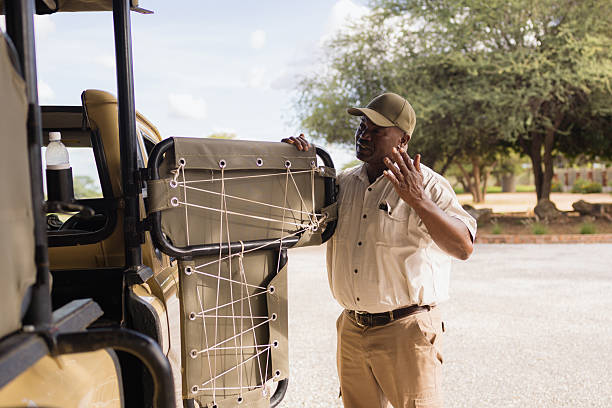
1. Always Listen to Your Safari Guide
One of the most important things rangers want visitors to understand is that safari guides make decisions based on safety and wildlife behaviour.
Experienced guides know how to interpret animal movements, recognise warning signs and respond to changing situations.
For example, an elephant may appear calm while feeding beside a road.
However, its behaviour can change if a vehicle approaches too closely.
Your guide may decide to stop, reverse or wait until the animal moves away.
Why Following Instructions Is Important
Ignoring guidance can place visitors and wildlife at risk.
If your guide asks you to remain seated, lower your voice or stop taking photographs, follow the instruction promptly.
Avoid pressuring guides to approach animals more closely.
Their priority is maintaining a safe and respectful encounter.
2. Keep a Safe Distance From Wild Animals
Wild animals need sufficient space to feed, rest and move naturally.
Approaching too closely can create stress and defensive behaviour.
Elephants
Elephants are powerful animals that may react strongly when they feel threatened.
Be particularly careful around herds containing calves.
Never ask your driver to block an elephant’s route.
Lions and Leopards
Predators should be observed without interfering with their movements.
Avoid surrounding animals with vehicles or approaching them during hunts.
Buffaloes and Hippos
Buffaloes and hippos can be dangerous when disturbed.
Never approach them on foot without authorised guidance.
There is no universal viewing distance suitable for every species and situation.
Follow park regulations and your guide’s assessment.
3. Never Feed Wildlife
Feeding wild animals is one of the most harmful behaviours visitors can encourage.
Animals that receive food from tourists may begin associating vehicles and people with feeding opportunities.
This can lead to aggressive behaviour and increase conflict.
Even small food items can affect wildlife.
Common Feeding Mistakes
Avoid offering:
Bread to monkeys.
Fruit to baboons.
Snacks to birds.
Leftover food to antelopes.
Food scraps near campsites.
Keep food properly stored and dispose of leftovers according to lodge instructions.
Wild animals should obtain food naturally.
4. Stay Inside Your Safari Vehicle
During ordinary game drives, visitors should remain inside their vehicles unless their guides confirm that stopping and exiting is permitted.
National parks may contain dangerous animals even when none are immediately visible.
Tall grass and vegetation can conceal wildlife.
Why Standing Outside Can Be Dangerous
Visitors sometimes leave vehicles to obtain better photographs.
However, an animal may approach unexpectedly.
Remain inside the vehicle during wildlife encounters.
Use designated picnic sites, viewpoints and authorised stopping areas when you need a break.
Follow any additional restrictions on standing through roof hatches.
5. Respect Wildlife During Photography
Photography is an important part of many safaris.
However, obtaining a photograph should never involve disturbing an animal.
Avoid Using Flash
Flash photography may disturb wildlife and is prohibited during some activities, including mountain gorilla trekking.
Follow the specific rules for your destination.
Never Force Animal Behaviour
Do not shout, clap or make noises to encourage animals to look towards your camera.
Avoid requesting that guides chase wildlife.
Use Suitable Camera Equipment
A telephoto lens allows you to photograph distant animals without approaching unnecessarily.
Good photographs often come from patience rather than proximity.
6. Keep Noise Levels Low
Wildlife encounters are more enjoyable when visitors remain reasonably quiet.
Loud conversations, shouting and unnecessary vehicle noise may disturb animals.
For example, a leopard resting in a tree may become unsettled if several visitors begin shouting excitedly.
Practical Noise-Control Tips
Speak quietly near wildlife.
Silence mobile phones.
Avoid playing music during game drives.
Do not call animals to attract attention.
Keep conversations respectful.
Quiet observation can also help you notice animal sounds and movements.
7. Follow Park Roads and Walking Trails
Safari vehicles should remain on authorised roads and tracks unless specific park regulations allow otherwise.
Driving through vegetation can damage habitats and disturb wildlife.
It may also create new vehicle tracks that encourage further environmental damage.
Why Off-Road Driving Is Restricted
Uncontrolled vehicle movement can affect:
Grassland vegetation.
Bird nesting areas.
Small animal habitats.
Soil stability.
Natural drainage.
Walking visitors must also remain on authorised trails where required.
Protected habitats should never be damaged to create better viewing opportunities.
8. Share Wildlife Sightings With Other Visitors
Popular wildlife sightings may attract several safari vehicles.
This is particularly common around lions, leopards and cheetahs.
Responsible safari etiquette requires patience and cooperation.
Avoid Blocking Other Vehicles
Allow other groups an opportunity to observe wildlife.
Do not pressure your guide to move directly in front of another vehicle.
Be Patient
Some animals remain hidden behind vegetation.
Wait calmly rather than demanding constant vehicle movement.
Respect Photography Positions
If you are sharing a vehicle, avoid blocking other passengers with large cameras or lenses.
Everyone deserves a fair opportunity to enjoy the experience.
9. Gorilla Trekking Etiquette in Uganda and Rwanda
Mountain gorilla trekking involves additional regulations because great apes are vulnerable to human disturbance and disease.
Rangers carefully manage visitor groups.
Important Gorilla Trekking Rules
Visitors should:
Follow the ranger’s instructions.
Maintain the required viewing distance.
Avoid flash photography.
Remain within the authorised group.
Avoid touching gorillas.
Keep food away from wildlife.
Observe health precautions.
If you feel unwell before trekking, inform the relevant authorities.
Respiratory infections can pose serious risks to great apes.
10. Responsible Behaviour During Boat Safaris
Boat safaris provide opportunities to observe hippos, crocodiles, elephants and waterbirds.
However, visitors must respect both wildlife and water safety.
Boat Safari Etiquette
Follow your boat guide’s instructions.
Remain seated when required.
Avoid leaning over the edge.
Do not throw food into the water.
Never request that the boat approach dangerous animals too closely.
Keep cameras and personal belongings secure.
Boat operators must maintain safe navigation conditions.
11. Avoid Littering in National Parks
Rubbish can harm wildlife and damage natural environments.
Plastic packaging, bottles and food waste should never be discarded inside protected areas.
Animals may accidentally consume waste or become entangled in discarded materials.
Reduce Waste During Your Safari
Carry a reusable drinking water bottle.
Keep a small bag for personal rubbish.
Use designated waste collection points.
Avoid leaving food packaging at picnic sites.
A clean environment benefits wildlife, visitors and neighbouring communities.
12. Respect Local Communities
Many protected areas are surrounded by communities that depend on farming, tourism and other livelihoods.
Visitors should respect local traditions and personal privacy.
Community Visit Etiquette
Ask permission before photographing people.
Dress appropriately for cultural activities.
Follow the instructions of community guides.
Avoid entering private homes without permission.
Purchase locally made products when suitable.
Responsible community tourism can support livelihoods and encourage cooperation with wildlife conservation.
13. Common Safari Etiquette Mistakes
| Common mistake | Possible consequence | Better approach |
|---|---|---|
| Approaching wildlife too closely | Animal distress or dangerous encounters | Follow guide instructions |
| Feeding monkeys or baboons | Unnatural behaviour and conflict | Never feed wildlife |
| Shouting during sightings | Disturbance to animals and visitors | Keep voices low |
| Leaving the vehicle | Increased personal risk | Use authorised stopping areas |
| Driving off-road | Habitat damage | Remain on permitted routes |
| Littering | Pollution and wildlife injuries | Carry rubbish to collection points |
| Blocking other vehicles | Unfair viewing opportunities | Share sightings patiently |
| Using prohibited flash | Wildlife disturbance | Follow photography rules |
Understanding these mistakes can help first-time safari visitors prepare.
14. What Rangers Want Travellers to Understand
Wildlife rangers spend considerable time protecting animals, monitoring habitats and managing visitor activities.
Several principles are particularly important.
Wildlife Sightings Are Never Guaranteed
Animals move freely.
Even experienced guides cannot guarantee that you will see lions, leopards or other species.
Avoid pressuring guides to take unnecessary risks.
Animals Need Space
A close encounter is not automatically better than observing wildlife at a respectful distance.
Allow animals to continue their natural activities.
Park Rules Apply to Everyone
Professional photographers, experienced travellers and first-time visitors must follow the same conservation requirements.
Conservation Comes First
National parks protect wildlife and natural habitats.
Visitor activities should support this purpose.
15. How Responsible Tourism Supports Conservation
Safari tourism can contribute to wildlife protection through park fees, employment and community development.
However, these benefits depend on effective management.
Travellers can support conservation by choosing responsible operators and following park regulations.
Local guides, accommodation workers and community businesses may also benefit from tourism spending.
When visitors respect wildlife and neighbouring communities, tourism can provide lasting economic opportunities.
16. Preparing for a Responsible Safari
Before travelling, learn the basic rules of your chosen destination.
Ask your safari operator about wildlife viewing distances, photography restrictions and suitable clothing.
Pack reusable water bottles, comfortable footwear and appropriate camera equipment.
During your safari, remain patient and flexible.
Weather conditions and wildlife movements can change your plans.
Trust your guide’s experience and appreciate sightings without trying to control animal behaviour.
Responsible safari etiquette helps protect wildlife, improve visitor safety and preserve Africa’s national parks.
Simple actions such as maintaining safe distances, following guide instructions, avoiding litter and keeping noise low can make a meaningful difference.
Whether you are tracking gorillas in Bwindi, photographing lions in the Maasai Mara or observing elephants in Amboseli, respectful behaviour should guide every wildlife encounter.
By practising responsible safari etiquette, you can enjoy memorable experiences while helping protect the animals and habitats that make African safaris special.





No comment